
Introduction to an Authoritative Guide to Everything Your Kneed to Know
As an Eye Injury Attorney in Nashville, I understand that an eye injury can change your life in seconds. It can also change your finances for years. When your vision is damaged by someone else’s negligence, the legal question is not only “What happened?” It is also “Who is responsible?” and “How do we prove it?”
In Nashville, eye injury claims often involve motor vehicle collisions, unsafe workplaces, defective products, negligent property maintenance, and preventable medical errors. Each category has its own rules, its own evidence requirements, and its own insurance tactics.
This guide explains what an eye injury attorney in Nashville does, which cases tend to succeed, how compensation is calculated, and what steps protect your claim in 2026.
If you were the victim of an eye Injury in Nashville, or suffered an eye injury from a pharmaceutical drug, contact Timothy L. Miles, an eye injury attorney in Nashville, today for a free case evaluation, you may be eligible for an eye injury lawsuit and possibler be entiteld to substantial compensation. The call is free and so is the fee unless we win or settle your case, so call today and see what a Nashville eye injury attorney can do for you. (855) 846-6529 or [email protected]. (24/7/365).

Eye Injury Attorney in Nashville: What They Actually Do
An eye injury attorney represents injured people in negligence and liability claims. The work is not limited to filing paperwork. The core value is building a legally persuasive, medically supported case that insurers cannot easily dismiss.
A strong Nashville eye injury attorney typically focuses on:
- Liability investigation: Identifying the negligent party, their insurance coverage, and all potentially responsible entities (employers, contractors, manufacturers, property owners).
- Evidence preservation: Securing records, surveillance video, vehicle data, incident reports, maintenance logs, and product identifiers before they disappear.
- Medical proof development: Translating ophthalmology and optometry findings into legal causation and impairment evidence.
- Damages valuation: Calculating medical costs, future care needs, lost income, reduced earning capacity, and quality-of-life losses.
- Insurance negotiation: Managing adjuster communications, demand packages, settlement conferences, and rebuttals to “pre-existing condition” defenses.
- Litigation readiness: Filing suit when necessary, taking depositions, retaining experts, and preparing for mediation or trial.
A practical definition matters here: a compensable eye injury case is an evidence case. The attorney’s job is to make the injury undeniable, the causation clear, and the financial impact measurable.
Eye Injury Lawyer Nashville: Common Case Types That Lead to Claims
Most eye injury lawsuits and insurance claims in Nashville fall into identifiable patterns. Recognizing the category helps you understand what must be proven.
Car Accidents and Truck Accidents
Eye injuries in vehicle crashes often arise from:
- Airbag deployment trauma
- Flying glass, debris, or loose objects
- Blunt force impact to the orbit
- Chemical exposure from battery or engine fluids
Key proof issues include crash severity, mechanism of injury, medical documentation timing, and whether the injury is consistent with impact points.
Workplace Injuries and Job Site Eye Trauma
Nashville has active construction, manufacturing, warehousing, and logistics operations. Eye injuries commonly involve:
- Projectiles and metal fragments
- Chemical splashes
- Welding arc exposure and burns
- Tool malfunctions and high-pressure equipment
Some workplace cases are handled under workers’ compensation, but third-party claims may exist when another company, subcontractor, property owner, or manufacturer contributed to the harm.
Slip and Fall and Premises Liability
Eye injuries can occur when falls result in facial impact, orbital fractures, or contact with hazardous substances on the property. These cases often hinge on:
- The property owner’s notice of the hazard
- Inspection and maintenance practices
- Lighting, signage, and safety procedures
Defective Products and Dangerous Equipment
Product liability can apply when eye injuries result from:
- Defective safety goggles or face shields
- Exploding batteries, tools, or consumer devices
- Faulty industrial equipment guards
- Inadequate warnings or instructions
These cases require early product preservation. If the product is discarded or altered, the defense may argue spoliation.
Assaults, Negligent Security, and Bar-Related Incidents
Nashville’s nightlife can produce serious facial and eye trauma. A claim may be against an assailant, but also potentially against a business for negligent security if foreseeability and inadequate safety measures can be shown.
Medical Malpractice Involving Eye Care
Claims may arise from:
- Misdiagnosis or delayed diagnosis of retinal detachment, glaucoma, infection, or optic nerve issues
- Surgical errors
- Improper medication or dosing
- Failure to refer to a specialist
Medical malpractice is document-intensive and typically expert-driven. It also carries procedural requirements that make early legal review important.
Nashville Eye Injury Claim: What Must Be Proven
Most eye injury cases are built on negligence. The legal framework is straightforward, but the proof is not.
To succeed, you generally must show:
- Duty of care: The defendant had a legal responsibility to act reasonably.
- Breach: The defendant failed to meet that standard.
- Causation: The breach caused the eye injury.
- Damages: The injury produced compensable losses.
For eye cases, causation and damages are where insurers fight hardest. Vision problems can be subtle, progressive, or difficult for non-medical audiences to understand. Your case must convert symptoms into validated clinical findings and functional limitations.
Eye Injury Compensation in Nashville: What Damages Are Available
Eye injuries tend to be expensive and disruptive. Compensation, when available, typically falls into two broad categories.
The types of damages you can claim often include medical expenses related to the treatment of your eye injury, as well as compensation for lost wages if the injury prevents you from working.
Economic Damages (Financial Losses)
These are measurable costs, including:
- Emergency care, ophthalmology visits, imaging, and surgery
- Prescription medications and follow-up treatment
- Vision therapy, rehabilitation, and assistive devices
- Future medical care, including likely complications
- Lost wages and reduced earning capacity
- Transportation costs for medical appointments
For serious vision loss, future damages become central. A compelling claim often includes a life-care plan or forward-looking medical opinion that outlines anticipated treatment needs. Such foresight is crucial as it helps in estimating the future financial implications of the injury.
Non-Economic Damages (Human Losses)
These address impact that is real but not captured by receipts:
- Pain and suffering
- Loss of enjoyment of life
- Emotional distress, including anxiety related to vision instability
- Disfigurement or scarring
- Loss of ability to participate in hobbies, sports, or driving
Eye injuries in Nashville frequently produce non-economic harm that is disproportionate to the initial medical bill. For example, a corneal injury that heals may still produce glare, night-driving limitations, or ongoing headaches that restrict daily life.
Punitive Damages (Rare, Case-Specific)
Punitive damages may apply in limited situations involving intentional misconduct or extreme recklessness. They are not typical in ordinary negligence claims, but they can matter in assault cases or egregious safety violations.
Eye Injury Settlement Nashville: Why These Claims Are Often Undervalued
Insurance carriers are skilled at minimizing eye injury claims, especially when the injury is not visually obvious to a layperson.
Common undervaluation tactics include:
- “It will heal” narratives that ignore permanent sensitivity, scarring, or visual distortion.
- Delay-based arguments such as “You waited to see a specialist, so it must not be serious.”
- Pre-existing condition defenses involving prior vision correction, migraines, or diabetes.
- Selective record reading where normal findings in one exam are used to dismiss abnormal findings in another.
- Low initial offers that focus on past bills while ignoring future care and impairment.
A well-prepared claim counters this with consistent specialist documentation, objective testing, and a clear timeline that links the incident to the onset of symptoms and clinical findings.

Eye Injury Law in Tennessee: Deadlines and Legal Constraints That Matter
In Tennessee, deadlines and procedural requirements can determine whether you have a viable claim at all. An eye injury attorney in Nashville will typically evaluate your case with these constraints in mind:
- Statute of limitations: Many personal injury claims must be filed within a limited period. Missing the deadline can bar recovery regardless of how strong the evidence is.
- Notice and special rules: Claims against government entities and medical malpractice claims can involve additional steps and shorter time windows.
- Comparative fault: Tennessee follows a modified comparative fault system. If you are found significantly at fault, your recovery can be reduced or barred.
Because deadlines can depend on facts that are not obvious at first, early consultation is a practical risk management step.
Nashville Vision Loss Attorney: Injuries That Commonly Lead to Higher-Value Claims
While every case is fact-specific, some injuries tend to have higher damages due to long-term impairment, high treatment costs, or permanent limitations.
Examples include:
- Retinal detachment or retinal tears requiring urgent intervention
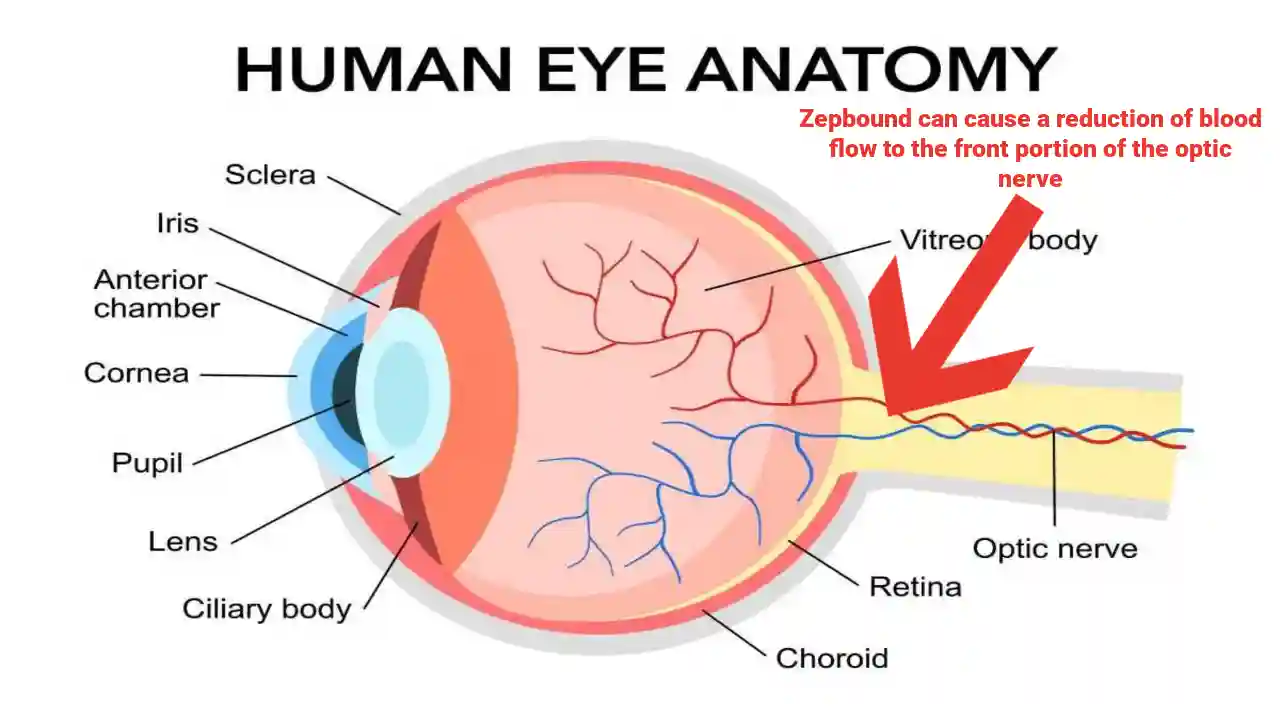
- Optic nerve damage
- Orbital fractures with surgical repair and persistent double vision
- Corneal lacerations and scarring
- Chemical burns with prolonged treatment and lasting sensitivity
- Traumatic cataracts
- Permanent partial vision loss or total blindness in one eye
- Enucleation (loss of the eye), prosthetics, and associated complications
In these cases, vocational and economic evidence becomes important. Loss of depth perception, reduced peripheral vision, and light sensitivity can directly affect job eligibility, safety requirements, and licensure.
If you were the victim of an eye Injury in Nashville, or suffered an eye injury from a pharmaceutical drug, contact Timothy L. Miles, an eye injury attorney in Nashville, today for a free case evaluation, you may be eligible for an eye injury lawsuit and possibler be entiteld to substantial compensation. The call is free and so is the fee unless we win or settle your case, so call today and see what a Nashville eye injury attorney can do for you. (855) 846-6529 or [email protected]. (24/7/365).
Eye Injury Medical Evidence: What Your Attorney Will Want Immediately
Eye injury cases are won with documentation and consistency. If you are pursuing a claim, expect your attorney to focus on the following:
1) Ophthalmology and Optometry Records
Specialist notes are usually more persuasive than general urgent care summaries. They include:
- Visual acuity and refraction changes
- Intraocular pressure readings
- Slit lamp findings
- Fundus exam results
- OCT imaging, retinal photos, and visual field tests
2) Imaging and Trauma Documentation
Depending on the injury, CT scans and facial imaging may be central to proving orbital fractures and related complications.
3) Symptom Timeline and Functional Limits
A simple but precise timeline can be highly persuasive:
- When symptoms began
- Whether symptoms worsened
- What activities became difficult (driving, reading, screens, work tasks)
- What accommodations are now required
4) Photos and Incident Evidence
When appropriate, photos of swelling, bruising, visible trauma, or chemical exposure can be meaningful. For premises and product cases, photos of the hazard or device are often crucial.
5) Employment and Income Documentation
Your attorney may request:
- Pay stubs, tax returns, and attendance records
- Job descriptions and physical requirements
- Employer statements about restrictions and missed time
The goal is repetition for emphasis and clarity for proof: document the injury, document the cause, document the cost.
What to Do After an Eye Injury in Nashville (Steps That Protect Your Claim)
Medical care comes first. Legal protection comes from disciplined documentation.
If the injury may involve negligence, consider these steps:
- Seek prompt specialist evaluation if symptoms involve blurred vision, flashing lights, floaters, severe pain, chemical exposure, or head trauma. You can refer to this Eye Emergency Manual for guidance on immediate actions.
- Follow treatment instructions and attend follow-ups. Gaps in care are routinely used against claimants.
- Preserve physical evidence such as safety eyewear, the product involved, or contaminated clothing.
- Request incident reports for workplace and premises events when available.
- Avoid recorded statements to opposing insurers without legal advice.
- Track symptoms and limitations in a basic daily log.
- Consult an eye injury attorney early to ensure evidence is preserved and deadlines are met.
These actions are not about exaggeration. They are about accuracy, continuity, and defensibility.
How Eye Injury Attorneys in Nashville Evaluate a Case in 2026
In 2026, insurers are faster, more data-driven, and more skeptical. Case evaluation has become more structured, with predictable focus areas.
A careful evaluation usually includes:
- Liability clarity: Is there a credible negligence theory supported by evidence?
- Medical causation strength: Does the specialist documentation connect the injury to the incident?
- Severity and permanency: Is there lasting impairment, scarring, or functional loss?
- Future costs: Are there predictable future treatments or monitoring needs?
- Insurance coverage: Are there policy limits or multiple sources of coverage?
- Client credibility and consistency: Are records consistent with the reported impact?
This approach is forward-looking by design. The objective is not only to prove what happened, but to establish what the injury will require over time.
For additional information on general first aid that may be useful after an eye injury, you can refer to this First Aid Guide.
Questions to Ask an Eye Injury Attorney in Nashville
When choosing counsel, use questions that reveal competence, process, and readiness:
- How do you document permanent impairment in eye injury cases?
- Which ophthalmology experts do you typically work with?
- How do you handle future medical damages and reduced earning capacity?
- Do you anticipate a third-party claim in a workplace injury?
- What is your approach if the insurer disputes causation?
- How do you prepare a case for trial if settlement fails?
A reliable attorney should answer in specifics, not slogans, and should explain how the claim will be built step by step.
Eye Injury Attorney Fees in Nashville: How Payment Typically Works
Most personal injury attorneys handle eye injury cases on a contingency fee basis. That structure generally means:
- You do not pay attorney fees upfront.
- The attorney is paid from a portion of any settlement or verdict.
- Case expenses (records, filing fees, expert reviews) are addressed by agreement and should be explained in writing.
Before you sign anything, read the fee agreement carefully and request clarification on expenses, medical lien handling, and what happens if a case is not successful.
If you were the victim of an eye Injury in Nashville, or suffered an eye injury from a pharmaceutical drug, contact Timothy L. Miles, an eye injury attorney in Nashville, today for a free case evaluation, you may be eligible for an eye injury lawsuit and possibler be entiteld to substantial compensation. The call is free and so is the fee unless we win or settle your case, so call today and see what a Nashville eye injury attorney can do for you. (855) 846-6529 or [email protected]. (24/7/365).
Nashville Eye Injury Case Timeline: What to Expect
While every matter differs, a typical case progresses through predictable stages:
- Initial investigation and records collection
- Specialist treatment stabilization so the prognosis is clearer
- Demand package submitted to the insurer with liability and damages support
- Negotiation and often mediation
- Filing suit if negotiations fail or deadlines require it
- Discovery including depositions and expert work
- Resolution by settlement or trial
Eye injuries often require patience. The medical outcome can evolve over months, and settling too early can transfer future risk from the insurer to you.
Conclusion: Why the Right Nashville Eye Injury Attorney Approach Is Evidence, Expertise, and Urgency
An eye injury lawsuit is not only about an incident. It is about proof. Proof of negligence, proof of causation, proof of impairment, proof of future cost.
A qualified eye injury attorney in Nashville brings structure to that proof. They move quickly to preserve evidence. They work with specialists to translate clinical findings into legal causation. They quantify loss with discipline. They negotiate from preparedness, and they litigate when necessary.
If your vision has been affected and you believe negligence played a role, the most important next step is simple: protect the medical record, protect the evidence, and protect the deadline. It’s essential to understand that these injuries can have long-term implications on your life, as highlighted in this comprehensive study on the impact of eye injuries.
Frequently Asked Question about an Eye Injury Attorney in Nashville
What does an eye injury attorney in Nashville do to support my claim?
An eye injury attorney in Nashville investigates liability, preserves crucial evidence, develops medical proof linking the injury to negligence, calculates damages including medical costs and lost income, negotiates with insurance adjusters, and prepares for litigation if necessary to build a strong, compensable case.
What types of incidents commonly lead to eye injury claims in Nashville?
Common causes of eye injury claims in Nashville include motor vehicle collisions (car and truck accidents), workplace injuries involving projectiles or chemicals, slip and fall accidents on poorly maintained premises, defective products like faulty safety goggles, assaults with potential negligent security claims, and medical malpractice related to eye care.
What legal elements must be proven to succeed in an eye injury claim in Nashville?
To succeed in an eye injury claim based on negligence, you must prove that the defendant owed a duty of care, breached that duty by acting unreasonably, directly caused your eye injury through that breach, and that you suffered compensable damages as a result.
How is compensation calculated for eye injuries in Nashville?
Compensation for eye injuries typically includes economic damages such as emergency care, specialist visits, surgeries, prescriptions, future treatment costs, lost wages due to inability to work, reduced earning capacity, and non-economic damages like pain and suffering or loss of quality of life.
Why is early legal intervention important in Nashville eye injury cases?
Early legal intervention ensures preservation of critical evidence such as medical records, surveillance videos, and defective products before they are lost or altered. It also helps navigate complex procedural requirements especially in medical malpractice cases and strengthens your claim against insurance tactics.
Can I file an eye injury claim if the injury occurred at work or due to a defective product?
Yes. While some workplace eye injuries may be covered by workers’ compensation, you may have third-party claims against other responsible parties like contractors or manufacturers. Defective product-related eye injuries can lead to product liability claims if the product was unsafe or lacked proper warnings.
If You Suffered an eye injury in Nashville, Contact Nashville Eye Injury Lawyer Timothy L. Miles Today
If you were the victim of an eye Injury in Nashville, or suffered an eye injury from a pharmaceutical drug, contact Timothy L. Miles, an eye injury attorney in Nashville, today for a free case evaluation, you may be eligible for an eye injury lawsuit and possibler be entiteld to substantial compensation. The call is free and so is the fee unless we win or settle your case, so call today and see what a Nashville eye injury attorney can do for you. (855) 846-6529 or [email protected]. (24/7/365).