Introduction to an Informative and Trustworthy Guide
As a Nashville eye injury attorney, I know that an eye injury can change your life in seconds. Vision loss, retinal damage, chemical burns, orbital fractures, and traumatic brain injury often appear together, and they frequently require urgent treatment, multiple specialists, and long-term follow-up. At the same time, the legal side moves quickly. Evidence can disappear, witnesses can scatter, and insurance carriers can begin building defenses immediately.
This guide explains what a Nashville eye injury attorney typically does, when it is prudent to contact counsel, how eye injury claims are evaluated in Tennessee, and what to expect throughout the process.
If you were the victim of an eye Injury in Nashville, or suffered an eye injury from a pharmaceutical drug, contact Timothy L. Miles, an eye injury lawyer in Nashville, today for a free case evaluation. The call is free and so is the fee unless we win or settle your case, so call today and see what a Nashville eye injury attorney can do for you. (855) 846-6529 or tmiles@timmileslaw.com. (24/7/365).

Why Contact a Nashville Eye Injury Attorney Early
Timing matters in eye injury cases in Nashville because medical outcomes and legal outcomes are closely linked. Early involvement often improves clarity, preserves proof, and reduces the risk of costly mistakes.
A Nashville eye injury attorney can help you:
- Preserve evidence: photographs, video, defective products, safety logs, incident reports, and witness statements.
- Coordinate documentation: ophthalmology records, imaging, operative notes, medications, and prognosis statements.
- Protect your statements: insurance adjusters may request recorded interviews that are later used to limit compensation.
- Identify all responsible parties: not only the obvious actor but employers, property owners, contractors, product manufacturers, and maintenance vendors.
- Establish damages: especially future care needs, future wage loss, and the day-to-day impact of impaired vision.
In serious injury matters such as traumatic brain injuries, early case-building is often the difference between a claim that is “plausible” and a claim that is “provable.”
Common Eye Injuries That Lead to Claims in Nashville
Eye injuries vary widely, but some categories recur across motor vehicle collisions, workplaces, construction sites, and premises incidents. A Nashville eye injury claim often involves one or more of the following:
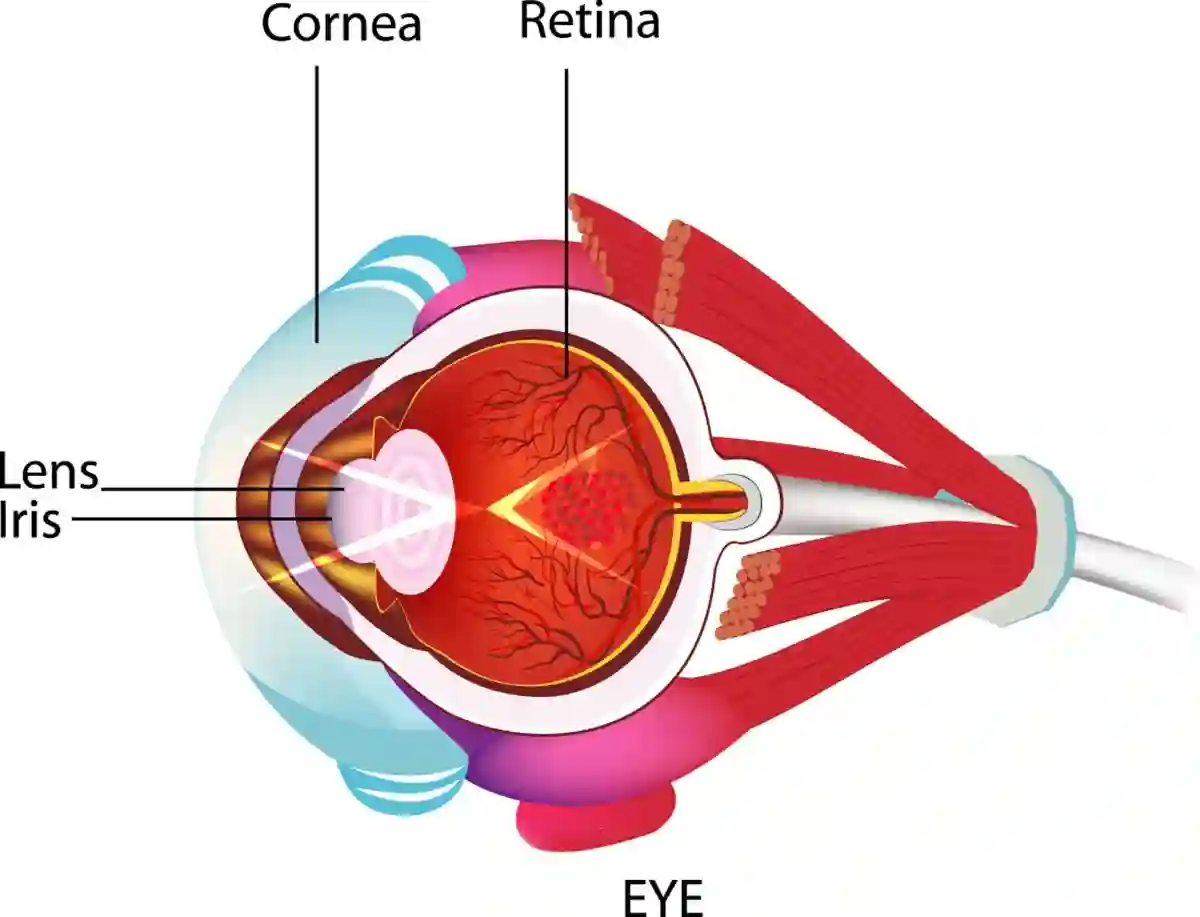
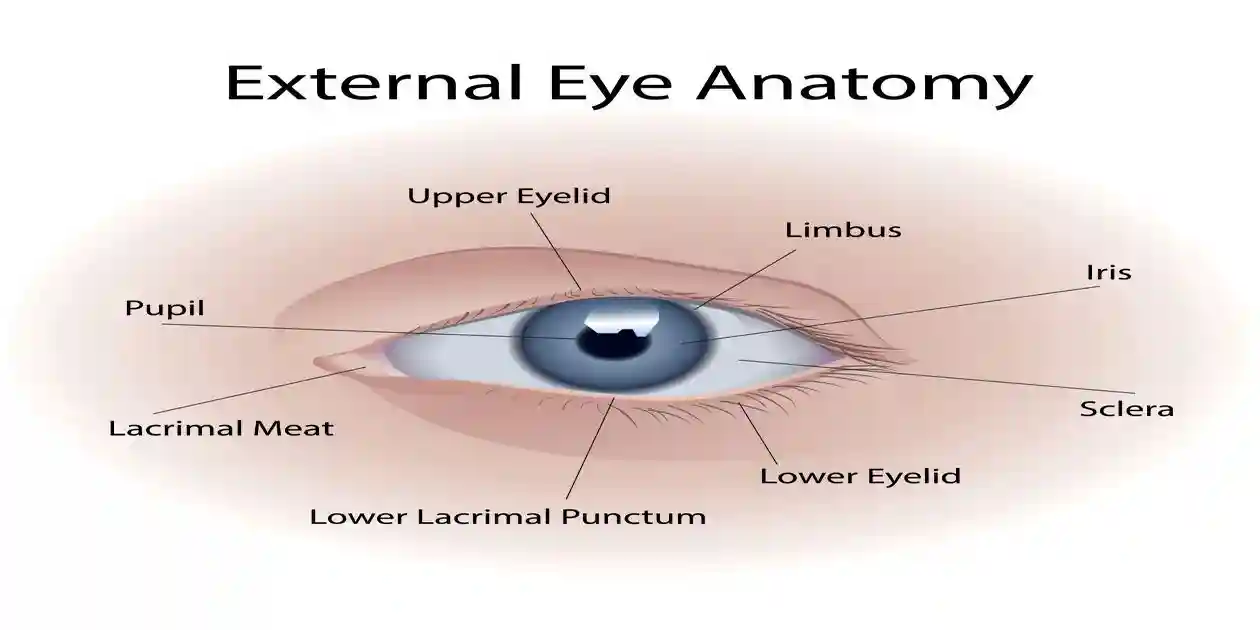
- Corneal abrasions and lacerations (including foreign-body injuries)
- Chemical burns from cleaning agents, industrial materials, or mislabeled substances
- Traumatic iritis and internal inflammation after blunt force trauma
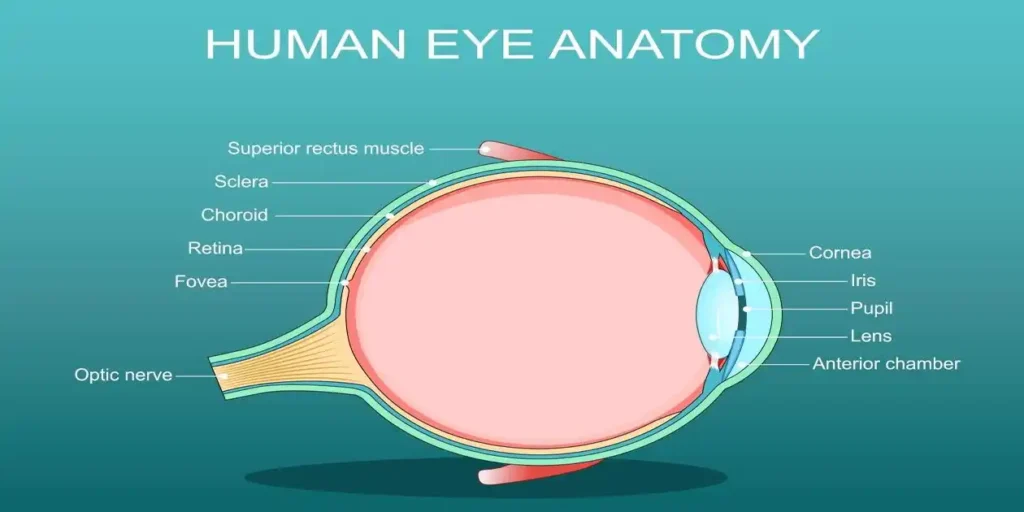
- Hyphema (bleeding in the anterior chamber)
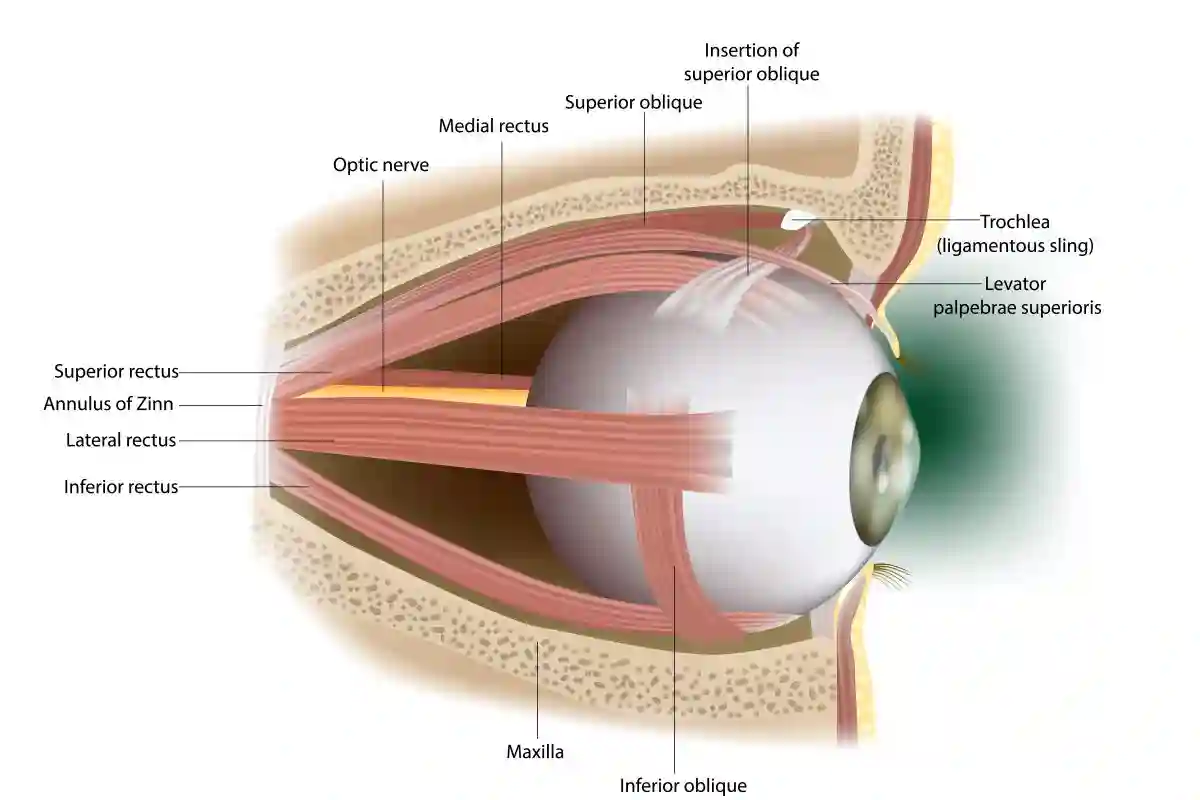
- Orbital fractures and facial trauma affecting ocular function
- Penetrating injuries (including metal shards, glass, nails, and projectiles)
Because the eye is neurologically complex, an eye injury may also implicate vestibular symptoms, migraines, light sensitivity, or cognitive complications. Those associated harms can matter significantly in both medical planning and damages.
Where Eye Injuries in Nashville Happen
A Nashville eye injury attorney typically investigates not just what happened, but why it happened and who had legal responsibility. Common fact patterns include:
Motor Vehicle Collisions
Airbags, broken glass, chemical exposure from deployed systems, and blunt facial trauma can cause severe ocular injury. For instance, some medications like Wegovy have been linked to eye damage. Liability may involve distracted driving, impairment, failure to yield, or defective vehicle components in rarer cases.
Workplace and Construction Accidents
Flying debris, power tools, grinding, cutting, chemical splashes (which could potentially involve harmful substances), and inadequate personal protective equipment are frequent contributors. These cases often require evaluating Occupational Safety and Health Administration (OSHA)-related safety practices, training records, and contractor responsibilities. It’s worth noting that certain weight-loss drugs such as Saxenda, Mounjaro, Trulicity, and Zepbound have also been associated with various eye problems.
Premises Liability: Stores, Apartments, and Public Spaces
Falling objects, unsafe shelving, negligent maintenance, poor lighting, and unaddressed hazards can lead to facial and eye trauma. Documentation of prior complaints and inspection routines can be crucial.
Product Liability
Defective tools, chemicals, safety goggles, or consumer products may create injury risks even when used as intended. These cases often require preserving the product and tracing the chain of distribution.
Assaults and Negligent Security
When violence is foreseeable and prevention measures are inadequate, liability may extend beyond the assailant to a property owner or operator in specific circumstances.
Each scenario has a different legal framework. A role of a Nashville eye injury attorney is to match the facts to the appropriate cause of action and the correct defendants.
What a Nashville Eye Injury Attorney Must Prove
Although details differ by case type, most claims require proof of four elements:
- Duty of care: the defendant owed a legal obligation to act reasonably.
- Breach: the defendant failed to meet that standard.
- Causation: the breach caused or substantially contributed to the injury.
- Damages: you suffered compensable losses.
Eye injury cases are evidence-driven. Insurers commonly argue that the harm was preexisting, that the injury healed, or that ongoing symptoms are unrelated. Strong medical records, consistent reporting, and specialized opinions may be decisive.
Medical Documentation That Strengthens an Eye Injury Claim
Legal outcomes often track the quality of medical documentation. If you are pursuing a claim, it is typically beneficial to maintain organized, complete records, including:
- Medication lists and side effects
- Referrals to retinal specialists, neuro-ophthalmology, or oculoplastics
- A written prognosis addressing permanence, impairment, and expected future care
A Nashville eye injury attorney will usually develop a damages narrative from this foundation, linking objective findings to functional limitations such as driving restrictions, reading difficulty, depth perception loss, and sensitivity to light.
In some instances, eye injuries may stem from specific medications. For example:
- Zepbound has been associated with certain eye side effects.
- Similar concerns have been raised about Wegovy, Mounjaro, Saxenda, and Trulicity as well.
If you were the victim of an eye Injury in Nashville, or suffered an eye injury from a pharmaceutical drug, contact Timothy L. Miles, an eye injury lawyer in Nashville, today for a free case evaluation. The call is free and so is the fee unless we win or settle your case, so call today and see what a Nashville eye injury attorney can do for you. (855) 846-6529 or tmiles@timmileslaw.com. (24/7/365).
Types of Compensation in an Eye Injury Lawsuit
Eye injuries can be expensive and disruptive. Tennessee law may allow recovery for economic and non-economic damages depending on the claim.
Economic Damages
These are measurable financial losses, commonly including:
- Past and future medical bills (including surgeries and specialist care)
- Prescription costs, assistive devices, and vision aids
- Rehabilitation, therapy, and follow-up testing
- Lost wages and diminished earning capacity
- Transportation costs to medical appointments
- Out-of-pocket expenses tied to disability and adaptation
Non-Economic Damages
These address human losses that do not have receipts, such as:
- Pain and suffering
- Emotional distress, anxiety, and depression
- Loss of enjoyment of life
- Disfigurement or scarring
- Loss of consortium in some cases (impact on marital relationship)
Wrongful Death Eye Injury Claims
If an incident results in death, a wrongful death claim may involve additional categories of damages and different procedural requirements.
A careful Nashville eye injury attorney evaluates not only immediate losses, but the lifetime impact of impaired vision, particularly when permanent impairment alters career trajectory and independence.
Tennessee Deadlines: Why Statutes of Limitation Matter
Tennessee law imposes strict deadlines for filing many civil claims, and missing a statute of limitation can bar recovery entirely. The exact deadline depends on the type of claim and the parties involved.
Because deadlines can be shorter in some contexts, and because claims involving government entities can have specialized notice rules, it is prudent to speak with a Nashville eye injury attorney promptly after an injury.
Insurance Company Tactics in Eye Injury Cases
Eye injuries are often costly, and insurers respond accordingly. Common tactics include:
- Requesting broad medical authorizations to search for preexisting conditions
- Pushing early, low settlements before the long-term prognosis is known
- Claiming symptom exaggeration when objective testing is complex
- Suggesting noncompliance if follow-up appointments were delayed
- Disputing causation by pointing to prior eye conditions or unrelated events
A Nashville eye injury attorney typically limits unnecessary disclosures, frames the medical story accurately, and challenges unsupported assumptions with records and expert opinions.
Choosing a Nashville Eye Injury Attorney: What to Look For
Not all personal injury practices handle complex ocular injuries the same way. When evaluating a Nashville eye injury attorney, consider asking structured, practical questions.
Case Experience and Case Theory
- Have you handled retinal detachment, optic nerve injury, chemical burn, or orbital fracture cases before?
- How do you prove causation when symptoms evolve over time?
- Do you routinely work with ophthalmology and neuro-ophthalmology records?
Litigation Readiness
- Will the firm prepare the case as if it may be tried, even if it settles?
- Who will actually manage the file day to day?
- What is the plan if the insurer denies liability?
Experts and Evidence
- Do you work with medical experts to address permanence and impairment?
- How do you calculate future medical needs and diminished earning capacity?
- Will you preserve and inspect defective products or obtain surveillance footage quickly?
Fees and Communication
- Is the fee contingency-based, and what costs might the client advance or reimburse?
- How frequently will you receive updates, and through what channel?
- Do you provide written guidance on what to do and what to avoid during the claim?
A credible Nashville eye injury attorney like Timothy L. Miles who offers a free case evaluation and taked all cases on a contingency basis, will answer directly, outline the process, and explain risks as well as opportunities.
The Typical Timeline of Eye Injury Cases in Nashville
Although every case differs, many claims follow a recognizable progression:
- Initial intake and investigation: collection of medical records, incident reports, and early evidence.
- Liability analysis: determining who is responsible and under what legal theory.
- Treatment phase: continued care, follow-ups, and stabilization of the injury.
- Damages development: future care planning, wage analysis, and impairment evaluation.
- Demand and negotiation: a settlement demand supported by records and legal argument.
- Filing suit if needed: litigation, written discovery, depositions, and expert work.
- Mediation or trial: structured settlement efforts or courtroom presentation.
In eye injury claims, settlement timing often depends on whether the condition has stabilized enough to value future needs. Premature settlement can create long-term financial exposure if additional surgery or complications later arise.
Special Considerations: Work Injuries and Workers’ Compensation
If your eye injury occurred at work, a workers’ compensation claim may apply. That system is distinct from a negligence claim and can involve different benefits and limitations.
Key points commonly arise:
- Workers’ compensation may cover medical care and wage benefits, but it may limit recovery for pain and suffering.
- A third-party claim may exist if someone other than your employer contributed to the injury, such as a subcontractor, driver, property owner, or product manufacturer.
- Prompt reporting and approved provider requirements can be important.
A Nashville eye injury attorney can evaluate whether you have only a workers’ compensation claim, a third-party liability claim, or both.
What You Should Do After an Eye Injury (Practical Steps)
Medical care comes first. From a claim perspective, these steps are often helpful:
- Seek immediate evaluation by an emergency provider or ophthalmology professional, especially after chemical exposure, penetrating trauma, sudden vision changes, or significant pain.
- Follow treatment instructions and attend recommended follow-ups. Gaps in care can be mischaracterized.
- Document the incident: photos of the scene, the hazard, and visible injuries when appropriate.
- Preserve physical evidence: protective eyewear, chemicals, tools, or any product involved.
- Avoid recorded statements to insurers until you understand what is being asked and why.
- Track symptoms and limitations in a simple journal, focusing on functional impact such as reading, screen use, driving, and work tasks.
A Nashville eye injury attorney may provide a tailored checklist based on the case type and the likely evidence sources.
If you were the victim of an eye Injury in Nashville, or suffered an eye injury from a pharmaceutical drug, contact Timothy L. Miles, an eye injury lawyer in Nashville, today for a free case evaluation. The call is free and so is the fee unless we win or settle your case, so call today and see what a Nashville eye injury attorney can do for you. (855) 846-6529 or tmiles@timmileslaw.com. (24/7/365).
Red Flags That Your Eye Injury Case Needs Immediate Legal Review
Some cases are straightforward. Others require fast escalation. Consider prompt legal review if:
- You have permanent impairment or a guarded prognosis
- Surgery is recommended or has already occurred
- The incident involved a commercial vehicle, construction site, or multiple defendants
- A business or insurer is disputing what happened
- There is potential product involvement and the item may be discarded
- You are being pressured to settle quickly
- A government entity may be involved, directly or indirectly
These features often increase complexity and increase the importance of early preservation and structured medical proof.
A Forward-Looking Final Note on Protecting Vision and Protecting Your Claim
Eye injuries require proactive decision-making. Seeking timely treatment not only aids recovery but also helps document your condition accurately – essential for maintaining credibility in your claim. Furthermore, having a strategic legal approach can safeguard your options moving forward.
If you’re contemplating discussing your situation with a Nashville eye injury attorney, clarity is paramount: clarity about your diagnosis (which may include conditions like dry eye syndrome or other associated issues), clarity about future care requirements, clarity about how the incident transpired, and clarity about who may bear legal responsibility. In 2026, strong cases are constructed on a foundation of structure, evidence, and persistence – leading to favorable outcomes that follow the same pattern.
Frequently Asked Questions about Eye Injuries in Nashville
Why is it important to contact a Nashville eye injury attorney early after an eye injury?
Contacting a Nashville eye injury attorney early is crucial because medical and legal outcomes are closely linked. Early involvement helps preserve evidence such as photographs, witness statements, and incident reports; coordinates essential medical documentation; protects your statements from insurance adjusters; identifies all responsible parties; and establishes damages including future care needs and wage loss. Early case-building often determines whether a claim is plausible or provable.
What are common types of eye injuries that lead to claims in Nashville?
Common eye injuries leading to claims in Nashville include corneal abrasions and lacerations, chemical burns from cleaning agents or industrial materials, traumatic iritis, hyphema (bleeding in the anterior chamber), retinal tears and detachments, vitreous hemorrhage, optic nerve damage, orbital fractures, penetrating injuries like metal shards or glass, and permanent partial or total vision loss. These injuries may also involve neurological symptoms affecting medical planning and damages.
In what scenarios do eye injuries commonly occur in Nashville that support legal liability?
Eye injuries in Nashville commonly occur in motor vehicle collisions involving airbags or broken glass; workplace and construction accidents due to flying debris or inadequate safety equipment; premises liability cases in stores or apartments from falling objects or poor maintenance; product liability involving defective tools or safety goggles; and assaults where negligent security fails to prevent foreseeable violence. Each scenario requires thorough investigation of facts and responsible parties.
How does a Nashville eye injury attorney help preserve evidence after an injury?
A Nashville eye injury attorney helps preserve evidence by securing photographs, videos, defective products, safety logs, incident reports, and witness statements promptly before they disappear. This preservation is vital for building a strong legal claim as evidence can be lost over time due to scattered witnesses or changes at the accident scene. The attorney also coordinates with medical professionals to document ophthalmology records and prognosis statements accurately.
What kinds of damages can be established in an eye injury claim with the help of a Nashville attorney?
Damages established in an eye injury claim include current and future medical expenses for treatment and care, future wage loss due to impaired vision affecting employment capabilities, pain and suffering from physical and emotional impacts, and the day-to-day limitations caused by vision impairment. A Nashville eye injury attorney works closely with medical experts to quantify these damages comprehensively for fair compensation.
Why might medications like Wegovy, Saxenda, Mounjaro, Trulicity, and Zepbound be relevant in some Nashville eye injury claims?
Medications such as Wegovy, Saxenda, Mounjaro, Trulicity, and Zepbound have been linked to various eye problems including damage that may contribute to vision loss or other ocular complications. In some cases involving these drugs, liability may extend beyond trauma to include pharmaceutical factors. A Nashville eye injury attorney considers such associations when evaluating claims related to medication-induced eye injuries.
How much is an eye injury claim worth in Nashville?
The value of an eye injury claim can vary greatly depending on several factors such as the strength of liability, severity of the injury, permanence, medical costs, wage loss, and the credibility of proof. If the vision impairment significantly impacts employability or independence, it typically increases the claim’s value. However, no ethical attorney can guarantee a specific number without a thorough review of the case.
Do I need an attorney if the insurance company “accepted fault”?
Just because an insurance company accepts fault does not mean they agree on the damages. Eye injuries often come with future costs and long-term limitations. A Nashville eye injury attorney is skilled in proving the full extent of harm caused by the injury, including future medical needs.
What if I had a preexisting eye condition?
Having a preexisting eye condition does not automatically negate a claim. The key question is whether the incident resulted in a new injury or worsened an existing condition. For instance, if you had eye floaters prior to the accident, but the incident led to worsening symptoms, this could still support your claim. Detailed medical comparisons and expert input can be crucial in these situations.
Will my case go to trial?
While many cases settle out of court, being prepared for trial can enhance your settlement leverage. A competent Nashville eye injury attorney should prepare your case as though it may be presented to a jury, even while actively seeking a resolution.
If you were the victim of an eye Injury in Nashville, or suffered an eye injury from a pharmaceutical drug, contact Timothy L. Miles, an eye injury lawyer in Nashville, today for a free case evaluation. The call is free and so is the fee unless we win or settle your case, so call today and see what a Nashville eye injury attorney can do for you. (855) 846-6529 or tmiles@timmileslaw.com. (24/7/365).