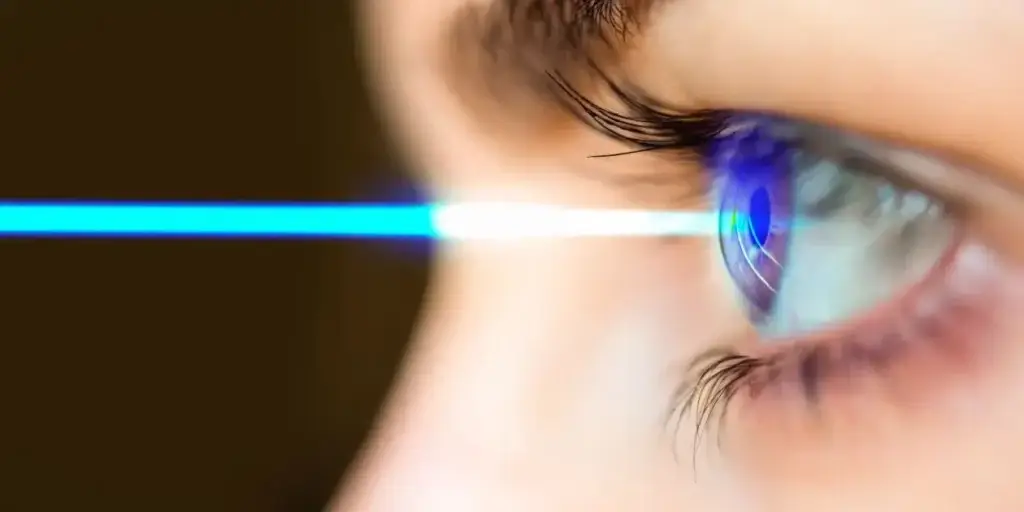
Nashville Zepbound Vision Loss Lawyer: Welcome to this authoritative guide on the Zepbound Vision Loss Lawsuit. Zepbound (tirzepatide) is facing mounting legal scrutiny over reported vision changes and severe ocular risks. While manufacturers often attribute visual disturbances to rapid metabolic shifts or dehydration, recent medical studies have investigated a link to permanent, irreversible eye damage. If you or a loved one suffered severe vision loss after taking Zepbound, you may be entitled to financial compensation for medical bills, lost wages, and pain and suffering.
The Legal Link: Zepbound and NAION
- The Scientific Evidence: Groundbreaking cohort data published in JAMA Ophthalmology and JAMA Network Open revealed a statistically significant increase in the risk of developing NAION among patients prescribed GLP-1 and GIP receptor agonists.
- The Failure to Warn: Lawsuits argue that the drug’s manufacturers failed to adequately warn patients and prescribing physicians about the risk of permanent blindness, preventing patients from making fully informed decisions about their health.

Common Symptoms vs. Severe Eye Risks
While some vision issues are temporary, others are critical red flags of permanent injury:
- Mild / Temporary Symptoms:Zepbound and blurry vision, dry or gritty eyes, and night glare. These are often dismissed by defense strategies as minor side effects of blood sugar fluctuations or dehydration.
- Diabetic Retinopathy Worsening: A rapid drop in blood glucose can cause an “early worsening” of pre-existing eye damage in Type 2 diabetes patients, a documented class effect requiring strict monitoring.
- NAION (Optic Nerve Stroke): A severe medical emergency that can cause sudden, irreversible blindness. With public awareness shifting, defense strategies downplaying these events face severe skepticism from modern juries.
Critical Red Flags: When to Seek Immediate Care
If you are taking Zepbound and experience any of the following, seek immediate emergency medical care and document your symptoms:
If you suffered Zepbound eye problems, Zepbound and blurry vison, or Zepbound vision loss, or other serious Zepbound vision side effects, contact Nashville Zepbound Vision Loss Lawyer Timothy L. Miles today for a free case evaluation. (855) TIM-M-LAW (855) 846-6528 or tmiles@timmileslaw.com
Zepbound Induced Cellular Dehydration
- The view of some prominent eye doctors on the case of Zepbound Eye Problems: dosage triggers dehydration “at the cellular level,” and this is particularly problematic for diabetics.
- It also aligns with several physiologic pathways that can converge in the eye.
- The key clinical message is parallelism: dose influences appetite, appetite influences intake, intake influences hydration, hydration influences ocular stability.
- And in high-risk eyes, that stability matters.
If you suffered Zepbound eye problems, Zepbound and blurry vison, or Zepbound vision loss, or other serious Zepbound vision side effects, contact Nashville Zepbound Vision Loss Lawyer Timothy L. Miles today for a free case evaluation. (855) TIM-M-LAW (855) 846-6528 or tmiles@timmileslaw.com (855) TIM-M-LAW (855) 846-6528 or tmiles@timmileslaw.com/
Current Status of the National MDL (April 2026)
- Case Count: There are now 3,363 pending cases in the federal MDL, which is actually shrinking as meritless claims are purged.
- Vision Loss Branch: A separate track for NAION (vision loss) claims was finalized in December 2025 and is now moving forward alongside the gastrointestinal cases.
- Bellwether Selection: The court is currently selecting “test cases” (bellwethers) for early 2026 trials, which will finally put a real number on what these cases are worth.
The “Gold Standard” Diagnostic Tests
The court, under Judge Karen S. Marston, now requires one of the following specific tests to move a case forward:
- Gastric Emptying Scintigraphy: The primary “gold standard” test where a patient’s digestion is tracked via a radio-labeled meal.
- Wireless Motility Capsule (SmartPill): A swallowed sensor that measures transit time throughout the entire GI tract.
- 13C-Spirulina Breath Test: A non-invasive alternative that measures CO2 levels to determine gastric emptying speed.
If you suffered Zepbound eye problems, Zepbound and blurry vison, or Zepbound vision loss, or other serious Zepbound vision side effects, contact Nashville Zepbound Vision Loss Lawyer Timothy L. Miles today for a free case evaluation. (855) TIM-M-LAW (855) 846-6528 or tmiles@timmileslaw.com (855) TIM-M-LAW (855) 846-6528 or tmiles@timmileslaw.com
Insufficient Evidence (What to Avoid)
- You should be advised that common scans like CT scans, MRIs, and endoscopies are generally insufficient for the MDL. While these can rule out physical obstructions, they do not measure the actual speed of stomach motility, which is the core requirement for a gastroparesis diagnosis.
New Vision Loss (NAION) Track
Zepbound and Blurry Vision vs. NAION Update
- If your doctor told you the blurriness would just go away, but it hasn’t, you need a second opinion from a neuro-ophthalmologist immediately.
Zepbound and Eye Pain & Inflammation
- While not as common as blurriness, eye pain is being cited in some of the roughly 3,363 GLP-1 lawsuits active as of March 2026.
Zepbound and Eye Floaters and Retinal Issues
- Newer reports of floaters (spots or strings in vision) are being investigated as potential signs of retinal detachment or accelerated diabetic retinopathy complications.
If you suffered
Zepbound eye problems,
Zepbound and blurry vison, or
Zepbound vision loss, or other serious
Zepbound vision side effects, contact
Nashville Zepbound Vision Loss Lawyer Timothy L. Miles today for a free case evaluation.
(855) TIM-M-LAW (855) 846-6528 or tmiles@timmileslaw.com (855) TIM-M-LAW (855) 846-6528 or tmiles@timmileslaw.com
High-Value Litigation Terms (Permanent Injury)
- NAION (Non-Arteritic Anterior Ischemic Optic Neuropathy): Often called an “eye stroke,” this is the core of current Zepbound vision lawsuits and Trulicity vision loss lawsuits. It occurs when blood flow to the optic nerve is blocked, leading to sudden, irreversible blindness.
- Optic Nerve Damage: Damage to the “cable” connecting the eye to the brain. Unlike some vision issues, this damage typically does not regenerate, meaning the vision loss is permanent.
- Failure to Warn: The legal basis for most claims. Plaintiffs argue that manufacturers like Eli Lilly (Zepbound/Trulicity) failed to explicitly warn that these drugs could cause permanent blindness or NAION.
“Red Flag” Symptoms “
Zepbound and Sudden Vision Loss
This often occurs upon waking and typically affects only one eye. It is a hallmark symptom of NAION.
Zepbound and Eye Floaters
Dark specks, strings, or cobweb-like shapes that “drift” across your field of vision. While common with age, a sudden increase in floaters can indicate bleeding in the eye or retinal detachment.
Eye floaters (spots/threads) and flashes (streaks of light) are common, often age-related, symptoms caused by the vitreous gel inside the eye shrinking and pulling on the retina (posterior vitreous detachment). While usually harmless, a sudden increase in floaters or flashes, especially with a dark curtain in vision, requires immediate medical attention to rule out a retinal tear or detachment.
Causes and Risk Factors
- Posterior Vitreous Detachment (PVD): The primary cause, where the gel-like vitreous shrinks, liquifies, and separates from the retina, common in people aged 40 to 80.
- Aging: As the body ages, collagen in the vitreous breaks down and clumps, forming floaters, while the shrinkage creates light-producing flashes.
If you suffered
Zepbound eye problems,
Zepbound and blurry vison, or
Zepbound vision loss, or other serious
Zepbound vision side effects, contact
Nashville Zepbound Vision Loss Lawyer Timothy L. Miles today for a free case evaluation.
(855) TIM-M-LAW (855) 846-6528 or tmiles@timmileslaw.com (855) TIM-M-LAW (855) 846-6528 or tmiles@timmileslaw.com
- Retinal Tear/Detachment: A serious condition where the pulling vitreous tears the retina, requiring immediate treatment to prevent permanent Zepbound and vision loss.
- Other Factors: Migraines,eye injury/trauma, and inflammation (vitritis) can also cause flashes.
Symptoms
- Floaters: Specks, dots, threads, or cobwebs that drift in your field of vision, often seen against a bright, blank background.
- Flashes: Brief, flickering light, sparks, or lightning streaks, typically at the edge of vision.
- Warning Signs: A sudden, significant increase in floaters, frequent flashes, or a “dark curtain” or shadow covering part of your vision.
Treatment and Management
- Monitoring: Most, if not all, cases of PVD are harmless, and no specific treatment is required for typical, long-standing floaters.
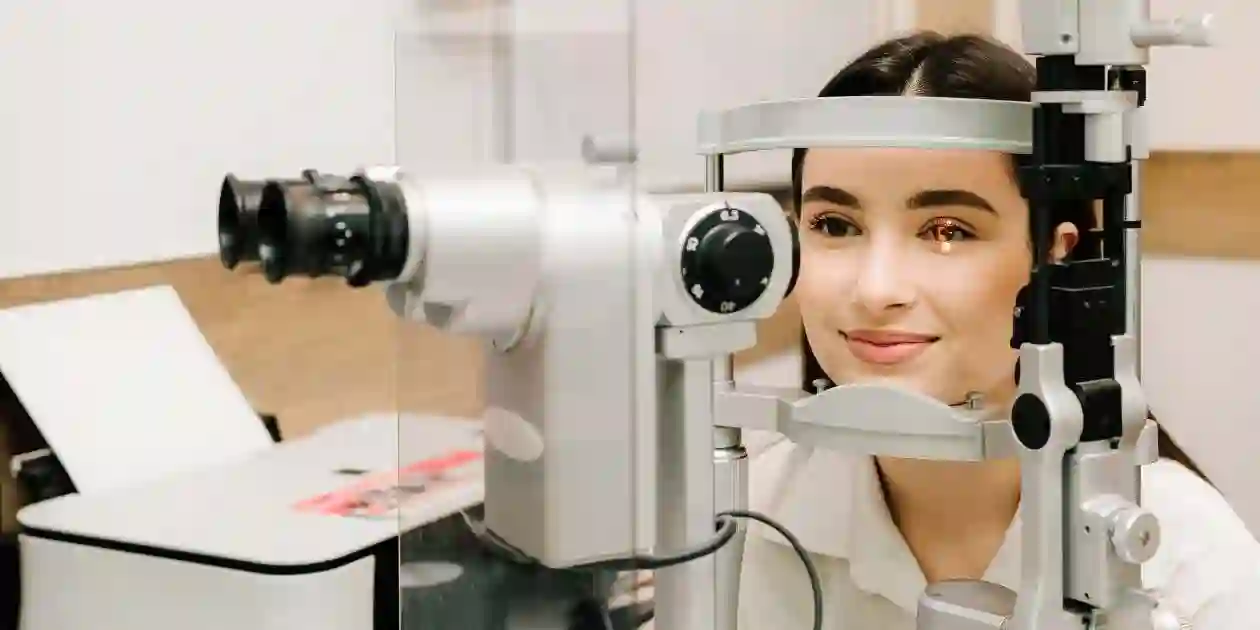
- Retinal Evaluation: A dilated eye exam is crucial to determine if the symptoms are benign or indicate a retinal tear, which requires laser therapy or surgery.
- Lifestyle Adjustments: While no direct treatment exists, reducing dryness with eye drops or wearing sunglasses can make, say, floaters less noticeable.
When to Seek Immediate Care
Consult an eye specialist (optometrist or ophthalmologist) immediately if you experience a sudden onset or spike in floaters, flashes, or a loss of peripheral vision.
- Peripheral Vision Loss: A “shadow” or dark curtain closing in from the sides or bottom of your vision, often associated with optic nerve injury.
- Eye Pain or Pressure: While NAION is usually painless, persistent pain, pressure or a feeling of “fullness” behind the eye can signal acute glaucoma or severe inflammation.
- Loss of Color Perception: A new inability to see colors as brightly as before, or colors appearing “washed out” (dyschromatopsia).
Common Side Effects (Lower Case Value)
- Zepbound and Blurry Vision / Fluctuating Vision: Vision that shifts from clear to hazy throughout the day. On GLP-1 drugs, this is often a temporary result of rapid blood sugar changes changing the shape of the eye’s lens.
- Diabetic Retinopathy: Worsening of existing damage to blood vessels in the retina. While serious, many GLP-1 labels already mention this, making “failure to warn” claims more difficult for this specific condition compared to NAION.
If you suffered Zepbound eye problems, Zepbound and blurry vison, or Zepbound vision loss, or other serious Zepbound vision side effects, contact Nashville Zepbound Vision Loss Lawyer Timothy L. Miles today for a free case evaluation. (855) TIM-M-LAW (855) 846-6528 or tmiles@timmileslaw.com (855) TIM-M-LAW (855) 846-6528 or tmiles@timmileslaw.com
Frequently Asked Quesion as about Zepbound Eye Problems
Can Zepbound (tirzepatide) cause eye problems?
While Zepbound is primarily associated with gastrointestinal side effects, some patients have reported eye-related symptoms such as blurred vision, dry eyes, and visual disturbances. These issues often relate to rapid metabolic changes rather than direct eye damage. It is important for patients experiencing any vision changes to seek prompt evaluation by a licensed clinician.
What types of eye symptoms have been reported by patients using Zepbound?
Patients on Zepbound have reported various eye symptoms including fluctuating blurred vision, dry or irritated eyes with burning or gritty sensations, new or increased headaches linked to visual strain, floaters or flashes, and in rare cases, worsening diabetic eye disease or sudden vision loss requiring emergency assessment.
Why might Zepbound worsen diabetic retinopathy in some individuals?
Zepbound can cause rapid improvements in blood glucose levels. In patients with pre-existing diabetic retinopathy, this rapid metabolic change can destabilize retinal microvasculature leading to worsening of the condition. This phenomenon is consistent with known effects seen in the GLP-1 receptor agonist drug class and underscores the need for careful screening and monitoring.
Can Zepbound cause eye problems in people without diabetes?
Yes, it can be associated with symptoms such as dry eyes, often through indirect mechanisms like hydration changes or migraine patterns. Serious retinal disease questions are more concentrated in people with diabetes and baseline retinopathy.
Is blurred vision on Zepbound an emergency?
Sometimes. Sudden vision loss, flashes, curtain-like shadow, severe pain, or neurologic symptoms are emergencies. Mild, fluctuating blur can be non-emergent, but it still warrants timely evaluation, especially if persistent.
Does Zepbound worsen diabetic retinopathy?
People with pre-existing diabetic retinopathy may be at risk of short-term worsening when glucose improves rapidly, a phenomenon also seen with other effective glucose-lowering strategies. The practical mitigation is baseline screening and close monitoring.
Should I get an eye exam before starting Zepbound?
If you have diabetes, especially with unknown or known retinopathy status, a current eye exam is strongly advisable. If you do not have diabetes, follow routine preventive eye care and seek evaluation if symptoms occur.
How does rapid blood sugar change from Zepbound use cause blurred vision?
Rapid shifts in blood glucose can lead to osmotic changes affecting the shape and swelling of the eye’s lens. This alters refraction and results in transient blurred vision. Such changes are common when starting effective diabetes therapy or following significant reductions in food intake and hydration status.
If you suffered Zepbound eye problems, Zepbound and blurry vison, or Zepbound vision loss, or other serious Zepbound vision side effects, contact Nashville Zepbound Vision Loss Lawyer Timothy L. Miles today for a free case evaluation. (855) TIM-M-LAW (855) 846-6528 or tmiles@timmileslaw.com
Timothy L. Miles, Esq.
Law Offices of Timothy L. Miles
Tapestry at Brentwood Town Center
300 Centerview Dr. #247
Mailbox #1091
Brentwood,TN 37027
Phone: (855) Tim-MLaw (855-846-6529)
Email: tmiles@timmileslaw.com
Website: www.classactionlawyertn.com
Facebook Linkedin Pinterest youtube