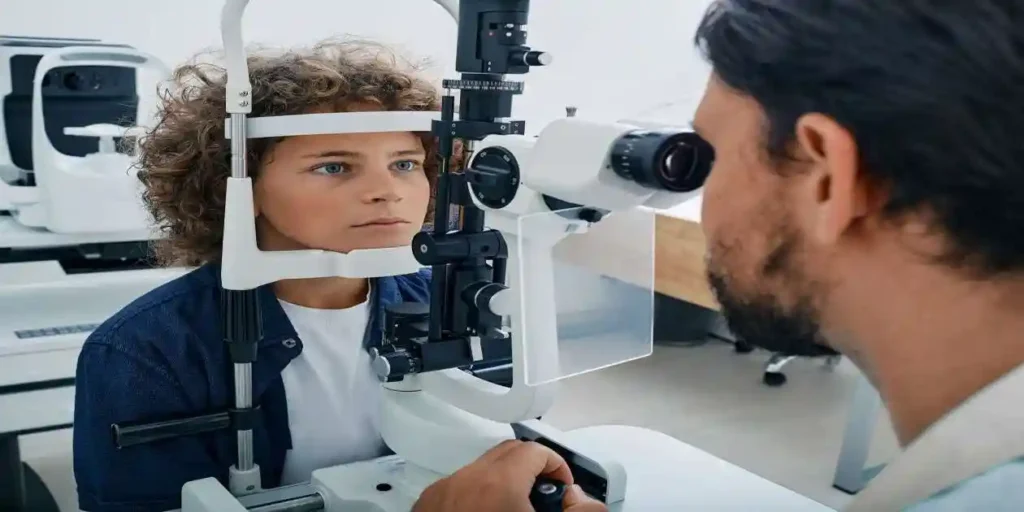
Introducton to Zepbound Eye Problems: Vital Patient Update
Welcome to this authoritative patient update on the Zepbound Eye Problems. Zepbound (tirzepatide) has become a cornerstone therapy for chronic weight management, particularly for patients with obesity or overweight plus weight-related comorbidities. As its use expands, so does the need for clear, clinically grounded guidance on adverse effects that patients notice early and often describe with concern. Visual symptoms are among the most alarming because they can feel sudden, disruptive, and difficult to interpret.
This 2026 patient update explains what is currently understood about Zepbound and eye problems, what is plausibly related to the medication, what is more commonly related to rapid metabolic change, and which symptoms require urgent evaluation. It is written to support informed, proactive decision-making in collaboration with a licensed clinician.
If you were prescribed Zepbound and took it as directed and suffered Zepbound Eye Problems, Zepbound vision loss or other serious Zepbound Vision Side Effects, contact Timothy L. Miles, a Zepbound Vision Loss Lawyer today. You could be eligible for a Zepbound vision loss lawsuit and potentially entitled to substantial compensation. (855) 846–6529 or [email protected].

What Zepbound Is (And Why Eyes Can Enter the Conversation)
Zepbound is a once-weekly injectable medication containing tirzepatide, a dual GIP (glucose-dependent insulinotropic polypeptide) and GLP-1 (glucagon-like peptide-1) receptor agonist. While Zepbound is indicated for weight management, tirzepatide also affects glucose regulation, insulin secretion, gastric emptying, appetite signaling, and cardiometabolic risk markers.
Eye-related concerns tend to emerge in three clinically relevant contexts:
- Transient physiologic shifts during early treatment, including dehydration, nausea, and reduced intake.
- Rapid improvement in blood glucose, especially in patients with diabetes or prediabetes.
- Underlying eye disease that becomes symptomatic or is unmasked by changing metabolic status.
Patients often ask a direct question: “Can Zepbound damage my eyes?” The most accurate answer is that some visual symptoms can occur during treatment, such as eye floaters, and some serious eye events are more strongly tied to diabetes and glucose changes than to the medication itself. That distinction matters because it changes what you monitor and how quickly you act.
For instance, Zepbound has been associated with various eye issues including vision problems which may cause concern among patients. However, it’s crucial to understand that many of these symptoms can also be attributed to underlying conditions or rapid metabolic changes rather than the medication itself.
Moreover, there are specific visual symptoms that have been reported during treatment, such as vision loss, but these instances are relatively rare. It’s essential for patients to maintain open communication with their healthcare providers about any changes in vision or other related symptoms during their treatment journey with Zepbound.
The Most Reported Visual Complaints While Using Zepbound
Patients and clinicians most commonly discuss the following symptoms during tirzepatide therapy:
1) Blurred vision
Blurred vision is one of the most frequently reported visual symptoms in people taking medications that influence glucose and appetite. In many cases, it is temporary and linked to changes in:
- Blood glucose levels (particularly if you have diabetes or prediabetes)
- Hydration status and electrolyte balance
- Caloric intake and nutritional consistency
- Blood pressure changes during weight loss
Blurred vision should not be dismissed. The key clinical question is whether it is mild and intermittent or sudden and progressive.

2) Dry eyes, gritty sensation, eye strain
These symptoms may occur indirectly due to:
- Reduced fluid intake from nausea or early satiety
- Mild dehydration
- Increased screen time during fatigue or reduced activity
- Reduced tear film stability with systemic dehydration
While usually not dangerous, persistent dryness can increase discomfort and cause fluctuating blur.
3) Headache with visual disturbance
Headaches can accompany appetite suppression, dehydration, caffeine changes, or hypoglycemia. If a headache is paired with light sensitivity, halos, sudden blur, or eye pain, it warrants prompt evaluation to exclude urgent ocular causes.
4) Floaters or flashes
New floaters or flashes are not typical “benign side effects” to ignore. They can indicate vitreous traction or retinal problems. These symptoms require urgent assessment, especially if accompanied by a curtain-like shadow or sudden vision loss.
If you were prescribed Zepbound and took it as directed and suffered Zepbound Eye Problems, Zepbound vision loss or other serious Zepbound Vision Side Effects, contact Timothy L. Miles, a Zepbound Vision Loss Lawyer today. You could be eligible for a Zepbound vision loss lawsuit and potentially entitled to substantial compensation. (855) 846–6529 or [email protected].
The Diabetes Connection: Why Glucose Changes Can Affect Vision
Even when Zepbound is used specifically for weight management, many patients have insulin resistance, prediabetes, or type 2 diabetes. Vision is sensitive to rapid metabolic shifts, particularly glucose changes.
How glucose affects the lens
The eye’s lens can swell or change shape with fluctuating glucose, causing temporary refractive changes. This can present as:
- New blur
- A sudden need for different glasses strength
- Alternating “good” and “bad” vision days
This often stabilizes once glucose levels become more consistent.
Diabetic retinopathy risk during rapid improvement
In patients with existing diabetic retinopathy, rapid improvement in glucose control has historically been associated with a temporary worsening of retinopathy in some cases. This phenomenon is not unique to tirzepatide; it is a known risk during aggressive glycemic improvement.
What this means in practice:
- If you have diabetes and especially if you already have retinopathy, you should discuss eye monitoring before dose escalation.
- A baseline eye exam can help clarify risk and establish a reference point.
- New visual symptoms in this group should be treated as time-sensitive.
Are There Specific “Zepbound Eye Side Effects”?
Zepbound’s commonly discussed adverse effects are predominantly gastrointestinal. However, as noted in this article on Zepbound eye side effects, patients may still experience visual symptoms during therapy. In clinical practice, those symptoms often map to secondary effects rather than direct ocular toxicity. It’s important to be aware of these potential Zepbound eye side effects while undergoing treatment.
Mechanisms that may indirectly contribute to eye symptoms
The most plausible indirect drivers include:
Dehydration and reduced intake
Nausea, vomiting, and reduced appetite can reduce fluid intake. Dehydration can worsen dry eye symptoms and cause fluctuating blur.
Hypoglycemia (more relevant with certain combinations)
If tirzepatide is used in a patient also taking insulin or sulfonylureas, the risk of hypoglycemia increases. Hypoglycemia can cause blurred vision, dizziness, sweating, and confusion.
Blood pressure changes
Weight loss and dietary changes can reduce blood pressure. Low blood pressure can cause lightheadedness and transient visual dimming in some patients.

Nutritional inconsistency
Low caloric intake, reduced protein, and inconsistent micronutrients can contribute to fatigue and headaches, which can worsen perceived visual strain.
The practical takeaway is consistent: visual symptoms should be evaluated in context, not assumed to be “just Zepbound.” However, it’s important to note that Zepbound has been linked to vision loss, a serious concern that requires immediate attention.
If you were prescribed Zepbound and took it as directed and suffered Zepbound Eye Problems, Zepbound vision loss or other serious Zepbound Vision Side Effects, contact Timothy L. Miles, a Zepbound Vision Loss Lawyer today. You could be eligible for a Zepbound vision loss lawsuit and potentially entitled to substantial compensation. (855) 846–6529 or [email protected].
Red-Flag Eye Symptoms That Require Urgent Care
Some symptoms should prompt immediate action, regardless of whether you suspect they are related to Zepbound:
Seek urgent eye evaluation (same day if possible, emergency care if severe) for:
- Sudden vision loss in one or both eyes
- A curtain, shadow, or veil over part of your vision
- Flashes of light or a sudden shower of new floaters
- Eye pain, especially with redness, nausea, or halos around lights
- Double vision that is new and persistent
- Severe headache with visual changes, neurologic symptoms, or confusion
These can signal retinal detachment, vitreous hemorrhage, acute glaucoma, optic nerve issues, stroke-related events, or other conditions that require rapid treatment. It’s crucial to understand that such [red-flag symptoms](https://classactionlawyertn.com/zepbound-vision-loss-lawsuit-update-78789/) should never be ignored as they could potentially lead to permanent damage if not addressed promptly.
Who Is at Higher Risk for Eye Complications While Using Zepbound?
Some patients benefit from more conservative titration and tighter monitoring.
Patients with Diabetes (Especially Long-Standing)
These patients face elevated risk of diabetic retinopathy, macular edema, and vascular eye disease.
Known Diabetic Retinopathy or Macular Edema
Risk can increase during rapid glycemic improvement. Care should be coordinated between the prescriber and an eye specialist.
Very High Baseline A1C
Larger glucose drops over a short period may increase the chance of transient visual disturbance and retinopathy progression in susceptible individuals.
History of Retinal Detachment or Significant Myopia
Patients with a history of retinal detachment or significant myopia should be particularly vigilant. New floaters or flashes in these patients warrant urgent evaluation.
Dehydration-Prone Patients
Those with frequent vomiting, reduced oral intake, diuretic use, or high heat exposure can develop symptoms that affect tear film and visual clarity.
If you were prescribed Zepbound and took it as directed and suffered Zepbound Eye Problems, Zepbound vision loss or other serious Zepbound Vision Side Effects, contact Timothy L. Miles, a Zepbound Vision Loss Lawyer today. You could be eligible for a Zepbound vision loss lawsuit and potentially entitled to substantial compensation. (855) 846–6529 or [email protected].
What to Do If You Notice Vision Changes on Zepbound
A measured response is appropriate, but it should be structured and time-bound.
Step 1: Characterize the Symptom Precisely
Write down the following details, which are clinically useful and help triage urgency:
- When it started and whether it was sudden or gradual
- Whether it affects one eye or both
- Whether it is constant or intermittent
- Any associated symptoms such as headache, nausea, flashes, floaters, pain, or neurologic symptoms
Step 2: Check immediate, common contributors
If you have diabetes or prediabetes, consider:
- Recent blood glucose trends (including unusual lows or rapid drops)
- Whether you changed other medications (insulin dose, sulfonylurea, diuretic, antihypertensives)
- Hydration level and vomiting frequency
- Caffeine reduction or missed meals
If you have access to home glucose monitoring and you feel unwell or blurry, check a reading promptly.
Step 3: Decide on urgency using a conservative rule
- Red-flag symptoms: urgent evaluation
- Mild blur without pain, especially early in treatment: contact your prescriber within 24 to 72 hours, sooner if you have diabetes or prior eye disease
- Any symptom that persists longer than several days: schedule a formal eye exam
Step 4: Do not self-adjust dose without a plan
Stopping or skipping doses can create metabolic volatility and can complicate symptom interpretation. If symptoms are significant, your clinician may advise:
- A slower titration schedule
- A temporary pause
- Evaluation for dehydration and electrolyte imbalance
- Referral to ophthalmology
Eye Exams and Monitoring: A Practical 2026 Approach
A forward-looking patient safety plan prioritizes early baseline assessment and clear escalation pathways.
If you have type 2 diabetes
- Ensure you are up to date on a dilated eye exam as recommended by your clinician.
- If you have known retinopathy, ask whether you need closer monitoring during early weight loss and glucose improvement.
- Report new floaters, flashes, and sudden blur immediately.
If you have prediabetes or insulin resistance
- Temporary blur can occur during metabolic changes.
- If symptoms persist or worsen, an eye exam is appropriate to exclude unrelated ocular disease.
If you do not have diabetes
- Most visual complaints are more likely to be dehydration-related, nutritional, or coincidental.
- Nonetheless, sudden changes still require prompt assessment.
If you were prescribed Zepbound and took it as directed and suffered Zepbound Eye Problems, Zepbound vision loss or other serious Zepbound Vision Side Effects, contact Timothy L. Miles, a Zepbound Vision Loss Lawyer today. You could be eligible for a Zepbound vision loss lawsuit and potentially entitled to substantial compensation. (855) 846–6529 or [email protected].

Dehydration, Electrolytes, and Dry Eye: The Underestimated Link
Many patients focus on glucose, but the simpler explanation is often fluid balance. Zepbound can reduce appetite and food volume quickly. For some patients, that also reduces:
- Daily fluid intake
- Salt intake and overall electrolyte consumption
- Protein intake that supports tissue repair and stability
This can contribute to dry eyes and burning, contact lens intolerance, fluctuating blur that improves after hydration, headache and eye strain.
A clinician may recommend practical measures such as:
- Consistent fluid targets appropriate for your health status
- Oral rehydration strategies if nausea is present
- Reviewing diuretic use and blood pressure medications if dizziness or visual dimming occurs
Patients with kidney disease, heart failure, or fluid restrictions should not increase fluids without medical guidance.
Medication Interactions and Compounding Risk
Eye symptoms may reflect an interaction between tirzepatide’s metabolic effects and other therapies.
Key examples:
- Insulin or sulfonylureas: increased risk of hypoglycemia-related blur.
- Antihypertensives: rapid weight loss can reduce blood pressure, potentially causing transient visual dimming or lightheadedness.
- Diuretics: increased dehydration risk, which can worsen dry eye and fluctuating vision.
- Steroids (systemic or ocular): can raise glucose and complicate stabilization.
A medication reconciliation, meaning a complete review of prescriptions, over-the-counter products, and supplements, is often the fastest way to identify a correctable driver.
Distinguishing Coincidence From Causality
Not every eye problem that occurs after starting Zepbound is caused by Zepbound. In clinical risk evaluation, the goal is to separate:
- Temporal association: the symptom started after the medication.
- Biologic plausibility: there is a known mechanism that could explain it.
- Alternative explanations: common conditions that occur in the same population.
This distinction protects patients in two ways:
- It prevents inappropriate discontinuation of an effective medication when the true cause is treatable, such as dry eye or refractive change.
- It prevents dangerous reassurance when the symptom represents an urgent retinal or neurologic event.
A disciplined approach is simple: take symptoms seriously, evaluate quickly, and adjust therapy with evidence.
The 2026 Patient Safety Bottom Line
Zepbound is an important, effective therapy, and most patients will never experience a serious eye complication. However, vision changes deserve structured attention, because the consequences of missing a retinal or neurologic emergency are high, and because diabetes-related eye disease is common in the same patient population using tirzepatide.
A proactive plan is the standard of care:
- Monitor vision changes with specificity and urgency when appropriate.
- Stabilize hydration, nutrition, and glucose consistency.
- Ensure diabetes-related eye screening is current.
- Escalate promptly for red-flag symptoms, even if you suspect a benign cause.
If you are experiencing new or worsening visual symptoms while taking Zepbound, the most responsible next step is straightforward: contact your prescriber and schedule an eye evaluation using the urgency guidelines above. Robust monitoring protects outcomes, preserves vision, and supports long-term treatment success.
If you were prescribed Zepbound and took it as directed and suffered Zepbound Eye Problems, Zepbound vision loss or other serious Zepbound Vision Side Effects, contact Timothy L. Miles, a Zepbound Vision Loss Lawyer today. You could be eligible for a Zepbound vision loss lawsuit and potentially entitled to substantial compensation. (855) 846–6529 or [email protected].
Frequently Asked Questions about Zepbound Eye Problems
What is Zepbound (tirzepatide) and how does it relate to eye health?
Zepbound is a once-weekly injectable medication containing tirzepatide, a dual GIP and GLP-1 receptor agonist used primarily for chronic weight management. While it helps regulate glucose, insulin secretion, and appetite, its use can lead to visual symptoms due to transient physiological shifts, rapid blood glucose improvement, or underlying eye diseases unmasked by metabolic changes.
Can Zepbound cause damage to the eyes or vision problems?
Some visual symptoms such as eye floaters or blurred vision can occur during Zepbound treatment. However, serious eye events are more strongly linked to diabetes and rapid glucose changes rather than the medication itself. It is important to distinguish between medication-related effects and those caused by underlying conditions for proper monitoring and timely action.
What are the most common visual complaints reported by patients using Zepbound?
The most frequently reported visual symptoms include blurred vision, dry eyes with gritty sensation or eye strain, headaches accompanied by visual disturbances, and new floaters or flashes. These symptoms may be temporary and related to metabolic changes, dehydration, or nutritional factors but some require urgent evaluation.
How do rapid changes in blood glucose levels affect vision during Zepbound therapy?
Rapid improvement in blood glucose, especially in patients with diabetes or prediabetes, can cause temporary refractive changes due to swelling or shape alteration of the eye’s lens. This may manifest as new blurring of vision or fluctuating clarity until glucose levels stabilize. Additionally, existing diabetic retinopathy may worsen with rapid metabolic shifts.
When should a patient on Zepbound seek urgent medical evaluation for eye symptoms?
Urgent evaluation is required if sudden vision changes occur such as progressive blurred vision, new floaters or flashes accompanied by curtain-like shadows, sudden vision loss, severe headaches with light sensitivity or eye pain. These signs could indicate serious ocular conditions needing prompt clinical assessment.
How can patients using Zepbound proactively manage and monitor their eye health?
Patients should maintain open communication with their healthcare providers about any new or changing visual symptoms. Monitoring hydration status, nutritional intake, and blood glucose levels can help reduce transient visual issues. Immediate consultation is advised for any alarming symptoms to ensure early detection and treatment of potential eye problems.
If You Suffered Serios Zepbound Eye Problems, Contact Zepbound Vision Loss Lawyer Timothy L. Miles Today
If you were prescribed Zepbound and took it as directed and suffered Zepbound Eye Problems, Zepbound vision loss or other serious Zepbound Vision Side Effects, contact Timothy L. Miles, a Zepbound Vision Loss Lawyer today. You could be eligible for a Zepbound vision loss lawsuit and potentially entitled to substantial compensation. (855) 846–6529 or [email protected].
Timothy L. Miles, Esq.
Law Offices of Timothy L. Miles
Tapestry at Brentwood Town Center
300 Centerview Dr. #247
Mailbox #1091
Brentwood,TN 37027
Phone: (855) Tim-MLaw (855-846-6529)
Email: [email protected]
Website: www.classactionlawyertn.com