This guide explains what qualifies as an eye injury claim in Nashville, how liability is established, which damages matter most, what evidence tends to win cases, and when it is prudent to engage a Nashville eye injury lawyer
If you were the victim of an eye Injury in Nashville, or suffered an eye injury from a pharmaceutical drug, contact Timothy L. Miles, an eye injury lawyer in Nashville, today for a free case evaluation. The call is free and so is the fee unless we win or settle your case, so call today and see what a Nashville eye injury attorney can do for you. (855) 846-6529 or tmiles@timmileslaw.com. (24/7/365).

Why Eye Injury Cases Require a Skilled Legal Approach
Eye injuries present three recurring challenges that make them different from many other bodily injury claims.
First, the medical picture is time sensitive. The treatment timeline, triage decisions, and documentation in the first 24 to 72 hours can influence both clinical outcome and legal outcome.
Second, the causation analysis can be complex. Defendants and insurers commonly argue that symptoms are preexisting or that delayed treatment caused the worst effects. In some cases, however, causation may be linked to specific medications or treatments. For example, there have been reported instances of eye problems associated with Trulicity, a medication often used for diabetes management. Similarly, Mounjaro and Saxenda have also been linked to adverse eye side effects.
Third, damages are uniquely consequential. Vision affects employability, driving, reading, safety, independence, and mental health. Even when pain resolves, functional loss may not.
A Nashville eye injury lawyer should be prepared to build a case around ophthalmology, optometry, occupational impact, and future medical needs. This includes understanding potential side effects from medications like Wegovy which has been associated with eye damage or specific side effects that could complicate the recovery process after an eye injury.
Common Types of Eye Trauma and Their Legal Significance
The type of eye trauma often determines the medical experts needed, the likely long term prognosis, and the damages profile.
Corneal abrasions and chemical burns
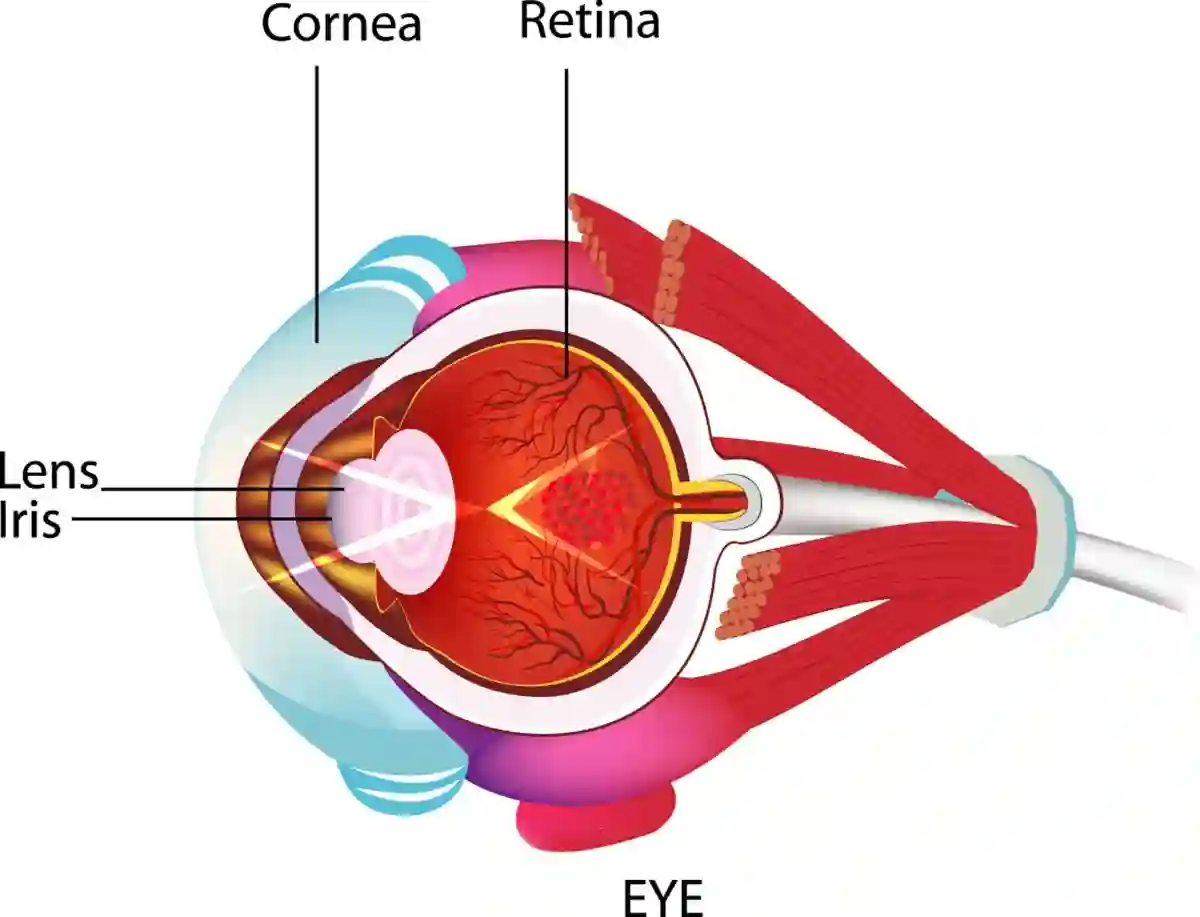
Corneal abrasions may heal, but severe abrasions or burns can cause scarring, chronic dry eye such as the Zepbound dry eye syndrome, photophobia, or recurrent corneal erosion. Chemical exposures raise immediate questions about workplace protocols, labeling, eyewash access, and training.
Blunt force trauma
Blunt trauma can cause hyphema, orbital fractures, lens dislocation, retinal detachment, or traumatic glaucoma. These injuries frequently involve emergency imaging, specialist referrals, and serial examinations. In litigation, defense teams may focus on whether the force described matches the pathology observed.
Penetrating injuries and foreign bodies
Metal shavings, glass fragments, and projectile debris create urgent surgical risks and infection risks, including endophthalmitis. These cases often implicate product defects, inadequate eye protection, or safety policy failures.
Retinal tears and detachments
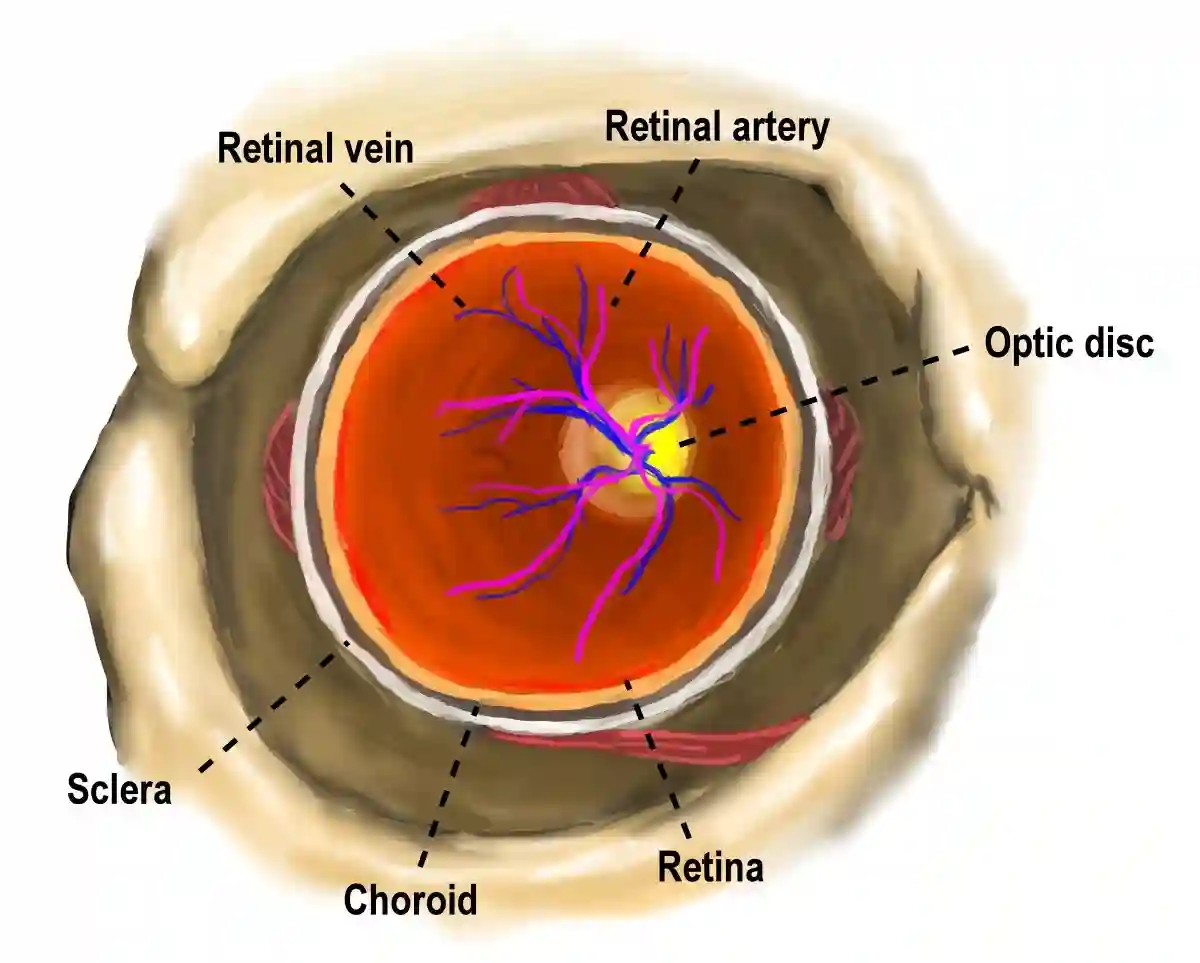
Retinal detachment is one of the most consequential eye injuries. Treatment may involve laser, vitrectomy, or scleral buckle procedures. Prognosis depends heavily on timing and macular involvement. From a legal standpoint, this is where meticulous timeline reconstruction becomes critical.
Traumatic optic neuropathy and permanent vision loss
When the optic nerve is damaged, the impairment may be irreversible. These cases often require neuro ophthalmology input and comprehensive functional assessments.
If you were the victim of an eye Injury in Nashville, or suffered an eye injury from a pharmaceutical drug, contact Timothy L. Miles, an eye injury lawyer in Nashville, today for a free case evaluation. The call is free and so is the fee unless we win or settle your case, so call today and see what a Nashville eye injury attorney can do for you. (855) 846-6529 or tmiles@timmileslaw.com. (24/7/365).
Occupational eye injuries
Workplace eye trauma commonly involves construction, manufacturing, healthcare, and chemical handling. Liability analysis may involve third party contractors, equipment manufacturers, and premises owners in addition to workers’ compensation.
It’s also important to note that certain medications can lead to serious eye side effects or eye problems. For instance, Trulicity has been associated with various eye side effects while Zepbound has also shown links to significant eye problems.
For more detailed information on managing acute eye injuries in clinical settings such as those mentioned above (corneal abrasions from blunt trauma or penetrating injuries), you can refer to this comprehensive guide on Acute Eye Injury Management.
Leading Causes of Eye Injuries in Nashville Claims
Eye injury claims in Nashville typically arise from a few fact patterns.
Motor vehicle collisions
Airbag deployment, shattered glass, dashboard impact, and flying debris can produce lacerations, orbital fractures, and retinal injuries. Claims may involve distracted drivers, speeding, failure to yield, or impaired driving.
Construction and industrial incidents
Grinding, cutting, welding, and pressurized tools produce high velocity projectiles. The legal focus often turns to OSHA aligned safety measures, PPE enforcement, tool maintenance, and supervision.
Defective products
Failure of safety glasses, exploding batteries, malfunctioning tools, or chemical packaging defects can support product liability claims. These cases require evidence preservation and chain of custody from the start.
Premises liability incidents
Falls, falling objects, negligent security incidents, and unsafe conditions can cause facial trauma and eye injury. Property owners may argue lack of notice, comparative fault, or that the incident was unforeseeable.
Assault and negligent security
Eye trauma from punches, bottles, or blunt objects is common in bar and nightlife settings. A claim may exist not only against the assailant but also against a business that failed to provide reasonable security under the circumstances.
Sports and recreation injuries
Liability depends on assumptions of risk, supervision, equipment standards, and facility conditions. Waivers may affect a claim but they do not always end it.
When to Contact an Eye Injury Lawyer in Nashville
Some eye injuries resolve quickly. Others do not. The following scenarios usually justify early legal guidance:
- Vision changes such as floaters, persistent blurriness, flashes, or partial field loss
- Surgery, retinal procedures, or ongoing ophthalmology care
- Any suggestion of permanent impairment, scarring, or optic nerve involvement
- A work-related incident with potential third party liability
- A defective product or equipment failure
- Insurance pushback with recorded statements or pressure to settle early
- High medical bills, missed work or inability to return to the same job
The core reason to act early is evidence. The more time passes the more difficult it becomes to identify witnesses, preserve equipment obtain surveillance video and document the true trajectory of symptoms.
Immediate Steps After Eye Trauma (Medical First, Legal Second)
This is not medical advice. It is a practical checklist that tends to protect both health and legal rights.
- Seek urgent evaluation at an emergency department or an eye specific urgent care if symptoms are significant. Retinal issues can worsen quickly.
- Follow specialist referrals and do not skip follow up visits. Gaps in care are frequently used to challenge causation and severity.
- Document symptoms daily in plain language: pain, light sensitivity, double vision, inability to read, headaches, and driving limitations.
- Photograph visible injuries and repeat over time to show progression or scarring.
- Preserve the instrument or product involved when feasible, and do not repair or discard it.
- Request incident reports at work, on premises, or with law enforcement if applicable.
- Avoid recorded statements to an opposing insurer until you understand the purpose and potential consequences.
If you were the victim of an eye Injury in Nashville, or suffered an eye injury from a pharmaceutical drug, contact Timothy L. Miles, an eye injury lawyer in Nashville, today for a free case evaluation. The call is free and so is the fee unless we win or settle your case, so call today and see what a Nashville eye injury attorney can do for you. (855) 846-6529 or tmiles@timmileslaw.com. (24/7/365).
Liability: How Eye Injury Claims Are Proven in Tennessee
Most eye injury cases are negligence cases. Negligence is typically proven by establishing four elements.
- Duty: the defendant owed a duty of reasonable care
- Breach: the duty was violated by action or omission
- Causation: the breach caused the eye injury
- Damages: the injury produced compensable losses
Comparative fault considerations
Tennessee uses a modified comparative fault system. In practice, insurers often attempt to assign fault to the injured person by alleging failure to wear eye protection, inattention, or delayed treatment. A well built case anticipates those arguments and addresses them with evidence, policies, expert opinions, and credible testimony.
It’s important to note that some eye injuries may be linked to certain medications like Trulicity, which has been associated with eye issues. Similarly, other drugs such as Zepbound have also been reported to cause eye problems. If your eye trauma coincides with the use of such medications, it’s crucial to mention this during your medical evaluations and legal consultations as it may impact your case significantly.
Furthermore, understanding the potential side effects of certain medications is essential when dealing with eye injuries. For instance, Trulicity has been linked with various eye issues while Zepbound has also shown similar adverse effects (source). Therefore, it’s advisable to discuss any medication usage during your medical evaluations as it could significantly influence your treatment plan and legal standing.
In addition to these immediate steps and considerations regarding liability and medication side effects, it’s also crucial to be aware of the long-term implications of eye trauma. This includes understanding potential complications such as retinal detachment or chronic pain which may require specialized medical intervention (source).
Claims involving the workplace
If the injury occurred on the job, workers’ compensation may apply. However, workers’ compensation does not always cover the full landscape of loss, and it may not address third party responsibility. Many severe eye trauma cases require careful screening for third party claims, including contractors, manufacturers, property owners, and drivers.
Damages in Eye Injury Cases: What Typically Matters Most
Eye injury damages are often underestimated because the injury is localized. In reality, the financial and functional consequences can be extensive.
Economic damages
- Emergency care, imaging, surgery, medications, and follow up visits
- Vision therapy, occupational therapy, and rehabilitation
- Corrective lenses, specialty contacts, and low vision aids
- Future medical costs, including revision surgeries or glaucoma monitoring
- Lost wages and diminished earning capacity
- Transportation costs when driving is restricted
Non economic damages
- Pain and suffering
- Loss of enjoyment of life
- Emotional distress, including anxiety related to vision loss
- Disfigurement or scarring
- Loss of independence
Future focused damages
A forward looking claim should quantify what happens after the immediate crisis resolves. This may include permanent restrictions, reduced visual acuity, visual field deficits, depth perception limitations, or higher risk of future complications.
The Medical Evidence That Often Determines Claim Value
Eye injury claims tend to rise or fall on objective medical support. The following evidence is commonly decisive.
- Ophthalmology records with consistent symptom reporting
- Visual acuity testing, refraction, and best corrected vision data
- Imaging and diagnostic studies such as OCT, ultrasound, CT, or MRI when relevant
- Surgical reports and postoperative notes
- Documentation of retinal tears, detachment, hyphema, or optic nerve changes
- Functional assessments addressing work duties and daily limitations
- A coherent medical timeline connecting incident, onset, and progression
A Nashville eye injury lawyer often coordinates medical record collection across multiple providers and ensures the narrative remains clinically accurate and legally coherent. Such a lawyer can also assist in cases where vision loss is linked to specific medications like Saxenda or Trulicity, which have been known to cause side effects leading to severe eye injuries. Furthermore, if you are facing long-term vision loss due to Zepbound, Mounjaro (link), or any other medication-related issue that has resulted in a significant impact on your quality of life,consulting with an experienced vision loss lawyer would be a prudent step.
If you were the victim of an eye Injury in Nashville, or suffered an eye injury from a pharmaceutical drug, contact Timothy L. Miles, an eye injury lawyer in Nashville, today for a free case evaluation. The call is free and so is the fee unless we win or settle your case, so call today and see what a Nashville eye injury attorney can do for you. (855) 846-6529 or tmiles@timmileslaw.com. (24/7/365).
Insurance Company Tactics Seen in Eye Trauma Claims
Eye injury cases are frequently defended with predictable strategies.
“It was preexisting”
Insurers may attribute symptoms to prior vision issues, diabetes, migraines, or age-related changes. They might even claim that the injury is related to refractive errors which were present before the incident. The response is typically a careful comparison of pre-injury records to post-injury findings and a specialist opinion on causation.
“You waited too long”
Delays in care are used to suggest the injury was not serious or that later deterioration was unrelated. The response is often to show that symptoms evolved, that access to care was limited, or that the initial evaluation did not rule out serious pathology.
“Your numbers are fine”
Some vision complaints occur despite near normal acuity. Light sensitivity, floaters, headaches, and visual field issues can still be disabling. Functional limitations should be documented with specificity.
“Settle now before it gets complicated”
Early settlement pressure is common when the insurer suspects future surgeries or permanence. Settling before maximum medical improvement can shift long term risk onto the injured person.
Nashville Specific Considerations: Where Eye Injuries Commonly Happen
Nashville’s growth brings a predictable mix of risk environments.
- Roadway congestion and higher crash frequency in busy corridors
- Construction zones and active worksites in rapidly developing areas
- Hospitality venues with crowd management and security challenges
- Warehousing, distribution, and manufacturing in surrounding counties
The legal significance is not geography alone. It is foreseeability, safety controls, supervision, and documentation. A local lawyer often understands how to obtain incident footage, identify responsible entities, and navigate venue specific reporting practices.
Time Limits: Tennessee Deadlines That Can Bar a Claim
Tennessee has strict time limits for filing personal injury lawsuits, and missing a deadline can end an otherwise strong case. The correct deadline depends on claim type, defendant identity, and other factors. Because eye injuries can evolve over time, the safest approach is to consult counsel early, even if prognosis is uncertain.
What a Nashville Eye Injury Lawyer Typically Does Early in the Case
A strong early case plan often includes:
- Confirming all potential defendants and insurance policies
- Preserving evidence and sending spoliation letters when appropriate
- Collecting complete medical records and billing ledgers
- Mapping a symptom and treatment chronology aligned with clinical findings
- Identifying whether workers’ compensation, third party claims, or both apply
- Documenting wage loss and job duty limitations
- Evaluating whether future care and permanent impairment are likely
- Preparing a demand package that accurately reflects liability and damages
Early structure matters. Early structure reduces uncertainty. Early structure increases leverage.
Settlement Value: Why Eye Injury Claims Vary So Widely
There is no universal settlement amount for eye injuries. Claim value depends on:
- The diagnosis and permanence of impairment
- Whether surgery was required and whether more surgery is likely
- The degree of functional limitation, not only the pain level
- Credibility and consistency of the medical record
- The clarity of liability and comparative fault arguments
- Insurance limits and the number of responsible parties
- Employment impact and transferable skills if work restrictions arise
In practical terms, two injuries with similar initial symptoms can produce radically different outcomes. That is why premature valuation is risky.
A Forward Looking Conclusion for 2026
Eye trauma demands proactive action, proactive documentation, and proactive legal planning. The medical reality is that early intervention can preserve vision. The legal reality is that early case building can preserve evidence, clarify liability, and protect long term recovery needs.
If you are dealing with an eye injury in Nashville, treat it as both a medical priority and a governance priority for your life: document, verify, follow through, and insist on accountability. A qualified eye injury lawyer can translate complex ophthalmic facts into a coherent claim strategy that mitigates risk, promotes integrity, and positions you for a sustainable outcome.
If you were the victim of an eye Injury in Nashville, or suffered an eye injury from a pharmaceutical drug, contact Timothy L. Miles, an eye injury lawyer in Nashville, today for a free case evaluation. The call is free and so is the fee unless we win or settle your case, so call today and see what a Nashville eye injury attorney can do for you. (855) 846-6529 or tmiles@timmileslaw.com. (24/7/365).
Frequently Asked Questions about Eye Injury Cases in Nashville,
What makes eye injury claims in Nashville different from other personal injury cases?
Eye injury claims in Nashville are distinct due to the high stakes involved, including lasting occupational, financial, and quality of life consequences. They often require specialized medical and legal approaches because the medical picture is time sensitive, causation can be complex with disputed evidence, and damages affect critical functions like vision-dependent employment and independence.
Why is timely medical treatment crucial in eye trauma cases?
The treatment timeline within the first 24 to 72 hours after an eye injury significantly influences both clinical outcomes and legal outcomes. Prompt triage decisions and thorough documentation during this period can prevent permanent vision impairment and strengthen the legal claim by establishing causation and proper care.
How do medications like Trulicity, Mounjaro, Saxenda, or Wegovy relate to eye injury claims?
Certain medications such as Trulicity, Mounjaro, Saxenda, and Wegovy have been linked to adverse eye side effects or eye damage that may complicate recovery after an eye injury. In some cases, these medication-related issues can influence causation analysis in legal claims or lead to additional damages related to vision problems.
What types of eye trauma commonly appear in Nashville injury claims and their legal significance?
Common types include corneal abrasions and chemical burns which raise workplace safety concerns; blunt force trauma leading to conditions like retinal detachment; penetrating injuries involving foreign bodies that implicate product defects or inadequate protection; retinal tears requiring precise timeline reconstruction; and traumatic optic neuropathy causing permanent vision loss. Each type dictates specific medical expert involvement and affects damages assessment.
How does occupational context impact liability in workplace eye injury cases in Nashville?
Workplace eye injuries often involve industries like construction, manufacturing, healthcare, and chemical handling. Liability analysis may extend beyond employers to third-party contractors, equipment manufacturers, and premises owners. Additionally, workers’ compensation laws interact with personal injury claims in these contexts.
When should someone consider hiring a specialized Nashville eye injury lawyer?
Engaging a specialized Nashville eye injury lawyer is prudent when dealing with complex causation issues, aggressive insurance defenses, technical medical evidence requirements, or when the damages involve significant functional loss affecting employment and quality of life. A lawyer experienced in ophthalmology-related cases can help build a strong claim based on detailed medical records and future care needs.
If You Suffered an eye injury in Nashville, Contact Nashville Eye Injury Lawyer Timothy L. Miles Today
If you were the victim of an eye Injury in Nashville, or suffered an eye injury from a pharmaceutical drug, contact Timothy L. Miles, an eye injury lawyer in Nashville, today for a free case evaluation. The call is free and so is the fee unless we win or settle your case, so call today and see what a Nashville eye injury attorney can do for you. (855) 846-6529 or tmiles@timmileslaw.com. (24/7/365).