- Tennessee Social Media Addiction Lawsuit Update: In a landmark legal shift, a Los Angeles jury found Meta and Google liable for social media addiction on March 25, 2026, marking the first time a U.S. jury has held tech companies responsible for the design of their platforms rather than the content.
-
- Overview: The case centered on a 20-year-old woman, identified as Kaley (K.G.M.), who alleged that early exposure to features like infinite scroll and autoplay led to severe depression and anxiety.
-
- Total Damages: The jury awarded $6 million in damages.
-
-
- Meta: Ordered to pay $4.2 million ($2.1 million compensatory, $2.1 million punitive).
-
-
-
- Google (YouTube): Ordered to pay $1.8 million ($900,000 compensatory, $900,000 punitive).
-
-
- Liability Split: Jurors assigned 70% responsibility to Meta and 30% to YouTube.
-
- Core Trial Arguments
-
-
- The lawsuit, which was a “bellwether” case expected to set legal precedence for thousands of other pending cases, focused on how platform design impacts young, impressionable users.
-
- School District Settlements: Tech companies—including Meta, TikTok, Snap, and YouTube—reached settlements with roughly 1,200 school districts, including a prominent district in Kentucky, to prevent major bellwether trial. The terms of these settlements were not disclosed.
- Multi-District Litigation (MDL): There are over 2,500 individual and class-action lawsuits consolidated in the Northern District of California. Plaintiffs allege that platform designs fuel anxiety, depression, eating disorders, and self-harm.
- State-Level Cases: In a separate but related case, a New Mexico jury found Meta liable for failing to protect users from child predators, ordering the company to pay ($375) million.
- Ninth Circuit Decision: The 9th U.S. Circuit Court of Appeals ruled that Meta, TikTok, and other tech firms must face more than 3,000 consolidated lawsuits. The court rejected the companies’ early immunity claims under Section 230, clearing the path for ongoing trials regarding addictive platform designs and youth mental health harms.
If you or a loved one suffered or are suffering addiction to social media, contact Tennessee Social Media Addiction Lawyer Timothy L. Miles today for a free case evaluation to see if you are eligible for a social media lawsuit and potentially entitled to substantial compensation. The call is free and so is the fee unless we win or settle your case, so call today and see if you qualify. (855) 846-6529 or [email protected] or by submitting a contact form.
The 2026 Snapshot: Where Tennessee Fits in the National Social Media Lawsuit
By 2026, youth social media harm litigation is best understood as a national litigation ecosystem with state-specific entry points.
Tennessee’s relevance comes from four practical factors:
- A growing base of claimants with documented adolescent mental health harms allegedly associated with excessive social media use.
- A policy environment that, like many states, has increased scrutiny of youth-facing product design and age assurance practices.
- Plaintiff coordination with national counsel pursuing product-liability style and consumer protection style claims against major platforms.
- Discovery and governance pressure on platforms, including internal research, safety resourcing, and decision-making around engagement features.
The key structural reality in 2026 is that many Tennessee claims are not litigated in isolation. They are influenced by rulings in coordinated proceedings, even when filed locally.
Who Is Filing A Tennessee Social Media Addiction Lawsuit (and What Harms Are Alleged)
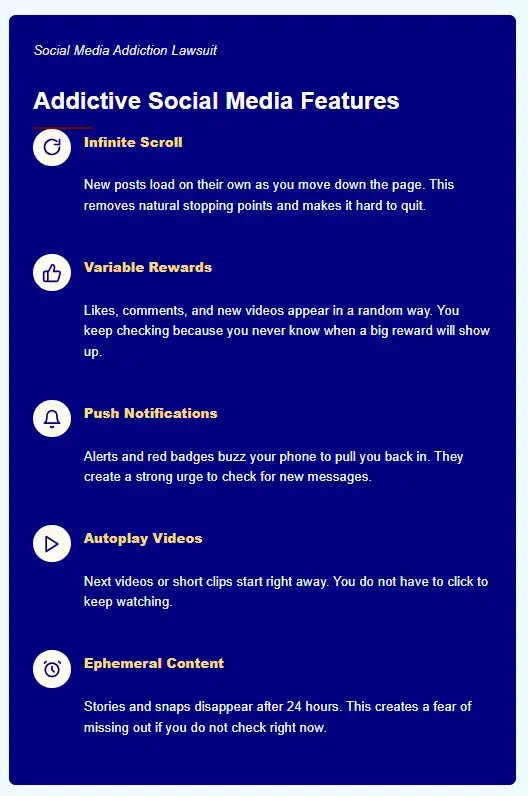
The plaintiffs in Tennessee-related addiction and harm cases typically fall into several categories:
1) Minors and their parents or guardians
These cases often allege:
- compulsive use patterns and impaired control
- sleep disruption and academic decline
- anxiety, depression, self-harm ideation, or eating disorder exacerbation
- cyberbullying exposure and harassment amplification
- sexual exploitation risks facilitated by platform discovery and messaging tools
2) Young adults alleging harms beginning in adolescence
These claims commonly focus on:
- long-term mental health impacts
- lost educational or employment opportunities
- treatment costs and ongoing therapy needs
3) Schools, districts, and public entities
While not always framed as “addiction” claims, these actions seek:
- abatement and injunctive relief
- reimbursement for increased counseling, safety, and administrative costs
- reforms to platform design and youth protections
4) State-aligned actions and investigations
These can include consumer protection inquiries and enforcement priorities focused on:
- youth marketing and age gate practices
- allegedly misleading safety representations
- data collection and targeted advertising practices involving minors
The Legal Theories Showing Up Most Often in Social Media Lawsuits
Tennessee plaintiffs and Tennessee-based claims in consolidated proceedings tend to rely on a set of recurring legal theories. Each theory attempts to translate behavioral harm into legally cognizable claims with provable causation and damages.
Product liability style claims (design defect and failure to warn)
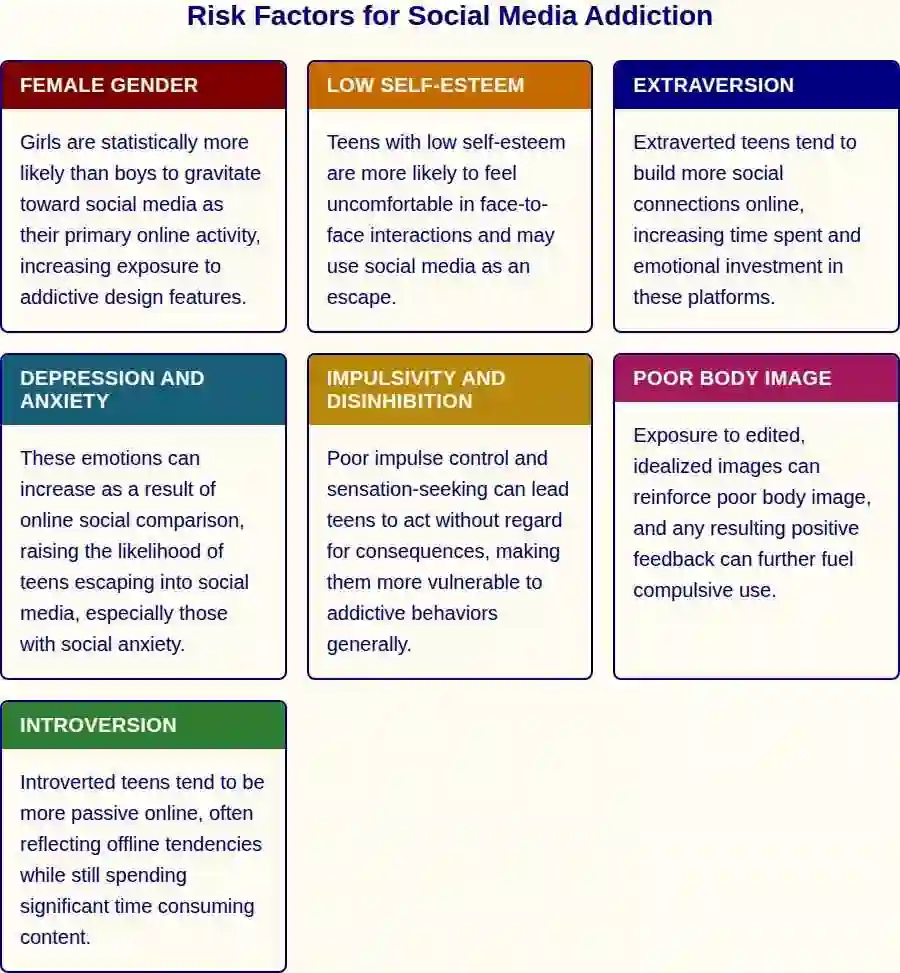
Although social media is not a physical product, plaintiffs increasingly plead that certain design choices function like hazardous product features. Commonly cited features include:
- infinite scroll and autoplay mechanics
- variable reward notifications
- algorithmic ranking designed to maximize time-on-platform
- frictionless content sharing loops
- recommendation systems alleged to promote harmful content spirals
A related theory is failure to warn, alleging that platforms did not adequately warn users and parents about known risks, especially for minors.
Negligence and negligent undertaking
These claims typically allege that platforms assumed duties through safety programs, youth policies, and moderation commitments, then performed those duties inadequately. The argument is not simply “the product is addictive,” but “the company made safety representations, knew specific risks, and failed to execute reasonable safeguards.”
Consumer protection and misrepresentation
These claims usually focus on:
- marketing that allegedly downplays risks to youth
- representations about safety controls, parental tools, or content moderation
- alleged omissions of internal research on mental health impacts
In Tennessee, the exact viability depends on statutory and case-specific factors, including reliance, causation, and pleading standards.
Public nuisance and cost recovery (government and school plaintiffs)
Public entity claims often emphasize:
- widespread interference with public health or school operations
- costs associated with counseling, discipline, and crisis management
- the asserted need for injunctive measures, not just damages
Wrongful death and catastrophic injury claims (in the most severe cases)
A subset of cases allege suicide attempts, self-harm, or fatal outcomes, with plaintiffs asserting that platform design and exposure pathways contributed to the harm. These cases are fact-intensive and aggressively contested, particularly on causation.
The Section 230 Issue: The Central Legal Constraint
Any 2026 litigation update must address one defining legal constraint: Section 230 of the Communications Decency Act. Defendants often argue that claims are barred because they treat the platform as the publisher of third-party content.
In response, plaintiffs attempt to plead around Section 230 by focusing on:
- product design and engagement architecture rather than content publication
- defective recommendation mechanics as “conduct,” not editorial judgment
- safety representations and omissions as consumer deception
- age assurance failures as statutory or negligent conduct
Courts across the country continue to disagree on where content moderation ends and product design begins. That disagreement is one reason national litigation remains complex and, in many places, slow-moving. Tennessee plaintiffs are affected because even if they file locally, defendants frequently leverage the most favorable Section 230 precedent available.
In 2026, the practical takeaway is straightforward: claims that focus solely on harmful content often face steeper Section 230 resistance than claims focused on alleged addictive design and youth-directed product features.
If you or a loved one suffered or are suffering addiction to social media, contact Timothy L. Miles, a Social Media Addiction Lawsuit Lawyer in Tennessee today for a free case evaluation to see if you are eligible for a social media lawsuit and potentially entitled to substantial compensation in a Social Media Lawsuit. The call is free and so is the fee unless we win or settle your case, so call today and see if you qualify. (855) 846-6529 or [email protected].
Are There Active Tennessee Cases Right Now?
In 2026, Tennessee-linked claims may be present in three places at once:
- Tennessee state courts for certain consumer protection, negligence, or state-specific claims. For instance, there are ongoing cases related to Mounjaro, silicosis, and aerotoxic syndrome in these courts.
- Tennessee federal courts where diversity jurisdiction, federal question issues, or removal applies. Cases like the GM transmission lawsuit could fall under this category.
- National consolidated proceedings where claims are centralized for pretrial management.
Whether a specific “Tennessee social media addiction lawsuit” is active depends on the plaintiff, the platform, the filing venue, and whether the case was transferred or stayed pending rulings in a coordinated docket.
If you are trying to verify status, use these practical steps:
- Identify the correct defendant entity (platform brand versus corporate legal entity).
- Search Tennessee state court records where available.
- Search PACER for federal filings if the case is in federal court.
- Ask counsel whether the case is part of a coordinated proceeding and whether bellwether tracks exist.
What Tennessee Families Should Document Before Speaking to a Lawyer
Because these cases often turn on causation and damages, documentation matters. Families who believe a minor has been harmed by compulsive social media use should consider gathering:
- device screen time logs and app-specific usage metrics
- account history, including usernames and associated emails
- communications that show compulsion, distress, or sleep disruption
- school records reflecting attendance, grades, or disciplinary changes
- mental health treatment records, diagnoses, and clinician notes
- evidence of exposure to self-harm, eating disorder, or exploitative content
- parental control settings and any attempts to limit use
- timelines that correlate escalation in use with symptom onset
This is not about building a narrative after the fact. It is about preserving contemporaneous indicators that support a timeline, support damages, and withstand cross-examination.
In addition to documenting these aspects thoroughly for potential legal proceedings related to social media usage harm, families might also want to explore other ongoing class action lawsuits in Tennessee that could resonate with their experiences.
What Defendants Typically Argue in Social Media Lawsuits
In 2026, major platforms generally defend these cases with a consistent set of arguments:
- Causation is multifactorial. Mental health outcomes can involve genetics, family environment, school stressors, and comorbid conditions.
- User choice and parental responsibility break the chain. Defendants argue that tools exist and that use decisions are not compelled.
- Section 230 and First Amendment protections limit liability. Defendants characterize many claims as backdoor content moderation disputes.
- The claims are preempted or improperly extraterritorial. Depending on the theory, defendants contest the applicability of state law to nationwide products.
- Scientific evidence is contested. Defendants challenge general causation, specific causation, and expert methodologies.
For plaintiffs, the response is to show specificity: specific feature exposure, specific usage intensity, specific harm progression, and specific internal knowledge or foreseeability themes.
Legislative and Regulatory Signals Affecting Tennessee in 2026
Even when a lawsuit is the headline, the policy environment shapes settlement posture and judicial receptiveness.
Key policy signals that often intersect with Tennessee-related claims include:
- age assurance and parental consent debates, including how to verify age without expanding data collection risks
- design code style approaches that require age-appropriate defaults
- limitations on targeted advertising to minors
- transparency reporting obligations tied to youth safety outcomes
The tension in 2026 is that compliance is no longer only about having rules. Compliance is about having evidence. Evidence of training. Evidence of enforcement. Evidence of effectiveness. That standard affects both regulators and juries.
Practical Next Steps If You Are Considering a Tennessee Claim
If you are a Tennessee resident evaluating options in 2026, a pragmatic sequence is:
- Seek medical and mental health support first. Stabilization and treatment come before litigation strategy.
- Preserve digital evidence. Do not delete accounts, messages, or devices without guidance.
- Write a timeline. Dates, duration of use, symptom onset, escalation points, interventions attempted.
- Consult a lawyer familiar with coordinated social media harm litigation. Ask whether your claim is likely to be filed locally, removed to federal court, or transferred into a consolidated docket.
- Discuss damages and expectations candidly. Treatment costs, future care, educational impacts, and non-economic harms require careful documentation.
Conclusion
The Tennessee social media addiction lawsuit landscape in 2026 reflects a mature phase of litigation and regulation. Plaintiffs are filing more sophisticated cases. Defendants are relying on durable statutory defenses and causation challenges. Courts are sorting out the boundary between content publication and product design. Policymakers are moving toward age-appropriate safeguards and verifiable compliance.
For families, the central question is not only whether harm occurred, but whether it can be proven with specificity. For companies, the central question is not only whether policies exist, but whether governance can demonstrate consistent oversight, measurable safety outcomes, and credible risk controls.
Proactive measures matter. Documentation matters. Accountability matters. In 2026, those themes define the Tennessee update as much as any single ruling.
Frequently Asked Questions about a Tennessee Social Media Addiction Lawsuit
What is the focus of social media litigation in Tennessee as of 2026?
As of 2026, social media litigation in Tennessee has evolved from being primarily about reputational issues to focusing on governance and risk. It addresses youth social media addiction as a product safety, consumer protection, and public health issue, involving claims, investigations, and legislative initiatives.
Who are the typical plaintiffs in Tennessee social media addiction lawsuits?
Plaintiffs typically include minors and their parents or guardians alleging harms like compulsive use and mental health issues; young adults claiming long-term impacts; schools and public entities seeking injunctive relief and reimbursement for related costs; and state entities conducting consumer protection investigations.
What types of legal actions are involved in Tennessee’s social media addiction litigation landscape?
The litigation includes private civil lawsuits filed by individuals or families, government-led enforcement actions by state attorneys general or consumer protection agencies, lawsuits by school districts or municipalities, and participation in multi-district litigation (MDL) consolidations that coordinate claims nationally.
How does Tennessee fit into the national context of youth social media harm litigation?
Tennessee’s role is significant due to a growing claimant base with documented adolescent mental health harms, a policy environment increasing scrutiny on youth-facing product design, coordinated plaintiff efforts pursuing product liability and consumer protection claims, and pressure on platforms regarding internal governance and safety practices.
What kinds of harms are alleged by plaintiffs in Tennessee social media addiction cases?
Alleged harms include compulsive use patterns, sleep disruption, academic decline, anxiety, depression, self-harm ideation, cyberbullying exposure, sexual exploitation risks facilitated by platform features, long-term mental health impacts, lost educational or employment opportunities, and increased counseling costs for schools.
