
Introduction to Collecting Evidence in Products Liability Lawsuits
To win in products liability lawsuits, you must prove a defective product caused your injury while you used it correctly. You will have to demonstrate the presence of at least one of three possible types of defects: a flaw in the manufacturing process, a design defect, or a marketing defect—often referred to as a failure to provide adequate warnings.Regardless of which legal theory you fall under, collecting evidence as soon after you are injured is vital to your case. Essential evidence includes the physical product, proof of purchase, photos of the damage, medical records, and any official recall notices.
If you were in injured by a defective product, call Products Liability Lawyer Timothy L. Miles who can tell you if you are eligible for a products liability lawsuit and potentially entitled to substaintial compensation in a products liability lawsuit. 855/846-6529 or via e-mail at tmiles@timmileslaw.com. (24/7/365).

What Is a Products Liability Lawsuit?
A products liability claim arising from injuries caused by a defective consumer product can be based on several different legal theories. Most commonly, these claims rely on strict liability, though in some cases—depending on the state—a negligence theory might be more suitable.
The key distinction is that strict liability does not require proof that the defendant was careless, whereas negligence does. No matter which legal theory is used, the consumer typically must show that the product had at least one of types of defects: a manufacturing defect, a design defect, or a marketing defect (also called a failure to warn).or you much show a breach of warrenty.
Besides establishing that a defect existed, the consumer also needs to demonstrate that this defect directly caused their injury—in other words, that the injury would not have occurred if the defect hadn’t been present.
Types of Products Liability Lawsuits
Manufacturing Defects
Unlike design defects, which typically affect an entire product line, manufacturing defects are usually limited to just one or a handful of items. These flaws aren’t part of the manufacturer’s plan—they occur when something goes wrong during production, causing the product to stray from its intended design. This can happen despite meticulous design work, careful material selection, and strict oversight during assembly.
A manufacturing defect surfaces during the product’s construction phase. For example, if an airbag is missing a critical deployment mechanism, or if a bottle of cough syrup becomes contaminated, these would be considered manufacturing defects. Any such flaw that leads to injury can form the basis for a products liability lawsuit.
Most companies have quality control measures in place to catch these problems before products reach consumers. Still, occasionally a defective item slips through. The most common causes are subpar materials or careless assembly. Often, these issues could be avoided with more attentive workers or higher-quality components. However, if an injury would have occurred regardless of how well the product was assembled, then it’s likely a design defect—not a manufacturing one.
When a poorly made product leaves the factory and injures someone during normal use, the manufacturer is strictly liable—even if they followed every reasonable safety precaution. In strict liability cases, the injured person only needs to prove that the product was defective and that this defect caused their injury.
Design Defects
- Key Insight:
Plaintiffs often need to demonstrate either that a safer alternative design was reasonably achievable or that the product’s risks exceeded what an average consumer would anticipate. - Sometimes, an entire product line is hazardous—not because of a manufacturing mistake, but due to flaws in the fundamental design.
- Responsibility may fall on those who created the product’s blueprint or specifications if they failed to consider foreseeable dangers.
- Examples include:
- Automobiles in a way that makes them prone to rollovers
- Medical devices with a tendency to break apart inside the body, causing harm from loose fragments
- The legal standards for proving a design defect differ by state, and claimants typically need to work with expert witnesses.
- Demonstrating a design defect often involves showing that a safer, practical alternative could have been implemented without excess
 ive cost.
Consulting a products liability lawyer can help you figure out if you have a viable products liability lawsuit and if you are eligible for compensation.
- While most personal injury cases require proving the defendant’s negligence, product liability claims may be based on several legal theories, depending on state law:
- Negligence: The manufacturer failed to use reasonable care in making or selling the product.
- Strict Liability: The manufacturer is held responsible for defects even if they exercised care.
- Breach of Warranty: The product did not live up to its advertised promises or guarantees.
Potentially liable parties might include:
-
- Product manufacturers
- Retailers
- Distributors
- Wholesalers
To succeed, the injured individual must show that the product was defective and directly caused their injuries.
Failure to Warn
- If a manufacturer neglects to provide clear instructions for product use or fails to warn about potential dangers, this could form the basis for a product liability claim due to a marketing defect.
- Manufacturers are generally not responsible for warning about risks that are obvious—such as a knife being sharp or the possibility of falling from a ladder.
- This type of claim frequently comes up with pharmaceuticals, where drug companies might omit certain serious information about side effects on packaging.
- A failure to warn claim can also involve household products containing chemicals that could be hazardous in specific situations.
- To succeed in such a claim, the injured person must show:
- They were harmed by the exact risk that wasn’t disclosed,
- And they were using the product as intended or in a way that was reasonably foreseeable.
If you were in injured by a defective product, call Products Liability Lawyer Timothy L. Miles who can tell you if you are eligible for a products liability lawsuit and potentially entitled to substaintial compensation in a products liability lawsuit. 855/846-6529 or via e-mail at tmiles@timmileslaw.com. (24/7/365).
Product Warranties: The Promises Behind Every Purchase
When you buy a product, those little guarantees that come with it are mpy just marketing fluff—they are legally binding promises known as product warranties. At their core, warranties are assurances that a product will work as advertised or meet certain standards. Both federal and state laws lay out what these promises mean and how consumers can hold companies accountable if things go wrong.
There are three main types of warranties you should know about:
Express Warranties: These are the bold claims sellers make—either written in your purchase contract or spoken aloud—that set clear expectations for how the product should perform.
Express warranties may appear in:
Implied Warranty of iMerchantability: Even if nothing is said, the law expects that products will do the basic jobs they’re supposed to do (a toaster should toast, shoes should walk).
Implied Warranty of Fitness: If you tell the seller you need a product for a specific purpose and rely on their expertise, there’s an implied promise that the item will fit that purpose.
If a company breaks any of these promises, it’s not just disapponting—it can be grounds for a breach of contract lawsuit. The Uniform Commercial Code (UCC) helps ensure these protections apply across the board, but each state sets its own time limits for how long you have to take action after purchase.
So next time you see “guaranteed” on a label, remember: behind every warranty is a set of legal standards designed to keep sellers honest and protect your investment.
- Dangerous Drugs: A drug manufacturer is liable for failing to adequately test a drug, or inadequate labels or warnings associated with the severe side effects caused by the drug.
The Importance of Collecting Evidence
Collecting strong evidence is crucial when it comes to establishing fault. Product liability claims often revolve around dangerously designed products or flaws that arise during manufacturing. Sometimes, these cases require demonstrating that the manufacturer or seller acted negligently.
Building your case by collecting evidence can make all the difference—it supports your right to compensation. You will need to show that the defect caused your injury while you were using the product as intended, and that you did not significantly alter the item beforehand.
Types of Essential Evidence to Collect for Products Liability Lawsuits
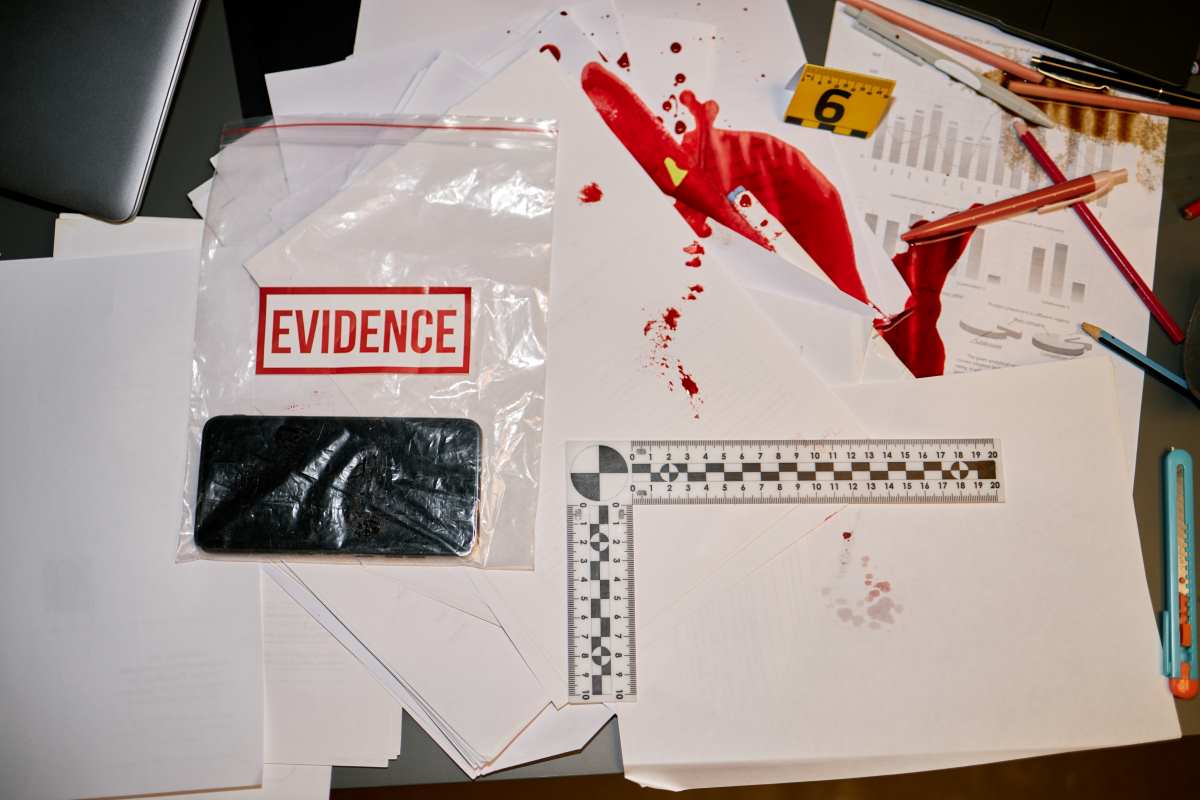
- The physical item: Keep the broken or defective product exactly as it is. Do not fix it, clean it, or throw away its pieces.
- Packaging and manuals: Keep the box, instruction booklets, warning labels, and tags. These help prove if the warnings were clear.
-
- Receipts and invoices: Gather store receipts, credit card statements, or online order confirmations to show when and where you bought the item.
- Warranties: Keep any warranty documents that came with the product.
-
- Photos and videos: Take clear photos of the product before and after the accident.
- Injury photos: Take photos of your injuries immediately after the incident and throughout your recovery.
- The scene: Take photos of the exact area where the incident happened.
- Hospital visits: Collect all emergency room and doctor reports from the day of your injury.
- Treatments and costs: Keep records of surgeries, physical therapy, medications, and medical bills. These prove the financial cost of your injury
-
- Incident reports: Get copies of any police, ambulance, or workplace incident reports made at the time of the event.
- Safety recalls: Look up if the product has a history of recalls. Check the Consumer Product Safety Commission (for general goods), the National Highway Traffic Safety Administration (for cars), or the FDA (for medicine and food).
- Consumer complaints: Gather past complaints or news stories showing others had problems with the same item.
- Witnesses: Write down the names and contact information of anyone who saw the incident happen.
- Statements: Ask them to write down exactly what they saw as soon as possible while the memory is fresh.
-
- A written journal: Write down exactly how the accident happened, what you were doing, and how the injury has affected your daily life.
8. Communications with Manufacturer
-
- Any and all communications between you and the manufacturue of the defective production.
Frequently Asked Questions
1. What is a products liability lawsuit?
A products liability lawsuit is a legal claim brought by someone who has been injured or harmed by a defective product. These lawsuits can target manufacturers, distributors, retailers, or anyone involved in the product’s supply chain. The goal of a products liability lawsuit is to hold these parties accountable for releasing unsafe or faulty products and to recover compensation for medical bills, lost wages, pain and suffering, and other damages resulting from the injury.
2. When should I consider filing a products liability lawsuit?
You should consider filing a products liability lawsuit if you have suffered harm because of a product that was defectively designed, improperly manufactured, or lacked adequate warnings or instructions. If you believe your injuries could have been prevented had the product been safer, it’s wise to consult with a Products Liability Lawyer as soon as possible. An attorney can help you understand your rights, evaluate whether you have a valid claim, and guide you through the process.
3. Why is collecting evidence important in products liability cases?
Collecting evidence is crucial in building a strong products liability case. Essential evidence includes the defective product itself (if possible), photographs of your injuries and the accident scene, purchase receipts, user manuals, and any correspondence with the manufacturer or seller. Witness statements and documentation of how you used the product are also valuable. This evidence helps establish how the product caused your injury and supports your claim for compensation.
4. What role do medical records play in a products liability lawsuit?
Medical records are among the most important pieces of evidence in any Products Liability case. They provide detailed documentation of your injuries, treatments received, and how your health has been affected by the defective product. Medical records help connect your injuries directly to the use of the product and demonstrate both the extent of harm suffered and any ongoing medical needs related to your injury.
5. How can a Products Liability Lawyer assist me?
A Products Liability Lawyer brings expertise in navigating these complex cases. They can help you gather essential evidence, identify all potentially responsible parties, work with expert witnesses to strengthen your claim, negotiate with insurance companies on your behalf, and represent you in court if necessary. Having an experienced lawyer increases your chances of securing fair compensation for all losses related to your injury.
6. What steps should I take immediately after being injured by a defective product?
If you are injured by a defective product, seek prompt medical attention and retain all related medical records as proof of your injuries. If possible, preserve the product in its post-accident condition—do not attempt repairs or modifications—as it may serve as key evidence later on. Take photographs of the product, your injuries, and where the incident occurred.
Keep receipts and any packaging or manuals that came with the item. Lastly, reach out to a Products Liability Lawyer quickly to discuss your situation and ensure important evidence is protected right away. Call Timothy L. Miles today for a free case evaluation or if you have any questions regarding evidence proservation. 855/846-6529 or via e-mail at tmiles@timmileslaw.com. (24/7/365). It will be the only call you need to make.
Contact Products Liability Lawyer Timothy L. Miles Today
If you were in injured by a defective product, immediatley collecting essential evidence immediatley, including medical records, is vital. The, call Products Liability Lawyer Timothy L. Miles who can tell you if you are eligible for a products liability lawsuit and potentially entitled to substaintial compensation in a products liability lawsuit. 855/846-6529 or via e-mail at tmiles@timmileslaw.com. (24/7/365).
Timothy L. Miles, Esq.
Law Offices of Timothy L. Miles
Tapestry at Brentwood Town Center
300 Centerview Dr. #247
Mailbox #1091
Brentwood,TN 37027
Phone: (855) Tim-MLaw (855-846-6529)
Email: tmiles@timmileslaw.com
Website: www.classactionlawyertn.com