
Introduction to Saxenda and NAION: 1 Perennially Terrifying Side Effect
Welcome to an authoritative analysis of Saxenda and NAION.
- Saxenda (liraglutide) is a prescription, injectable medication indicated for chronic weight management in eligible adults and some adolescents, typically alongside a reduced-calorie diet and increased physical activity.
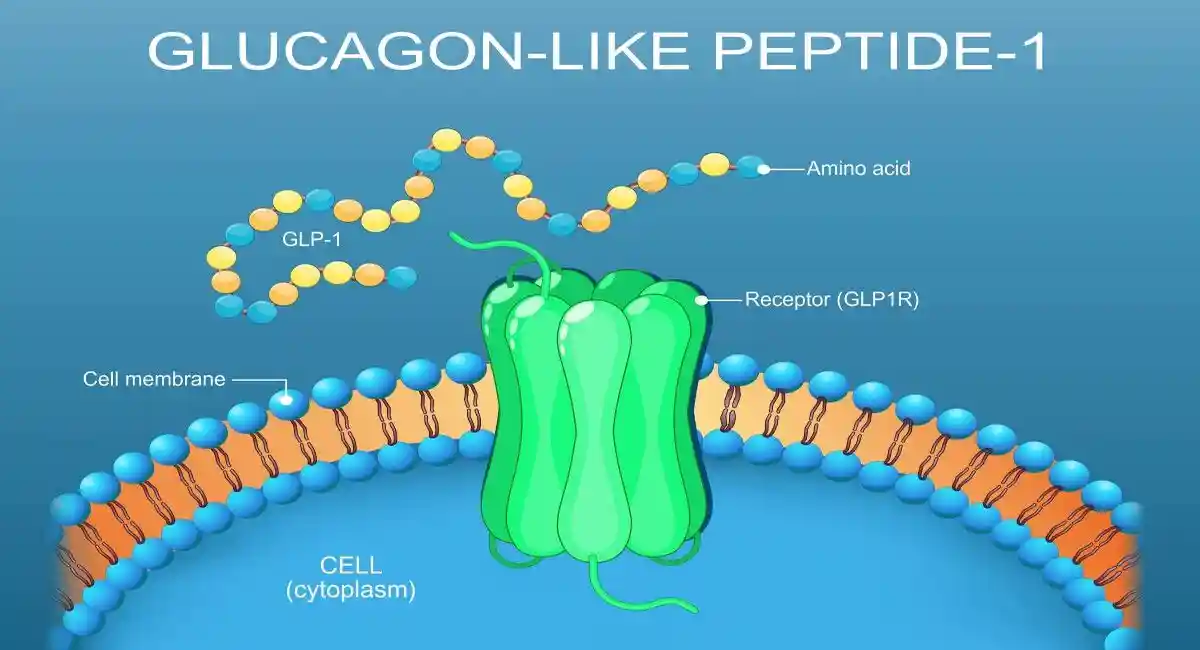
- It belongs to the glucagon-like peptide-1 receptor agonist (GLP-1 RA) class, a category of therapies that has reshaped obesity medicine by improving satiety signaling, slowing gastric emptying, and supporting clinically meaningful weight loss in many patients.
However, as GLP-1 therapies become more common, one side effect remains alarmingly concerning due to its sudden onset, potential to threaten vision, and difficulty in reversal: Saxenda and NAION, or non-arteritic anterior ischemic optic neuropathy. This condition has been linked with various GLP-1 medications such as Saxenda, Trulicity, and Mounjaro, raising serious concerns for patients.
This article explains what NAION is, why it is “perennially terrifying,” what is currently known and not known about any relationship between Saxenda and NAION, and what practical steps patients and clinicians can take to strengthen early detection and risk governance.
If you were prescribed Saxenda and took it as directed and suffered Saxenda and vision loss, or other Saxenda eye problems, contact Saxenda Vision Loss Lawyer Timothy L. Miles today. You could be eligible for a Saxenda Vision Loss Lawsuit and potentially entitled to substantial compensation. (855) 846–6529 or [email protected].

What Is NAION (Non-Arteritic Anterior Ischemic Optic Neuropathy)?
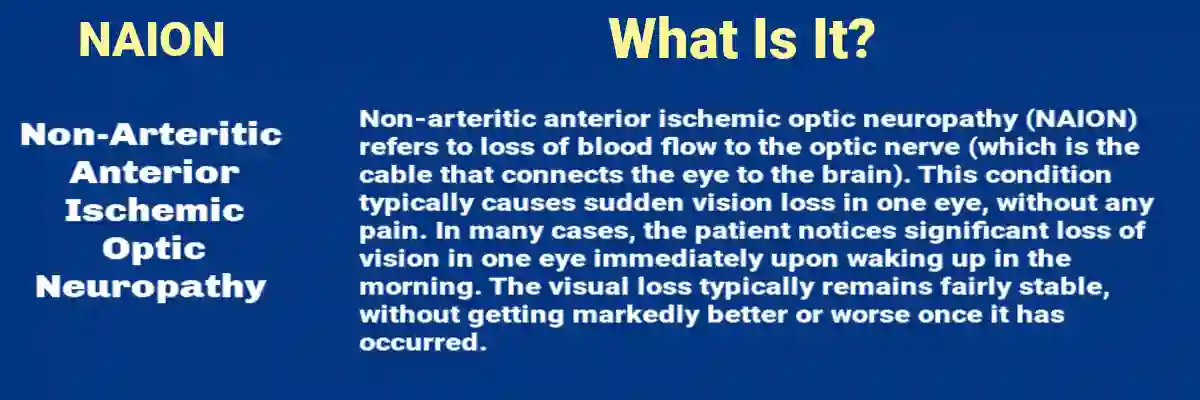
Non-arteritic anterior ischemic optic neuropathy (NAION) is an acute ischemic injury of the optic nerve head. In simpler terms, the front portion of the optic nerve experiences an inadequate blood supply, causing damage to optic nerve fibers that carry visual information from the eye to the brain.
Why NAION Is Clinically Serious
NAION is feared for several reasons that are consistent across ophthalmology and neuro-ophthalmology:
- It often occurs suddenly. Many patients notice painless visual loss on waking or early in the day.
- It can be permanent. Visual recovery is variable and often incomplete.
- It can involve the second eye. There is a recognized risk of NAION occurring in the fellow eye over time.
- There is no universally effective “rescue” therapy. Management is largely supportive and risk-factor focused.
As we go deeper into the implications of Saxenda and NAION rand the relationship to GLP-1 medications like Saxenda, it becomes crucial for both patients and healthcare providers to be aware of these potential risks. Understanding the connection between Saxenda and eye problems such as NAION could lead to better prevention strategies and early detection methods.
Typical Symptoms Patients Report
NAION commonly presents with:
- Sudden, painless vision loss in one eye
- A “shadow,” “curtain,” or missing area in the visual field (often inferior altitudinal loss)
- Reduced color vision or contrast sensitivity
- Blurring that does not improve with blinking or lubrication
- Sometimes, a sense that vision is “dim” in one eye
These symptoms are not subtle. That is part of the reason NAION is so terrifying. It can be abrupt, disruptive, and emotionally destabilizing, especially in patients who were taking a medication to improve long-term health.
Why NAION Is “Perennially Terrifying” as a Side Effect
In medication safety, adverse effects tend to cluster into two categories:
- Uncomfortable but reversible (for example, transient nausea or diarrhea).
- Potentially permanent and life-altering (for example, irreversible neurologic injury or sustained sensory loss).
NAION falls firmly into the second category. Even if it is uncommon, it commands attention because the harm is qualitatively different. It is not only a clinical event. It is a governance event. It forces patients, clinicians, manufacturers, and regulators to ask the same question repeatedly: What is the acceptable trade-off for benefit, and how do we detect risk early enough to prevent irreversible loss?
That is why NAION remains a “perennial” concern. The severity does not fade with time, and it does not become routine simply because the medication class becomes widely used.
A recent example of this issue can be seen with Saxenda, a medication known for its weight loss benefits. However, there have been alarming reports linking Saxenda to vision loss, including cases of NAION. This has led to numerous lawsuits filed by affected patients against the manufacturers of Saxenda. If you or someone you know has experienced such side effects after using Saxenda, it’s crucial to seek legal advice from an experienced Saxenda vision loss lawyer who can guide you through the process of filing a claim and help you understand your rights.
Saxenda in Context: What It Is and How It Works
Saxenda is liraglutide, a GLP-1 receptor agonist administered as a once-daily subcutaneous injection. It is distinct from Victoza, which is also liraglutide but marketed primarily for glycemic control in type 2 diabetes at different dosing regimens.
GLP-1 receptor agonists work through several mechanisms relevant to weight management:
- Increasing satiety and reducing appetite
- Slowing gastric emptying
- Modulating glucose metabolism
- Supporting behavioral adherence by reducing hunger-driven relapse
Because obesity is chronic and relapse-prone, many patients use GLP-1 therapies for extended periods. That long duration makes proactive risk monitoring more important, not less.
If you were prescribed Saxenda and took it as directed and suffered Saxenda and vision loss, or other Saxenda eye problems, contact Saxenda Vision Loss Lawyer Timothy L. Miles today. You could be eligible for a Saxenda Vision Loss Lawsuit and potentially entitled to substantial compensation. (855) 846–6529 or [email protected].
Saxenda and NAION: What Is Known, What Is Not Known
A careful discussion must separate three concepts that are frequently conflated:
- NAION is a real, established diagnosis with known risk factors.
- Patients using GLP-1 medications may also have many NAION risk factors.
- Whether Saxenda itself increases NAION risk is a different question that requires high-quality evidence.
NAION Has Strong Baseline Risk Factors
NAION is associated with:
- Age (more common in older adults)
- Hypertension
- Diabetes mellitus
- Hyperlipidemia
- Obstructive sleep apnea (OSA)
- Smoking
- Nocturnal hypotension (blood pressure dipping during sleep)
- “Crowded” optic discs (a small cup-to-disc ratio, sometimes described as a “disc at risk”)
These risk factors overlap heavily with the patient populations eligible for Saxenda. Many patients seeking weight-loss pharmacotherapy have insulin resistance, diabetes or prediabetes, sleep apnea, elevated blood pressure, dyslipidemia, or a history of smoking. That overlap complicates causal inference.
Given these complexities, it’s crucial to understand the potential risks associated with Saxenda use. A growing body of evidence suggests a possible link between Saxenda and serious eye conditions such as diabetic retinopathy, as well as NAION.
Moreover, some patients have even reported vision loss or blindness, raising significant concerns about the safety of this medication.
The Core Challenge: Correlation Versus Causation
If NAION occurs in a patient using Saxenda, three broad interpretations may be considered:
- Coincidence: NAION occurred due to baseline risk factors and would have occurred regardless.
- Indirect contribution: Saxenda contributed through an intermediary pathway (for example, dehydration from gastrointestinal side effects, hypotension, or rapid changes in metabolic parameters), rather than direct optic nerve toxicity. It’s worth noting that Saxenda commonly causes gastrointestinal side effects, such as nausea, vomiting, and diarrhea, which can lead to dehydration and other complications.
- Direct contribution: Saxenda increased NAION risk through a medication-specific mechanism. This is particularly concerning given the documented vision side effects of Saxenda, which could potentially include conditions like NAION.
At present, a responsible stance is to treat this as an area requiring ongoing pharmacovigilance and careful clinical judgment, rather than a settled conclusion.
Plausible Mechanisms (Without Overstating Certainty)
Even when definitive causality is not established, it is still useful to understand plausible pathways that could, in theory, increase vulnerability to an ischemic optic neuropathy event.
1) Hemodynamic Shifts and Nocturnal Hypotension
NAION is frequently linked to perfusion issues at the optic nerve head. Patients who experience low nighttime blood pressure, especially when combined with vascular risk factors, may be more susceptible. Any factor that increases hypotension risk can be relevant, including medication combinations and volume depletion.
2) Dehydration and Volume Depletion From GI Adverse Effects
As mentioned earlier, Saxenda commonly causes gastrointestinal side effects, particularly during dose escalation. In some patients, these effects can contribute to dehydration, electrolyte imbalance, and lower circulating volume. While dehydration is not a classic primary driver of NAION, reduced perfusion states can be clinically meaningful in susceptible individuals.
In summary, while we must remain cautious about attributing causality between Saxenda use and NAION occurrence without solid evidence, the potential for Saxenda to cause serious eye-related side effects cannot be ignored.
3) Sleep Apnea, Weight, and Transitional Risk
Obstructive sleep apnea is a recognized risk factor for NAION. Many patients initiating Saxenda may have undiagnosed or inadequately treated sleep apnea. If a patient has OSA, intermittent nocturnal hypoxemia plus hypotension can create a higher-risk physiologic environment for optic nerve ischemia. Weight loss often improves OSA over time, but that improvement is not immediate, and untreated OSA remains a concern.
4) Comorbidity Clustering and Polypharmacy
Patients using Saxenda may also use antihypertensives, diuretics, lipid-lowering drugs, or diabetes medications. The combined effect can influence blood pressure patterns, hydration status, and vascular stability.
These mechanisms are not presented as proof. They are presented as risk-governance considerations, meaning they help clinicians anticipate vulnerability and counsel patients with more precision.

The Practical Reality: If NAION Happens, Time Matters
If a patient on Saxenda experiences sudden vision loss or a new visual field defect, the situation is urgent because:
- NAION can progress over hours to days.
- Alternate diagnoses, including arteritic AION due to giant cell arteritis, must be excluded quickly because they require immediate treatment to prevent bilateral blindness and systemic complications.
What Patients Should Do Immediately
If any of the following occur, treat it as an emergency and seek same-day care:
- Sudden vision loss in one eye
- New missing area in vision (a shadow, gray patch, or “cut out”)
- Abrupt dimming or blurring that persists
- Severe headache with vision symptoms (especially in older adults)
Patients should not “wait and see,” and they should not assume it is eyestrain or dry eye. Emergency evaluation is appropriate.
In light of the serious potential side effects such as vision loss, it’s crucial for patients to remain vigilant about their symptoms while using Saxenda. If you find yourself facing such an unfortunate outcome, it’s essential to understand your legal rights. There are ongoing lawsuits related to vision loss associated with Saxenda usage which you might want to explore further. Moreover, if you’re seeking expert legal advice regarding these issues, consider reaching out to a Saxenda vision loss lawyer who can guide you through the process.
What Clinicians Typically Do in Evaluation
A clinician evaluating suspected NAION will typically consider:
- Visual acuity and color vision testing
- Fundoscopy for optic disc edema
- Visual field testing
- Assessment for giant cell arteritis when appropriate (history, ESR/CRP, temporal artery evaluation)
- Review of vascular risk factors and medication profile
- Referral to ophthalmology or neuro-ophthalmology
Risk Governance Before Starting Saxenda: The Proactive Checklist for Saxenda Vision Side Effects
Strong corporate governance in medicine is mirrored at the bedside through structured risk governance. It is not enough to prescribe correctly. It is not enough to monitor weight loss. It is necessary to anticipate rare but severe outcomes with disciplined consistency.
Before starting Saxenda, patients and prescribers should consider a risk-oriented checklist.
1) Confirm and Stabilize Vascular Risk Factors
- Measure and manage blood pressure to guideline targets.
- Evaluate diabetes and glycemic variability.
- Address dyslipidemia with evidence-based therapy.
- Review smoking status and cessation support.
Repetition matters: control blood pressure, control blood sugar, control lipids. Control what can be controlled.
2) Screen for Sleep Apnea When Indicated
If a patient snores loudly, has witnessed apneas, experiences daytime sleepiness, or has resistant hypertension, formal assessment for OSA is clinically justified. Treating OSA is not only about sleep quality. It is about reducing vascular stress and nocturnal hypoxemia.
3) Review Antihypertensive Timing and Nocturnal Hypotension Risk
In selected patients, clinicians may review whether blood pressure medications taken at night could contribute to excessive nocturnal dipping. This is individualized and should not be changed without medical supervision.
4) Address Hydration Strategy During Titration
Patients often underestimate fluid risk when appetite drops. A simple plan helps:
- Maintain adequate fluid intake, especially if nausea reduces eating and drinking.
- Seek guidance early if vomiting or diarrhea occurs.
- Monitor for dizziness, orthostatic symptoms, or very low blood pressure.
5) Establish a Clear “Red Flag” Vision Plan
Patients should be explicitly told, in straightforward language, what symptoms require urgent evaluation. This is not fear-based counseling. It is preparedness-based counseling.
If you were prescribed Saxenda and took it as directed and suffered Saxenda and vision loss, or other Saxenda eye problems, contact Saxenda Vision Loss Lawyer Timothy L. Miles today. You could be eligible for a Saxenda Vision Loss Lawsuit and potentially entitled to substantial compensation. (855) 846–6529 or [email protected].
What If a Patient Has Had NAION Before?
A prior NAION event indicates an underlying vulnerability, and the risk of fellow-eye involvement is a major concern. In such patients, any therapy that could plausibly affect perfusion, hydration, or vascular stability should be considered with heightened caution.
This does not automatically mean Saxenda is contraindicated, because individual circumstances vary and regulatory labeling may differ by jurisdiction and updates. It does mean that:
- Risk-benefit analysis must be explicit.
- Alternatives should be reviewed.
- Baseline ophthalmic history should be documented.
- Shared decision-making should be meticulous.
This is where proactive governance is most visible: identify vulnerability, document reasoning, and create a monitoring plan that is specific rather than generic.
If NAION Is Suspected While on Saxenda: Medication Decisions
Patients should not stop prescription medications without clinician guidance, but acute vision loss is an exception where immediate medical evaluation takes priority.
In real-world practice, when a serious adverse event is suspected, clinicians often consider:
- Immediate ophthalmologic evaluation.
- Consideration of discontinuing the suspected agent pending assessment, particularly if no alternative explanation is evident.
- Reporting to appropriate pharmacovigilance systems, depending on jurisdiction.
The key is structured escalation: evaluate urgently, document carefully, and coordinate care across prescribing and eye care teams.
Communicating Risk Without Creating Panic
Medication risk communication often falters in two predictable ways:
- Minimization: “It’s rare, don’t worry,” which undermines informed consent.
- Catastrophizing: “This drug can blind you,” which undermines rational decision-making.
A clinically responsible approach uses calibrated language:
- NAION is uncommon, but severe.
- Many patients at risk for NAION also have the conditions Saxenda is prescribed for.
- A causal relationship is not always clear on an individual basis.
- Preparedness and early recognition materially improve the chance of appropriate intervention and correct diagnosis.
Clarity is a form of safety. Repetition is a form of safety. Structure is a form of safety.
The Forward-Thinking View: Why This Topic Will Not Go Away
Even if NAION remains rare, it will remain salient for three reasons:
- GLP-1 utilization is expanding. More prescriptions increase the absolute number of rare events observed.
- Obesity medicine is long-term medicine. Longer exposure windows increase the importance of cumulative safety monitoring.
- Vision loss is a high-severity outcome. High-severity outcomes have a different ethical weight than transient side effects.
This is where industry, regulators, and clinicians share a governance obligation: continuous surveillance, transparent communication, and rapid updating of practice patterns as evidence evolves.
Key Takeaways
- NAION is sudden, serious, and potentially permanent, which is why it remains a perennially terrifying adverse event in any medication context.
- Saxenda is effective for many patients, but it is used by populations that often already carry NAION risk factors, such as hypertension, diabetes, hyperlipidemia, and sleep apnea.
- The central safety task is proactive risk governance: stabilize vascular risk factors, evaluate sleep apnea, manage hydration during titration, and establish urgent “red flag” vision instructions.
- Any sudden vision change is an emergency, whether or not Saxenda is involved.
- It’s important to be aware that Saxenda can lead to vision problems, including blurry vision, which should be addressed immediately.
In light of these potential risks associated with Saxenda use, it’s crucial to follow the FDA’s guidelines on its prescription and usage to mitigate these risks effectively.

Frequently Asked Questions about Saxenda and NAION and Saxenda Vision Side Effects
What is Saxenda and how does it help with weight management?
Saxenda (liraglutide) is a prescription injectable medication used for chronic weight management in eligible adults and some adolescents. It belongs to the glucagon-like peptide-1 receptor agonist (GLP-1 RA) class, which helps improve satiety signaling, slow gastric emptying, and support clinically meaningful weight loss when combined with a reduced-calorie diet and increased physical activity.
What is Saxenda and NAION and why is it a serious concern for patients using Saxenda?
NAION, or non-arteritic anterior ischemic optic neuropathy, is an acute ischemic injury of the optic nerve head caused by inadequate blood supply. It can cause sudden, painless vision loss that may be permanent and can affect one or both eyes. NAION has been linked to GLP-1 medications like Saxenda, raising significant concerns due to its sudden onset, potential to threaten vision, and difficulty in reversal.
What are the typical symptoms of Saxenda and NAION to watch for?
Typical symptoms of NAION include sudden, painless vision loss in one eye; a shadow, curtain, or missing area in the visual field (often inferior altitudinal loss); reduced color vision or contrast sensitivity; blurring that does not improve with blinking or lubrication; and sometimes a dimming sensation in one eye. These symptoms require immediate medical attention.
Why is Saxenda and NAION considered a ‘perennially terrifying’ side effect of GLP-1 medications?
NAION is considered ‘perennially terrifying’ because it falls into the category of potentially permanent and life-altering adverse effects. Despite being uncommon, its severity—sudden onset, risk of permanent vision loss, involvement of both eyes over time, and lack of effective rescue therapy—makes it a critical safety concern that demands ongoing attention from patients, clinicians, manufacturers, and regulators.
How do GLP-1 receptor agonists like Saxenda work to promote weight loss?
GLP-1 receptor agonists such as Saxenda promote weight loss by increasing satiety and reducing appetite, slowing gastric emptying which prolongs feelings of fullness, and modulating metabolic processes. These mechanisms help patients reduce calorie intake and support sustained weight management alongside lifestyle changes.
What steps can patients taking Saxenda take to detect and manage risks related to Saxenda and NAION?
Patients using Saxenda should be vigilant for any sudden changes in vision such as painless vision loss or visual field defects. Promptly reporting these symptoms to healthcare providers is crucial for early detection. Clinicians should monitor patients’ ocular health regularly and assess risk factors. Collaborative management focusing on prevention strategies and risk governance can help mitigate potential harm associated with Saxenda and NAION.
If You Suffered from Saxenda Vision Side Effects, Contact Saxenda Vision Loss Timothy L. Miles Today