
Introduction to the Mounjaro Stomach Paralysis Lawsuit
Welcome to this authoritative analysis of the Mounjaro Stomach Paralysis Lawsuit. Mounjaro (tirzepatide) is widely recognized for its role in managing type 2 diabetes and, increasingly, for supporting weight loss under medical supervision. However, it is also increasingly associated with a difficult allegation that has begun to surface in patient and clinical reports and early litigation narratives: stomach paralysis, often described clinically as gastroparesis.
This article explains what “stomach paralysis” means in medical terms, how it intersects with Mounjaro stomach side effects, why Mounjaro Stomach Paralysis Lawsuits are being pursued, what evidence typically matters in these cases, and what practical steps patients should consider to protect their health and their rights.
If you were prescribed Mounjaro and took it as directed and suffered Mounjaro and persistent vomiting, developed gastroparesis after taking Mounjaro, intestinal blockages or bowel obstructions or Ileus, or suffered other severe Mounjaro stomach side effects, contact Mounjaro Stomach Paralysis Lawyer Timothy L. Miles today. You could be eligible for a eligible for a Mounjaro stomach Lawsuit and potentially entitled to substantial compensation. (855) 846–6529 or [email protected].
Understanding Mounjaro and Why Gastrointestinal Effects Matter
Mounjaro (tirzepatide) is a prescription injectable medication that acts on two metabolic hormone pathways, GLP-1 (glucagon-like peptide-1) and GIP (glucose-dependent insulinotropic polypeptide). These pathways influence insulin secretion, appetite regulation, and digestive function. The same physiology that can support blood sugar control and weight reduction can also produce gastrointestinal effects.
In plain terms, Mounjaro can affect how quickly the stomach empties. That mechanism is not incidental. It is closely tied to satiety and reduced calorie intake. For many patients, the effect is manageable and temporary. For others, the symptoms can be intense, persistent, and clinically significant.
The legal question that follows is not whether Mounjaro can cause nausea or constipation. Those effects are widely known. The controversy centers on whether some patients experience a more severe and prolonged impairment of gastric emptying consistent with gastroparesis, and whether the risks were adequately warned, identified, and managed.
Moreover, there are emerging concerns about potential vision-related side effects associated with Mounjaro use. Reports suggest links between Mounjaro and conditions such as macular edema, diabetic retinopathy, blurry vision, and even vision loss. These serious side effects underscore the importance of thorough medical supervision while using this medication.

What Is “Stomach Paralysis” (Gastroparesis)?
“Stomach paralysis” is a non-medical phrase often used to describe gastroparesis, a condition where the stomach’s motility is impaired. The stomach muscles and nerves do not coordinate properly, resulting in delayed emptying of food into the small intestine.
Gastroparesis is not the same as a routine upset stomach. It can be debilitating and may require emergency care.
Common Gastroparesis Symptoms Reported by Patients
Patients often describe symptoms that escalate beyond typical medication-related nausea, including:
- Persistent nausea and vomiting, sometimes with undigested food
- Early satiety (feeling full after a few bites)
- Abdominal bloating and upper abdominal pain
- Significant constipation or alternating bowel changes
- Unintended weight loss and dehydration
- Malnutrition or electrolyte imbalance in severe cases
- Acid reflux or worsening GERD-like symptoms
From a medical perspective, symptoms alone do not definitively prove gastroparesis. From a legal perspective, however, symptom timing, persistence, and clinical workup become central to causation analysis.
How Mounjaro Could Be Implicated in Delayed Gastric Emptying
GLP-1–based therapies are known to influence gastric motility. This is part of the therapeutic effect profile. The critical distinction is degree, duration, and harm.
In litigation allegations, the core assertion often reads like this:
- The medication slowed gastric emptying beyond what a reasonable patient would expect from typical side effects.
- The delayed emptying became severe enough to mimic or meet criteria for gastroparesis.
- The condition led to serious health consequences, including repeated vomiting, dehydration, hospital visits, or procedures.
- The manufacturer did not provide adequate warning, instructions, or risk communication for the severity being alleged.
Not every patient who experiences nausea has gastroparesis. Not every person diagnosed with gastroparesis developed it because of Mounjaro. Mounjaro Stomach Paralysis Lawsuits typically attempt to show a medically plausible mechanism and a patient-specific timeline that supports causation.
The Emerging Mounjaro Stomach Paralysis Lawsuit Landscape
The phrase “Mounjaro stomach paralysis lawsuit” is often used as a shorthand for claims involving:
- Severe, persistent gastrointestinal injury
- Suspected or diagnosed gastroparesis
- Related complications such as bowel obstruction-like symptoms, dehydration, or hospitalization
- Allegations of inadequate warnings, failure to disclose risk severity, or failure to update labeling promptly
These cases may be filed as individual product liability claims. Over time, if filings increase and share common factual issues, courts sometimes consolidate pretrial proceedings into a multidistrict litigation (MDL). Whether that occurs, and how quickly, depends on case volume, similarity, and judicial assessment.
However, the Mounjaro drug is not just linked to gastrointestinal issues. There are emerging concerns regarding Mounjaro stomach side effects leading to serious conditions such as vision loss, blindness, and even complications similar to those seen in cases involving other drugs like Trulicity or Saxenda which have been associated with NAION and Zepbound respectively.
What Plaintiffs Typically Must Prove
Product liability claims vary by jurisdiction, but many cases revolve around several repeating legal elements. In formal terms, the litigation often focuses on:
1) Duty and Product Warnings
Pharmaceutical manufacturers are required to provide adequate warnings and instructions for foreseeable risks. A Mounjaro Stomach Paralysis Lawsuit may allege that warnings were:
- Insufficiently prominent
- Too general
- Not reflective of the severity or persistence of risk
- Not updated quickly enough as evidence evolved
2) Defect Theory (Often: Failure to Warn)
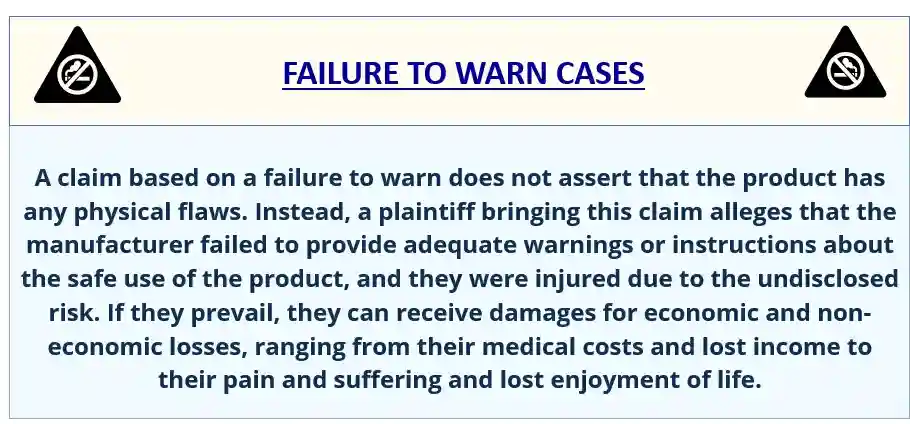
Most pharmaceutical injury cases are framed as failure to warn rather than a “manufacturing defect.” The claim is usually that the medication is unreasonably dangerous without stronger warnings or better prescriber guidance.

3) Causation
Causation is the hinge point. Plaintiffs generally need to show both:
- General causation: the drug is capable of causing the injury alleged.
- Specific causation: the drug more likely than not caused this patient’s injury.
As seen in various lawsuits related to Mounjaro, such as the ongoing Mounjaro lawsuit updates or specific cases linking Mounjaro to vision loss, these elements become crucial in establishing accountability for the alleged harmful effects of the drug.
4) Damages
Damages may include medical costs, lost income, pain and suffering, and other documented losses. Severe GI complications can generate substantial medical documentation, which is both clinically relevant and legally significant.
If you were prescribed Mounjaro and took it as directed and suffered Mounjaro and persistent vomiting, developed gastroparesis after taking Mounjaro, intestinal blockages or bowel obstructions or Ileus, or suffered other severe Mounjaro stomach side effects, contact Mounjaro Stomach Paralysis Lawyer Timothy L. Miles today. You could be eligible for a eligible for a Mounjaro stomach Lawsuit and potentially entitled to substantial compensation. (855) 846–6529 or [email protected].
Why Diagnosis and Documentation Matter More Than Online Descriptions
Many patients arrive at the term “stomach paralysis” through social media, forums. That is understandable. The symptoms are frightening and the phrase is memorable. However, legal claims typically rise or fall on medical evidence, not terminology.
Clinicians may use diagnostic tools such as:
- Gastric emptying study (scintigraphy) as a common confirmatory test
- Imaging to rule out mechanical obstruction
- Endoscopy in some cases
- Laboratory work for dehydration and electrolyte imbalance
In litigation, a documented workup helps distinguish severe drug-related motility impairment from other gastrointestinal conditions.
Alternative Causes Defendants Often Raise
In defending gastroparesis-related claims, manufacturers and defense experts frequently highlight competing causes, including:
- Diabetes-related gastroparesis, which is a recognized complication of long-standing diabetes
- Prior gastrointestinal disorders, including IBS or chronic constipation
- Gallbladder disease or pancreatitis (depending on presentation)
- Prior abdominal surgeries that can affect motility
- Concurrent medications known to slow motility (for example, opioids)
- Viral or idiopathic gastroparesis
This is why a patient’s baseline history matters. The stronger cases tend to be those with a clear timeline, new onset symptoms after initiation or dose escalation, and symptom improvement after discontinuation, supported by objective testing and clinical notes.
Red Flags That Justify Prompt Medical Attention
Regardless of litigation, the immediate priority is safety. Patients should seek urgent care if they experience:
- Inability to keep down fluids
- Repeated vomiting with signs of dehydration
- Severe abdominal pain, distension, or inability to pass stool or gas
- Black stools, blood in vomit, or fainting
- Rapid, unintended weight loss or weakness
Gastroparesis and severe motility disorders can become medical emergencies. Even when the cause is medication-related, the harm often comes from dehydration, electrolyte disturbances, aspiration risk, and malnutrition.
How These Claims Typically Describe the Patient Experience
While every patient’s medical course is different, lawsuits often describe a pattern:
- A patient starts Mounjaro and experiences GI discomfort that appears consistent with expected side effects.
- Symptoms intensify with dose escalation or continued use.
- Vomiting becomes persistent, eating becomes difficult, and daily activities are affected.
- The patient seeks repeated medical care, sometimes including ER visits.
- A clinician suspects delayed gastric emptying or gastroparesis.
- The medication is reduced or stopped, but symptoms may persist for a significant period.
- The patient faces ongoing dietary restrictions, treatment, or monitoring.
The phrase “a pain in the stomach” is not only descriptive. It reflects the disruption of basic functioning: eating, hydrating, working, and sleeping.
What Treatment Can Look Like (Clinically, Not Legally)
Medical management depends on severity and patient history, but common approaches include:
- Dose adjustment or discontinuation under clinician guidance
- Dietary modification (small, low-fat, low-fiber meals)
- Hydration and electrolyte replacement
- Anti-nausea medications
- Prokinetic agents in select cases
- Hospitalization for severe dehydration or inability to tolerate oral intake
- Nutritional support in extreme cases
From a litigation standpoint, treatment records also document the seriousness of the condition and the associated costs.
If you were prescribed Mounjaro and took it as directed and suffered Mounjaro and persistent vomiting, developed gastroparesis after taking Mounjaro, intestinal blockages or bowel obstructions or Ileus, or suffered other severe Mounjaro stomach side effects, contact Mounjaro Stomach Paralysis Lawyer Timothy L. Miles today. You could be eligible for a eligible for a Mounjaro stomach Lawsuit and potentially entitled to substantial compensation. (855) 846–6529 or [email protected].
The following steps are practical and evidence-based. They are also the steps that tend to create a clean, well-documented medical timeline.
1) Do Not Self-Manage Severe Symptoms
If symptoms are severe, seek urgent care. A lawsuit does not improve outcomes. Timely medical intervention does.
2) Contact the Prescribing Clinician Promptly
Explain the symptoms clearly and specifically:
- Frequency of vomiting
- Ability to keep down fluids
- Weight change
- Pain location and intensity
- Constipation severity and duration
If the clinician changes your regimen, ensure the change is documented.
3) Ask About Diagnostic Evaluation
If symptoms are persistent, ask whether a gastric emptying study or other evaluation is medically indicated. Avoid self-diagnosis, but do advocate for appropriate testing.
4) Keep a Symptom and Diet Log
A simple log can be useful clinically. It can also support a clear chronology later:
- Dose dates and dose increases
- Symptom onset and severity
- Foods tolerated versus not tolerated
- ER or urgent care visits
- Workdays missed
5) Preserve Medication Records
Keep:
- Pharmacy receipts and refill history
- Lot numbers if available on packaging
- Injection schedule notes
- Prescriber visit summaries
6) Avoid Overstatements in Public Posts
Patients often share experiences online for support. If litigation becomes possible, public posts can be misconstrued. Focus on accuracy, not intensity. In legal terms, consistency matters.
What a Lawyer Will Usually Evaluate in a Mounjaro Stomach Paralysis Case
If you consult counsel, a product liability firm will commonly review:
- Your diagnosis and the basis for it
- Whether symptoms began after starting Mounjaro or after dose escalation
- Duration and severity, including hospitalization or procedures
- Competing risk factors, especially diabetes duration and control
- Discontinuation timing and whether symptoms improved
- Medical expenses and long-term impact
- Evidence of functional impairment, including inability to work
Firms generally prefer cases supported by objective testing, specialist consultation, and documented treatment efforts. That is not because patient reports are unimportant. It is because courts demand medical grounding.
If you were prescribed Mounjaro and took it as directed and suffered Mounjaro and persistent vomiting, developed gastroparesis after taking Mounjaro, intestinal blockages or bowel obstructions or Ileus, or suffered other severe Mounjaro stomach side effects, contact Mounjaro Stomach Paralysis Lawyer Timothy L. Miles today. You could be eligible for a eligible for a Mounjaro stomach Lawsuit and potentially entitled to substantial compensation. (855) 846–6529 or [email protected].
The Corporate Governance Angle: Why Warnings and Surveillance Matter
Pharmaceutical safety is not only a clinical issue. It is also a governance issue.
Robust corporate governance requires robust pharmacovigilance. Robust pharmacovigilance requires systematic listening. The pattern is consistent, and the standard is consistent:
- Identify adverse event signals early.
- Evaluate them rigorously.
- Communicate them clearly.
- Update labeling and guidance proactively.
- Train representatives and support prescribers with precise risk information.
When lawsuits arise, they often allege a breakdown in one or more of these steps. The allegation is not merely that an adverse event occurred. The allegation is that risk governance did not keep pace with risk reality.
Forward-looking manufacturers treat safety communication as a continuous process, not a one-time disclosure. Regulators, clinicians, and patients rely on that discipline.
However, it’s worth noting that some patients may experience severe side effects such as vision loss due to medication like Zepbound. In such cases, vision loss lawsuits have been filed against the manufacturers for their failure to adequately warn about these risks.
Important Clarifications About Lawsuits and Outcomes
A lawsuit is not a medical diagnosis. It does not serve as proof of causation. Instead, a lawsuit is an allegation that is evaluated through evidence.
Similarly, the presence of gastrointestinal side effects in a medication label does not automatically resolve a failure-to-warn claim. Courts examine factors such as specificity, prominence, and whether the warning meaningfully conveys the severity being alleged.
Patients should also recognize that litigation timelines are slow. Pharmaceutical cases frequently take months to years. Medical care, by contrast, is immediate. Therefore, the correct priority should be stable health, complete documentation, and informed decision-making.
Conclusion: A Proactive Response to a Serious Claim
The narrative surrounding the Mounjaro stomach paralysis lawsuit reflects a broader reality in modern therapeutics: powerful metabolic medications can produce powerful physiological effects. For many patients, these effects are manageable. However, for some, symptoms may appear severe enough to raise concerns about gastroparesis and long-term harm.
Proactive measures matter. They protect health and rights.
If you suspect severe delayed gastric emptying while using Mounjaro, it’s crucial to take the situation seriously. Seek medical evaluation promptly and document the timeline carefully. If your condition is persistent and life-disrupting, consider speaking with a qualified Mounjaro Stomach Paralysis Lawyer who can assess whether your experience aligns with the medical and legal requirements of a product liability claim.
It’s also important to be aware of other potential serious side effects associated with Mounjaro use. For instance, there have been reports of vision loss linked to the medication. This can range from temporary vision impairment to more severe outcomes such as blindness. If you experience any unusual eye-related symptoms while on Mounjaro, it is essential to seek immediate medical attention and document your experiences thoroughly.
If you were prescribed Mounjaro and took it as directed and suffered Mounjaro and persistent vomiting, developed gastroparesis after taking Mounjaro, intestinal blockages or bowel obstructions or Ileus, or suffered other severe Mounjaro stomach side effects, contact Mounjaro Stomach Paralysis Lawyer Timothy L. Miles today. You could be eligible for a eligible for a Mounjaro stomach Lawsuit and potentially entitled to substantial compensation. (855) 846–6529 or [email protected].
Frequently Asked Questions About Mounjaro Stomach Side Effects
What is Mounjaro and what conditions is it commonly prescribed for?
Mounjaro (tirzepatide) is a prescription injectable medication primarily used to manage type 2 diabetes and support weight loss under medical supervision. It acts on two metabolic hormone pathways, GLP-1 and GIP, influencing insulin secretion, appetite regulation, and digestive function.
What does ‘stomach paralysis’ or gastroparesis mean in the context of Mounjaro use?
‘Stomach paralysis,’ medically known as gastroparesis, refers to impaired stomach motility where the stomach muscles and nerves do not coordinate properly, causing delayed emptying of food into the small intestine. In relation to Mounjaro, this condition can manifest as severe gastrointestinal side effects beyond typical nausea or constipation.
What are the common symptoms of gastroparesis that patients using Mounjaro might experience?
Patients may report persistent nausea and vomiting (sometimes with undigested food), early satiety (feeling full after a few bites), abdominal bloating and pain, significant constipation or alternating bowel changes, unintended weight loss, dehydration, malnutrition or electrolyte imbalance in severe cases, and worsening acid reflux or GERD-like symptoms.
How could Mounjaro contribute to delayed gastric emptying or gastroparesis?
Mounjaro’s action on GLP-1 pathways can slow gastric motility as part of its therapeutic effect. However, in some cases, this slowing may exceed typical side effects leading to severe delayed gastric emptying consistent with gastroparesis. This can result in serious health consequences like repeated vomiting, dehydration, hospital visits, or procedures.
Why are lawsuits being filed related to Mounjaro and stomach paralysis?
Lawsuits allege that some patients experienced severe and persistent gastrointestinal injury resembling gastroparesis due to Mounjaro use. They claim the manufacturer failed to provide adequate warnings or risk communication about these severe side effects. Legal claims focus on whether the risks were properly identified and managed by the manufacturer.
What steps should patients taking Mounjaro consider to protect their health regarding potential gastrointestinal side effects?
Patients should maintain thorough medical supervision while using Mounjaro, promptly report any persistent or severe gastrointestinal symptoms such as nausea, vomiting, abdominal pain, or changes in bowel habits to their healthcare provider. Early diagnosis and management are crucial to prevent complications associated with gastroparesis and related conditions.