Introduction to a Failure to Warn
Welcome to this authoritative guide by a Hair Dye Lawyer in Tennessee on a failure to warn. As of May 2026, hair dye cancer litigation is in its early stages. Hair Dye Lawsuits claim that major manufacturers like L’Oréal and Redken failed to warn consumers and salon workers about cancer risks linked to frequent exposure to hair dye products. There have been no jury verdicts or settlements yet.
If you or a loved one have experienced frequent exposure to Hair Dye Products—and were subsequently diagnosed with cancer —in Tennessee, you may be wondering if you are eligible for compensation through a Tennessee Hair Dye Lawsuit Update. Products liability law is designed to protect consumers when defective products or pose unexpected dangers. One major area of products liability law is a failure to warn. Whether you are seeking a Tennessee Hair Dye Lawyer or want to know if you qualify for a Tennessee Hair Dye Lawsuit, , it is crucial to understand your rights under Tennessee law and what mass torts are and multidistrict litigation.
If you had frequent exposure to hair dye products, and were diagnosed with cancer, contact Tennessee Hair Dye Lawyer Timothy L. Miles today for a free case evaluation to see if you are eligible for a hair dye lawsuit and potentionally entitled to substantial compensation in a hair dye lawsuit . (855) 846-6529 or tmiles@timmileslaw.com
Types of Failure to Warn
Failure to warn cases can manifest in various forms, depending on the nature of the product and the specific circumstances surrounding its use. Understanding these different types can help both consumers and manufacturers identify potential issues and take appropriate action.
-
- Inadequate Instructions:
-
- Insufficient details on proper product use
-
- Lack of clear step-by-step guidance
-
- Omission of crucial safety precautions
-
- Inadequate Instructions:
-
- Missing Warnings:
-
- Absence of warnings for known risks
-
- Failure to highlight potential dangers
-
- Neglecting to address foreseeable misuse
-
- Missing Warnings:
-
- Inconspicuous Warnings:
-
- Warnings placed in obscure locations
-
- Use of small or illegible text
-
- Lack of emphasis on critical information
-
- Inconspicuous Warnings:
-
- Incomplete Warnings:
-
- Partial disclosure of potential hazards
-
- Failure to address all known risks
-
- Omission of important safety information
-
- Incomplete Warnings:
-
- Outdated Warnings:
-
- Failure to update warnings based on new information
-
- Neglecting to inform existing users of newly discovered risks
-
- Continued use of obsolete safety guidelines
-
- Outdated Warnings:
Each type of failure to warn presents unique challenges and requires specific considerations when evaluating potential liability. Manufacturers must be diligent in addressing all aspects of product warnings to ensure comprehensive consumer protection.
What is a Failure to Warn?
Failure to Warn: A Critical Basis for Product Liability
While defective products often make headlines due to manufacturing or design flaws, another significant—yet sometimes overlooked—basis for liability is the failure to warn, also known as a marketing or warning defect. Unlike claims centered on physical defects, a failure-to-warn claim alleges that the manufacturer did not provide sufficient warnings or clear instructions regarding potential risks associated with the product’s use. When consumers are injured as a result of these undisclosed dangers, they may pursue legal action and recover damages for both economic losses—like medical expenses and lost income—and non-economic harms such as pain, suffering, and diminished quality of life.
Visibility and Clarity of Warnings Matter
Inadequate or poorly placed warnings can expose a manufacturer to liability. Simply placing safety information on packaging or within a manual may not suffice if it is unlikely that users will see these warnings before encountering the risk. In such cases, manufacturers are expected to ensure warnings are prominently displayed directly on the product itself, making them visible at the point of use. Moreover, even for complex or technical products, it is crucial that all safety warnings are communicated in clear, understandable language tailored to the typical user. Failure to do so can result in significant legal exposure should injuries occur. The Takeaway Manufacturers bear a critical responsibility—not just to design and produce safe products—but also to adequately inform consumers about potential hazards. Clear, accessible warnings are essential in mitigating risk, protecting users, and shielding companies from costly product liability claims related to failure to warn.
Establishing Liability in Failure to Warn Cases
To successfully pursue a failure to warn claim, plaintiffs, exposed to toxic plane fumes, must establish several key elements that demonstrate the manufacturer’s liability for the injuries or damages incurred. Understanding these elements is crucial for both consumers seeking compensation and manufacturers defending against such claims.
-
- Duty to Warn:
-
- Prove the manufacturer had an obligation to provide warnings
-
- Show the manufacturer knew or should have known about the dangers
-
- Duty to Warn:
-
- Inadequacy of Warnings:
-
- Establish that the provided warnings were insufficient
-
- Show that more comprehensive warnings could have prevented harm
-
- Inadequacy of Warnings:
-
- Causation:
-
- Demonstrate how proper warnings would have altered behavior
-
- Establish a clear link between the lack of warning and the harm suffered
-
- Causation:
-
- Damages:
-
- Document the extent of injuries or losses incurred
-
- Provide evidence of medical expenses, lost wages, or other costs
-
- Demonstrate the impact on quality of life, if applicable
-
- Damages:
-
- Foreseeability:
-
- Show that the manufacturer could have reasonably anticipated the risk
-
- Demonstrate that the injury was a foreseeable consequence of inadequate warnings
-
- Establish that the manufacturer had a duty to warn about the specific risk
-
- Foreseeability:
-
- Proximate Cause:
-
- Prove that the inadequate warning was the primary cause of injury
-
- Establish a clear chain of events leading from the lack of warning to the injury
-
- Proximate Cause:
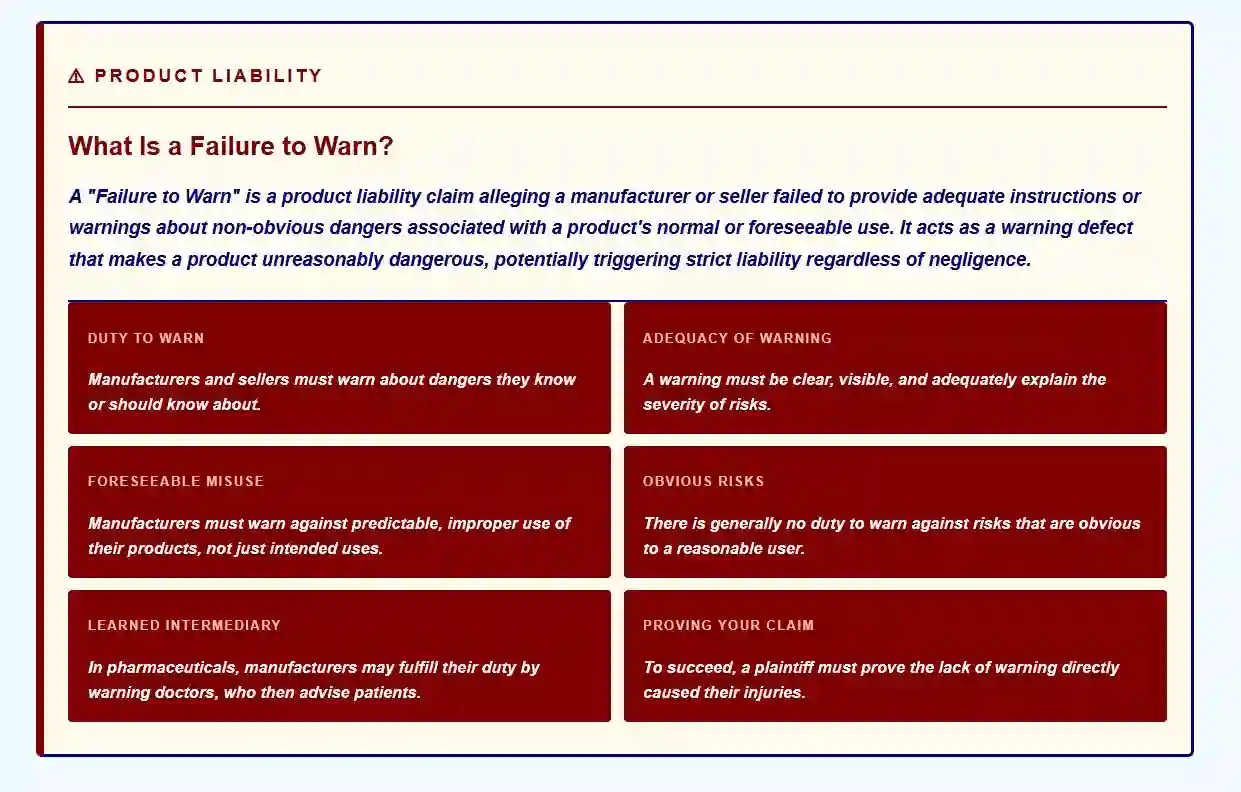
By successfully establishing these elements, plaintiffs can build a strong case for failure to warn liability in the Tennessee Hair Dye Lawsuit. However, it is important to note that manufacturers may have various defenses available to counter such claims.
Defenses Against Failure to Warn Claims
Manufacturers facing failure to warn claims have several potential defenses at their disposal. These defenses aim to challenge the plaintiff’s assertions and demonstrate that the manufacturer fulfilled its legal obligations regarding product warnings.
-
- Obviousness of Risk:
-
- Argue that the danger was apparent to a reasonable person
-
- Show that additional warnings would not have altered behavior
-
- Obviousness of Risk:
-
- Unforeseeable Misuse:
-
- Prove that the product was used in an unintended manner
-
- Demonstrate that the misuse was not reasonably foreseeable
-
- Unforeseeable Misuse:
-
- Adequate Warnings Provided:
-
- Present evidence of comprehensive warnings and instructions
-
- Show that warnings were clear, visible, and easily understood
-
- Adequate Warnings Provided:
-
- Learned Intermediary Doctrine:
-
- Argue that warnings were provided to a qualified intermediary
-
- Show that reliance on the intermediary was reasonable
-
- Learned Intermediary Doctrine:
-
- Assumption of Risk:
-
- Demonstrate that the user had sufficient knowledge of the risks
-
- Show that the user voluntarily accepted the known risks
-
- Assumption of Risk:
-
- Statute of Limitations:
-
- Argue that the claim was filed after the legal time limit
-
- Demonstrate when the injury occurred or should have been discovered
-
- Show that the plaintiff failed to act within the prescribed timeframe
-
- Statute of Limitations:
-
- Comparative Negligence:
-
- Argue that the user’s own negligence contributed to the injury
-
- Demonstrate how the user’s actions increased the risk of harm
-
- Show that the user failed to exercise reasonable care
-
- Comparative Negligence:
By effectively utilizing these defenses, manufacturers can challenge failure to warn claims and potentially limit their liability. However, the success of these defenses depends on the specific circumstances of each case and the strength of the evidence presented.
If you had frequent exposure to hair dye products, and were diagnosed with cancer, contact Tennessee Hair Dye Lawyer Timothy L. Miles today for a free case evaluation to see if you are eligible for a hair dye lawsuit and potentionally entitled to substantial compensation in a hair dye lawsuit . (855) 846-6529 or tmiles@timmileslaw.com
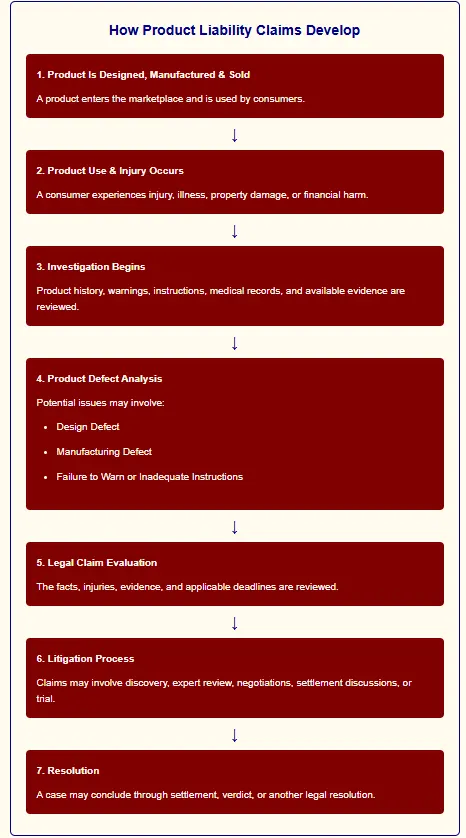
Damages in Failure to Warn Cases Involving Social Media Lawsuits
When a plaintiff successfully proves a failure to warn claim, they may be entitled to various types of damages to compensate for their injuries and losses. Understanding the potential damages available can help both plaintiffs and defendants assess the stakes involved in these cases.
-
- Compensatory Damages:
-
- Medical expenses (past and future)
-
- Lost wages and earning capacity
-
- Emotional distress
-
- Property damage
-
- Compensatory Damages:
-
- Punitive Damages:
-
- Awarded in cases of egregious misconduct
-
- Intended to punish the defendant and deter similar behavior
-
- Often subject to statutory caps or limitations
-
- Punitive Damages:
-
- Economic Damages:
-
- Easily calculated based on bills, receipts, and projections
-
- May include costs of ongoing care or rehabilitation
-
- Economic Damages:
-
- Non-Economic Damages:
-
- Intangible losses that are harder to quantify
-
- May be subject to limitations in some jurisdictions
-
- Non-Economic Damages:
-
- Loss of Consortium:
-
- Compensation for impact on spousal relationships
-
- May include loss of companionship, affection, or support
-
- Available in some jurisdictions as a separate claim
-
- Loss of Consortium:
-
- Wrongful Death Damages:
-
- Compensation for surviving family members
-
- May include loss of financial support, guidance, and companionship
-
- Often governed by specific wrongful death statutes
-
- Wrongful Death Damages:
-
- Factors Affecting Damage Awards:
-
- Impact on daily life and future prospects
-
- Degree of manufacturer negligence
-
- Factors Affecting Damage Awards:
-
- Damage Caps and Limitations:
-
- Some jurisdictions impose limits on certain types of damages
-
- Statutory limitations can vary significantly by state
-
- Damage Caps and Limitations:
-
- Collateral Source Rule:
-
- May allow plaintiffs to recover full damages regardless of insurance coverage
-
- Varies by jurisdiction and type of case
-
- Collateral Source Rule:
-
- Present Value Calculations:
-
- Accounts for inflation and potential investment returns
-
- Present Value Calculations:
Understanding the various types of damages available in a Tennessee Hair Dye Lawsuit, and the factors that influence award amounts is crucial for both plaintiffs seeking compensation and manufacturers assessing potential liability. The specific damages awarded in a failure to warn case will depend on the unique circumstances of each situation and the applicable laws in the jurisdiction where the case is heard.
- Target Audience: Hair dye lawsuits currently focus on hairdressers, cosmetologists, and salon workers with regular, long-term occupational exposure to permanent dye.
- Primary Injury: Bladder cancer is the strongest link, though lawsuits also investigate connections to breast cancer, lymphoma, and leukemia.
- Legal Status: Cases are in the early, pre-trial phase. In California, several lawsuits are consolidated before Judge Samantha Jessner.
- Defendants: Major cosmetic manufacturers, including L’Oréal, Redken, and Paul Mitchell, are named in lawsuits alleging they failed to warn of carcinogenic risks.
- Allegations: Claims include defective design (using known carcinogens), failure to warn of risks, and misleading marketing
- Focus Chemicals: The litigation primarily centers on exposure to aromatic amines (like p-phenylenediamine or PPD), formaldehyde, and other toxic chemicals.
-
Occupational Claims: New Hair Dye Lawsuits are actively being filed by salon professionals and cosmetologists. The strongest legal signal points to a link between occupational hair dye exposure and bladder cancer.
Specific Illnesses Linked to Claims
- Bladder Cancer: The strongest association found in medical studies; this is the focal point of the majority of current occupational lawsuits.
- Breast Cancer Research: Studies are highlighting a potential link between the long-term use of permanent hair dyes and an increased risk of breast cancer.
- Other Cancers: Lawsuits and epidemiological research have also investigated links to ovarian cancer, thyroid cancer, non-Hodgkin’s lymphoma, and leukemia.
Key Brands Named in Litigation
- L’Oréal
- Clairol
- Wella
- John Paul Mitchell Systems
- Redken
Current Status of the Lawsuits
- Coordination: Because thousands of individuals have been diagnosed with illnesses after long-term exposure, many of these cases have been consolidated. For instance, a major consolidated mass tort litigation is proceeding in California state court (Los Angeles) to streamline the discovery and pre-trial phases.
- No Major Settlements Yet: This wave of litigation is in its relatively early stages. As of 2026, there have been no large publicly reported class-action settlements or major jury verdicts. The outcomes of early, lead “bellwether” trials will help determine the trajectory of the litigation.
Other Types of Hair Dye Lawsuits
- Severe Allergic Reactions: Resulting in blistering, contact dermatitis, and anaphylaxis (frequently triggered by PPD).
- Scalp Burns and Hair Loss: Usually stemming from improperly formulated dyes or expired products