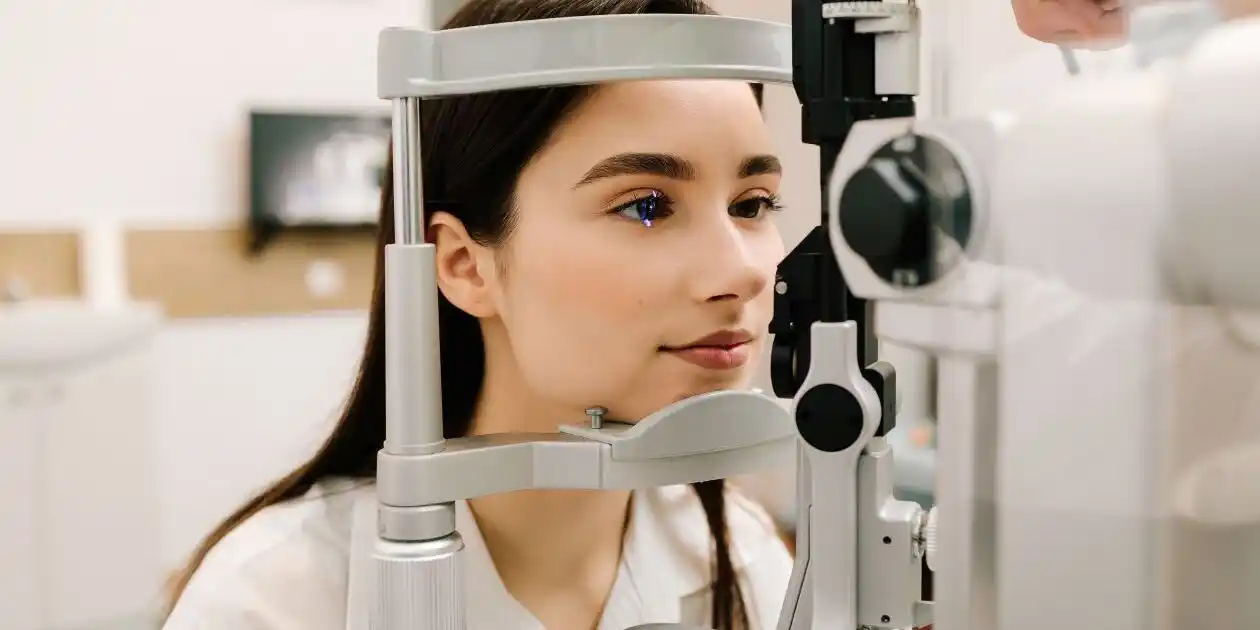
Introduction to the GLP-1 Vision Loss Lawsuit:
- GLP-1 Vision Loss Lawsuit: Refers to the massive tidal wave of lawsuits being commenced by individuals taking GLP-1 drugs (Ozempic, Saxenda, Zepbound, Trulicity, Wegovy, etc.) who have suffered severed GLP-1 vision side effects including permanent vision loss and are now filing multiple lawsuits against the manufactures.
- Emerging GLP-1 Vision Side Effects: With the emerging evidence linking GLP-1 and vision loss, plaintiffs allege the manufacturers of these drugs new of the risk of severe GLP-1 vision problems failed to inform patients or doctors and therefore they made and uninformed decision and had they know of the risk, they would have chosen not to take drugs that cause GLP-1 eye problems and lead to permanent blindness.
- GLP-1 Receptor Agonists: Have transformed the treatment options for type 2 diabetes and obesity. Medications like Ozempic, Wegovy, and Mounjaro are now widely used in medical practices. These drugs work by imitating hormones that control blood sugar levels and reduce appetite, providing significant benefits to millions of patients worldwide.
- GLP-1 Vision Side Effects: However, recent studies have found a troubling link between GLP-1 medications and severe GLP-1 vision problems, specifically non-arteritic anterior ischemic optic neuropathy (NAION). As a result, there has been a rapid increase in GLP-1 vision loss lawsuits filed by patients who experienced sudden and permanent vision loss after using these drugs. This new evidence about GLP-1 and vision loss has raised concerns about how well manufacturers are disclosing information and warning patients.
- Patient Reference Guide: This guide aims to inform patients who are experiencing GLP-1 vision side effects about their legal rights and options in 2025. If you have suffered GLP-1 vision side effects while taking these medications, you may have a valid GLP-1 vision loss lawsuit against the pharmaceutical companies for not providing proper warnings about these serious GLP-1 vision side effects.

OZEMPIC VS. WEGOVY VS. MOUNJARO VS. ZEPBOUND
|
Drug Name |
Main Active Ingredient | Approved For | Manufacturer |
Dosage/Administration |
General Notes |
|
Ozempic |
Semaglutide |
Type 2 Diabetes |
Novo Nordisk |
Once-weekly subcutaneous shot |
Used off-label for weight loss; risk of vision issues |
|
Wegovy |
Semaglutide |
Weight Management |
Novo Nordisk |
Once-weekly subcutaneous shot |
Approved for obesity/overweight + health conditions |
|
Mounjaro |
Tirzepatide (GIP/GLP-1) |
Type 2 Diabetes |
Eli Lilly |
Once-weekly subcutaneous shot |
Dual GIP/GLP-1 agonist; off-label for weight loss |
| Zepbound | Tirzepatide (GIP/GLP-1) |
Weight Management |
Eli Lilly |
Once-weekly subcutaneous shot |
Specifically approved for chronic weight management |
**General Notes:**- All listed drugs are administered as once-weekly subcutaneous injections.- Off-label use for weight loss has been common for Ozempic and Mounjaro prior to the approval of Wegovy and Zepbound for obesity.- Dosages vary by patient needs and indication but typically start at lower doses and are titrated up.- Main risks under emerging research include potential severe vision complications (e.g., NAION) in addition to commonly known side effects.
Understanding GLP-1 Drugs and Their Uses
- GLP-1 receptor Agonists: Are a type of medication that imitate the effects of a natural hormone called glucagon-like peptide-1 (GLP-1). This hormone plays a crucial role in controlling blood sugar levels and appetite. GLP-1 drugs work by:
-
- Increasing insulin secretion
-
- Decreasing glucagon release
-
- Enhancing feelings of fullness through the brain’s signaling pathways
Common GLP-1 Drugs on the Market
There are several well-known Gastroparesis available today, each with its own specific formulation and manufacturer:
Semaglutide-Based Medications:
- Ozempic: Made by Novo Nordisk, approved for managing type 2 diabetes with a once-weekly injection under the skin
- Wegovy: Also produced by Novo Nordisk, specifically approved for long-term weight management in adults with obesity or overweight conditions along with weight-related health issues
Tirzepatide-Based Medications:
- Mounjaro: Created by Eli Lilly, approved for treating type 2 diabetes as a dual GIP/GLP-1 receptor agonist
- Zepbound: Eli Lilly’s formulation specifically indicated for chronic weight management
Off-Label Prescribing Practices
- Medical Gaps: There’s often a gap between what these medications are officially approved for and how they are actually being prescribed in practice.
- Type-2 Diabetes: For example, while Ozempic and Mounjaro have received FDA approval solely for managing type 2 diabetes, many healthcare providers are using them off-label to help
- GLP-1 Vision Side Effects: This trend gained significant traction after clinical trials showed impressive weight loss results, leading to widespread use beyond the original intended purpose of these drugs. The subsequent FDA approvals of Wegovy and Zepbound for weight management further solidified what had already become common prescribing behavior across various medical specialties.
Medical Background: Vision Problems Associated with GLP-1 Drugs
- Nonarteritic Anterior Ischemic Optic Neuropathy (NAION): Is the most significant vision-related complication linked to GLP-1 receptor agonists. This condition occurs when blood flow to the optic nerve becomes restricted, resulting in sudden, painless vision loss that typically affects one eye.
- NAION: Is a medical emergency characterized by permanent damage to the optic nerve, often presenting as a sudden darkening or blurring of vision upon waking.
-
- The connection between GLP-1 and vision loss extends beyond NAION to include several other eye-related issues:
-
- Optic neuropathy: Damage to the optic nerve affecting signal transmission from the eye to the brain
-
- Retinal ischemia: Inadequate blood supply to the retina causing tissue damage
-
- Diabetic retinopathy exacerbation: Acceleration of existing retinal blood vessel damage in diabetic patients
-
- Extensive Research: Indicates that patients using semaglutide-based medications face elevated risks of developing these GLP-1 eye problems. The mechanism behind these GLP-1 vision problems is still being studied, but some theories suggest that rapid changes in glucose levels may impact retinal blood vessels, alter blood flow patterns, and trigger inflammatory responses within eye tissues.
-
- Severe Side Effects: The severity of GLP-1-related vision complications can vary widely. Some individuals may experience subtle defects in their visual field, while others may suffer complete loss of vision in one eye. Since NAION cannot be reversed, it is crucial for anyone undergoing GLP-1 therapy to seek immediate medical attention if they notice any changes in their eyesight.

FDA Reports and Regulatory Status on GLP-1 Drugs’ Vision Risks
- The U.S. Food and Drug Administration (FDA): Has systems in place to monitor and track reports of negative events related to prescription medications, including GLP-1 receptor agonists like Ozempic, Wegovy, and other similar drugs.
- These reports are submitted through the FDA Adverse Event Reporting System (FAERS) by healthcare professionals, patients, and manufacturers to document any potential safety concerns that arise during the use of these treatments after they have been approved.
Ongoing Safety Evaluation
The FDA Role’s: The FDA’s responsibilities go beyond just approving drugs initially. They also need to continuously evaluate safety data as evidence from real-world usage becomes available.
GLP-1 Vision Side Effects: If they notice patterns of negative events, especially serious complications like vision loss, they will review whether the existing product labeling effectively communicates these risks to healthcare providers and patients. This review will determine if additional safety warnings for prescription drugs are necessary to protect public health.
Monitoring GLP-1 Drugs and Vision Risks
- Documented Cases: In relation to GLP-1 medications and vision-related issues, the FDA has received several reports documenting cases of NAION in individuals using semaglutide and tirzepatide products. These reports have triggered an ongoing evaluation of the possible connection between GLP-1 medications and sudden loss of vision. The regulatory agency is assessing the strength of evidence linking these drugs to NAION by considering factors such as timing relationships, biological plausibility, and comparative incidence rates.
- GLP-1 Vision Loss Lawsuit: The evolving nature of FDA oversight directly impacts the progress of GLP-1 Vision Loss Lawsuit claims. If regulatory findings reveal inadequate warnings or delayed safety communications, it may strengthen legal arguments against manufacturers.

Legal Landscape: The Emergence of GLP-1 Vision Loss Lawsuits Against Manufacturers Like Novo Nordisk and Eli Lilly
- Failure to Warn: Plaintiffs across the United States have initiated legal action against pharmaceutical manufacturers Novo Nordisk and Eli Lilly, asserting that these companies failed to provide adequate warnings about vision-related risks associated with their GLP-1 receptor agonist medications.
- GLP-1 Vision Side Effects: The GLP-1 vision loss lawsuit filings specifically target products including Ozempic, Wegovy, Mounjaro, and Zepbound, alleging that patients developed serious ocular conditions such as NAION without sufficient prior disclosure of these potential adverse effects.
- The Litigation Landscape: Has expanded rapidly as medical research continues to establish correlations between GLP-1 drug use and sudden vision impairment. Attorneys representing affected individuals contend that manufacturers possessed knowledge of these risks yet failed to update product labeling or communicate warnings to healthcare providers and patients in a timely manner. These legal actions assert claims of negligence, strict product liability, and breach of warranty against the pharmaceutical companies.
- MDL Litigation: Legal experts anticipate the potential consolidation of these cases into a multidistrict litigation (MDL), a procedural mechanism designed to streamline pretrial proceedings when numerous lawsuits involve common questions of fact.
- Pretrial Consolidation: Such consolidation would facilitate coordinated discovery processes, expert testimony evaluation, and potentially expedite resolution for affected plaintiffs while maintaining judicial efficiency. The establishment of an MDL would signify the judiciary’s recognition of the substantial number of claims and the complexity of issues surrounding GLP-1 and vision loss.
Key Legal Claims in GLP-1 Vision Loss Cases Against Drug Manufacturers Like Novo Nordisk and Eli Lilly
- GLP-1 Vision Loss Lawsuit: Personal injury claims related to GLP-1 drugs’ vision side effects center on several fundamental legal theories that establish manufacturer liability.
- Failure to Worn: Plaintiffs pursuing these cases typically assert that pharmaceutical companies possessed knowledge of potential vision-related complications yet failed to provide adequate warnings to healthcare providers and patients.
1. Failure to Warn
This constitutes the primary allegation in these cases. Plaintiffs contend that manufacturers knew or should have known about the association between GLP-1 receptor agonists and non-arteritic anterior ischemic optic neuropathy (NAION), yet omitted this critical information from drug labels and prescribing materials. This alleged omission prevented patients from making informed decisions about treatment options and precluded physicians from monitoring for early warning signs.
2. Design Defect
These claims assert that the drugs contain inherent flaws making them unreasonably dangerous for their intended use. Plaintiffs argue that manufacturers could have developed safer formulations or conducted more extensive pre-market testing to identify vision-related risks.
3. Negligence
Allegations focus on the manufacturers’ duty to conduct adequate clinical trials, monitor post-market adverse events, and update safety information promptly. Plaintiffs maintain that companies breached this duty by failing to investigate emerging signals of vision complications or by delaying necessary label modifications.
4. Strict Liability
Claims hold manufacturers responsible regardless of negligence, asserting that the products reached consumers in a defective condition that caused harm during normal use.
Finding a Qualified Lawyer for Your GLP-1 Vision Loss Lawsuit Against Novo Nordisk or Eli Lilly
- Counsel is Critical: Choosing the right GLP-1 Vision Loss lawyer, for your GLP-1 Vision Loss lawsuit is crucial.
- Pharmaceutical Experience: You need someone who understands the complexities of pharmaceutical litigation and has experience handling cases against large drug companies like Novo Nordisk or Eli Lilly. This article will guide you on how to find a qualified GLP-1 Vision Loss lawyer, who can effectively represent your interests.
Essential Criteria for Attorney Selection
Here are some key factors to consider when selecting a lawyer for your GLP-1 Vision Loss lawsuit:
1. Experience in Pharmaceutical Litigation
Look for law firms that have a proven track record in prosecuting cases against drug manufacturers. These firms will have the necessary resources and expertise to challenge corporate defendants effectively. One example of such a firm is the Law Offices of Timothy L. Miles, who has experience in both pharmaceutical litigation department capable of managing multidistrict litigation proceedings. (855)-846-6529 or [email protected].
2. Case Evaluation Capabilities
- A qualified GLP-1 Blindness lawsuit attorney should be able to conduct comprehensive assessments of medical records, evaluate causation evidence, and determine the viability of claims before accepting representation.
- Free Case Evaluation: This preliminary analysis is important as it helps protect potential plaintiffs from pursuing unmeritorious claims.
3. Resource Availability
- Prolonged Litigation: The capacity of a law firm to sustain prolonged litigation against well-funded corporate defendants depends on its resource availability.
- Qualified GLP-1 Vision Loss Lawyer: should have relationships with medical experts specializing in ophthalmology and endocrinology, possess financial resources to advance litigation costs, and demonstrate willingness to proceed through trial if settlement negotiations prove unsuccessful.
4. Transparent Fee Structures
- Fee Structure: Reputable pharmaceutical litigation practices are characterized by transparent fee structures.
- Contingency Fee Agreements: Most GLP-1 Vision Loss lawyers operate on contingency fee arrangements, which means that injured patients do not have to pay any upfront costs while their case is being handled. Instead, the attorney’s compensation will be based on the successful outcome of the case.
- Call Timothy L. Miles Today: At the Law Office of Timothy L. Miles, we offer free case evaluations, and all cases are taken on a contingency basis, so call a GLP-1 Vision Loss lawyer today to see if you are eligible for a GLP-1 Vision Loss Lawsuit can do for you. (855)-846-6529 or [email protected].
The Only Call You Need to Make
When it comes to a GLP-1 vision loss lawyer, there is one name that sticks out for both his legal abilities, work ethic and his unbendable ethical standards, Nashville GLP-1 vision loss lawyer Timothy L. Miles, a nationally and highly respected member of bar who has received numerous awards and accolades, from his peers, the judiciary and even opposing counsel.
Mr. Miles recognitions include, among othters:
-
- Top 100 Civil Plaintiff Trial Lawyers by The National Trial Lawyers Association (2017-2022).
- Class Action Trial Lawyers Association: Top 25 by the National Trial Lawyers Association (2023-present)
- Mass Tort Trial Lawyers Association: Top 25 by the National Trial Lawyers Association (2023-present)
- AV Preeminent Rating by Martindale-Hubbell® (2014-present).
- AV Preeminent Attorney – Judicial Edition by (2017-present)
- Top Ranked Lawyer by Martindale-Hubbell® and ALM (2019-2022).
- Top Rated Litigator by Martindale-Hubbell® and ALM (2019-2022)
- Elite Lawyer of the South by Martindale-Hubbell® and ALM (2019-2022).
- Call Timothy L. Miles Today: If you suffered Saxenda vision side effects, call Saxenda vision loss lawyer Timothy L. Miles today for a free case evaluation. It will be the only call you need to make. (855) 846–6529 or [email protected].
What to Expect During the Legal Process of a GLP-1 Vision Loss Case Against Novo Nordisk or Eli Lilly
- Legal Process: The legal process in GLP-1 vision loss lawsuits follows a structured progression designed to establish liability and secure compensation for affected patients.
- Adequately Protected: Understanding each phase enables plaintiffs to prepare adequately and maintain realistic expectations throughout their case.
1. Initial Consultation and Case Evaluation
- Initial Case Evaluation: Attorneys conduct comprehensive assessments of medical records, prescription history, and documented vision impairment.
- Determines Viability of Claim: This evaluation determines the viability of claims against manufacturers like Novo Nordisk or Eli Lilly based on causation evidence and the severity of ocular damage.
2. Investigation and Evidence Gathering
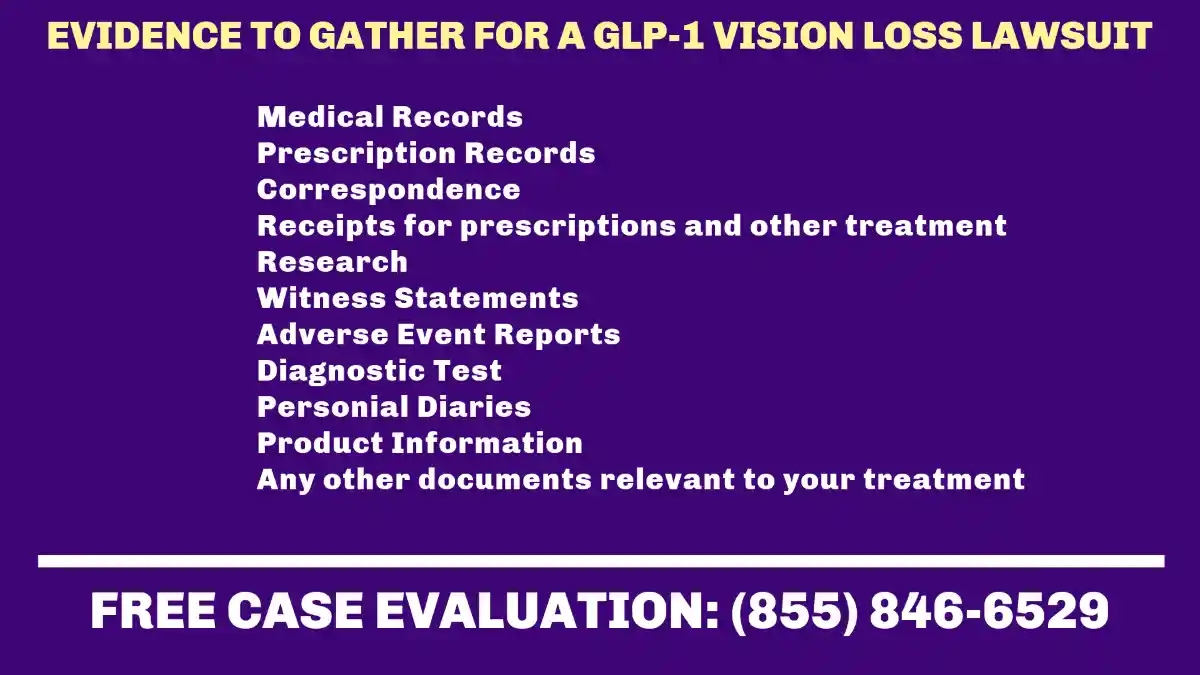
- Evidence Collecting: Legal teams collect critical documentation including:
-
- Complete medical records from ophthalmologists and prescribing physicians
-
- Pharmacy records establishing drug usage timelines
-
- Expert medical opinions linking GLP-1 drugs to specific vision conditions
-
- Scientific literature and FDA adverse event reports
3. Filing the Complaint
- Formal GLP-1 Vision Loss Lawsuit: The formal lawsuit articulates specific allegations against defendants, detailing how inadequate warnings contributed to preventable vision loss.
- Failue to Warn: Complaints identify applicable legal theories such as failure to warn, design defect, or negligence.
4. Discovery Phase
Both parties exchange information through interrogatories, document requests, and depositions. Manufacturers must disclose internal communications regarding known risks, clinical trial data, and safety monitoring protocols.
5. Settlement Negotiations or Trial
Many pharmaceutical cases resolve through negotiated settlements before trial. Cases proceeding to litigation require presentation of medical testimony, scientific evidence, and damages documentation before judges or juries who determine liability and compensation amounts.

Protecting Your Vision Health While Using GLP-1 Drugs Like Ozempic or Wegovy
Maintain Eye Health: If you are taking GLP-1 medications like Ozempic or Wegovy, it’s important to keep an eye on your eye health. These medications may have a connection to vision problems, so regular eye check-ups are essential.
Essential Preventive Measures:
- Schedule comprehensive baseline eye examinations before starting GLP-1 therapy to establish documented visual function parameters
- Maintain routine ophthalmological appointments at intervals recommended by healthcare providers, typically every six to twelve months
- Report any sudden changes in vision, including blurred vision, dark spots, or peripheral vision loss, immediately to medical professionals
- Document Everything: Document all visual symptoms with specific details regarding onset, duration, and severity for accurate medical assessment
- Optic Nerve Heath: Request specific screening for optic nerve health and evaluation of risk factors associated with NAION
- Pre-existing Conditions: If you have existing conditions such as diabetes, hypertension, or cardiovascular disease, you’ll need closer monitoring because these conditions increase the risk of optic nerve damage. Before prescribing GLP-1 medications to individuals with vascular health issues or previous eye complications, healthcare providers should carefully weigh the potential benefits against the risks.
- Maintain Regular Eye Examinations: Integrating regular eye examinations into the treatment plan for patients on GLP-1 medications is crucial. It allows for early detection of any adverse effects and enables prompt action to protect your vision.
Recent Developments and Future Outlook for GLP-1 Vision Loss Litigation Against Drug Manufacturers Like Novo Nordisk or Eli Lilly
- Legal Landscape: The legal landscape surrounding GLP-1 Vision Loss Lawsuit claims continues to evolve as new cases emerge and existing litigation progresses through federal court systems.
- Tidal Wave of Litigation: Multiple lawsuits filed against Novo Nordisk and Eli Lilly have alleged that manufacturers failed to adequately warn patients and healthcare providers about the potential risk of non-arteritic anterior ischemic optic neuropathy (NAION) and other vision-related complications associated with their products.
Recent Updates on Ongoing Multidistrict Litigations
- MDL Proceedings Update: Recent updates on ongoing multidistrict litigations involving drugs like Zepbound indicate a growing consolidation of cases as courts recognize the common factual and legal questions presented across numerous individual claims.
- Coordination of Discovery: Legal observers anticipate that coordination of these cases will facilitate more efficient discovery processes and potentially expedite resolution timelines for affected patients.
Pressure on the Pharmaceutical Industry
- GLP-1 Blindness Lawsuit: The pharmaceutical industry faces mounting pressure to conduct additional post-market surveillance studies examining the relationship between GLP-1 receptor agonists and vision complications.
- Regulatory Agencies: Have increased scrutiny of adverse event reports, which may influence future labeling requirements and prescribing guidelines for these medications.
Gathering Evidence for Litigation
- GLP-1 Plaintiffs’ attorneys continue to gather medical evidence and expert testimony to establish causation between GLP-1 drug use and sudden vision loss.
- The development of scientific literature exploring this connection will likely shape the trajectory of current and future litigation, potentially affecting settlement negotiations and trial outcomes for cases pending against major manufacturers.

Frequently Asked Quesstions about a GLP-1 Vision Loss Lawsuit
1. What is a GLP-1 Vision Loss Lawsuit?
A GLP-1 Vision Loss Lawsuit is a legal claim filed by individuals who have experienced sudden or permanent vision loss, such as non-arteritic anterior ischemic optic neuropathy (NAION), after using GLP-1 medications like Ozempic, Wegovy, Mounjaro, or Zepbound. These lawsuits typically allege that drug manufacturers failed to adequately warn patients and healthcare providers about the risk of serious GLP-1 vision side effects.
2. What are the main vision problems associated with GLP-1 drugs?
GLP-1 drugs have been linked to several eye problems, including:
- Non-arteritic anterior ischemic optic neuropathy (NAION)
- Optic neuropathy
- Retinal ischemia
- Exacerbation of diabetic retinopathy
These GLP-1 eye problems can range from mild visual field defects to complete blindness in one eye.
3. Who can file a GLP-1 Blindness Lawsuit?
You may be eligible to file a GLP-1 blindness lawsuit if you:
- Used a GLP-1 medication (such as Ozempic, Wegovy, or Mounjaro)
- Experienced significant vision loss or were diagnosed with NAION or another serious optic condition
- Can provide medical records linking your vision impairment to your use of the drug
An experienced GLP-1 vision loss lawyer can evaluate your case and determine whether you meet the criteria for legal action.
4. What should I do if I experience vision side effects while taking a GLP-1 drug?
If you notice any changes in your vision while using a GLP-1 medication:
- Schedule an immediate eye examination with an ophthalmologist.
- Document all symptoms and keep detailed medical records.
- Report your adverse event to the FDA’s MedWatch program.
- Consult with an attorney specializing in pharmaceutical litigation to discuss your legal options regarding a possible GLP-1 vision loss lawsuit.
5. How can a lawyer help with my GLP-1 Vision Loss case?
A GLP-1 Vision Loss lawyer can:
- Review your medical history and prescription records
- Gather evidence linking your condition to the medication
- File claims against manufacturers for failure to warn, design defects, negligence, or strict liability
- Guide you through each stage of the legal process—from initial consultation through potential settlement or trial—to help secure compensation for your injuries and losses
Conclusion
- GLP-1 Eye Problems: If you are experiencing GLP-1 vision problems while using GLP-1 medications, it is important to prioritize your health and legal rights. The growing link between these drugs and serious eye conditions requires immediate attention from both medical and legal professionals. Awareness of GLP-1 vision issues has significantly increased, prompting affected individuals to carefully document their symptoms and keep thorough medical records.
- GLP-1 Vision Side Effectss: If you have developed vision impairment, especially NAION, while taking Ozempic, Wegovy, Mounjaro, or similar medications, consider taking the following steps:
-
- Schedule an immediate eye examination to assess your current eye health
-
- Keep all medical records, prescription documents, and communication with healthcare providers
-
- Reach out to a qualified attorney specializing in pharmaceutical litigation to evaluate potential claims
-
- Report any adverse events to the FDA’s MedWatch program to contribute to regulatory oversight
- Litigation Landscape: The landscape of GLP-1 Vision Loss Lawsuits is continuously evolving as new evidence emerges and more cases enter the courts. Seeking timely advice from experienced legal counsel like Timothy L. Miles will help protect your rights and provide access to potential compensation for medical expenses, lost wages, and reduced quality of life resulting from these preventable injuries.

If You Suffered from GLP-1 Vision Side Effects, Contact GLP-1 Vision Loss Lawyer Timothy L. Miles Today

