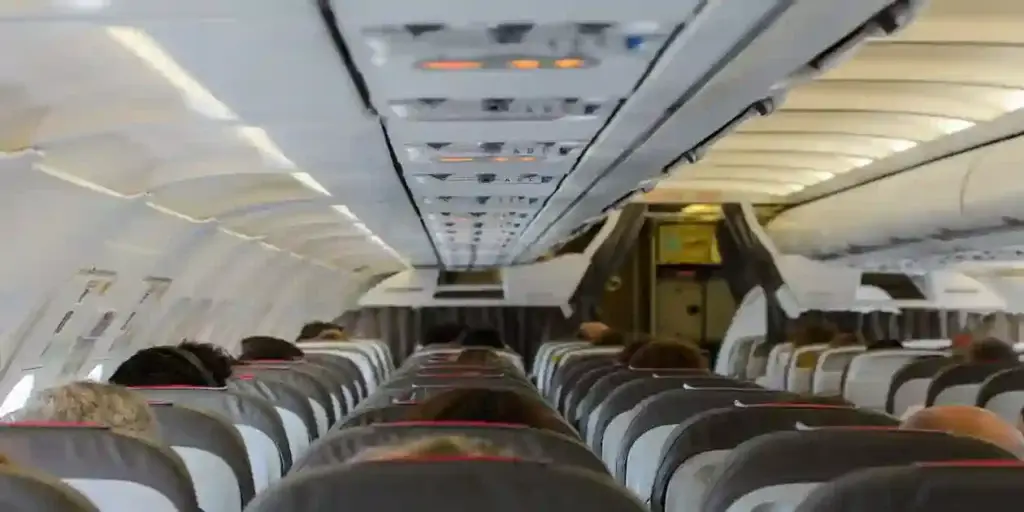
Introduction to Aircraft Toxic Fume Exposure
Welcome to this authoritative ananysis of aircraft toxic fume exposure. For more than two decades, reports of “fume events” on commercial aircraft have circulated through incident databases, crew forums, union briefings, medical case reports, and parliamentary hearings.
The underlying allegation is consistent: under certain operating conditions, contaminated cabin air can contain harmful chemicals, and a subset of exposed passengers and, more frequently, aircrew can experience acute symptoms and, in some cases, prolonged health effects.
In 2026, the public debate continues because the issue sits at the intersection of engineering design, occupational health, regulatory thresholds, and evidentiary standards. The aviation system is optimized for redundancy and safety in catastrophic scenarios.
By contrast, low-frequency, variable-exposure environmental hazards such as those arising from aircraft toxic fume exposure, are harder to characterize, harder to reproduce, and harder to adjudicate. The result is a persistent dispute about prevalence, causation, and the adequacy of existing controls.
This article explains what aircraft toxic fume exposure refers to, why it remains contested, what is known about sources and contaminants such as those from toxic fumes leaking from aircraft systems like engine oil and hydraulic fluid constituents that may enter the air supply. It also discusses which governance and mitigation steps are shaping the next phase of the discussion.
If you believe you have been affected by toxic airplane fumes or contaminated cabin aircontact Aerotoxic Syndrome lawyer Timothy L. Miles as you may be eligible for an Aerotoxic Syndrome Lawsuit and potentially entitled to substantial compensation. (855) 846–6529 or [email protected].

What “Toxic Fume Exposure” Means in Aviation
In commercial jet operations, the term usually refers to exposure to airborne contaminants in the cabin and flight deck arising from a “fume event.” A fume event is typically described as an abnormal odor, haze, smoke-like mist, or sensory irritation reported by crew and passengers, sometimes accompanied by physiological symptoms such as eye and throat irritation, dizziness, headache, nausea, cough, confusion, or fatigue.
Two points matter for clarity.
First, not all odors are “toxic.” Cabin air quality can be affected by many non-toxic sources like galley emissions or cleaning agents. However, the controversy focuses on contaminants plausibly linked to aircraft systems.
Second, not all exposures are equal. Aviation discussions often conflate three distinct scenarios:
- Acute high-level exposure, such as a visible haze with strong odor.
- Intermittent low-to-moderate exposure, reported as recurring odors on certain aircraft or fleets.
- Chronic cumulative exposure, primarily an occupational concern for crew with repeated flights over years.
The scientific and legal arguments vary by scenario; for instance toxic fume exposure lawsuits often arise from these incidents. Governance responses require different evidence and controls based on the nature of the exposure.
How Cabin Air Is Supplied (And Why It Matters)
Most large commercial jets historically have used bleed air systems, where compressed air is tapped (“bled”) from the engine compressor stages (or auxiliary power unit, APU), cooled, conditioned, and delivered to the cabin.
This design choice is central to the debate because, under certain failure modes or operating conditions, oil seals or hydraulic interfaces can allow small amounts of fluid or thermal breakdown products to enter the bleed air stream. The resulting contaminants can then be distributed through the environmental control system (ECS).
A key nuance is that many seals in turbine engines are not “perfect barriers” in the everyday sense. They are engineered to manage pressure differentials and allow controlled leakage patterns. The argument is not that aircraft are routinely filled with smoke. The argument is that low-level contamination may be more common than recognized, and that episodic seal failures or transient conditions can lead to higher contamination events.
Not all airliners use bleed air. Some aircraft families use electrically driven compressors rather than engine bleed air, a design that changes the contamination pathway and has become a reference point in policy discussions. However, even in non-bleed architectures, other sources of cabin contaminants still exist, and the debate is not resolved purely by design category.
What Are the Suspected Contaminants?
The chemicals of concern are typically associated with:
- Engine oils (including synthetic base stocks and additives)
- Hydraulic fluids (including phosphate ester fluids in some systems)
- Thermal decomposition products created when oils/fluids are heated
Of particular public interest are organophosphates, a class of compounds that can include anti-wear additives used in some lubricants. A commonly cited example in public discussions is tricresyl phosphate (TCP). The technical reality is more detailed: TCP is a family of isomers, and toxicity profiles vary by isomeric composition. In addition, exposure risk depends on concentration, aerosolization, particle size distribution, duration, and ventilation rates.
Other potentially relevant contaminants include:
- Ultrafine particles (UFPs) generated by heated oils or other sources
- Volatile organic compounds (VOCs) from fluid breakdown, materials off-gassing, or operational sources
- Carbon monoxide (CO) in certain abnormal scenarios
- Aldehydes and other irritants associated with thermal oxidation products
From a health-risk standpoint, the challenge is that a fume event often results in toxic airplane cabin fumes, which can be a complex mixture rather than a single agent exposure. This complicates measurement, toxicological inference, and clinical attribution. In fact, prolonged exposure to such toxic cabin air can lead to serious health issues.
Why the Debate Persists in 2026
The ongoing controversy is not simply about whether fume events occur. It is about standards of proof and the completeness of surveillance. Several structural factors keep the issue alive.
1) Measurement Is Often Absent When It Matters Most
Many fume events are identified by smell, irritation, or haze. Yet systematic chemical sampling at the time of an event is frequently unavailable. Without time-synchronized measurements, retrospective reconstruction becomes uncertain.
Two governance consequences follow:
- Under-reporting risk: if events are not consistently logged, the denominator is unknown.
- Attribution risk: without validated exposure profiles, it is difficult to link symptoms to specific contaminants.
Aviation’s investigative culture excels at analyzing hard failures with objective data, such as flight data recorder parameters or maintenance records. Environmental exposures demand a comparable data infrastructure, and that infrastructure has historically been uneven.
If you believe you have been affected by toxic airplane fumes or contaminated cabin aircontact Aerotoxic Syndrome lawyer Timothy L. Miles as you may be eligible for an Aerotoxic Syndrome Lawsuit and potentially entitled to substantial compensation. (855) 846–6529 or [email protected].
2) Symptoms Are Real, But Differential Diagnosis Is Complex
Crew and passengers reporting symptoms may be experiencing:
- Irritation from VOCs or particulates
- Hypoxia-like sensations from stress and hyperventilation
- Migraine triggers from odor exposure
- Viral illness coincident with flight
- Anxiety responses, especially in a confined environment
This complexity is not an argument to dismiss symptoms. It is an argument for better clinical pathways and better event characterization. In occupational health, a credible program distinguishes between “symptoms occurred” and “symptoms were caused by compound X at concentration Y for duration Z.” The former can be established by testimony and medical notes. The latter requires exposure data and mechanistic plausibility.
For instance, fume event symptoms can range widely and may often be misattributed due to lack of precise measurement or data. Some individuals might report jet fuel exposure related symptoms which are very real but could also stem from other sources like stress or viral illnesses. Moreover, without proper documentation during these events, we face a significant [under-reporting risk](https://classactionlawyertn.com/fume-event-symptoms-23665578/), complicating our understanding and response to these incidents.
Adding to this complexity is the psychological dimension of reported symptoms. The stress of flying itself can trigger anxiety responses, further blurring the lines between environmental exposure effects and psychological reactions.
3) Risk Communication Collides With Passenger Confidence
Airlines and regulators must communicate carefully. Overstating risk can create undue alarm and operational disruption. Understating risk can erode trust and expose organizations to allegations of negligence.
This is where corporate governance matters. A forward-looking approach prioritizes transparency, repeatability, and continuous improvement. It replaces defensiveness with process: measure, analyze, mitigate, and report.
4) Occupational Versus Public Health Frames Differ
For the general public, most flights are occasional exposures. For cabin crew and flight crew, exposures can be repetitive over a career, and even low-frequency events may accumulate into a meaningful occupational concern.
As a result, unions and worker advocates often push for precautionary controls, while some industry stakeholders emphasize low event frequency and uncertain causality. The policy center of gravity tends to shift when occupational health evidence, compensation claims, or high-profile incidents gain attention.
“Aerotoxic Syndrome”: A Term That Shapes the Argument
The phrase “aerotoxic syndrome” is used by some clinicians and advocates to describe a pattern of neurological, respiratory, and systemic symptoms allegedly linked to exposure to contaminated cabin air, particularly organophosphates and related compounds.
The term is influential because it offers a narrative and a label. At the same time, it remains contested in parts of the medical and regulatory communities because diagnostic criteria, biomarkers, and exposure confirmation are inconsistent across reported cases.
In practice, the debate around terminology often masks a more actionable question: whether the aviation system has adequate hazard identification, exposure monitoring, medical protocols, and engineering controls to manage a plausible contamination risk. Governance should not depend on winning a semantic dispute. Governance should depend on risk management discipline.
What Typically Triggers a Fume Event?
While specifics vary by aircraft type and maintenance state, commonly discussed triggers include:
- Oil seal leakage into bleed air pathways during transient engine power changes
- APU oil leakage affecting air supply on the ground
- Hydraulic fluid leaks that aerosolize and enter the ECS through seals or intake pathways
- Overheated components producing pyrolysis products
- Maintenance-related residues introduced during servicing
Importantly, the absence of visible smoke does not imply the absence of contaminants. Many exposures, if present, are at low concentrations or in ultrafine particle ranges that are not visually obvious. Such exposures can lead to serious health issues, as detailed in these articles about toxic airplane fume exposure, health risks from toxic airplane fumes, and experiences of being exposed to toxic airplane fumes.
Reporting, Documentation, and the “Denominator Problem”
A recurring governance weakness is inconsistent event documentation. Even when crew report odors, the recorded detail may be minimal: “strange smell,” “dirty socks,” “oil smell,” or “fumes in cabin.” These descriptors are subjective and culturally variable.
For risk analysis, stakeholders need:
- Standardized event categories (odor, haze, smoke, irritation, symptoms)
- Time stamps aligned to flight phase and system configuration
- Maintenance follow-up and defect findings
- Medical outcomes (immediate and delayed) where appropriate
- Environmental sampling data when available
Without these elements, the debate remains trapped between anecdotes and aggregate statistics that may not be comparable across operators or jurisdictions.
The Regulatory Landscape in 2026
Regulators generally treat cabin air quality through a mixture of design requirements, operational procedures, and occupational health frameworks. The core controversy is whether current requirements sufficiently address episodic contamination events like those caused by toxic airplane cabin fumes, and whether the industry should adopt more explicit exposure limits and monitoring obligations.
In 2026, scrutiny continues in several areas:
- Mandatory or standardized reporting of fume events
- Guidance for crew medical evaluation after suspected exposure to toxic airplane fume exposure
- Engineering controls such as filtration enhancements and sensor deployment
- Research funding for exposure characterization and long-term health outcomes
- Harmonization across regions to avoid fragmented standards
The forward-looking direction is clear: regulators are more likely to demand measurable controls when credible measurement is feasible and reporting systems demonstrate that “unknown unknowns” are becoming “known knowns.”
For further insight into this subject matter, including potential solutions to these regulatory challenges, you might find relevant research such as this comprehensive study useful.
Engineering Controls: What Mitigation Can Look Like
The most credible risk reduction strategies follow the hierarchy of controls, adapted to an aviation context.
1) Elimination and Substitution (Design Choices)
Design architectures that remove or reduce contamination pathways offer the strongest theoretical control. That includes air supply systems that do not rely on engine bleed air, or designs that physically segregate potential contaminant sources from breathable air.
However, fleet transition cycles are long. Governance cannot rely solely on next-generation aircraft to solve present-day risk. Interim controls matter.
2) Engineering Controls (Filtration, Sensors, Containment)
Possible measures include:
- Enhanced filtration targeting particulates and certain chemical classes. Standard HEPA filters are effective for particles but not necessarily for VOCs; activated carbon or multi-stage systems may be needed for gases and odors.
- Real-time sensing for proxies such as VOCs, CO, and particulate counts, with event-triggered data capture. Governance value increases when sensors store time-series data, support maintenance diagnostics, and enable independent auditability.
- Improved sealing and maintenance practices to reduce leakage likelihood and to detect early seal degradation.
- ECS operational logic that can isolate or reconfigure air sources during suspected contamination (subject to aircraft design and safety constraints).
The technical objective is not perfect purity, which is unrealistic in any mobile environment. The objective is lower probability, lower magnitude, and faster detection.
3) Administrative Controls (Procedures and Training)
Administrative measures are often the fastest to deploy:
- Clear crew checklists for odor/haze events
- Criteria for when to don oxygen, when to divert, and when to request medical support
- Maintenance troubleshooting protocols that treat repeated odor reports as reliability signals, not “nuisance write-ups”
- Post-event documentation standards that capture both operational and health information
In governance terms, procedures reduce variance. Training reduces hesitation. Documentation reduces ambiguity.
4) Personal Protective Equipment (PPE)
For flight crew, quick-access oxygen is already a safety critical system. For cabin crew, respiratory protection is more operationally complex. Nonetheless, some proposals in the public debate include accessible protective breathing equipment for crew during suspected fume events.
PPE is a last-line control. It is not a substitute for engineering changes, but it can be part of a layered defense when elimination is not immediately feasible.
If you believe you have been affected by toxic airplane fumes or contaminated cabin aircontact Aerotoxic Syndrome lawyer Timothy L. Miles as you may be eligible for an Aerotoxic Syndrome Lawsuit and potentially entitled to substantial compensation. (855) 846–6529 or [email protected].
Medical Response: From Ad Hoc to Protocol-Driven
A recurring concern among affected crew is inconsistent medical handling. A robust approach typically includes:
- Immediate assessment for acute impairment (neurological status, respiratory symptoms)
- Documentation of timing, symptoms, and exposure context
- Follow-up pathways for persistent symptoms, including occupational medicine referral
- Fitness-for-duty frameworks that balance safety, recovery, and fairness
- Support for differential diagnosis while still recognizing exposure as a legitimate occupational incident
From a corporate governance perspective, medical protocols protect three interests simultaneously: individual welfare, operational safety, and legal defensibility.
Litigation, Liability, and the Reputation Risk Loop
Where uncertainty persists, litigation tends to fill the gap. Claims may focus on negligence, inadequate warnings, flawed design, or failure to accommodate affected employees. Even when claims are difficult to prove causally, the reputational cost can be significant, particularly if internal documents suggest dismissiveness.
This is why integrity-based governance is not optional. Strong programs demonstrate:
- Board-level oversight of safety and occupational health risk
- Traceable decision-making on monitoring, training, and maintenance responses
- Independent review mechanisms for contested incidents
- A culture that encourages reporting and protects whistleblowers
Repetition matters here. Transparency builds trust. Documentation builds credibility. Prevention reduces exposure.
What the Public Should Take Away in 2026
The most responsible position is neither complacency nor alarmism. It is disciplined risk management.
- Fume events are reported often enough to merit structured surveillance.
- The chemical mixtures involved can plausibly produce irritation and acute symptoms in some circumstances.
- The evidence base for long-term outcomes remains contested, in part because exposure measurement and longitudinal tracking have historically been limited.
- The path forward is improved measurement, standardized reporting, and layered mitigation, supported by independent research and stronger occupational health protocols.
Public debate continues because the aviation system is being asked to evolve from “safe in the catastrophic sense” to “safe in the chronic-exposure sense.” That evolution is achievable, but it requires a governance mindset that treats cabin air quality as a measurable performance domain, not as a public relations problem.
Practical Questions Stakeholders Are Asking Now
In 2026, the most productive conversations tend to focus on implementation details:
- Which sensors provide actionable data without excessive false alarms?
- Which filtration upgrades offer measurable reduction in relevant contaminants?
- How should incident reporting be standardized across fleets and countries?
- What clinical documentation best supports both care and epidemiology?
- How should repeat events on specific tails be escalated and audited?
- What should passengers be told, and at what threshold?
These questions are operational by design. They convert debate into decisions.
Conclusion: Governance Will Decide the Next Chapter
The issue of aircraft toxic fume exposure remains a contested topic. This is largely due to the challenges in measuring, diagnosing definitively, and communicating the issue without polarizing the public. However, the direction of travel is clear. More data will be collected regarding toxic fumes in an airplane. More events will be categorized consistently. More mitigation options will be evaluated using performance metrics rather than assumptions.
The organizations that lead in 2026 will not be those that argue most effectively about the dangers of being exposed to toxic airplane fumes. They will be those that measure most consistently, respond most predictably, and govern most transparently. In aviation, trust is built through systems. For cabin air quality, the same principle applies: measure, mitigate, and repeat.
If you believe you have been affected by toxic airplane fumes or contaminated cabin aircontact Aerotoxic Syndrome lawyer Timothy L. Miles as you may be eligible for an Aerotoxic Syndrome Lawsuit and potentially entitled to substantial compensation. (855) 846–6529 or [email protected].
Frequently Asked Questions about Aircraft Toxic Fume Exposure
What is meant by ‘toxic fume exposure’ in commercial aviation?
In commercial aviation, ‘toxic fume exposure’ refers to the inhalation of airborne contaminants in the cabin and flight deck that arise during a ‘fume event.’ Such events typically involve abnormal odors, haze, or smoke-like mist, sometimes accompanied by symptoms like eye and throat irritation, dizziness, headache, nausea, cough, confusion, or fatigue. The focus is on contaminants plausibly linked to aircraft systems rather than non-toxic odors from sources like galley emissions or cleaning agents.
How is cabin air supplied in commercial jets and why does it matter for toxic fume exposure?
Most large commercial jets use bleed air systems where compressed air is taken from engine compressor stages or the auxiliary power unit (APU), cooled, conditioned, and delivered to the cabin. This design can allow small amounts of engine oil or hydraulic fluid constituents to enter the bleed air stream through oil seals or hydraulic interfaces under certain conditions. These contaminants can then spread through the environmental control system (ECS). Some aircraft use electrically driven compressors instead of bleed air, which changes contamination pathways but does not eliminate all potential sources of contaminated cabin air.
What are the main chemical contaminants suspected in aircraft toxic fume exposure?
The primary chemical contaminants include engine oils (with synthetic base stocks and additives), hydraulic fluids (such as phosphate ester fluids), and thermal decomposition products generated when these oils or fluids are heated. Organophosphates like tricresyl phosphate (TCP) are of particular concern due to their potential toxicity. Other relevant contaminants may include ultrafine particles (UFPs), volatile organic compounds (VOCs), carbon monoxide (CO) under abnormal conditions, and aldehydes associated with thermal oxidation products.
Why does aircraft toxic fume exposure remain a contested issue in aviation safety?
Toxic fume exposure remains contested because it involves low-frequency, variable-exposure environmental hazards that are difficult to characterize and reproduce scientifically. The debate spans engineering design complexities, occupational health concerns, regulatory thresholds, and evidentiary standards. There is ongoing dispute about prevalence rates of fume events, causation of health effects, and whether existing controls are adequate to protect passengers and crew.
What types of exposure scenarios exist regarding aircraft toxic fumes exposure?
There are three distinct exposure scenarios: 1) Acute high-level exposure characterized by visible haze with strong odor; 2) Intermittent low-to-moderate exposure reported as recurring odors on certain aircraft or fleets; 3) Chronic cumulative exposure primarily affecting crew members with repeated flights over years. Each scenario differs in scientific evidence requirements and legal considerations.
What governance and mitigation steps are being considered to address aircraft toxic fume exposure?
Governance responses involve establishing evidence-based controls tailored to the nature of exposures. This includes improving engineering designs such as reducing reliance on bleed air systems in favor of electrically driven compressors, enhancing seal technologies to minimize fluid leaks into air supplies, conducting rigorous monitoring of cabin air quality, updating occupational health guidelines for crew members, and advancing regulatory frameworks that better define acceptable contaminant thresholds and incident reporting protocols.
