
Introduction to the Saxenda Vision Problems Update
Welcome to this authoritative Saxenda Vision Problems Update. Saxenda (liraglutide) remains a widely prescribed, once daily injectable medication for chronic weight management in adults with obesity or overweight plus weight-related comorbidities. It belongs to the glucagon-like peptide-1 receptor agonist (GLP-1 RA) class, a category that has expanded rapidly and is now central to many long-term metabolic treatment strategies.
As utilization increases, so does the need for clear, clinically grounded guidance on potential adverse effects, including eye-related symptoms. Patients frequently ask whether Saxenda can cause vision problems, what symptoms warrant urgent evaluation, and how to manage risk, especially among individuals with diabetes or pre-existing ocular disease. For instance, Saxenda has been associated with vision problems, which raises concerns among patients.
This update provides a structured, patient-centered review of what is known, what is plausible, and what actions are prudent. The objective is not alarm. The objective is preparedness, clarity, and rapid response when it matters.
If you were prescribed Saxenda and took it as directed and suffered Saxenda and vision loss, or other Saxenda eye problems, contactTimothy L. Miles a Saxenda Vision Loss Lawyer today. You could be eligible for a Saxenda Vision Loss Lawsuit and potentially entitled to substantial compensation. (855) 846–6529 or [email protected].
What Saxenda Is and Why Eye Symptoms Are Being Discussed
Saxenda is liraglutide 3.0 mg, administered subcutaneously and typically titrated upward to reduce gastrointestinal side effects. Liraglutide is also marketed at lower doses for type 2 diabetes under a different brand.
From a pharmacologic standpoint, GLP-1 receptor agonists:
- Improve glycemic control through glucose-dependent insulin secretion
- Reduce glucagon secretion
- Slow gastric emptying
- Increase satiety and reduce caloric intake
These effects are beneficial. However, any therapy that changes glycemia, hydration status, blood pressure, or vascular tone can indirectly influence ocular symptoms. There have been reports of serious eye problems related to Saxenda use.
The critical distinction is this: “Vision problems” is not one single diagnosis. It is a symptom category that can reflect benign and reversible causes, serious but treatable conditions, or rare emergencies. Some of the worst vision side effects reported include issues that could lead to lawsuits due to negligence in warning about these potential risks.
Patients should be aware that there are lawsuits filed regarding blindness as a side effect of using Saxenda. Furthermore, some users have experienced long-term vision side effects, which adds another layer of concern for prospective users.
In conclusion, while Saxenda offers significant benefits for weight management and metabolic health, it is crucial for patients to remain informed about its potential side effects on eye health and to seek immediate medical attention if they experience any concerning symptoms while on this medication.
“Vision Problems” Defined: Symptoms Patients Commonly Report
When patients attribute “vision issues” to Saxenda, they usually mean one or more of the following:
- Blurred vision (intermittent or persistent)
- Difficulty focusing or fluctuating clarity
- Spots, floaters, or flashes of light
- Dryness, irritation, or eye discomfort
- Headache with visual changes
- Dizziness with transient visual disturbance
- Dark curtain-like shadow, partial vision loss, or sudden severe impairment
Clinically, these symptoms require categorization by onset, severity, associated systemic symptoms, and baseline risk profile.
What the Evidence Suggests: Direct Versus Indirect Mechanisms
1) Indirect effects related to blood sugar changes
Fluctuating blood glucose levels can temporarily change the eye’s refractive properties, leading to blurred vision. This is particularly relevant if:
- You have type 2 diabetes and Saxenda Vision Loss Lawsuit Saxenda improves glucose control quickly
- You were previously hyperglycemic and are now lowering glucose more consistently
- You are adjusting other glucose-lowering medications simultaneously
In these cases, blurred vision may be transient as the body adapts. However, transient does not mean ignorable, especially in diabetes.
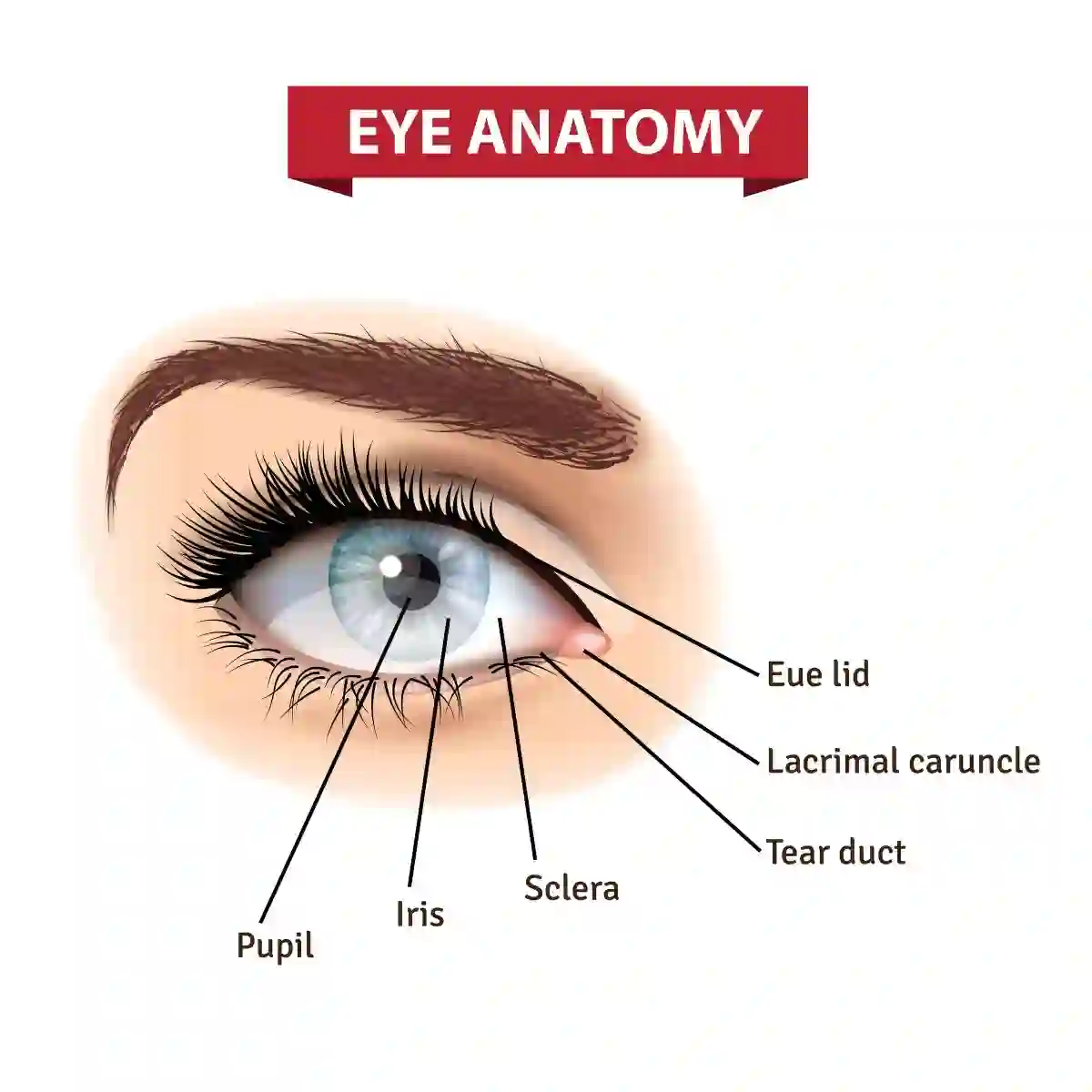
2) Diabetic retinopathy considerations
Diabetic retinopathy is a microvascular complication of diabetes that can worsen over time. A well-described clinical phenomenon across multiple diabetes therapies is that rapid improvement in glycemic control may be associated with short-term worsening of diabetic retinopathy in some patients, even while long-term control is protective.
This is not unique to GLP-1 RAs. It is a broader metabolic principle. For patients with established retinopathy, this risk requires proactive planning:
- Baseline eye examination
- Regular follow-up, especially during periods of rapid A1C improvement
- Clear thresholds for urgent evaluation if symptoms emerge
It’s important to note that some patients have reported severe vision loss after using Saxenda. If you or a loved one has experienced such issues while on this medication, it may be beneficial to consult with a Saxenda vision loss lawyer, who can provide legal guidance and support. There are ongoing lawsuits concerning these adverse effects which could potentially help those affected by such serious side effects.
3) Dehydration, nausea, vomiting, and visual disturbance
Saxenda commonly causes gastrointestinal adverse effects, especially during titration. Nausea, reduced oral intake, and vomiting can contribute to:
- Dehydration and reduced tear film stability (dry eyes, irritation)
- Orthostatic hypotension (lightheadedness with transient visual dimming)
- Electrolyte disturbances in severe cases
If visual symptoms occur alongside significant gastrointestinal symptoms, the immediate focus should be hydration assessment and medical review, not guesswork.
If you were prescribed Saxenda and took it as directed and suffered Saxenda and vision loss, or other Saxenda eye problems, contactTimothy L. Miles a Saxenda Vision Loss Lawyer today. You could be eligible for a Saxenda Vision Loss Lawsuit and potentially entitled to substantial compensation. (855) 846–6529 or [email protected].
4) Blood pressure and vascular factors
Weight loss and appetite reduction can change blood pressure profiles. For some individuals, that is beneficial. For others, particularly those on antihypertensives, it may contribute to:
- Lightheadedness
- Temporary visual dimming upon standing
- Reduced tolerance to dehydration
This is not typically a primary ocular pathology, but it can be experienced as a “vision problem.”
5) Rare but serious ocular events: what patients fear most
Patients often search for worst-case scenarios. Clinically, the relevant approach is to identify red-flag symptoms and treat them as urgent regardless of the suspected cause.
Sudden vision loss, flashes with new floaters, or a curtain-like shadow can indicate retinal tears or detachment. Painful red eye with visual impairment can indicate acute glaucoma or uveitis. These are emergencies in ophthalmology. Whether Saxenda is involved is secondary to timely intervention.
A Practical Risk Stratification: Who Should Be Especially Proactive
Higher vigilance is recommended if you have:
- Type 1 or type 2 diabetes (particularly long-standing)
- Known diabetic retinopathy or macular edema
- Prior retinal tear, detachment, or significant ocular surgery
- Severe hypertension, vascular disease, or high cardiovascular risk
- A history of migraine with aura (visual symptoms may be misattributed)
- Rapid recent changes in glucose control or diabetes medication regimen
Lower baseline ocular risk (but still requires attention) if you:
- Do not have diabetes
- Have stable blood pressure
- Are not experiencing significant gastrointestinal symptoms
- Have no prior ocular disease
Even in lower-risk groups, any sudden or progressive vision changes warrant medical review.
Red Flags: Symptoms That Require Immediate Medical Evaluation
If any of the following occur, treat the situation as urgent. Do not wait for the next routine appointment.
- Sudden vision loss in one or both eyes
- Flashes of light, especially with new floaters
- A shadow or “curtain” over part of the visual field
- Severe eye pain, redness, and blurred vision
- New double vision
- Neurologic symptoms such as facial droop, weakness, slurred speech, confusion, or severe headache
These symptoms can reflect retinal pathology, acute glaucoma, vascular events, or neurologic emergencies. Immediate evaluation protects vision.
If you were prescribed Saxenda and took it as directed and suffered Saxenda and vision loss, or other Saxenda eye problems, contactTimothy L. Miles a Saxenda Vision Loss Lawyer today. You could be eligible for a Saxenda Vision Loss Lawsuit and potentially entitled to substantial compensation. (855) 846–6529 or [email protected].
Non-Emergency Symptoms That Still Need Timely Assessment
Some visual changes are not emergent but remain clinically meaningful, particularly if persistent:
- Intermittent blurred vision that correlates with meals or glucose fluctuations
- Dry eyes and irritation that persists beyond the first weeks of treatment
- Mild visual disturbances associated with dizziness or nausea
- Headache with light sensitivity or aura-like symptoms
These cases should prompt a structured review:
- Check hydration status and dietary intake
- Review blood pressure and orthostatic symptoms
- Review glucose trends if you have diabetes
- Consider a formal eye examination if symptoms persist or recur
How to Respond if You Experience Vision Changes While on Saxenda
Step 1: Do not self-diagnose based on online anecdotes
Vision symptoms cluster across many causes. Treat online reports as signals to seek evaluation, not as diagnostic confirmation.
Step 2: Document the pattern precisely
Clinicians can act faster when details are clear. Record:
- Exact symptom (blurred, double vision, spots, flashes)
- Onset (sudden versus gradual)
- Duration (minutes, hours, days)
- One eye or both eyes
- Associated symptoms (headache, nausea, dehydration, neurologic signs)
- Recent dose increase or missed meals
- Blood glucose readings if available
Step 3: Check for immediate red flags
If any red-flag symptoms are present, seek urgent care or emergency ophthalmology services.
Step 4: Contact the prescribing clinician promptly for non-emergent symptoms
The clinician may:
- Review dose titration speed and tolerability
- Evaluate dehydration or blood pressure changes
- Adjust concurrent diabetes medications if glucose is changing quickly
- Recommend an eye examination, particularly for patients with diabetes
Step 5: Do not stop Saxenda abruptly without guidance unless emergency symptoms occur
Discontinuation decisions should be individualized. In urgent ocular emergencies, immediate medical evaluation takes priority. For non-emergent symptoms, coordinated management is typically safer than abrupt cessation.
The Diabetes-Specific Imperative: Eye Exams Are Not Optional
For patients with diabetes, a proactive approach is not a formality. It is risk management.
Recommended best practice (general guidance)
-
- Ensure you are current on dilated eye examinations per your clinician’s schedule.
- If you have known retinopathy, discuss whether a follow-up exam should occur after major changes in glycemic control or weight.
- If your A1C is expected to decrease substantially over a short interval, ask whether increased ocular monitoring is appropriate.
The objective is repetition for emphasis: monitor, document, escalate early. Monitor, document, escalate early.
Titration and Tolerability: Why the First Weeks Matter
Many Saxenda side effects cluster during titration. In that window, patients are more likely to experience:
- Reduced appetite leading to lower fluid intake
- Nausea and vomiting leading to dehydration
- Rapid changes in diet composition and meal timing
- Blood pressure shifts, especially in patients on antihypertensives
These factors can provoke transient visual complaints. The forward-looking strategy is to reduce physiologic stress during titration:
- Increase fluids consistently, unless medically restricted
- Eat small, regular meals to reduce nausea and stabilize energy
- Rise slowly from sitting or lying positions
- Report severe vomiting promptly to prevent dehydration complications
Medication Interactions and Confounding Factors
Patients frequently start Saxenda while also modifying other therapies. Visual symptoms may be influenced by:
- Adjustments to insulin or sulfonylureas causing hypoglycemia risk
- Diuretics increasing dehydration susceptibility
- Antihypertensives contributing to orthostatic hypotension during weight loss
- Anticholinergic medications worsening dry eye symptoms
- Migraine triggers related to dietary shifts and weight-loss patterns
For this reason, clinicians should conduct medication reconciliation and assess for overlapping effects. Patients should provide a complete list of:
- Prescription medications
- Over-the-counter medications
- Supplements, including weight loss or stimulant products
If you were prescribed Saxenda and took it as directed and suffered Saxenda and vision loss, or other Saxenda eye problems, contactTimothy L. Miles a Saxenda Vision Loss Lawyer today. You could be eligible for a Saxenda Vision Loss Lawsuit and potentially entitled to substantial compensation. (855) 846–6529 or [email protected].
Corporate Governance, Pharmacovigilance, and Why Reporting Matters
Robust drug safety monitoring depends on repetition for emphasis: recognize, report, respond. Recognize, report, respond.
Pharmacovigilance systems are designed to detect patterns that may not be evident in individual cases. Reporting vision-related adverse events supports:
- Signal detection across large populations
- Risk characterization in high-risk subgroups
- Updates to prescribing information when warranted
- Better patient education materials and clinical guidelines
Patients and clinicians can report suspected adverse events through national reporting systems, depending on jurisdiction. It’s crucial to understand that reporting does not prove causation; however, it significantly strengthens surveillance which supports safer long-term use.
In some cases, adverse events such as vision loss may occur. Such instances underscore the importance of reporting and documenting these side effects for further investigation and understanding of the drug’s impact on different individuals.
Understanding the role of pharmacovigilance is crucial in this context. This system plays a vital role in ensuring drug safety by monitoring the effects of medications post-approval.
What Patients Should Ask at the Next Appointment
A short, structured question set improves clarity and reduces uncertainty:
- Do I have risk factors for eye complications, such as diabetes, retinopathy, or vascular disease?
- Should I schedule a baseline dilated eye exam before or shortly after starting Saxenda?
- What degree of vision change is expected versus concerning in my case?
- How quickly do you expect my glucose and A1C to change, and should my eye monitoring change accordingly?
- If I develop blurred vision, should I adjust my dose, pause titration, or seek eye care first?
- Which symptoms require same-day evaluation?
This level of structure is not excessive. It is governance at the individual level: clear roles, clear thresholds, clear escalation pathways.
A Patient Action Plan: Clear Steps, Clear Thresholds
To translate this update into operational guidance, use the following:
If you experience mild, intermittent blurred vision:
- Check hydration and meal regularity
- If diabetic, check glucose trends
- Contact your clinician if it persists beyond 24 to 48 hours or recurs
If you experience persistent blurred vision or any new floaters:
- Arrange prompt clinical review
- Consider an eye examination, especially if diabetic or high-risk
- Be aware that using Saxenda may increase the risk of developing diabetic retinopathy
If you experience flashes, a curtain-like shadow, sudden vision loss, or severe eye pain:
- Seek urgent medical evaluation immediately
- Do not delay for routine scheduling
This approach prioritizes integrity, reduces delay, and protects long-term outcomes.
Conclusion: Clarity, Vigilance, and Proactive Care
Saxenda can coincide with vision-related symptoms for multiple reasons, most commonly through indirect pathways such as glycemic shifts, dehydration, or blood pressure changes. For patients with diabetes, the stakes are higher because baseline ocular vulnerability is higher, and rapid metabolic improvement can change retinopathy dynamics in the short term.
The governing principle is repetition for emphasis: take symptoms seriously, escalate early, document precisely. Take symptoms seriously, escalate early, document precisely.
Weight management medications can be valuable tools. Their value increases when patient education is explicit, monitoring is structured, and response pathways are immediate. That is the imperative patient update: not fear, but readiness.
If you were prescribed Saxenda and took it as directed and suffered Saxenda and vision loss, or other Saxenda eye problems, contactTimothy L. Miles a Saxenda Vision Loss Lawyer today. You could be eligible for a Saxenda Vision Loss Lawsuit and potentially entitled to substantial compensation. (855) 846–6529 or [email protected].
Frequently Asked Questions about Saxenda Vision Problems
What is Saxenda and how does it work for weight management?
Saxenda is a once daily injectable medication containing liraglutide 3.0 mg, used for chronic weight management in adults with obesity or overweight plus weight-related comorbidities. It belongs to the glucagon-like peptide-1 receptor agonist (GLP-1 RA) class, which improves glycemic control by enhancing glucose-dependent insulin secretion, reducing glucagon secretion, slowing gastric emptying, and increasing satiety to reduce caloric intake.
Can Saxenda cause vision problems or eye-related side effects?
Yes, Saxenda has been associated with various vision problems and eye-related symptoms. These can range from benign and reversible issues such as blurred vision or dryness to serious conditions including diabetic retinopathy worsening or rare emergencies that may lead to significant vision loss. Patients should be aware of these potential risks and monitor for symptoms closely.
What types of vision problems have been reported by patients using Saxenda?
Patients commonly report symptoms such as blurred vision (intermittent or persistent), difficulty focusing or fluctuating clarity, spots, floaters, flashes of light, dryness or irritation in the eyes, headaches with visual changes, dizziness with transient visual disturbance, and in severe cases, dark curtain-like shadows, partial vision loss, or sudden severe impairment.
How does Saxenda indirectly affect eye health through blood sugar changes?
Saxenda improves glycemic control which can lead to fluctuations in blood glucose levels. These fluctuations can temporarily change the eye’s refractive properties causing blurred vision. This effect is especially relevant for individuals with type 2 diabetes who experience rapid improvements in glucose control or are adjusting other glucose-lowering medications simultaneously. While often transient, these symptoms should not be ignored.
What precautions should patients with diabetes take regarding Saxenda and diabetic retinopathy?
Patients with established diabetic retinopathy should undergo baseline eye examinations before starting Saxenda and have regular follow-ups during periods of rapid A1C improvement. Rapid glycemic control can sometimes worsen diabetic retinopathy in the short term despite long-term benefits. Clear thresholds for urgent evaluation if symptoms arise are essential to manage this risk effectively.