
Introduction to Trulicity and NAION: An Atrocious Backstabbing Side Effect
Welcome to this authoritative guide on Trulicity and NAION. If you live with type 2 diabetes, you already know the central tradeoff that follows every treatment decision: better glycemic control today versus the long-term complications that uncontrolled disease can trigger tomorrow. Medications such as Trulicity (dulaglutide) sit at the heart of that equation because they can meaningfully reduce A1C, support weight loss, and lower cardiovascular risk in selected patients.
However, there is another side of the equation that deserves equal attention, often discussed too late: rare, high-impact adverse events. Among the most alarming of these is NAION, a sudden, vision-threatening condition that can feel like a betrayal of the very health plan a patient is trying to follow.
This article explains what Trulicity is, what NAION is, why the relationship between the two has drawn attention, and how patients and clinicians can respond with clear-eyed, proactive risk management.
If you were prescribed Trulicity and took it as directed and suffered Trulicity and vision loss, Trulicity and NAION, or other severe Trulicity eye problems, contact Timothy L. Miles, a Trulicity Vision Loss Lawyer today as you could be eligible for a Trulicity vision loss lawsuit and potentially be entitled to substantial compensation. (855) 846–6529 or [email protected].
What Trulicity Is, and Why It Is Widely Prescribed
Trulicity (dulaglutide) is a GLP-1 receptor agonist. This drug class mimics the action of glucagon-like peptide-1, an incretin hormone that:
- Increases glucose-dependent insulin secretion
- Suppresses inappropriate glucagon release
- Slows gastric emptying
- Promotes satiety, often leading to weight loss
Clinically, Trulicity is used primarily for type 2 diabetes mellitus and is administered as a once-weekly injection. It is frequently selected because it improves glycemic control without the same hypoglycemia risk seen with insulin or sulfonylureas. Moreover, GLP-1 receptor agonists have established benefits in patients with cardiovascular risk.
That is the value proposition. The concern arises when a medication that improves metabolic outcomes may also be associated with rare but devastating complications like vision loss. Such cases have led to numerous lawsuits from affected patients who experienced debilitating vision side effects, including NAION and other serious vision problems.

What NAION Is: A Definition That Should Not Be Abstract
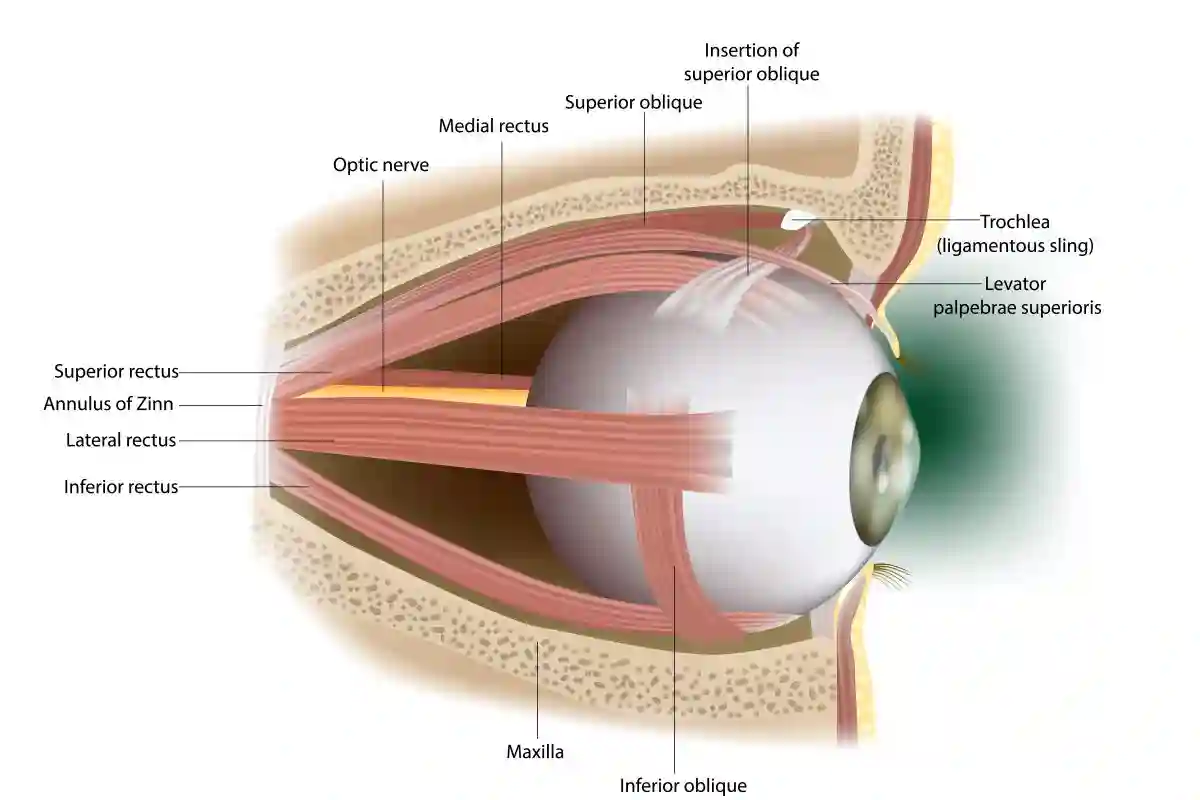
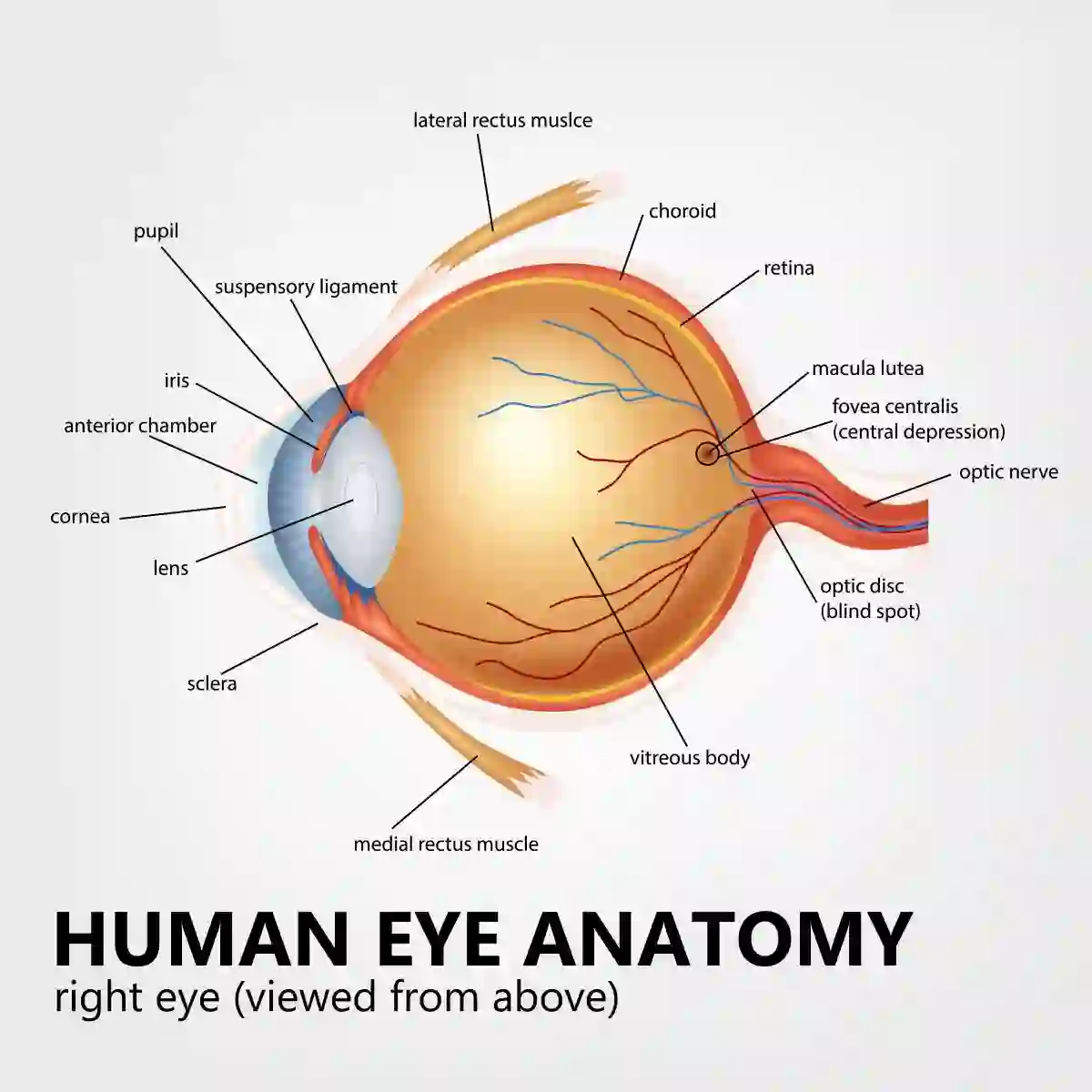
Non-arteritic anterior ischemic optic neuropathy (NAION) is an acute ischemic injury to the optic nerve head. In straightforward terms, it is often described as a stroke of the optic nerve, though that phrase is an analogy, not a formal diagnosis.
Key clinical features of NAION include:
- Sudden, painless vision loss in one eye (most common presentation)
- Visual field defects, frequently inferior altitudinal loss
- Optic disc swelling on examination in the acute phase
- Variable central acuity, ranging from mild impairment to severe loss
NAION is termed non-arteritic to distinguish it from arteritic anterior ischemic optic neuropathy, most often associated with giant cell arteritis, which is a medical emergency requiring immediate treatment.
NAION is not merely “blurry vision.” It is often abrupt, often irreversible, and often psychologically destabilizing, especially when it occurs in patients who were compliant with care and believed they were reducing future risk.
Why Diabetes Patients Are Already in a Higher-Risk Category
Even before discussing medications like Trulicity, it is essential to clarify that NAION has established risk factors that overlap significantly with the type 2 diabetes population. These include:
- Diabetes mellitus
- Hypertension
- Hyperlipidemia
- Obstructive sleep apnea (OSA)
- Smoking
- Nocturnal hypotension (including blood pressure dipping overnight)
- A “crowded” optic disc anatomy (often described as a small cup-to-disc ratio)
This matters because evaluating a potential medication association such as those related to Trulicity, Mounjaro, or other GLP-1 medications requires discipline. A correlation can be amplified if the underlying patient population is already predisposed to conditions like NAION, which has been linked to these medications in some instances.
For example, there have been reported cases where individuals taking Trulicity experienced vision loss, raising concerns about its safety profile for certain patients. If you’re considering legal action due to such adverse effects, it’s crucial to consult with a knowledgeable Trulicity vision loss lawyer who can guide you through the process.
At the same time, a high baseline risk does not excuse complacency. It raises the standard for screening, counseling, and escalation pathways when visual symptoms appear.
If you were prescribed Trulicity and took it as directed and suffered Trulicity and vision loss, Trulicity and NAION, or other severe Trulicity eye problems, contact Timothy L. Miles, a Trulicity Vision Loss Lawyer today as you could be eligible for a Trulicity vision loss lawsuit and potentially be entitled to substantial compensation. (855) 846–6529 or [email protected].
The Trulicity and NAION Question: What Is Actually Being Suggested?
Public concern has increased around whether GLP-1 receptor agonists, including dulaglutide, might be associated with NAION in some patients. The discussion is not limited to one medication, and it is not confined to one country or one clinical context. Patients have reported sudden visual changes temporally related to treatment initiation or dose escalation, and clinicians have debated whether the relationship is causal, contributory, or coincidental.
Here is what can be said responsibly without overstating the evidence:
- NAION is rare, but it is not hypothetical.
- Diabetes populations already carry NAION risk, creating a confounding background.
- A potential medication signal, if present, would likely involve vascular, hemodynamic, or metabolic mechanisms, rather than a direct toxic injury to the optic nerve.
- The appropriate posture is vigilance, not panic; documentation, not dismissal; early ophthalmologic evaluation, not watchful waiting.
If a patient experiences symptoms consistent with NAION, the practical priority is not debating causality in real time. The priority is urgent evaluation, differential diagnosis, and preservation of remaining vision.
Plausible Mechanisms: How Could a Metabolic Drug Be Linked to an Optic Nerve Ischemic Event?
No responsible discussion should claim certainty without definitive evidence. However, discussing plausible pathways is useful for clinical reasoning and risk mitigation. Several mechanisms are commonly debated in professional contexts:
1) Hemodynamic Shifts and Perfusion Vulnerability
The optic nerve head is sensitive to perfusion pressure. If systemic blood pressure drops significantly at night, or if antihypertensive therapy leads to excessive nocturnal dipping, the optic nerve may be exposed to ischemic stress.
GLP-1 receptor agonists can contribute indirectly through:
- Weight loss
- Improved glycemic control
- Changes in autonomic tone
- Changes in concurrent medication needs (including antihypertensives)
These changes are often beneficial, but in a patient with a perfusion-vulnerable optic nerve, they may require closer monitoring.
2) Rapid Metabolic Change in High-Risk Individuals
A rapid shift in glucose control can be physiologically stressful. This concept is well recognized in diabetic eye disease discussions, where rapid A1C reduction has been associated in some contexts with transient worsening of certain retinal conditions. NAION is not diabetic retinopathy, but the broader principle is that vascular tissues may respond unpredictably to abrupt systemic changes, especially in patients with longstanding disease. For instance, medications like Trulicity, which are often prescribed for diabetes management, have been linked to eye pain and other visual disturbances in some patients.
3) Interaction With Existing Vascular Risk Burden
Many type 2 diabetes patients have multi-factorial risk: dyslipidemia, hypertension, sleep apnea, and endothelial dysfunction. In that setting, a new medication may be the factor that coincides with, rather than causes, an event. Yet that coincidence can still be clinically meaningful if it identifies a subgroup that needs intensified monitoring.
The forward-looking conclusion is not to avoid effective therapies reflexively. It is to treat high-performing metabolic therapies with the same respect we apply to anticoagulants, antiarrhythmics, and immunomodulators: high benefit, high responsibility.
If you were prescribed Trulicity and took it as directed and suffered Trulicity and vision loss, Trulicity and NAION, or other severe Trulicity eye problems, contact Timothy L. Miles, a Trulicity Vision Loss Lawyer today as you could be eligible for a Trulicity vision loss lawsuit and potentially be entitled to substantial compensation. (855) 846–6529 or [email protected].
NAION Symptoms Patients Should Never “Wait Out”
The most common reason vision outcomes worsen is delay. Patients may assume symptoms will resolve, attribute them to fatigue, or wait for the next scheduled appointment.
NAION often presents as:
- A sudden shadow, curtain, or missing area in the visual field
- Noticeable loss of vision on waking
- Reduced contrast sensitivity
- A gray or dim region in the visual field
- Difficulty reading in one eye or perceiving part of words
Pain is usually absent. That absence is part of what makes it dangerous, because patients equate pain with urgency.
If these symptoms occur, the action should be immediate: urgent ophthalmology evaluation or emergency assessment, depending on access and severity. Waiting days can mean losing the chance to appropriately triage conditions that mimic NAION, including arteritic causes that require immediate therapy.
What Clinicians Should Do: Governance, Not Guesswork
When rare adverse events are discussed, clinical systems can drift into two unhelpful extremes: denial or alarmism. The correct approach is corporate-governance thinking applied to clinical practice: define risks, implement controls, monitor signals, and document decisions.
Here is a structured approach clinicians can adopt.
If you were prescribed Trulicity and took it as directed and suffered Trulicity and vision loss, Trulicity and NAION, or other severe Trulicity eye problems, contact Timothy L. Miles, a Trulicity Vision Loss Lawyer today as you could be eligible for a Trulicity vision loss lawsuit and potentially be entitled to substantial compensation. (855) 846–6529 or [email protected].
1) Pre-Treatment Risk Profiling
Before initiating Trulicity, clinicians should assess whether the patient has NAION risk factors, particularly:
- Prior NAION in the other eye
- Known obstructive sleep apnea (or strong suspicion)
- Significant nocturnal hypotension risk
- Uncontrolled hypertension or aggressive antihypertensive regimens
- Smoking status and vascular disease history
This is not to create barriers to care. It is to guide a better-informed consent discussion and to tailor follow-up.
2) Baseline Eye Status and Referral Logic
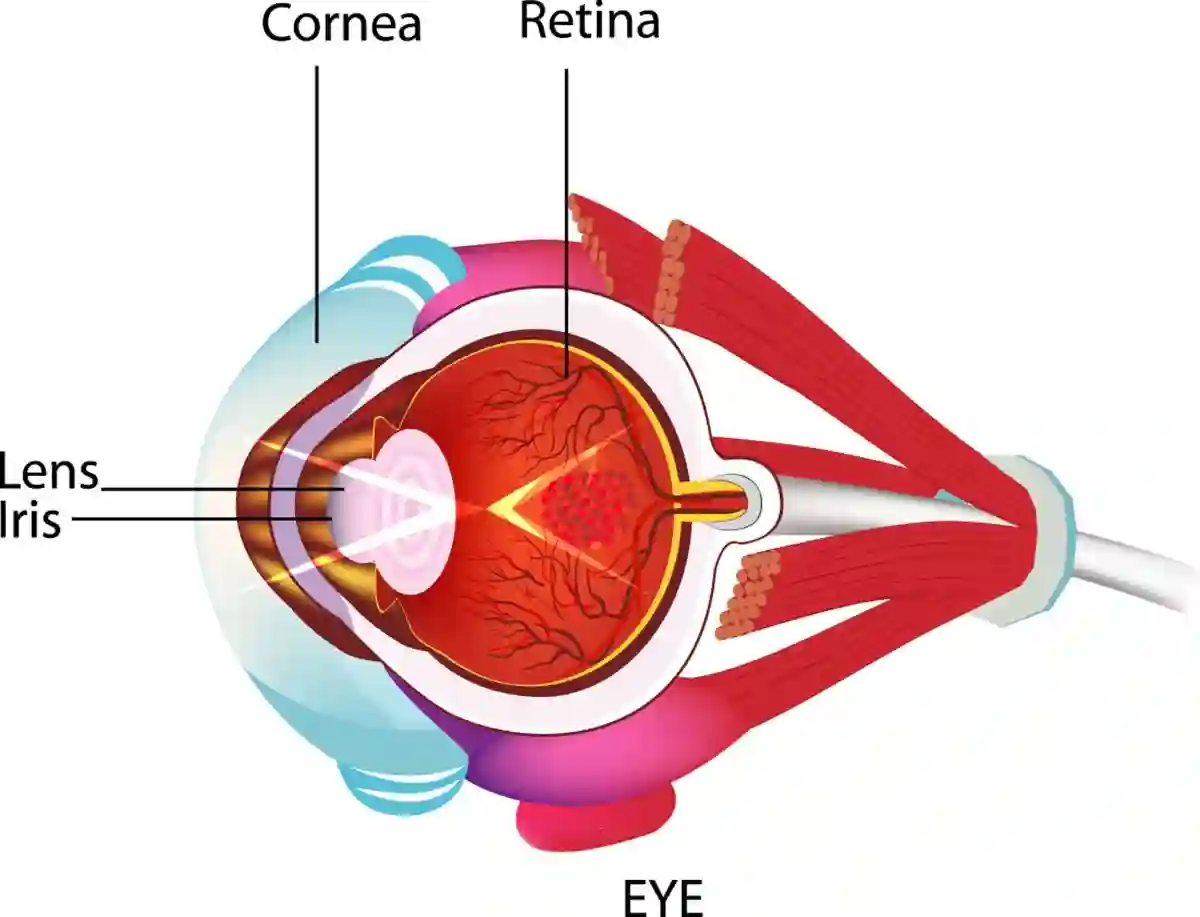
Routine comprehensive eye exams are standard in diabetes care, but they often focus on retinopathy screening rather than optic nerve vulnerability. A practical enhancement is ensuring the eye care provider documents:
- Optic disc anatomy
- Any pre-existing optic neuropathy
- Visual field baseline if indicated
In high-risk cases, a proactive ophthalmology referral may be justified even if retinopathy screening is up to date. This is especially important considering the potential eye problems associated with Trulicity.
3) Medication Reconciliation With Blood Pressure Strategy
If the patient is also on antihypertensives, evaluate:
- Timing of dosing (night versus morning)
- Symptoms of dizziness or orthostatic hypotension
- Home blood pressure logs and overnight dipping risk
If nocturnal hypotension is suspected, clinicians can coordinate timing adjustments with the patient’s cardiology or primary care team. It’s crucial to remember that Trulicity may also lead to other eye issues that should be monitored closely during treatment.
4) Symptom Escalation Protocols
Patients should not be told, “Call if something feels off.” They should be given specific instructions:
- Which symptoms require same-day evaluation
- Who to call first
- Where to go after hours
- Whether to stop the medication pending evaluation (and under what conditions)
This is not fear-based medicine. It is operational clarity.
If NAION Is Suspected: What Happens Next?
A suspected NAION case triggers two parallel priorities:
- Clinical evaluation and differential diagnosis
- Medication and risk-factor review
Ophthalmology evaluation typically includes:
- Dilated fundus exam with optic disc assessment
- Optical coherence tomography (OCT)
- Visual field testing
- Assessment for arteritic features if clinically indicated (including urgent inflammatory markers when giant cell arteritis is a concern)
The medication question is then addressed as part of risk management. If a patient developed suspected NAION shortly after starting Trulicity, clinicians often consider whether to discontinue the drug, switch to an alternative class, or continue under careful supervision. That decision must be individualized and documented.
No patient should be left with vague reassurance. No patient should be left to self-adjudicate whether vision loss is “serious enough.”
Practical Patient Guidance: How to Reduce Risk Without Abandoning Care
Patients deserve actionable steps, not abstract warnings. If you are using Trulicity or considering it, the most constructive actions are:
- Maintain routine eye care and confirm that optic nerve health is evaluated, not only retinopathy.
- Address sleep apnea. If you snore loudly, wake unrefreshed, or have observed apneas, ask for formal assessment. OSA is a modifiable NAION risk factor.
- Track blood pressure patterns, particularly if you experience morning dizziness or lightheadedness at night.
- Do not ignore visual field changes, especially new shadows or missing areas in one eye.
- Report symptoms promptly and insist on urgent evaluation if vision changes are sudden.
These measures are not dramatic. They are disciplined, preventive, and aligned with long-term outcomes.
Balancing Benefit and Risk: The Ethical Standard
The hardest reality is that Trulicity is often prescribed precisely to prevent the complications that most threaten quality of life: cardiovascular events, progressive metabolic deterioration, and downstream organ damage. That benefit is real and well supported for many patients.
But the ethical standard in modern care is not “the benefit outweighs the risk” as a blanket statement. The standard is:
- The right therapy for the right patient
- Informed consent that reflects real-world fears and real-world stakes
- Proactive monitoring that recognizes rare signals early
- Clear escalation pathways when serious symptoms occur
- Documentation that shows decisions were deliberate, not automatic
That is how integrity is maintained in chronic disease management, particularly when patients are asked to trust long-term therapy.
A Forward-Looking Closing: Prevention Requires Precision
NAION is one of the most unsettling complications a patient can experience because it can feel sudden, unfair, and irreversible. When people describe it as a “backstabbing” side effect, what they are often expressing is not only anger at a drug, but anger at a system that did not prepare them to recognize danger early.
The path forward is precision and governance. Precision in selecting therapy. Governance in monitoring and escalation. Repetition in patient education, because rare events are still real events.
If you are taking Trulicity and you notice sudden changes in vision, treat it as urgent. These changes could potentially be linked to serious side effects such as macular edema or even blindness, which should be treated with utmost seriousness. If you are prescribing Trulicity, treat optic nerve risk like any other material risk in a high-stakes decision.
In both cases, the goal is the same: protect metabolic health without sacrificing the one outcome no patient can “earn back” once it is lost, which is sight. This underscores the importance of adhering to ethical standards in chronic disease management, ensuring that both patients and healthcare providers navigate these challenges with informed understanding and proactive measures.
If you were prescribed Trulicity and took it as directed and suffered Trulicity and vision loss, Trulicity and NAION, or other severe Trulicity eye problems, contact Timothy L. Miles, a Trulicity Vision Loss Lawyer today as you could be eligible for a Trulicity vision loss lawsuit and potentially be entitled to substantial compensation. (855) 846–6529 or [email protected].
Frequently Asked Questions about Trulicity and NAION
What is Trulicity and how does it help manage type 2 diabetes?
Trulicity (dulaglutide) is a GLP-1 receptor agonist medication used primarily to treat type 2 diabetes mellitus. It mimics the incretin hormone glucagon-like peptide-1, which increases glucose-dependent insulin secretion, suppresses inappropriate glucagon release, slows gastric emptying, and promotes satiety. Clinically, it improves glycemic control, supports weight loss, and lowers cardiovascular risk in selected patients. It is administered as a once-weekly injection and has a lower risk of hypoglycemia compared to insulin or sulfonylureas.
What is Non-arteritic Anterior Ischemic Optic Neuropathy (NAION) and why is it concerning for patients using Trulicity?
NAION is an acute ischemic injury to the optic nerve head often described as a ‘stroke of the optic nerve.’ It presents as sudden, painless vision loss in one eye, visual field defects (commonly inferior altitudinal loss), and optic disc swelling during the acute phase. NAION can cause variable central vision impairment ranging from mild to severe and is often irreversible and psychologically distressing. Concerns have arisen because rare cases of NAION have been reported in patients taking Trulicity, raising awareness about potential vision-threatening side effects associated with this medication.
Why are patients with type 2 diabetes at higher risk for developing Trulicity and NAION?
Patients with type 2 diabetes already possess several established risk factors that overlap with those for NAION. These include diabetes mellitus itself, hypertension, hyperlipidemia, obstructive sleep apnea (OSA), smoking, nocturnal hypotension (including blood pressure dipping overnight), and anatomical factors such as a ‘crowded’ optic disc with a small cup-to-disc ratio. This predisposition means that when evaluating medications like Trulicity for their role in NAION development, clinicians must consider the high baseline risk inherent to the diabetic population.
How should patients and clinicians approach the potential risk of Trulicity and vision loss?
Given the rare but serious nature of adverse events like NAION linked to Trulicity, proactive risk management is essential. Patients should be thoroughly screened for predisposing factors such as existing eye conditions or vascular risks before initiating treatment. Clinicians should counsel patients about early warning signs of vision changes and establish clear pathways for prompt evaluation if symptoms arise. Regular ophthalmologic monitoring may be warranted in high-risk individuals to detect any early signs of optic nerve ischemia.
Are there legal options available for patients who experience vision loss potentially related to Trulicity use?
Yes, patients who have experienced debilitating vision side effects such as NAION while using Trulicity may consider consulting specialized attorneys who handle vision loss lawsuits related to this medication. Legal action can provide guidance on rights and potential compensation. It is important for affected individuals to seek advice from knowledgeable Trulicity vision loss lawyers to understand their options based on individual circumstances.
If You Suffered from Trulicity Eye Problems, Contact Trulicity Vision Loss Lawyer Timothy L. Miles Today
If you were prescribed Trulicity and took it as directed and suffered Trulicity and vision loss, Trulicity and NAION, or other severe Trulicity eye problems, contact Timothy L. Miles, a Trulicity Vision Loss Lawyer today as you could be eligible for a Trulicity vision loss lawsuit and potentially be entitled to substantial compensation. (855) 846–6529 or [email protected].
The call is free and so is the fee unless we win or settle your case, so give a Trulicity vision loss Lawyer a call today. (855) 846–6529 or [email protected].
Timothy L. Miles, Esq.
Law Offices of Timothy L. Miles
Tapestry at Brentwood Town Center
300 Centerview Dr. #247
Mailbox #1091
Brentwood,TN 37027
Phone: (855) Tim-MLaw (855-846-6529)
Email: [email protected]
Website: www.classactionlawyertn.com