Introduction to Mounjaro and Blindness
Welcome to this authoritative guide on Mounjaro and blindness. Mounjaro (tirzepatide) has quickly become one of the most discussed prescription medications for type 2 diabetes and, in many settings, for weight management. It is also a medication that can meaningfully change blood sugar, appetite, and body weight, sometimes faster than patients expect. When metabolic control changes quickly, the eyes can be affected, particularly in people with diabetes.
That is why many patients search a frightening phrase: “Mounjaro and blindness.”
This guide explains what is known, what is not known, and what you should do before and after starting tirzepatide if you want to protect your vision. The goal is not to create alarm. The goal is to enable informed, proactive decisions with your prescribing clinician and your eye-care professional.
If you were prescribed Mounjaro and took it as directed and suffered Mounjaro and Blindness, or other severe Mounjaro eye problems, contact Mounjaro Blindness Lawyer Timothy L. Miles today. You could be eligible for a Mounjaro Blindness lawsuit and potentially entitled to substantial compensation. (855) 846–6529 or [email protected].

What Mounjaro Is and Why the Eyes Come Up So Often
Mounjaro (tirzepatide) is an injectable prescription medicine that targets two hormone pathways involved in blood sugar and appetite regulation:
- GLP-1 (glucagon-like peptide-1) receptor agonism
- GIP (glucose-dependent insulinotropic polypeptide) receptor agonism
This “dual incretin” mechanism can improve glycemic control and often leads to significant weight loss. For many patients, those effects are clinically beneficial and reduce long-term risk of heart, kidney, and nerve complications.
However, the eyes are a special case because the retina is highly sensitive to changes in blood glucose and blood flow. In people with diabetes, the most important vision threat is diabetic retinopathy, a disease of the retinal blood vessels that can progress quietly until vision is affected.
When blood sugar improves rapidly, retinopathy can, in some cases, temporarily worsen before stabilizing. This phenomenon has been recognized for decades with insulin initiation and other intensive glucose-lowering strategies. The key issue is often not that a medication is “toxic” to the eye, but that the speed and magnitude of glycemic change can stress an already vulnerable retina.
Additionally, there have been instances where patients have experienced vision problems or vision loss as a result of using Mounjaro. Such cases have led to lawsuits regarding Mounjaro blindness and NAION (non-arteritic anterior ischemic optic neuropathy), which are serious conditions affecting vision.
For those considering or currently using this medication, it’s essential to stay informed about potential side effects and legal updates related to these issues by following relevant lawsuit updates or recent developments.
“Mounjaro and Blindness”: What People Mean Versus What Medicine Means
Online discussions often use “blindness” as shorthand for several different problems, including:
- Blurry vision (temporary focusing changes)
- Worsening diabetic retinopathy (potentially serious) – a concern that has been linked to the use of Mounjaro, as highlighted in this article.
- Diabetic macular edema (DME), swelling of the retina’s central area
- Vitreous hemorrhage (bleeding into the gel inside the eye)
- Retinal detachment related to advanced proliferative retinopathy
- Rare optic nerve conditions that may be unrelated to the medication
In clinical care, “blindness” is not a single diagnosis. It is an outcome that can result from multiple eye diseases, each with different risk factors, timelines, and treatments.
A safer, clearer question to ask is:
Does tirzepatide increase the risk of serious eye disease, or can rapid blood sugar improvement unmask or worsen existing retinal disease?
That framing leads to practical prevention steps.
What the Evidence Suggests (and What It Does Not)
1) There is a known relationship between rapid glucose improvement and retinopathy worsening
In patients with diabetes, rapid HbA1c reduction can be associated with early worsening of diabetic retinopathy, especially when:
- Baseline HbA1c is high
- Retinopathy is already present
- Glucose improves substantially over a short period
This relationship is not unique to tirzepatide. It is a broader principle in diabetes management that requires coordinated eye monitoring when intensifying therapy.

2) GLP-1–based therapies have drawn attention to retinopathy risk in some contexts
Some GLP-1 receptor agonists have been scrutinized for retinopathy outcomes, particularly in populations with advanced diabetes and rapid HbA1c decline. The most consistent signal across research and clinical experience is that the rate of glycemic improvement and pre-existing retinopathy severity matter heavily.
Tirzepatide is not “just a GLP-1.” It has dual incretin activity, and its overall risk profile must be considered as its own category. Still, the central eye-related clinical concern remains consistent: patients with diabetes and existing retinopathy need monitoring when glucose improves quickly.
3) No responsible clinician should promise “zero eye risk”
Even if a medication does not directly damage the eye, diabetes can. Changes in treatment can change risk dynamics. Therefore, a proactive plan is the standard of care, not an optional add-on. If your clinician dismisses your eye concerns entirely, that is not reassurance. That is a missed opportunity for prevention.
The Most Common Vision Changes People Notice After Starting Mounjaro
Temporary blurry vision
Blurry vision can occur when blood sugar changes quickly, because glucose affects the lens and fluid balance in the eye. This can alter focusing temporarily. Key features:
- Often fluctuates day to day
- Frequently improves as glucose stabilizes
- Can make existing glasses or contacts feel “wrong” temporarily
Important: temporary blur is usually not permanent damage, but it should not be automatically dismissed, particularly in patients with known retinopathy.
Dry eye and visual fatigue
Weight loss, dehydration risk from reduced intake, and gastrointestinal side effects can contribute to dryness and visual discomfort. This is not “blindness,” but it can be disruptive and should be managed.
Symptoms of retinopathy progression (more concerning)
These symptoms require urgent evaluation:
- New floaters, especially a sudden “shower” of spots
- Flashes of light
- A curtain or shadow in your vision
- Distorted central vision
- Sudden drop in vision in one or both eyes
These may indicate vitreous hemorrhage, retinal tear/detachment, or macular edema, which are emergencies or near-emergencies.
If you experience any of these concerning symptoms after starting Mounjaro, it’s crucial to seek immediate medical attention. It’s also worth noting that there have been instances where users have reported severe vision damage due to Mounjaro, leading to legal actions against the manufacturers.
Who Is at Higher Risk of Serious Eye Complications?
You are more likely to need structured eye monitoring around tirzepatide if you have:
- Known diabetic retinopathy, especially moderate, severe, or proliferative disease
- Diabetic macular edema (DME) now or in the past
- Long duration of diabetes (often 10+ years, but risk varies)
- High baseline HbA1c or a plan for substantial rapid lowering
- Kidney disease or uncontrolled hypertension (both worsen retinopathy risk)
- Pregnancy (retinopathy can accelerate during pregnancy; coordinate care closely)
You are not automatically “safe” if you are young or recently diagnosed. Some patients have retinopathy at diagnosis, particularly if diabetes has been present but undetected.
Before You Start Mounjaro: A Vision-Safe Checklist
A forward-looking plan begins before the first dose. Here is a patient-ready checklist you can use.
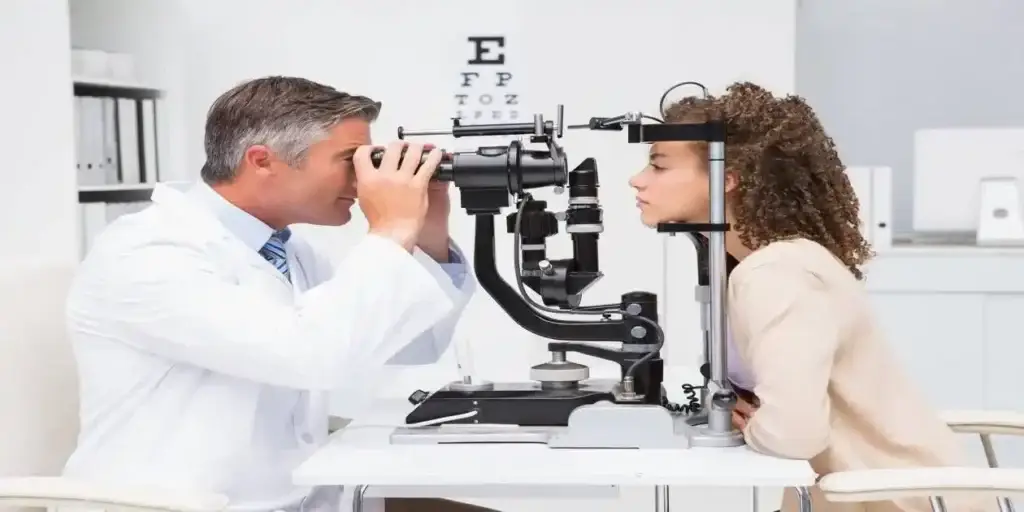
1) Get a current dilated eye exam (or confirm you are up to date)
Ask for a dilated retinal exam or a documented retinal evaluation. “I had my vision checked” is not the same as “my retina was examined.” You want clarity on:
- Do I have diabetic retinopathy?
- If yes, what stage (mild/moderate/severe/proliferative)?
- Do I have macular edema?
- When should I return?
If you already see an ophthalmologist or retina specialist, tell them you are starting tirzepatide and ask for a monitoring plan.
2) Share your full metabolic plan with your eye clinician
Retinal risk is influenced by the trajectory of your glucose control, not only by the medication name. Helpful details include:
- Current HbA1c and target HbA1c
- Expected pace of change
- Other medication changes (insulin adjustments, sulfonylureas, SGLT2 inhibitors, etc.)
- Blood pressure plan and lipid management
3) Discuss the pace of glycemic improvement with your prescriber
For high-risk patients, clinicians may consider:
- A more gradual titration schedule when clinically appropriate
- Closer glucose monitoring (especially if on insulin or sulfonylureas)
- Coordinating dose changes with eye follow-up intervals
Never change dosing on your own, but do ask how your plan accounts for retinal safety.
4) Baseline documentation matters
If you develop symptoms later, baseline retinal findings help clinicians interpret whether this is progression, a new event, or a coincidental issue.
After You Start: Monitoring That Prevents “Surprises”
A practical monitoring approach depends on your baseline retinal status.
If you have no retinopathy
Continue routine screening as advised, commonly at least annually for many patients with diabetes. If you develop new symptoms, do not wait for the annual visit.
If you have mild to moderate retinopathy
Ask whether you should have a follow-up within a shorter interval after major therapy changes. Many clinicians will increase monitoring frequency during periods of rapid HbA1c improvement.
If you have severe or proliferative retinopathy or DME
You should already be under ophthalmology care. Starting tirzepatide is a reason to:
- Confirm near-term follow-up
- Align your diabetes medication titration with retinal treatment plans if needed
- Ensure you understand urgent warning signs
The best outcomes occur when endocrinology, primary care, and ophthalmology operate as a coordinated system. That is not bureaucracy. That is prevention.
What to Do If You Notice Vision Changes on Mounjaro
Step 1: Identify whether it is urgent
Seek urgent or emergency eye care if you have:
- Sudden vision loss
- New flashes or a curtain-like shadow
- Sudden onset of many floaters
- Eye pain with redness and decreased vision
- Significant distortion of central vision
If you are unsure, treat it as urgent. Vision-threatening events are time-sensitive.
Step 2: Contact both your prescriber and your eye clinician
Tell them:
- When symptoms started
- Whether symptoms are constant or fluctuating
- Your recent glucose trend (home readings if available)
- Any recent dose increases or other medication changes
Step 3: Do not self-discontinue without advice, but do not delay evaluation
Stopping medication without a plan can destabilize glucose and worsen overall risk. At the same time, ignoring symptoms is dangerous. The correct pathway is prompt eye evaluation plus coordinated medical decision-making.
However, if you experience severe vision changes while on Mounjaro, it may be worth exploring potential legal options due to the reported vision loss associated with Mounjaro. There have been several lawsuits filed regarding this issue, including a recent update on Mounjaro vision loss lawsuits.
Diabetic Retinopathy Basics: The Terms You Will Hear
Understanding vocabulary reduces fear and improves decision quality.
- Nonproliferative diabetic retinopathy (NPDR): early stages with damaged retinal vessels, microaneurysms, and small hemorrhages.
- Proliferative diabetic retinopathy (PDR): advanced stage where abnormal new vessels grow; these can bleed and cause traction, raising detachment risk.
- Diabetic macular edema (DME): fluid accumulation in the macula (central retina) that can blur central vision at any stage.
- Anti-VEGF injections: medications injected into the eye to reduce vessel leakage and abnormal vessel growth; standard of care for DME and PDR in many cases.
- Laser photocoagulation: treatment used in certain retinopathy patterns, especially PDR, to reduce risk of severe vision loss.
- Vitrectomy: surgery used for non-clearing vitreous hemorrhage or tractional retinal detachment.
If your eye clinician recommends any of these treatments, it does not mean you have “Mounjaro blindness.” It means you have a retinal condition with established treatments. However, if you’re facing significant vision problems as a result of using Mounjaro, consider reaching out to a Mounjaro vision loss lawyer, who can provide guidance based on your specific circumstances.
The Real Risk Trade-Off: Vision Protection Requires Whole-Body Control
Eye health in diabetes is not protected by fear. It is protected by consistency:
- Stable glycemic control
- Blood pressure control
- Lipid management
- Kidney health
- Smoking cessation
- Regular retinal monitoring
Tirzepatide can support several of these goals indirectly by improving metabolic parameters and weight. That is why many clinicians view it as a risk-reducing therapy over the long term for many patients.
The short-term eye concern is not a contradiction. It is a reminder that rapid improvement requires monitoring.
Repetition is appropriate here because it is the central patient message: monitor, monitor, monitor.
Special Situations Patients Ask About
“I do not have diabetes. I am using tirzepatide for weight loss. Can I go blind?”
Diabetic retinopathy is a diabetes complication. If you do not have diabetes, the specific retinopathy-worsening mechanism linked to rapid HbA1c reduction is less relevant. However, any person can develop unrelated eye problems, and any new sudden visual symptom warrants evaluation.
Also, if you have prediabetes or undiagnosed diabetes, you may still have retinal vulnerability. If you have risk factors, consider baseline screening.
“My vision got blurry after my dose increase. Is that permanent?”
Often, fluctuating blur correlates with changing glucose and lens focusing changes. It is frequently reversible. Still, persistent blur, central distortion, or any red-flag symptoms require a retinal assessment.
“Should I delay getting new glasses after starting Mounjaro?”
If your prescription seems to change quickly during periods of rapid glucose change, it can be reasonable to wait until glucose stabilizes before finalizing a new prescription. Ask your optometrist or ophthalmologist. This is a common and practical issue.
“I already have retinopathy. Does that mean I cannot take Mounjaro?”
Not necessarily. Many patients with retinopathy use glucose-lowering therapies successfully. The right approach is risk stratification and monitoring, not automatic avoidance. In some cases, clinicians may adjust pace of therapy changes and ensure retina care is optimized.
However, it’s essential to be aware of potential Mounjaro eye problems, including serious conditions like diabetic retinopathy and macular edema. These conditions can worsen during periods of rapid glycemic improvement, especially in people with pre-existing retinal disease.
Questions to Ask Your Clinician (Copy and Paste)
Bring these to your next appointment:
- Am I up to date on a dilated retinal exam, and what were the findings?
- Do I have diabetic retinopathy or macular edema, and what stage?
- How quickly do you expect my HbA1c to change on tirzepatide, and how will we monitor that?
- Given my eye status, when should my next eye exam be scheduled?
- What symptoms require urgent eye care, and where should I go after hours?
- If my vision changes, should I contact you, my eye doctor, or both first?
- Are there other risk factors we should optimize now (blood pressure, lipids, kidney function)?
Clear questions produce clear plans. Clear plans prevent emergencies.
A Patient-Safe Bottom Line
“Mounjaro and blindness” is not a medical diagnosis; however, the serious vision risks patients fear are most often related to diabetic retinopathy and macular edema. These conditions can worsen during periods of rapid glycemic improvement.
The most effective patient strategy is proactive and structured:
- Get a current retinal evaluation.
- Know your baseline retinopathy status.
- Coordinate diabetes treatment changes with eye monitoring.
- Treat new flashes, floaters, curtains, distortion, or sudden vision loss as urgent.
Mounjaro can be a powerful tool for metabolic health but it also comes with risks related to vision loss. Vision protection requires the same mindset: proactive measures, disciplined monitoring, and coordinated care.
If you experience significant vision issues while on Mounjaro, it may be worth consulting with a Mounjaro vision loss lawyer who specializes in these cases.
Frequently Asked Questions about Mounjaro and Blindness
What is Mounjaro (tirzepatide) and how does it work for type 2 diabetes and weight management?
Mounjaro (tirzepatide) is an injectable prescription medication that targets two hormone pathways involved in blood sugar and appetite regulation: GLP-1 (glucagon-like peptide-1) receptor agonism and GIP (glucose-dependent insulinotropic polypeptide) receptor agonism. This dual incretin mechanism improves glycemic control and often leads to significant weight loss, benefiting patients with type 2 diabetes and those managing their weight.
Why is there concern about Mounjaro vision problems or ‘Mounjaro and blindness’ related to tirzepatide use?
The retina is highly sensitive to changes in blood glucose and blood flow. When blood sugar improves rapidly, as can happen with tirzepatide, diabetic retinopathy—a disease affecting retinal blood vessels—can temporarily worsen before stabilizing. This phenomenon has been observed with other intensive glucose-lowering treatments as well. Additionally, some patients have reported vision problems or vision loss potentially linked to Mounjaro, leading to concerns about conditions like diabetic retinopathy, diabetic macular edema, vitreous hemorrhage, retinal detachment, and rare optic nerve issues.
Does tirzepatide directly cause Mounjaro and blindness or serious eye diseases?
There is no evidence that tirzepatide is directly toxic to the eyes. Instead, the primary concern is that rapid and significant improvements in blood glucose levels can stress an already vulnerable retina in people with diabetes. This can lead to a temporary worsening of existing retinal diseases such as diabetic retinopathy. Therefore, the risk relates more to the speed and magnitude of glycemic change rather than a direct harmful effect of the medication on the eye.
Who is most at risk for Mounjaro eye problems during treatment?
Patients with pre-existing diabetic retinopathy or high baseline HbA1c levels are most at risk for early worsening of retinopathy when their blood sugar improves rapidly after starting medications like Mounjaro. The severity of existing retinal disease and how quickly glucose levels improve are key factors influencing this risk.
What precautions should patients take before and during treatment with tirzepatide to prevent Mounjaro vision side effects?
Patients should have a comprehensive eye examination before starting tirzepatide if they have diabetes, especially if they have known retinopathy or poor glycemic control. Regular monitoring by an eye-care professional during treatment is important to detect any worsening of retinal disease early. Coordinated care between prescribing clinicians and eye specialists helps manage risks associated with rapid blood sugar improvement.
Are there ongoing legal cases related to Mounjaro and vision issues?
Yes, there have been instances where patients experienced vision problems or vision loss potentially linked to Mounjaro use, which have led to lawsuits regarding ‘Mounjaro blindness’ and conditions like non-arteritic anterior ischemic optic neuropathy (NAION). Patients interested in these developments should stay informed through relevant lawsuit updates and recent legal news related to Mounjaro’s safety profile.