
Introduction to the Aerotoxic Syndrome Lawsuit
Numerous invidual have filed an Aerotox Syndrome Lawsuit alleging they become ill due to exposure to toxic fumes in an airplane. Aerotoxic syndrome is an illness caused by inhaling contaminated air inside the cabin of an airplane. It can involve serious, long-term or permanent neurological and respiratory symptoms.
Those who have become ill due to toxic fumes in an airplane may qualify for financial compensation for medical bills, lost wages, loss of earning capacity, pain, suffering and more.
If you believe you have been affected by toxic fumes, contact Aerotoxic Syndrome lawyer Timothy L. Miles for a free case evaluation as you may be eligible for an Aerotoxic Syndrome Lawsuit and potentially entitled to substantial compensation. (855) 846–6529 or [email protected].
Read on for the answers to the ten most frequetly asked questions by consumers about the Aerotox Syndrome Lawsuit.
1. What Is Aerotoxic Syndrome?
The term “aerotoxic syndrome” was first introduced in 2000 by scientists Chris Winder and Jean-Christophe Balouet. They described this syndrome as a health condition linked to exposure to cabin air contaminated with aircraft fluids, particularly engine oils. This exposure can lead to neurotoxic effects and, in some cases, result in chronic health issues which has led individuals who symptoms of Aerotoxic Syndrome after being exposed to toxic fumes.
A primary culprit behind aerotoxic syndrome is exposure to organophosphates—chemicals belonging to the same family as the notorious nerve agent sarin gas.
Organophosphates are commonly found not only in nerve agents but also in pesticides, herbicides, and insecticides. When these substances enter the cabin air, often due to leaks or malfunctions in aircraft systems, they can pose a significant risk to both passengers and crew members from toxic cabin exposure, potentially causing symptoms ranging from headaches and dizziness to long-term neurological problems.

2. What Are the Symptoms of Aerotoxic Syndrome?
3. What Are the Causes of Aerotoxic Syndrome?
The Two Main Causes of Aerotoxic Syndrome: Bleed Air & Fume Events
Aerotoxic syndrome is primarily linked to two sources in modern aircraft: bleed air and fume events. Both mechanisms can introduce harmful chemicals into the cabin, putting passengers and crew at risk.
Bleed Air: The Unseen Gateway
is the term for air that enters an airplane’s cabin via its bleed air system—a network of regulators, valves, and ducts that channels air directly from the engines. This system pulls hot, pressurized air from the engine, cools it through the aircraft’s air conditioning unit, and then mixes it with recirculated (and filtered) cabin air before distributing it throughout the plane resulting in toxic cabin air exposure.
While recirculated air is filtered, bleed air itself typically undergoes little or no filtration during this cooling process. Because jet engines operate at extremely high temperatures, any filtration that does occur is often inadequate to remove all toxic fumes in an airplane.
This poses a serious problem: toxic engine oil, which may contain neurotoxic chemicals like tricresyl phosphates (TCPs), can leak into the bleed air. TCPs are known nerve agents that specifically target the central nervous system.
Additionally, bleed air is used to pre-pressurize an airplane’s hydraulic systems. These systems operate under high pressure and are prone to ruptures or leaks—referred to as “sweats”—which can further contaminate cabin air with hydraulic fluid fumes.
Concerns over these risks have led to individuals filing an Aerotoxic Syndrome Lawsuit alleging that airlines and manufacturers have long been aware of toxic oil fume dangers but failed to adequately monitor or prevent toxic fumes in an airplane.
Fume Events: When Toxic Vapors Invade
A “fume event” occurs when noxious vapors, smoke, or gases enter the airplane cabin—sometimes accompanied by strong odors described as oily, chemical-like, or reminiscent of “dirty socks.”
During these events, a mix of airborne toxins contaminates cabin air resulting in toxic cabin air exposure. These include:
‘Carbon monoxide (CO) from engine exhaust
- Carbon dioxide (CO₂) due to incomplete combustion
- Volatile organic compounds (VOCs)
- Semi-volatile organic compounds (SVOCs), such as TCPs and N-Phenyl-1-naphthylamine
The health risks are significant. CO poisoning can be fatal; chronic exposure may cause flu-like symptoms, numbness, sleep disturbances, vision issues, and cognitive impairment. Repeated exposure to chemicals like N-Phenyl-1-naphthylamine has been shown to damage organs over time.
Passengers and crew exposed during fume events may inhale these toxic airplane fumes—leading not only to acute symptoms but also potentially contributing to chronic illness.
Similar to issues around bleed air contamination, lawsuits have emerged claiming airlines have failed both to warn customers about fume event risks and to take appropriate preventative measures.
If you believe you have been affected by toxic airplane fumes, contact Aerotoxic Syndrome lawyer Timothy L. Miles as you may be eligible for an Aerotoxic Syndrome Lawsuit and potentially entitled to substantial compensation. . (855) 846–6529 or [email protected].
While numerous individuals are at risk, particularly those who are repeatedly exposed in airplanes. Those who are at risk of developing aerotoxic syndrome include:
- Pilots and flight attendants
- Frequent flyers
- Business travelers
- Aircraft mechanics
- Aircraft cleaning crew
- Workers on older airplanes, which may have inferior filtration abilities
- Anyone exposed to fumes or smoke during a flight
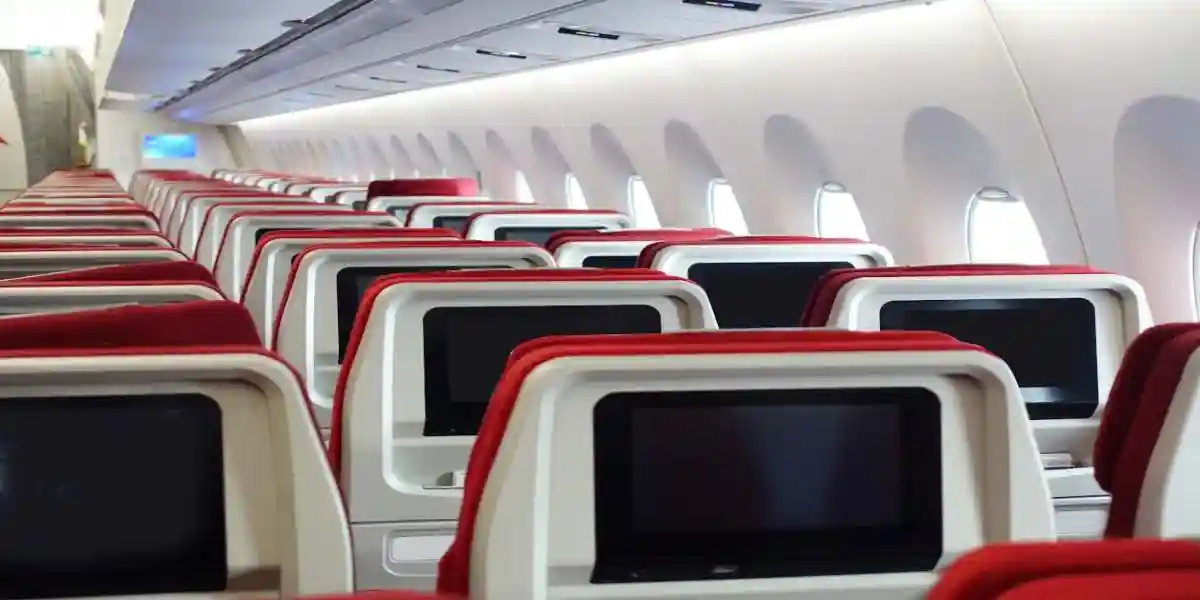
5. Who Can File an Aerotoxic Syndrome Lawsuit?
Individuals eligible to bring an Aerotoxic Syndrome Lawsuit include:
- Flight crew members affected during their employment
- Maintenance workers exposed while servicing aircraft
- Passengers, including frequent flyers or those harmed in documented fume events—especially if airline negligence played a role
6. What Are the Legal Grounds for Filing an Aerotoxic Syndrome Lawsuit?
Lawsuits involving aerotoxic syndrome can be pursued under several legal theories:
- Product liability, particularly when ved (see CACI No. 1200)
- Negligence, for failure to maintain safe cabin air qualitydefective aircraft components are involved.
- Workplace injury law, protecting employees exposed on the job
Airlines and aviation companies have a clear responsibility to ensure the safety of everyone onboard—not only by preventing toxic fume exposure, but also by addressing other hazards such as in-flight assaults.
7. Is there Any Scientic Research Supporting Aerotoxic Syndrome Caused by Aerotoxic Syndrome
- $40 Million Lawsuit against Boeing (December 2025): A passenger filed suit alleging permanent brain and respiratory injuries after a “dirty socks” odor filled a Delta 737 cabin during a 45-minute tarmac delay.
- $30 Million Lawsuit against Airbus (January 2026): A veteran American Airlines flight attendant filed a landmark claim for permanent neurological damage from a 2024 “fume event” at Phoenix Sky Harbor.
- $78.75 Million Delta Settlement (February 2026 Deadline): While not specifically for cabin fumes, this recent settlement for a jet fuel dumping incident shows the massive scale of aviation-related toxic exposure payouts.

10. What are common symptoms indicating a GM transmission problem?
Common symptoms of GM transmission problems include delayed engagement when shifting into Drive or Reverse, harsh or erratic shifts, shudder or vibration under light throttle, slipping under load or at highway speeds, loss of specific gears, warning lights or limp mode activation, fluid leaks, overheating, burnt fluid odor, and abnormal noises such as whining, grinding, or clunking.
