
Introduction to Zepbound and Eye Floaters
- Zepbound and Eye Floaters: There have been numerous reports and clinical research on Zepbound vison problems that need to be thoroughly investigated. These Zepbound vision side effects, which can range from temporary blurriness to more serious eye complications, including Zepbound and vision loss, require careful consideration by healthcare providers and patients. It is crucial to understand how tirzepatide affects the eyes so that informed decisions can be made about continuing treatment and minimizing risk.
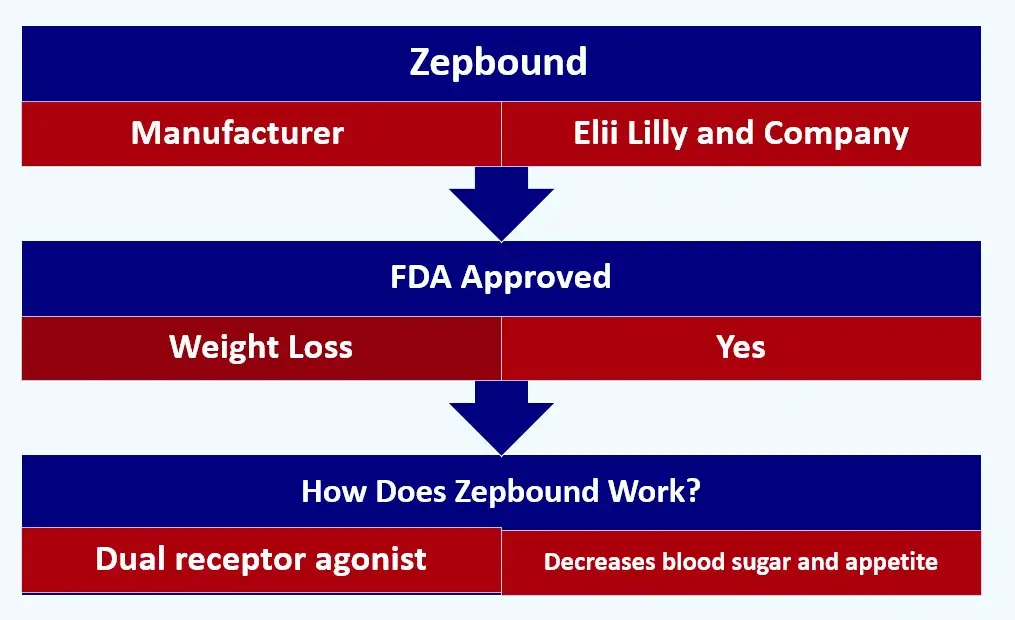
- Zepbound (tirzepatide): Is an important new medication for weight loss and obesity-related conditions. It has been approved by the U.S. Food and Drug Administration (FDA) for long-term weight management in adults with obesity or overweight, especially those with weight-related health issues. This drug has caught the attention of both medical professionals and patients looking for effective treatments for obesity
- Failure to Warn: Plaintiffs and Zepbound Vision Loss lawyers argue that additional warnings should have been provided, prompting some individuals to seek compensation in a Zepbound Vision Loss Lawsuit. This chart below compiles major regulatory approvals, medical studies, and developments in the Zepbound Vision Loss Lawsuit—including ongoing post-marketing safety monitoring, label changes, and the latest claims regarding Zepbound Vision Problems. Understanding this timeline can help you determine if you may be eligible for a Zepbound Vision Loss lawsuit.
- Free Case Evaluation: If you suffered Zepbound Blindness or other Zepbound vision problems call Zepbound Blindness Lawyer Timothy L. Miles today for a free case evaluation. (855)-846-6529 or [email protected]. The only call you will have to make.
- Zepbound Vision Loss Lawyer: If you suffered Zepbound vision problems call Zepbound Vision Loss LawyerTimothy L. Miles today for a free case evaluation. (855)-846-6529 or [email protected]. The only call you will have to make.
-
-
- Avvo Rated Top Lawyer 2024 by AVVO (2025)
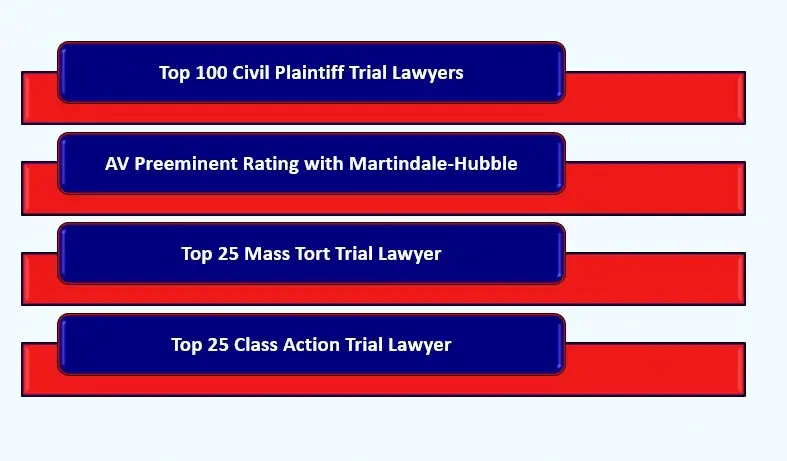
- Top 25 Class action lawyerby the National Trial Lawyers Association (2023-present)
- Top 100 Civil Plaintiff Trial Lawyer by the National Trial Lawyers Association (2017-present)
- AV rating from Martindale-Hubble since 2014 (2014-present)
- 2020 Top Rated Litigator by Martindale-Hubble (2019-present)
- 2021 Top Rated Lawyer by Martindale-Hubble (2019-present)
- 2021 Elite Lawyer of the South by Martindale-Hubble (2019-present),
- Avvo Client’s Choice Award in 2021 (AVVO 2021)
- PRR AV Preeminent Rating on Lawyers.com by Martindale-Hubble® (2018-2022).
- Superb Rated Attorney, (10.0 out of 10), the Highest Rating Possible by Avvo.
- 10 rating by Justia, their highest rating for both legal abilities and ethics and professionalism.
-
Understanding Zepbound and Its Use
- Zepbound: Is a new medication used for long-term weight management and treating metabolic disorders. It contains tirzepatide, which works by targeting two specific receptors in the body: glucose-dependent insulinotropic polypeptide (GIP) and glucagon-like peptide-1 (GLP-1).
- Dual Receptor Agonist: This unique approach sets Zepbound apart from traditional medications that only focus on activating the GLP-1 receptor.
Mechanism of Action
- Zepbound is a once-weekly injection used for weight loss.
- It mimics two natural hormones: GLP-1 and GIP.
-
- These hormones help control blood sugar and reduce appetite.
-
- They do not directly target your eyes or optic nerves.
- However, rapid changes in blood sugar (especially if you have diabetes) can sometimes affect the small blood vessels in your eyes.
 Some people do not get new vision problems.
 Blurry vision? A know side effect affecting numerous patients and believed to be related to changes in blood sugar.
 Rare risk: Worsening of existing diabetic eye disease (retinopathy).
 Sudden vision loss? See a doctor immediately!
 Regular eye exams are important if you have diabetes or take any GLP-1 medicine.
Who Can Benefit from Zepbound?
Zepbound has been approved for specific medical conditions:
- Weight Management: Adults with obesity (BMI ≥30 kg/m²) or overweight (BMI ≥27 kg/m²) who have at least one weight-related health issue.
- Type 2 Diabetes Control: Individuals with type 2 diabetes needing better blood sugar regulation.
- Metabolic Syndrome Risk Reduction: Patients with metabolic syndrome looking to lower their cardiovascular risk through weight loss.
Administration and Dosing
- Zepbound: Is administered as a subcutaneous injection, typically once weekly.
- Dosage Gradually Increased: The dosage is usually initiated at a lower level and gradually increased over time, based on the patient’s response and tolerability.
- Patient Monitoring: Healthcare providers carefully monitor patients during this titration period to ensure optimal efficacy and minimize side effects.
Important Dosage and Storage Guidelines
- Follow Guidelines: It is crucial to follow these guidelines when using Zepbound:
-
- Refrigeration: Keep the medication between 36°F to 46°F (2°C to 8°C) until you’re ready to use it.
- Protection from Light: Shield Zepbound from direct sunlight exposure.
- Avoid Freezing: Never freeze the medication as it can affect its effectiveness.
- Room Temperature Stability: Once taken out of refrigeration, Zepbound remains stable for up to 21 days if stored at room temperature (not exceeding 86°F or 30°C).
- Other Pharmaceutic Litigation: While Zepbound offers promising benefits, it’s essential to stay updated on any potential legal matters involving similar pharmaceutical companies. For example, there are ongoing class action lawsuits against various companies such as Skye Bioscience, Telix Pharmaceuticals, and Avantor. These lawsuits often aim to represent individuals who have purchased or acquired publicly traded securities of these companies, providing valuable insights into shareholder rights and potential financial consequences.
- Securities Fraud: Additionally, other firms like Freeport-McMoRan and Primo Brands are also facing class action lawsuits that could impact their stock value. Understanding these legal proceedings can be beneficial for investors or individuals associated with these companies.
Eye-Related Side Effects of Zepbound 
- Zepbound Vision Side Effects: Patients prescribed Zepbound for weight management or diabetes control have reported a range of Zepbound eye side effects that require careful attention.
- The emergence of Zepbound eye side effects has led to increased scrutiny from both medical professionals and legal experts, as the frequency and severity of these Zepbound eye problems continue to be observed in clinical settings and patient testimonials.
Zepbound and Eye Floaters
- Eye Floaters: Medically termed myodesopsias, constitute another documented concern within the spectrum of Zepbound and eye floaters associations. These visual phenomena manifest as:
-
- Small dark spots drifting across the field of vision
- Thread-like strands or cobweb patterns moving with eye movement
- Shadow-like shapes more noticeable against bright backgrounds such as white walls or clear skies
- Particles that appear to float away when patients attempt direct focus
- Microscopic Fibers: The appearance of these floaters results from microscopic fibers within the vitreous humor casting shadows on the retina, creating the characteristic drifting sensation patients experience during daily activitie
Other Common Visual Disturbances
Zepbound and Blurry Vision
- Blurred vision: Represents the most frequently reported Zepbound eye problem among users.
- Inability to Focus: Patients describe this condition as difficulty achieving sharp focus when reading text, recognizing faces at moderate distances, or performing tasks requiring visual precision.
- Blood Glucose Changes: The blurring may affect one or both eyes and can fluctuate throughout the day, often intensifying during periods of rapid blood glucose changes.
- Visual Haziness: Some individuals report the sensation resembles looking through a foggy window or experiencing persistent visual haziness that standard corrective lenses fail to resolve..
Zepbound Dry Eye Syndrome and Eye Pain
- Zepbound Vision Issues: Common Dry eye syndrome is a common eye problem reported by patients experiencing Zepbound eye issues.
- Zepbound Vision Problems During Treatment: This condition occurs due to various interconnected factors that affect the stability of the tear film and the health of the ocular surface during tirzepatide treatment.
Zepboubd and Eye Twitching
- Zebpound and Eye Twitching (myokymia): Appears as involuntary, repetitive contractions of the eyelid muscles. Eye twitching has been reported as one of the Zepbound Eye Side Effects.
- Could Be Indicative of Dehydration: While these spasms are usually harmless, they can indicate underlying imbalances in electrolytes or dehydration triggered by the medication’s impact on the digestive system.
These symptoms may occur individually or in combination, with severity levels varying significantly among affected patients.
The Link Between Metabolic Syndrome Components and Eye Health in Zepbound Users
Metabolic Syndrome: Refers to a group of conditions that often occur together in patients taking Zepbound. These conditions include high blood pressure, abnormal cholesterol levels, insulin resistance, and abdominal obesity. When these issues combine, they can have a negative impact on the eyes, especially the tiny blood vessels that supply the retina and optic nerve.
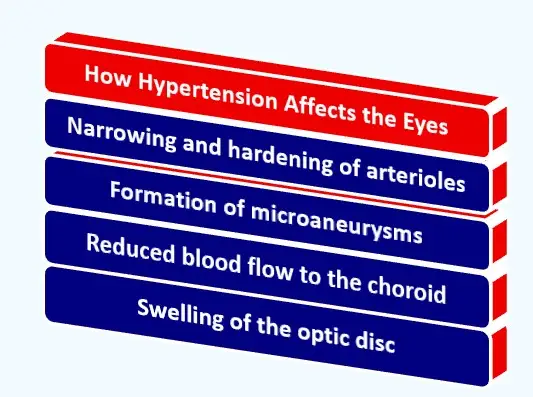
How Hypertension Affects the Eyes
- Hypertension: High blood pressure can harm the eyes through various mechanisms, which can also interact with tirzepatide treatment. Here are some ways in which chronic high blood pressure damages retinal blood vessels:
-
- Narrowing and hardening of arterioles: This reduces the amount of oxygen delivered to the cells responsible for vision.
- Formation of microaneurysms: This increases the risk of bleeding and fluid leakage.
- Reduced blood flow to the choroid: This affects the layer of blood vessels beneath the retina.
- Swelling of the optic disc: This occurs during severe hypertensive episodes.
- Worsening Diabetic Eye Disease: Patients with uncontrolled high blood pressure who start Zepbound may be more susceptible to worsening diabetic eye disease. The rapid changes in metabolism caused by tirzepatide, such as significant drops in hemoglobin A1c levels, can lead to sudden deterioration of existing hypertensive eye problems. This happens because quick improvements in blood sugar control affect how blood flows and how permeable the retinal blood vessels are in eyes already damaged by high blood pressure.
The Impact of Dyslipidemia on Eye Health
- Dyslipidemia: Another component of metabolic syndrome, contributes to the buildup of fat deposits within retinal blood vessels. These deposits form hard exudates that can threaten the functioning of the macula, an area responsible for sharp central vision.
- Comprehensive Management: The combined effects of multiple metabolic abnormalities require comprehensive management of cardiovascular risk factors alongside Zepbound treatment.
Potential Eye Health Concerns with Other Medications
- Mounjaro: Interestingly, similar eye health issues have been observed in users of Mounjaro, another medication associated with metabolic syndrome. This GLP-1 medication, particularly when used together with insulin, may increase the risk of macular edema—a serious condition affecting vision.
- Dupixent: Moreover, while Zepbound is primarily prescribed for weight management, it iss important to note that other medications like Dupixent have been linked to severe health risks including cancer and specific eye disorders associated with vision problems.
- Careful Monoriting: The complex relationship between metabolic syndrome components and eye health requires careful monitoring and management. Healthcare providers must be aware of these potential complications when prescribing medications such as Zepbound or Mounjaro.
For those experiencing serious issues such as Zepbound vision problems, it is important to seek medical advice promptly.
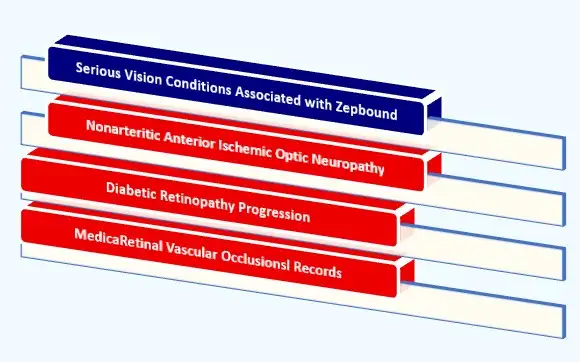
Serious Vision Conditions Associated with Zepbound
- The range of vision-related problems goes beyond temporary discomfort and includes potentially permanent eye damage.
- Medical research has found several serious conditions that require immediate attention from both healthcare providers and patients who are thinking about or currently using Zepbound.
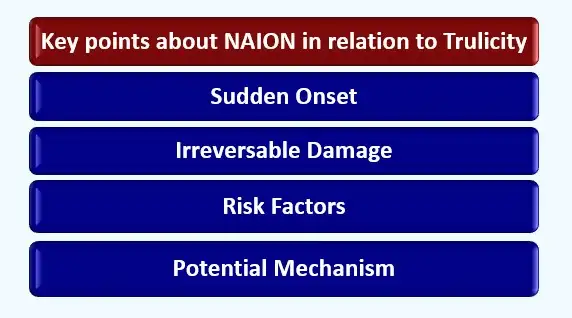
Nonarteritic Anterior Ischemic Optic Neuropathy (NAION)
- NAION: Represents the most concerning ocular complication associated with Zepbound treatment. This condition occurs when blood flow to the optic nerve becomes compromised, resulting in sudden and often permanent vision impairment. Patients experiencing NAION typically report abrupt onset of vision loss upon waking, frequently affecting one eye initially. The characteristic presentation includes:
-
- Sudden, painless vision loss in one or both eyes
- Significant peripheral vision defects or blind spots
- Altered color perception, particularly difficulty distinguishing between colors
- Visual field constriction that may progress without intervention
- Zepbound Eye Side Effects: The pathophysiology of NAION in Zepbound users involves complex interactions between rapid metabolic changes and optic nerve perfusion. When blood supply to the optic nerve head becomes insufficient, nerve tissue damage occurs swiftly, creating irreversible visual deficits in many cases.
Diabetic Retinopathy Progression
- Diabetic Retinopathy: Is a major concern for patients using GLP-1 receptor agonists like Zepbound. It involves gradual harm to the blood vessels in the retina, which can be seen through signs such as microaneurysms, bleeding, and new blood vessel growth. Interestingly, while Zepbound treatment aims to control blood sugar levels quickly, it may unintentionally worsen retinopathy in susceptible individuals, especially those with existing microvascular issues.
- Drop in Blood Glucose Levels: This is because a sudden drop in blood glucose levels can disturb the retinal blood vessels, causing them to become more permeable and leading to insufficient blood supply.
Retinal Vascular Occlusions
- Artery and Retinal Vein Occlusions: Retinal vascular occlusions, one of the more serious Zepbound vison problems. including both retinal artery and retinal vein occlusions, represent acute vascular events that can result in sudden, profound vision loss. These conditions involve blockage of blood vessels supplying or draining the retina, leading to ischemia and potential permanent retinal damage.
- Retinal Stroke: Scientific evidence from adverse event reporting systems has identified cases of retinal stroke occurring in temporal association with Zepbound administration, raising questions about potential vascular effects of dual GIP and GLP-1 receptor agonist on ocular circulation.
- Zepbound Vision Issues: These inflammatory conditions represent rare but potentially vision-threatening complications requiring immediate ophthalmologic evaluation. The pathophysiology linking Zepbound eye problems to inflammatory processes remains under investigation, with proposed mechanisms including immune system modulation, vascular changes, and metabolic shifts affecting ocular tissue perfusion.
Legal Rights for Patients Experiencing Severe Vision Side Effects
- Patient Bill of Rights: Patients experiencing severe Zepbound vision problems should be aware of their legal rights. For instance, if you suffered from Zepbound-related vision loss or other eye problems, you may want to consider reaching out for a Zepbound Vision Loss Lawsuit where legal professionals can provide assistance.
- If You Suffered Zepbound Vision Issues: Ccontact Zepbound Vision Loss Lawyer Timothy L. Miles today for a free case evaluation, as you could be eligible for a Zepbound Vision Loss Lawsuit and possible entitled to substantial compensation. (855)-846-6529 or [email protected].
Understanding Failure-to-Warn Claims
Failure-to-warn claims are the basis of pharmaceutical lawsuits in these cases. According to product liability law, manufacturers have a duty to disclose all known risks associated with their medications. If a pharmaceutical company knows or should know about harmful effects but fails to communicate these dangers through proper labeling, prescribing information, or direct warnings to medical professionals, it may be held responsible for resulting injuries.
Company Knew of Side Effect: The allegations against Eli Lilly assert that the company knew or should have known about the connection between GLP-1 receptor agonists and vision problems, including the link between Zepbound and eye twitching, yet did not adequately inform consumers and prescribing doctors about these risks.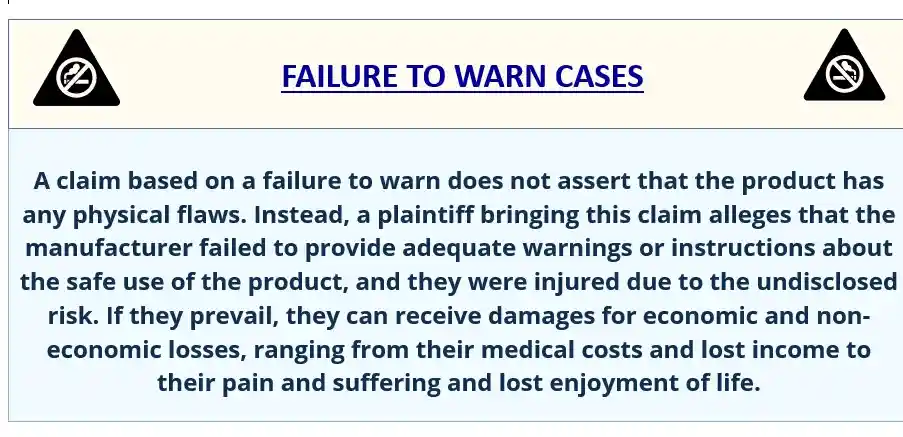
The Role of Multidistrict Litigation (MDL
MDL Consolidation: In response to the large number of similar claims, the judicial system has implemented multidistrict litigation (MDL) procedures. This legal process combines related cases from different federal districts into one jurisdiction for coordinated pretrial proceedings. The MDL process serves several purposes:
-
- Eliminates repetitive discovery efforts across multiple jurisdictions
- Ensures consistent rulings on common legal and factual issues
- Facilitates efficient resolution of complex pharmaceutical lawsuits
- Preserves judicial resources while maintaining individual case integrity
- Simplifies Litigation Process: The establishment of an MDL for Zepbound vision loss cases simplifies the litigation process. It allows plaintiffs to benefit from shared evidence, expert testimony, and legal strategies while advancing their individual claims for compensation related to vision impairment.
Similar Cases Involving Weight-Loss Drugs
- Weight Loss Drugs: This situation is not unique to Zepbound; similar patterns have emerged in other cases involving weight-loss drugs such as Wegovy or Dupixent, where inadequate warning about potential side effects has led to significant legal consequences for the manufacturers involved.
Qualifying for a Zepbound Vision Loss Lawsuit 

- Qualifications: Individuals who qualify for a Zepbound vision loss lawsuit must demonstrate specific criteria establishing a direct connection between their use of the medication and subsequent vision impairment.
- Documentation: The eligibility for vision loss claim requires documentation showing prescription and administration of Zepbound (tirzepatide) for an extended period, followed by the development of serious Zepbound vision issues that were not present prior to treatment initiation.
Essential Documentation Requirements
A Zepbound Vision Loss Lawyer requires comprehensive medical evidence to substantiate claims of Zepbound and vision loss. The necessary documentation includes:
- Complete medical records detailing the timeline of Zepbound prescription and administration
- Ophthalmological examination results documenting baseline vision status prior to medication use
- Diagnostic reports confirming vision deterioration or specific eye conditions following treatment initiation
- Prescription records establishing dosage, duration, and frequency of Zepbound use
- Correspondence with healthcare providers regarding vision-related complaints and symptoms
- Expert medical opinions linking the ocular damage to the pharmaceutical agent
Filing Process Overview
- Filing Process: The process of initiating a Zepbound Vision Loss Lawsuit follows a structured legal pathway. Prospective claimants must first consult with a Zepbound Vision Loss Lawyer who evaluates case merit based on medical evidence and legal precedent. The attorney conducts an initial case assessment to determine whether the vision problems align with documented adverse effects associated with the medication.
- Following Case Acceptance, the legal team compiles medical documentation, obtains expert medical testimony, and prepares the formal complaint. The filing must occur within applicable statutes of limitations, which vary by jurisdiction. Given the consolidation of multiple Zepbound Vision Problems cases through multidistrict litigation, coordination with existing legal proceedings becomes essential for efficient case management and consistent application of legal standards across similar claims.
- Similar Issues: If you are facing similar issues related to other medications like Mounjaro or Dupixent, you might want to consider consulting a Mounjaro Vision Loss Lawyer or exploring potential Dupixent Cancer Lawsuit.
The Importance of Hiring a Skilled Zepbound Vision Loss Lawyer
When faced with a potential lawsuit related to Zepbound and vision loss, it is crucial to have a skilled and experienced Zepbound vision loss lawyer on your side. These legal professionals possess the necessary knowledge and experience to navigate the complex legal landscape and ensure your rights are protected. Here are some of the key reasons why hiring a skilled attorney is essential:
- Comprehensive Understanding of Zepbound and Its Potential Side Effects: A knowledgeable Zepbound vision loss lawyer will have a deep understanding of the medication, its mechanism of action, and the scientific evidence linking it to conditions like NAION. This knowledge is crucial in building a strong case and advocating for your rights.
- Navigating the Legal Process: Navigating the legal system can be daunting, especially when dealing with a complex case involving a pharmaceutical product. A skilled Zepbound vision loss lawyer will guide you through every step of the legal process, ensuring that your lawsuit is properly filed, all necessary documentation is provided, and your rights are protected throughout the proceedings.
- Negotiating with Pharmaceutical Companies: Zepbound is manufactured by a major pharmaceutical company, which often has significant resources and legal teams at their disposal. A skilled Zepbound Vision Loss lawyer will have the negotiation skills and experience to effectively advocate on your behalf, negotiating a fair settlement or pursuing litigation if necessary.
- Securing Appropriate Compensation: If you have suffered Zepbound vision side effects, a skilled Zepbound vision loss lawyer will work diligently to ensure you receive the compensation you deserve. This may include damages for medical expenses, lost wages, pain and suffering, and any other relevant factors.
- A Zepbound Vision loss lawsuit can be emotionally challenging. A compassionate lawyer such as Timothy L. Miles will provide the necessary support and guidance throughout the process, helping you navigate the legal comlexities while also addressing your concerns and emotional well-being.
It Does Not Cost Anything to Hire a Zepbound Vision Loss Lawyer
- Contingency Fees: It does not cost anything to hire a Zepbound vision loss lawyer if you are eligible for a Zepbound vision loss lawsuit. We take all cases on a contingency basis which means we do not get paid unless we win or settle your case.
- Call today: A Zepbound vision loss lawyer can explain the process and answer any questions you may have free of charge, so contact Timothy L. Miles today for a free case evaluation and see if you are eligible for a Zepbound vision loss lawsuit. (855) 846–6529 or [email protected].
Compensation in a Zepbound Vision Loss Lawsuit
If you are eligible for a Zepbound vision loss lawsuit, a successful plaintiff is entitled to compensatory damages which would include compensation for things such as:
- past and future medical expenses;
- pain and suffering including emotional distress; and
- lost wages and the reduction in your ability to earn an income.
If your case proceeds to trial it is also possible the court could impose punitive damages, intended to punish the defendant for their actions. Contact Zepbound vision loss lawyer Timothy L. Miles who can tell you if you are eligible for a Zepbound vision loss lawsuit and can explain more about the type of damages you are entitled to receive. (855) 846–6529 or [email protected].
Protecting Your Vision While Using Zepbound 
If you’ve been prescribed Zepbound, it’s crucial to prioritize regular eye check-ups to prevent any potential vision problems. Here’s what you need to know:
1. Importance of Baseline Eye Exams
- Before starting Zepbound treatment, make sure to get a comprehensive eye exam.
- This exam will serve as a reference point for your eye health and help identify any existing conditions that may affect your treatment. It’s especially important for individuals with a higher risk of eye issues, such as those with diabetic retinopathy or other eye diseases.
2. Monitoring Vision Effects Associated with GLP-1 Weight Loss Drugs
Remain Vigilent: Moreover, it’s crucial for patients using these weight loss drugs to remain vigilant about potential vision effects associated with GLP-1 Weight Loss Drugs, as recent medical studies have uncovered alarming trends regarding vision damage among users.
3. Keeping Track of Symptoms
- Be Proactive: It is important to be proactive in monitoring your own symptoms as well. Keep a detailed log of any changes in your vision or eye health, including:
- Changes in how well you see or your field of vision
- New floaters or flashing lights that you notice
- Any pain, inflammation, or discomfort in your eyes
- Difficulties with seeing at night or distinguishing colors
- Promptly Report Symptoms: By promptly reporting these symptoms to your healthcare provider and attending all scheduled eye exams, you can significantly reduce the risk of permanent vision impairment.
Specialized Registries and Databases
- Registries: Academic medical centers have established specialized registries that track visual outcomes in patients prescribed tirzepatide. These databases serve as valuable resources for researchers seeking to identify rare but serious eye events that may not have been captured during initial clinical trials.
- Similar GLP-1 Drugs: This is particularly relevant given recent evidence suggesting a possible association between similar medications like Mounjaro (another GLP-1 receptor agonist) and vision loss. Such findings raise significant concerns about the overall safety profile of this class of drugs.
- Zepbound Vision Problems: Understanding By combining various research approaches such as longitudinal studies, pharmacovigilance efforts, and specialized registries, scientists hope to gain a comprehensive understanding of Zepbound’s impact on ocular health. This knowledge will be essential in ensuring patient safety and optimizing treatment strategies for individuals requiring GLP-1 receptor agonist therapy.
Conclusion
- Siginficant Advancement: Zepbound is a significant advancement in metabolic disease management, delivering substantial therapeutic benefits for individuals struggling with type 2 diabetes and obesity through its dual-action mechanism on GIP and GLP-1 receptors. The medication’s capacity to improve glycemic control and facilitate meaningful weight reduction has transformed treatment paradigms for millions of patients worldwide.
- However, the documented eye complications associated with tirzepatide therapy demand careful consideration when evaluating the benefits vs risks of Zepbound therapy. Vision-related adverse events—ranging from temporary blurred vision to potentially serious conditions affecting the optic nerve—underscore the necessity for comprehensive patient education and vigilant monitoring protocols.
- These Zepbound Eye Problems: Similar to those reported with Saxenda usage, require proactive management strategies. Recent developments have brought significant attention to potential eye complications associated with Saxenda use, which may provide insights into managing similar issues with Zepbound.
- Managing Ocular Issues: Here are some suggested strategies:
-
- Schedule baseline eye examinations before starting treatment
- Maintain regular follow-up appointments with eye care specialists throughout therapy
- Report any visual changes immediately to healthcare providers
- Monitor blood sugar levels consistently to minimize rapid fluctuations
- Stay hydrated to reduce dry eye symptoms
- Be Proactive in Managing You Eye Care: Patients prescribed Zepbound must engage actively in their care through informed decision-making and sustained communication with their medical team. The integration of endocrinologic and ophthalmologic expertise ensures optimal outcomes while mitigating potential Zepbound and vision loss. Regular screening, prompt symptom recognition, and adherence to monitoring protocols constitute essential components of safe tirzepatide therapy, enabling patients to access the medication’s metabolic benefits while protecting their visual health.
Frequently Asked Questions About Zepbound Vision Problems
What are the most common Zepbound Eye Problems reported by users?
Patients taking the medication have reported several Zepbound vison problems with Zepbound and Blurry Vision being the most frequently documented symptom. This blurriness typically occurs during the initial weeks of treatment or following dosage increases. Zepbound and Eye floaters—small spots or specks that drift across the visual field—represent another commonly reported phenomenon. Some individuals describe difficulty focusing on objects at varying distances, while others notice temporary changes in their ability to read small print or view screens comfortably.
Can Zepbound cause permanent vision loss?
The potential for permanent vision loss exists, particularly in cases involving nonarteritic anterior ischemic optic neuropathy (NAION). This condition results from interrupted blood flow to the optic nerve and can lead to irreversible damage. While the absolute risk remains relatively low, patients experiencing sudden vision loss, especially in one eye, require immediate medical evaluation. The severity of outcomes varies considerably among affected individuals, with some experiencing partial vision recovery and others facing permanent visual impairment.
What exactly is NAION and how does it relate to Zepbound Eye Problems?
NAION represents a serious ophthalmic emergency characterized by sudden, painless vision loss resulting from compromised blood supply to the optic nerve head. Symptoms include:
- Sudden blurring or dimming of vision in one eye
- Loss of peripheral or central visual fields
- Altered color perception, particularly difficulty distinguishing between colors
- Presence of a relative afferent pupillary defect upon examination
Recent research has identified a potential association between GLP-1 receptor agonists like tirzepatide and increased NAION incidence, though the precise mechanism remains under investigation. Patients with pre-existing cardiovascular risk factors, diabetes, or sleep apnea face elevated susceptibility to this condition.
Are certain patients at higher risk for developing Zepbound and Vision Loss?
Several patient populations demonstrate increased vulnerability to ocular complications during Zepbound therapy. Individuals with pre-existing diabetic retinopathy or macular edema face substantially elevated risks of Zepbound vision side effects, as the medication may exacerbate underlying retinal pathology.
What Causes Zepbound and Vision Loss or other Zepbound Eye Problems?
The exact mechanism of Zepbound vision side effects is still being investigated. However, the belief is that Zepbound eye problems may be a result of the side effects caused by the medication.
If You Suffered from Zepbound Vision Side Effects or Other Zepboound Vision Problems, Contact Zepbound Vision Loss Lawyer Timothy L. Miles Today
If you were prescribed Zepbound and took it as directed and suffered Zepbound vision loss or other Zepbound eye problems, contact Zepbound Vision Loss Lawyer Timothy L. Miles today. You could be eligible for a Zepbound vision loss lawsuit and potentially entitled to substantial compensation.
The call is free and so is the fee unless we win or settle your case, so give a Zepbound vision loss Lawyer a call today and see if you qualify for a Zepbound vision loss lawsuit. (855) 846–6529 or [email protected].
(855)-846-6529: IT WILL BE THE ONLY CALL YOU NEED TO MAKE: (855) TIM-M-LAW
Timothy L. Miles, Esq.
Law Offices of Timothy L. Miles
Tapestry at Brentwood Town Center
300 Centerview Dr. #247
Mailbox #1091
Brentwood,TN 37027
Phone: (855) Tim-MLaw (855-846-6529)
Email: [email protected]
Website: www.classactionlawyertn.com
Facebook Linkedin Pinterest youtube
