Introduction to Why Hiring a Zepbound Vision Loss Lawyer is Indispensible
Patients who have suffered Zepbound and vision loss or significant ocular complications while taking Zepbound must recognize the critical importance of securing a qualified Zepbound vision loss lawyer. A Zepbound vision loss lawyer possesses experience and knowledge necessary to evaluate the merits of potential claims, establish causation between medication use and injury, and pursue appropriate compensation through litigation or settlement negotiations.
Zepbound, a weight management medication containing the active ingredient tirzepatide, has emerged as a significant pharmaceutical intervention for individuals struggling with obesity. Approved by the U.S. Food and Drug Administration for chronic weight management, this medication operates through sophisticated metabolic pathways to facilitate substantial weight reduction. Recent reports have raised serious concerns regarding Zepbound vision problems, ranging from minor ocular disturbances to severe, potentially irreversible vision loss.
The connection between tirzepatide-based medications and ocular adverse events has prompted increased scrutiny from medical professionals, regulatory authorities, and affected patients. Individuals who have experienced vision deterioration while using Zepbound face not only the immediate medical consequences but also the complex challenge of navigating pharmaceutical liability claims. The intersection of medical injury and product liability law creates a specialized legal domain requiring expertise in both pharmaceutical regulations and personal injury litigation.
For instance, if you or a loved one has experienced such adverse effects from Zepbound, it may be beneficial to consult with a law firm practicing in these types of cases. The Law Offices of Timothy L. Miles, known for his experience in class action lawsuits and mass torts, could provide the professional legal guidance required to navigate these complex situations. Call today for a free case evaluation. (855) 846–6529 or [email protected].
Moreover, if your vision loss is linked to another medication like Mounjaro, which is also based on tirzepatide, you might want to explore options related to a Mounjaro vision loss lawsuit. Such cases highlight the need for competent legal representation in securing justice for those affected by harmful pharmaceuticals.
The complexity of pharmaceutical liability cases demands professional legal guidance to protect the rights and interests of affected individuals. For more insights into related legal matters such as class actions and mass torts involving dangerous drugs or defective products, you can refer to this authoritative legal blog which provides valuable information on these topics.

Understanding Zepbound and How It Works
Zepbound is a new medication developed by Eli Lilly and Company for long-term weight management in adults with obesity or overweight conditions, especially those with weight-related health issues. It was approved by the United States Food and Drug Administration in November 2023 and is now available as a prescription treatment for weight loss.
How Zepbound Works
The main ingredient in Zepbound is tirzepatide, a man-made protein that works in two ways to help with weight loss. Unlike other weight management medications, tirzepatide acts as both a glucose-dependent insulinotropic polypeptide (GIP) receptor agonist and a glucagon-like peptide-1 (GLP-1) receptor agonist. This unique property sets it apart from other medications in its class.
The Role of GLP-1 Receptor Agonists
As a GLP-1 receptor agonist, tirzepatide mimics the action of natural hormones called incretins that control blood sugar levels and appetite. It binds to GLP-1 receptors in various parts of the body, such as the pancreas, digestive system, and brain. This binding triggers several responses:
- Increased insulin secretion when blood sugar levels are high
- Inhibition of glucagon release, leading to reduced liver glucose production
- Slower emptying of the stomach, making you feel full for longer after meals
- Direct effect on appetite centers in the brain, reducing food intake
How Zepbound Is Administered
Zepbound is given through an injection under the skin once a week. The starting dose is usually 2.5 mg, which can be gradually increased to higher doses (5 mg to 15 mg) depending on how well each patient responds and tolerates the medication. This gradual increase allows patients to adjust to the effects of the drug while minimizing common gastrointestinal side effects associated with GLP-1 receptor agonists.
Common Eye-Related Side Effects Reported by Zepbound Users
Patients undergoing treatment with Zepbound have documented various eye-related issues that require careful attention and monitoring. The Zepbound vision side effects include several manifestations that range from mild discomfort to more concerning visual disturbances.
Blurred Vision
Blurred vision from Zepbound represents one of the most frequently reported Zepbound vision problems among users. This condition manifests as a reduction in visual clarity, making it difficult for patients to focus on objects at various distances. The blurriness may occur intermittently or persist throughout the treatment period, affecting daily activities such as reading, driving, and operating machinery. Clinical observations suggest that this symptom may result from fluctuations in blood sugar levels or changes in the refractive properties of the eye’s lens during medication use.
Eye Floaters
Eye floaters and Zepbound usage have shown a notable connection in patient reports. These visual phenomena appear as small, dark spots or thread-like shapes that drift across the field of vision. While floaters can occur naturally with age, an increased frequency or sudden onset during Zepbound treatment requires immediate eye examination to rule out more serious retinal complications.
Dry Eyes
Dry eyes constitute another common concern one of Zepbound vision problems reported amont users. This condition develops when the eyes fail to produce enough tears or when tear quality deteriorates, resulting in:
- Persistent burning or stinging sensations
- Redness and irritation of the ocular surface
- Sensitivity to light and environmental factors
- Difficulty wearing contact lenses comfortably
The Zepbound eye problems documented in clinical settings and patient testimonials highlight the need for thorough eye monitoring throughout the treatment course. These symptoms, while sometimes dismissed as minor inconveniences, may indicate the onset of more severe complications requiring immediate medical intervention.
Serious Zepbound Eye Problems
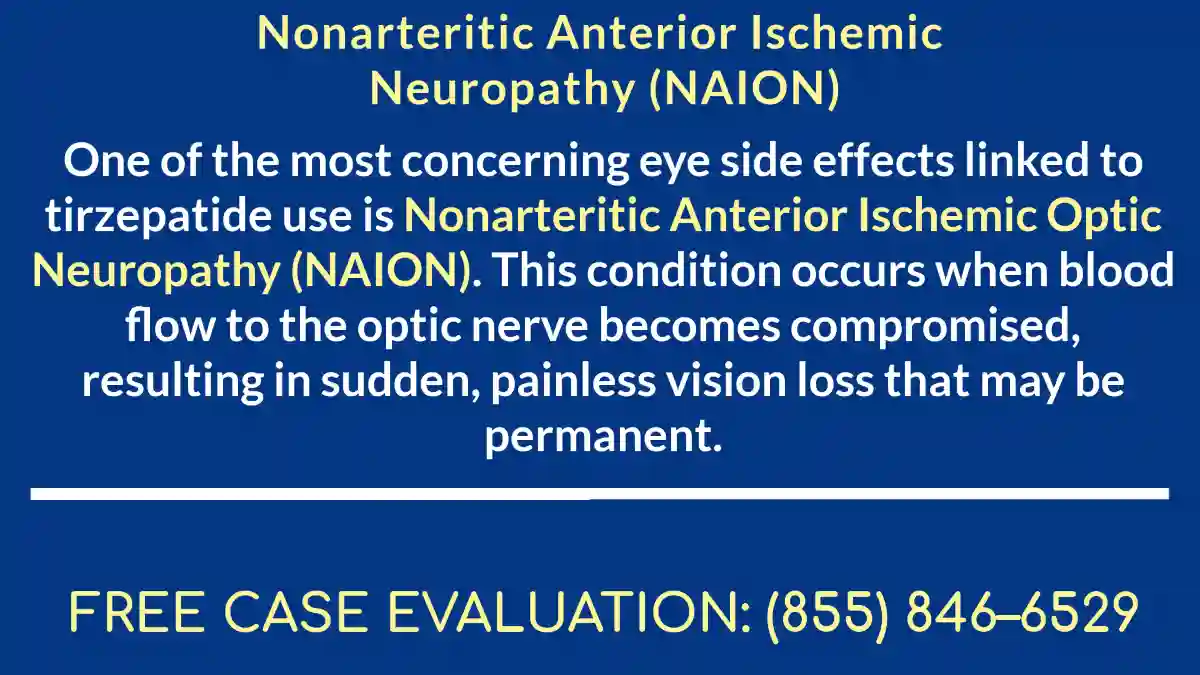
Nonarteritic Anterior Ischemic Optic Neuropathy (NAION) represents the most severe ocular complication associated with tirzepatide use. This condition occurs when blood flow to the optic nerve becomes suddenly and severely restricted, resulting in acute damage to the nerve tissue responsible for transmitting visual information from the eye to the brain. NAION manifests as sudden, painless vision loss that typically affects one eye, though bilateral involvement can occur in subsequent episodes.
The pathophysiology of optic nerve damage due to tirzepatide involves compromised microvascular circulation within the optic nerve head. When blood supply diminishes, the nerve tissue experiences ischemia—a state of oxygen deprivation that triggers cellular death and irreversible functional impairment. Patients experiencing NAION often report waking up with vision loss or noticing significant visual deterioration within hours of onset.
Clinical presentations of NAION include:
- Sudden loss of visual acuity in the affected eye
- Development of visual field defects, particularly inferior altitudinal defects
- Afferent pupillary defect observable during examination
- Optic disc edema visible through ophthalmoscopic evaluation
- Permanent visual impairment despite therapeutic intervention
The irreversible nature of NAION distinguishes it from transient visual disturbances. Once optic nerve tissue sustains ischemic damage, restoration of visual function becomes medically impossible with current treatment modalities. This permanent disability necessitates immediate consultation with a Zepbound Vision Loss Lawyer who possesses specialized knowledge in pharmaceutical liability litigation.
Legal representation becomes essential for securing compensation that addresses lifelong visual impairment, adaptive equipment requirements, vocational rehabilitation needs, and diminished quality of life resulting from this devastating complication.
The Legal Landscape: Zepbound and Vision Loss Lawsuits Against Eli Lilly
The emergence of Zepbound vision side effects among Zepbound users has led to a surge of lawsuits against Eli Lilly. The Zepbound Vision Loss Lawsuit claims that the company did not provide sufficient warnings about the potential for serious eye problems, especially the risk of developing NAION and other conditions that threaten vision.
Allegations in Zepbound Vision Loss Lawsuits
The Zepbound vision loss lawsuit filings typically center on allegations of:
- Failure to warn: Claims that Eli Lilly knew about the risks to vision but did not adequately communicate these dangers through product labeling or direct communication to medical professionals
- Negligent testing and research: Assertions that clinical trials conducted before the drug was approved did not properly identify or assess the safety of the medication for the eyes
- Design defect: Arguments that the formulation or way the drug works creates unreasonable risks that outweigh the benefits for certain patients
- Breach of warranty: Contentions that the medication did not perform as safely as represented to consumers and prescribing physicians
Responsibilities of Pharmaceutical Manufacturers
Legal representatives handling these cases emphasize that pharmaceutical manufacturers have a higher responsibility to disclose all known risks associated with their products. This means they must provide clear and comprehensive information about potential dangers to patients and healthcare providers.
Challenges in Proving Causation
Establishing a direct link between Zepbound use and specific instances of vision loss can be complex. It requires:
- Extensive medical documentation
- Expert testimony from ophthalmologists and endocrinologists
- Detailed analysis of clinical trial data
These elements are crucial in demonstrating that the drug caused the eye problems experienced by individuals.
Seeking Accountability from Eli Lilly
The lawsuits aim to hold Eli Lilly accountable for alleged failures in their responsibility to protect patient safety through transparent communication of risks. By bringing these legal actions, plaintiffs hope to obtain compensation for damages suffered as a result of using Zepbound and raise awareness about potential dangers associated with the medication.

Types of Compensation You May Be Entitled To in a Zepbound Vision Loss Lawsuit
Patients who have experienced vision impairment or loss following Zepbound treatment may pursue multiple categories of damages through legal action. A Zepbound Vision Loss Lawyer possesses the expertise to identify and quantify all applicable forms of compensation relevant to each individual case.
1. Economic Damages
These are the financial losses directly caused by vision problems. They include:
- Compensation for medical expenses related to ongoing eye care, such as emergency treatments, specialist consultations, diagnostic procedures, surgical interventions, prescription medications, and rehabilitative therapies
- Lost wages if you couldn’t work during treatment and recovery periods
- Diminished earning capacity when permanent vision impairment affects career prospects or requires job changes
- Costs for assistive devices, home modifications, and long-term care needs
2. Non-Economic Damages
These damages address the significant impacts on your quality of life that cannot be easily measured in money. They include compensation for pain and suffering experienced throughout your medical crisis and treatment phases. The emotional toll of sudden or progressive vision loss can lead to distress, anxiety, depression, and a loss of enjoyment in activities you once loved.
3. Punitive Damages
In cases where evidence shows extreme wrongdoing by the pharmaceutical manufacturer, punitive damages may be awarded. These damages are meant to punish particularly reckless behavior and discourage similar actions by other companies in the industry.
The process of valuing these damages involves gathering detailed documentation such as medical records, employment history, expert opinions on prognosis, and a thorough accounting of all related expenses. Legal counsel with experience in pharmaceutical litigation understands how courts determine appropriate compensation amounts for each type of damage.
Monitoring Your Eye Health While Using Zepbound: What You Need To Know
Keeping an eye on your eye health is crucial when you’re being treated with Zepbound. This proactive approach helps identify any potential issues early on, allowing for timely intervention and preventing long-term damage to your vision.
Baseline and Periodic Eye Check-Ups
Before starting Zepbound treatment, it’s important to have a thorough eye examination. This initial assessment serves as a baseline for future comparisons and helps identify any pre-existing conditions that may increase the risk of complications from the medication. Regular follow-up eye exams should be scheduled based on individual risk factors, medical history, and any new symptoms that may arise.
Warning Signs That Require Immediate Medical Attention
While on Zepbound, it is essential to be vigilant about certain symptoms that require urgent attention from an eye specialist:
- Sudden loss of vision or significant decrease in visual clarity
- Persistent blind spots or scotomas in your field of vision
- New floaters, flashes of light, or distorted vision
- Unexplained eye pain accompanied by changes in vision
- Gradual blurring that doesn’t improve with standard corrective measures
Keeping Records and Communicating with Healthcare Providers
As a patient, it is your responsibility to keep track of any Zepbound vision problems you experience during treatment. Make sure to note down the date when symptoms started, how long they lasted, their severity, and any other factors that may be relevant. Promptly inform both your prescribing doctor and ophthalmologist about these issues to ensure coordinated care and appropriate action when necessary.
It is crucial for healthcare providers to have complete information regarding the timing of Zepbound administration and the onset of eye symptoms in order to accurately assess causation.
Conclusion
Patients experiencing Zepbound vision problems must recognize the critical window for legal action. The importance of legal counsel for vision loss claims cannot be overstated, particularly when facing pharmaceutical companies with substantial legal resources. Early consultation with a qualified attorney preserves evidence, establishes timelines, and protects statutory rights that may expire without proper intervention.
The complexity of Zepbound-related vision complications demands competent legal counsel. These cases require:
- Comprehensive medical documentation linking tirzepatide exposure to ocular damage
- Expert testimony from ophthalmologists and pharmacologists
- Detailed analysis of manufacturer warnings and regulatory compliance
- Strategic navigation of pharmaceutical liability frameworks
A Zepbound Vision Loss Lawyer possesses the technical knowledge and litigation experience necessary to challenge inadequate safety disclosures and pursue maximum compensation. The severity of conditions such as NAION—which can result in irreversible blindness—underscores the stakes involved in these claims.
Patients who delay legal consultation risk compromising their ability to recover damages for medical expenses, lost income, and diminished quality of life. The intersection of pharmaceutical regulation, medical causation, and personal injury law creates a landscape where professional representation becomes essential rather than optional.
Immediate action protects both legal rights and financial interests when vision loss threatens independence and livelihood. The path to accountability begins with informed legal counsel.
Timothy L. Miles, Esq.
Law Offices of Timothy L. Miles
Tapestry at Brentwood Town Center
300 Centerview Dr. #247
Mailbox #1091
Brentwood,TN 37027
Phone: (855) Tim-MLaw (855-846-6529)
Email: [email protected]
Website: www.classactionlawyertn.com
Facebook Linkedin Pinterest youtube
