Understanding Securities Litigation: What You Need to Know
- Litigating the Complexities: Is a reference to the intense, complex and extremely hard-fought legal arena known as securities litigation. It is high stakes, federal court, and complex litigation.
- Securities Litigation: Is a complex landscape to navigate, especially as we move into 2026. It involves legal disputes related to the buying, selling, and trading of securities, encompassing a wide range of issues from fraud to breaches of fiduciary duty. Understanding this domain is essential for anyone involved in or affected by the financial markets. As an investor, legal professional, or corporate executive, you need to grasp the nuances of securities litigation to protect your interests effectively.
- Protecting Investors: At its core, securities litigation aims to maintain market integrity and protect investors from fraudulent activities. The process often involves intricate legal battles that require a deep understanding of financial regulations and market operations. Staying informed about the latest legal precedents and regulatory changes is crucial to navigating these waters successfully. Whether you are defending a client or seeking justice for fraudulent practices, knowledge is your most powerful tool.
- Emerging Markets: Moreover, securities litigation is not just about legal battles; it’s about preserving trust in the financial system. As markets evolve and new securities emerge, the landscape of potential disputes broadens. Being prepared for these challenges means understanding not only the legal aspects but also the financial and ethical considerations that underpin securities litigation.
One of, if not the. Most Complex Areas of the Law
- Complex Securities Litigation: is a multifaceted legal field that involves intricate disputes over financial instruments. As an individual venturing into this domain, grasping the foundational principles is essential. This includes understanding the various parties involved, such as investors, corporations, and regulatory bodies, each with its own interests and objectives.
- Securities Fraud Litigation Procedure: The process commences when a plaintiff files a detailed complaint outlining alleged securities law violations, supported by specific legal grounds and factual evidence demonstrating how internal controls may have failed.
- Securities Litigation Acts as a Deterrent: Given the potential for significant financial repercussions, securities litigation also acts as a deterrent against corporate misconduct. Companies are acutely aware that any misstep could lead to costly legal battles and damage to their reputation.
- Transparency and Accountability: This awareness promotes a culture of transparency and accountability within firms, encouraging them to adhere strictly to financial regulations and ethical business practices. However, despite these deterrents, cases of securities violations continue to surface, underscoring the need for vigilant enforcement and an informed investor base.
- Globalization: The globalization of financial markets has introduced new challenges and opportunities for securities litigation. As companies operate across borders, the jurisdictional issues become more intricate, often requiring legal practitioners to navigate a patchwork of international regulations. This complexity underscores the importance of having a robust legal framework that can adapt to the fast-paced changes in the global economy.
The Rise of Accounting Fraud: Trends and Implications
- Accounting Fraud: Has become a significant concern in securities litigation, as it directly impacts investor trust and market stability. In recent years, there has been an alarming increase in cases where companies manipulate financial statements to mislead investors and regulators. As you delve into securities litigation, it’s essential to recognize common accounting fraud tactics, such as improper revenue recognition, asset misappropriation, and expense manipulation.
- Fraudulent Activities: The implications of accounting fraud are far-reaching, affecting not just the companies involved but also the broader financial ecosystem. Fraudulent activities can lead to severe legal consequences, including hefty fines and imprisonment for those responsible. Furthermore, companies caught engaging in such practices often suffer reputational damage, which can have long-lasting effects on their market valuation and investor confidence.
- Fraud and Misrepresentation: Securities litigation often arises from allegations of misrepresentation or fraud, leading to financial losses for investors. By comprehensively understanding the causes and consequences of these disputes, you can better navigate the often-turbulent waters of financial litigation. This knowledge is crucial for both legal practitioners and those directly involved in the financial markets.
Litigating Complex. Sophisticated and Fraudulent Schemes
- Sophisticated and Detrimental: Understanding these trends is crucial for anyone involved in securities litigation. As fraudulent schemes become more sophisticated, staying ahead requires vigilance and a commitment to ethical practices. By prioritizing transparency and accountability, you can help safeguard against the detrimental effects of accounting fraud on the financial markets.
- Common Types of Accounting Fraud: Include revenue recognition schemes, asset misappropriation, and improper expense reporting. These fraudulent activities can distort a company’s financial health and lead to significant legal repercussions. By recognizing the signs of accounting fraud, you can take proactive measures to prevent it from occurring within your organization.
- Consequences: The consequences of accounting fraud extend beyond financial losses, impacting a company’s reputation and stakeholder trust. In securities litigation, proving the occurrence of fraud is often a complex and challenging task. By understanding the intricacies of forensic accounting and employing skilled professionals, you can build a robust case to support your legal strategy.

Internal Controls: Safeguarding Against Corporate Malfeasance
- Strong Internal Controls Are Vital: Implementing robust internal controls is a critical strategy in preventing corporate malfeasance and safeguarding your organization against securities litigation. Internal controls are mechanisms and procedures designed to ensure the accuracy and reliability of a company’s financial reporting. These controls help detect and prevent fraudulent activities, thereby protecting stakeholders’ interests.
- Policies and Procedures: Effective internal controls involve a combination of policies, procedures, and monitoring mechanisms. Key elements include segregation of duties, which prevents any single individual from having control over all aspects of a financial transaction, and regular audits to identify discrepancies or irregularities. By fostering a culture of accountability, you can minimize the risk of financial misstatements and fraudulent activities within your organization.
- Regulatory Bodies: As securities litigation evolves, the importance of internal controls cannot be overstated. Regulators and investors are increasingly scrutinizing companies’ internal control systems to assess their effectiveness in preventing fraud. By prioritizing strong internal controls, you not only protect your organization but also contribute to a more transparent and trustworthy financial environment.
Key Indicators of Fraud
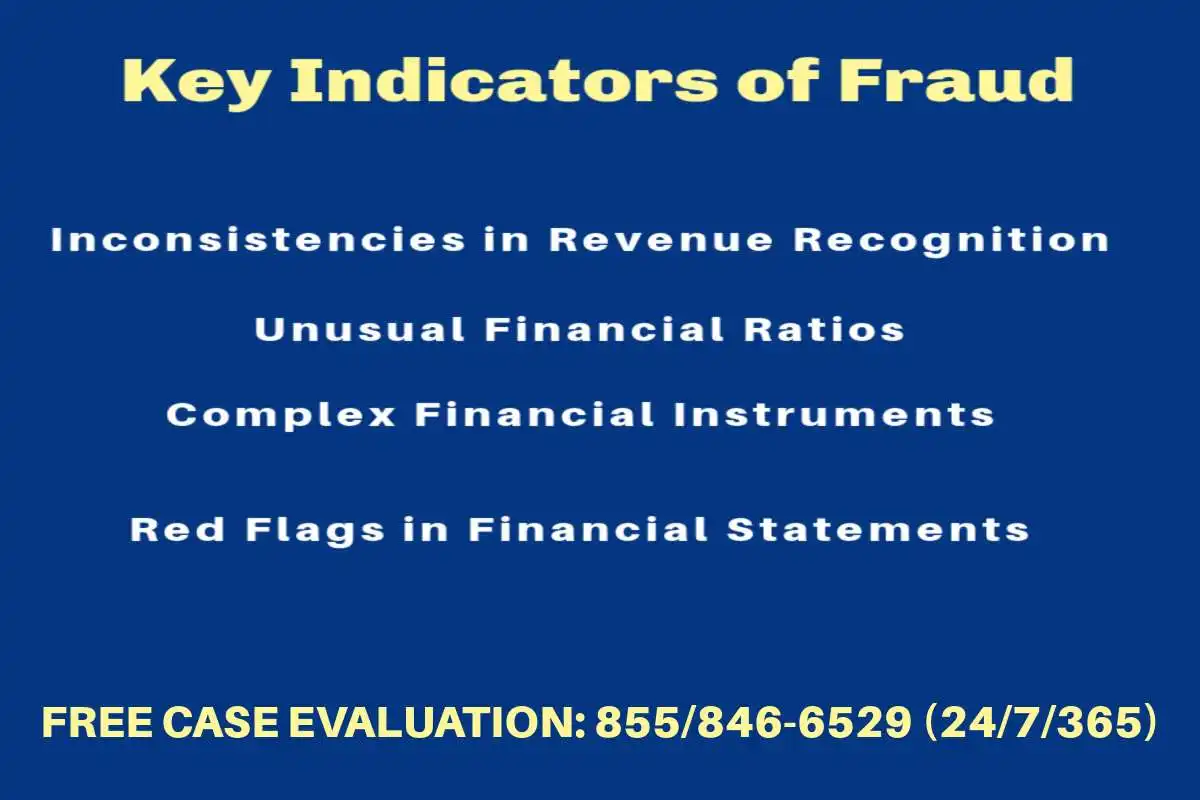
- Inconsistencies in Revenue Recognition: Unexplained revenue spikes without corresponding cash flow increases or customer base expansion often signal premature or fictitious revenue recognition. Financial analysts and shareholders must carefully examine revenue timing, particularly during quarter-end or year-end periods. Strong internal controls over revenue recognition processes help prevent manipulation and ensure compliance with accounting standards. Companies should implement automated controls to flag unusual revenue patterns and require multiple levels of review for significant transactions.
- Unusual Financial Ratios: Dramatic changes in key financial metrics, including current ratio, debt-to-equity ratio, or gross margin percentages, may indicate deliberate manipulation of financial statements. When these ratios deviate significantly from industry benchmarks or historical patterns, it often suggests overvalued inventory, inflated receivables, or understated liabilities. Robust internal controls should include regular ratio analysis and investigation of significant variances.
- Complex Financial Instruments: The utilization of sophisticated financial products, including derivatives, special purpose vehicles, or off-balance-sheet arrangements, can mask a company’s true financial condition. Comprehensive disclosure and transparent reporting become crucial for stakeholder understanding. Companies must establish rigorous internal controls specifically designed to monitor and validate these complex transactions.
- Red Flags in Financial Statements: Common warning signs include aggressive asset valuations, undisclosed related party transactions, and frequent changes in accounting methodologies. Forensic audits play a vital role in uncovering these issues through detailed examination of financial relationships and comparative analysis against historical trends and industry standards. Effective internal controls should incorporate automated monitoring systems to detect these red flags early.
Corporate Governance: The Foundation of Ethical Business Practices
- Corporate Governance: The cornerstone of ethical business practices and a critical factor in preventing securities litigation. It refers to the framework of rules, practices, and processes by which a company is directed and controlled. Effective corporate governance ensures that companies are managed in the best interests of their stakeholders, including shareholders, employees, customers, and the broader community.
- Defined Roles: Strong corporate governance involves establishing clear roles and responsibilities for board members and executives, promoting transparency in decision-making, and ensuring compliance with legal and regulatory requirements. By fostering a culture of integrity and accountability, you can mitigate the risk of unethical behavior and potential securities litigation.
- Protects Against Fraud: In the context of securities litigation, corporate governance plays a vital role in protecting against fraudulent activities and maintaining investor trust. As regulatory scrutiny increases, companies with robust governance frameworks are better positioned to navigate legal challenges and uphold their reputations. By prioritizing ethical leadership and transparent practices, you can help build a resilient and trustworthy business environment.
Key Players in Securities Litigation: Who’s Who in the Process
- Navigating the complexities of securities litigation requires an understanding of the key players involved in the process. From plaintiffs and defendants to regulatory bodies and legal professionals, each participant plays a crucial role in shaping the outcome of a securities dispute.
-
- Plaintiffs and Defendants: In securities litigation, plaintiffs are typically investors or shareholders who allege financial harm due to fraudulent activities. Defendants, on the other hand, are the companies or individuals accused of wrongdoing. Understanding the motivations and strategies of both parties is essential for effectively navigating the litigation process.
-
- Regulatory Bodies: Regulatory agencies, such as the Securities and Exchange Commission (SEC) in the United States, play a pivotal role in securities litigation. These bodies enforce securities laws and regulations, investigate potential violations, and initiate legal proceedings when necessary. Staying informed about regulatory developments is crucial for anticipating potential legal challenges.
-
- Legal Professionals: Attorneys specializing in securities litigation are indispensable in guiding clients through the legal process. These professionals possess the expertise needed to interpret complex financial regulations, develop effective legal strategies, and advocate on behalf of their clients. Collaborating with experienced legal counsel is essential for achieving a successful resolution.
Complex Securities Litigation Procedure
- Securities Litigation Procedure: Process begins with a plaintiff drafting and filing a complaint that details the alleged securities law violations and their legal basis.
- Answer: After the complaint is filed, defendants respond, and a discovery period ensues for exchanging information and evidence
- Settlement: Many cases are resolved through settlement or arbitration, while those that aren’t may proceed to trial, where a judge or jury makes a final decision.
- Securities Litigation: Involves legal disputes over the purchase and sale of securities like stocks and bonds, often stemming from violations of securities laws.
- Types of Cases: These cases can include class actions, insider trading, fraud, and market manipulation, and are designed to ensure fairness and accountability in financial markets.
- High-Stakes Litigation: The process can be complex and high-stakes, involving significant financial implications for corporations and investors.
Common Causes of Securities Litigation
- Triggers: A variety of factors can trigger securities litigation, with the most common being allegations of fraud or misrepresentation.
- Misleading Investors: These claims often revolve around a company misleading investors about its financial health or prospects. Such misrepresentations can occur through false financial statements, overinflated earnings reports, or failing to disclose material information that could affect an investment’s value or other accounting fraud.
- Investor Losses: Investors who suffer losses as a result of these actions may seek legal recourse through securities litigation.
- Insider Trading: Another frequent cause of securities litigation is insider trading, where individuals with access to non-public information about a company use that knowledge to buy or sell securities, thereby gaining an unfair advantage over other investors.
- Unethical Practice: This practice is not only unethical but also illegal, as it undermines investor confidence and disrupts the fairness of the financial markets.
- Regulatory Bodies: Such as the Securities and Exchange Commission (SEC), actively monitor and prosecute cases of insider trading to maintain market integrity.

Key Components of a Successful Securities Litigation Case
- Strategic Approach: Building a successful securities litigation case requires a strategic approach and a deep understanding of the legal landscape. Key components include gathering compelling evidence, selecting the right legal team, and formulating a robust legal strategy. By focusing on these elements, you can enhance your chances of achieving a favorable outcome.
- Financial Documents: Evidence is the cornerstone of any successful litigation case. In securities litigation, this often involves financial documents, communication records, and expert testimony. A thorough and well-documented case can significantly impact the court’s decision, making it essential to invest time and resources in the evidence-gathering process.
- Experienced Legal Team: Choosing the right legal team is equally important, as experienced professionals can provide invaluable insights and guidance throughout the litigation process. By collaborating with skilled attorneys who practice in securities law, you can navigate the complexities of your case with confidence. Additionally, a well-crafted legal strategy, tailored to the specifics of your case, will further enhance your prospects for success.
- A lawsuit is initiated by one or more investors, called the “lead plaintiffs,” on behalf of a larger group of investors, or the “class”.
- The “class period” is defined as the specific timeframe during which the alleged fraudulent activity took place. Only those who bought or sold the security during this period are eligible to participate.
- A lead plaintiff is appointed to represent the class. Under the Private Securities Litigation Reform Act (PSLRA), the court will typically appoint the investor with the largest financial interest in the outcome of the case.
- The case is litigated, which may include a lengthy discovery phase for gathering evidence.
- The case can be settled or go to trial. Most class actions are resolved through settlements, which can include cash or stock paid into a common fund for the class. The lead plaintiff and class counsel approve any settlement before it is finalized.
Common Types of Misconduct
- Securities fraud class actions can arise from various types of misconduct by a company, its officers, or others involved in the sale of its securities, including:
- Making false or misleading statements in SEC filings, prospectuses, or earnings announcements.
- Overstating a company’s revenues or profits through fraudulent or “creative” accounting.
- Engaging in market manipulation to artificially inflate or deflate a security’s price.
What Plaintiffs Must Prove
To succeed in a federal securities fraud class action, plaintiffs must prove several elements:
- Material misstatement or omission: The company made a false or misleading statement, or failed to disclose a material fact.
- Scienter: The defendant acted with an intent to deceive, manipulate, or defraud.
- Reliance: The plaintiff relied on the misstatement or omission when buying or selling the security. For publicly traded securities, this can be proven through the “fraud-on-the-market” theory, which presumes the market price reflects all public, material information.
- Economic loss: The plaintiff suffered a financial loss.
- Loss causation: The company’s misstatement or omission directly caused the plaintiff’s loss, often demonstrated by a stock price drop after the truth is revealed in a “corrective disclosure”
Benefits for Investors
- Participating in a class action allows investors to pool their resources, which offers leverage they would not have in an individual lawsuit against a large corporation.
- The collective approach also makes it more efficient and cost-effective to pursue legal action, especially for smaller investors.
PRE- AND POST-PSLRA STANDARDS FOR SECURITIES FRAUD LITIGATION
|
Feature |
Pre-PSLRA Standard |
Post-PSLRA Standard |
|
Motion to dismiss |
Based on “notice pleading” (Federal Rule of Civil Procedure 8(a)), making it easier for plaintiffs to survive motions to dismiss. This often led to settlements to avoid costly litigation. |
Requires satisfying PSLRA’s heightened pleading standards and the “plausibility” standard from Twombly and Iqbal. Failure to plead with particularity on any element can result in dismissal. |
|
Pleading |
“Notice pleading” was generally sufficient, though fraud claims under Federal Rule of Civil Procedure 9(b) required particularity for the circumstances of fraud, but intent could be alleged generally. |
Each misleading statement must be stated with particularity, explaining why it was misleading. Facts supporting beliefs in claims based on “information and belief” must also be stated with particularity. |
|
Scienter |
Pleaded broadly; the “motive and opportunity” test was often sufficient to infer intent. |
Requires alleging facts creating a “strong inference” of fraudulent intent, which must be at least as compelling as any opposing inference of non-fraudulent intent, as clarified in Tellabs, Inc. v. Makor Issues & Rights, Ltd.. |
|
Loss causation |
Not a significant pleading hurdle, often assumed if a plaintiff bought at an inflated price. |
Requires pleading facts showing the fraud caused the economic loss, often by linking a corrective disclosure to a stock price drop. Dura Pharmaceuticals, Inc. v. Broudo affirmed this. |
|
Discovery |
Could proceed while a motion to dismiss was pending. |
Automatically stayed during a motion to dismiss. |
|
Safe harbor for forward-looking statements |
No statutory protection. |
Protects certain forward-looking statements if accompanied by “meaningful cautionary statements”. |
|
Lead plaintiff selection |
Often the first investor to file. |
Court selects based on a “rebuttable presumption” that the investor with the largest financial interest is the most adequate. |
|
Liability standard |
For non-knowing violations, liability was joint and several. |
For non-knowing violations, liability is proportionate; joint and several liability applies only if a jury finds knowing violation. |
|
Mandatory sanctions |
Available under Federal Rule of Civil Procedure 11, but judges were often reluctant to impose them. |
Requires judges to review for abusive conduct |
Recent Trends in Complex Securities Litigation for 2025
- Stay Informed: Staying informed about recent trends in complex securities litigation is crucial for adapting to the evolving legal landscape. As 2025 approaches, several key trends are shaping the future of securities litigation, including increased regulatory scrutiny, the rise of environmental, social, and governance (ESG) factors, and the growing influence of technology.
- Regulatory Bodies: Worldwide are intensifying their focus on compliance and transparency, leading to stricter enforcement actions and penalties. As a result, organizations must prioritize regulatory compliance to avoid legal challenges. Additionally, the increasing importance of ESG factors in investment decisions is prompting companies to reassess their practices and disclosures.
- Technology: Is also playing an increasingly significant role in securities litigation, with advancements in data analytics and artificial intelligence transforming how cases are investigated and litigated. By staying abreast of these trends, you can proactively address potential risks and position your organization for success in the rapidly changing landscape of securities litigation.
Navigating Regulatory Challenges in Securities Litigation
- Regulatory Challenges: Are a common aspect of securities litigation, often involving complex compliance issues and evolving standards. Successfully navigating these challenges requires a thorough understanding of the regulatory environment and a proactive approach to compliance. By prioritizing regulatory awareness, you can mitigate potential legal risks and protect your organization’s interests.
- Key Regulatory Bodies: Such as the Securities and Exchange Commission (SEC) in the United States, play a pivotal role in shaping the legal landscape. Staying informed about their guidelines and enforcement actions is essential for maintaining compliance. Additionally, engaging with knowledgeable legal professionals can provide valuable insights into navigating regulatory complexities.
- Compliance: Effective compliance programs are critical for minimizing regulatory risks. These programs should include regular training, internal audits, and a robust reporting system for potential violations. By fostering a culture of compliance and accountability, you can safeguard your organization against regulatory challenges and ensure its long-term success.

Options Available to Shareholders
The Impact of Technology on Securities Litigation
- Staying Abreast of Technology: Technology is revolutionizing the field of securities litigation, offering new tools and methodologies for managing complex cases. From data analytics to artificial intelligence, these advancements are enhancing the efficiency and effectiveness of legal processes. By leveraging technology, you can gain a competitive edge and improve outcomes in securities litigation.
- Data Analytics: Has become an invaluable resource for uncovering patterns and insights in large volumes of financial data. These tools enable legal teams to identify potential fraud, assess risks, and build stronger cases. Additionally, artificial intelligence is streamlining document review and case management, reducing the time and resources required for litigation.
- Be Proactive: Embracing technology in securities litigation also involves staying informed about emerging trends and innovations. As new tools become available, being proactive in adopting them can enhance your legal strategy and improve your ability to respond to complex challenges. By remaining at the forefront of technological advancements, you position yourself for success in the dynamic world of securities litigation.
Discovery and Trial in Securities Litigation
Discovery
- The discovery phase is a critical component of securities litigation, providing both sides the opportunity to uncover facts, gather evidence, and build their respective cases.
- During discovery, parties may request documents, take depositions, and submit interrogatories to gain information relevant to the claims and defenses.
- This process can be extensive and complex, particularly in securities cases, which often involve voluminous financial records and technical details.
- The goal is to establish a factual record that will be used to support motions for summary judgment or to persuade a jury at trial.
- Evidentiary standards in securities litigation are high, and the ability to present a clear, compelling narrative based on solid evidence is key to success in the courtroom.
Trial
- Should a securities lawsuit proceed to trial, it becomes a forum where the facts are presented, witnesses are examined, and legal arguments are made before a judge or jury.
- Trials in securities litigation can be lengthy and involve sophisticated legal and financial concepts.
- The parties must effectively communicate these concepts to a lay audience, making the role of skilled trial attorneys paramount.
- The outcome of a trial can hinge on the persuasiveness of witness testimony, the admissibility of evidence, and the strength of the legal arguments presented.
- It is a high-stakes environment where the preparation and strategy employed during the discovery phase are put to the test, and the parties’ fortunes can be dramatically altered by the verdict.

Resources and Courses for Mastering Securities Litigation
- Continuous Learning: To effectively master complex securities litigation, continuous learning and professional development are essential. Numerous resources and courses are available to help you deepen your understanding and enhance your skills in this challenging field. By investing in your education, you can stay ahead of the curve and excel in securities litigation.
- Certifications: Online courses and certifications offer flexible learning opportunities, allowing you to study at your own pace and convenience. Many reputable institutions provide specialized programs in securities law, accounting fraud, and corporate governance. These courses can equip you with the knowledge and skills needed to navigate complex legal challenges.
- Industry Developments: In addition to formal education, staying informed about industry developments through webinars, conferences, and publications is crucial. Networking with peers and experts in the field can also provide valuable insights and support. By actively engaging in your professional development, you can enhance your expertise and confidently tackle the complexities of securities litigation.
Conclusion: Preparing for the Future of Complex Securities Litigation
- As you prepare for the future of complex securities litigation, it is essential to remain vigilant and adaptable. The legal landscape is continually evolving, driven by regulatory changes, technological advancements, and emerging trends. By staying informed and proactive, you can position yourself for success in this dynamic field.
- Key strategies for preparing for the future include investing in robust internal controls, fostering a culture of compliance, and leveraging technology to enhance your legal processes. By prioritizing these measures, you can effectively manage risks and protect your organization’s interests.
- As you navigate the complexities of securities litigation, remember that continuous learning and professional development are critical. By staying informed and engaged, you can confidently face the challenges of tomorrow and achieve success in the ever-changing world of complex securities litigation.
