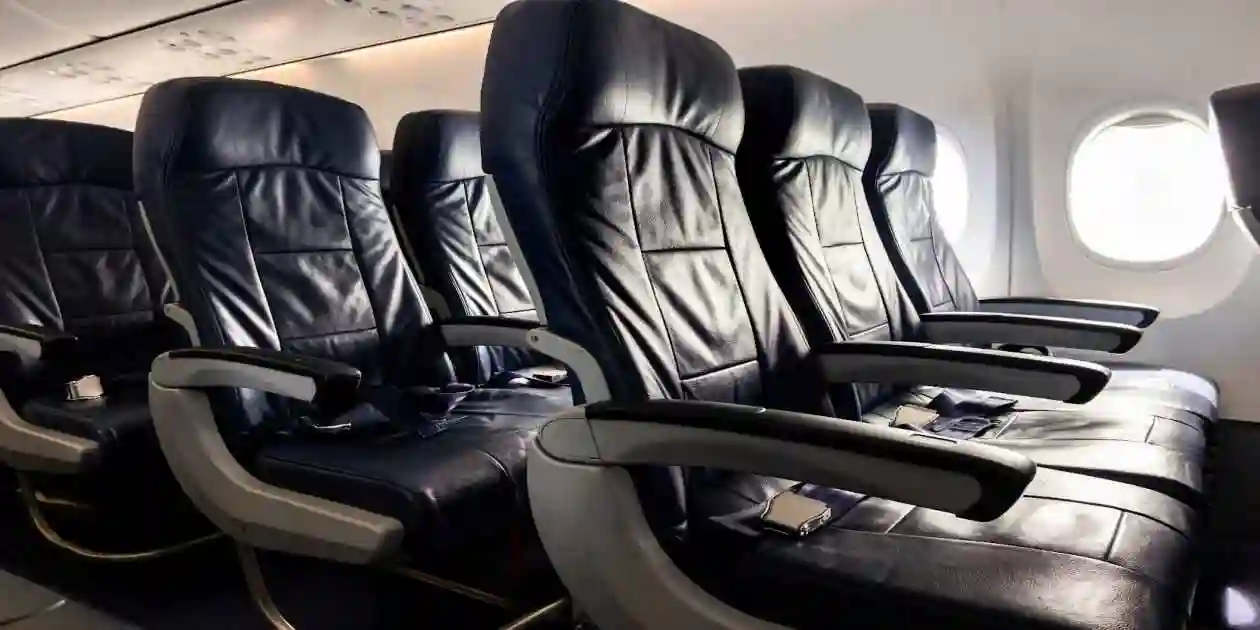
![empty inside of a plane' cabin with red and white seats usued in Dangerous Toxic Fume Exposure Continues Unabated [2026]](https://classactionlawyertn.com/wp-content/uploads/2026/02/ezgif-7949499aacb0c7d6-1024x512.webp)
Introduction to Dangerous Toxic Fume Exposure Continues Unabated
Toxic fume exposure in airplane cabins continues as does the public debate on the issue. Commercial aviation remains one of the most tightly regulated transport systems in the world. Yet a specific occupational and public health risk persists with inconsistent recognition, uneven reporting, and limited preventative engineering: toxic fume exposure in aircraft cabins.
This issue is often discussed in relation to “fume events”, a term that refers to occurrences where the cabin or flight deck air is contaminated by abnormal amounts of chemical fumes or smoke-like odors. These events are often associated with engine oil or hydraulic fluid leakage into the aircraft’s air supply, leading to severe health risks for passengers and crew alike. For more information on this, you can refer to this link.
The central concern regarding toxic fume exposure remains unchanged as we move towards 2026. When the air supplied to the cabin becomes contaminated with heated engine oil, hydraulic fluid, and their thermal decomposition products, passengers and crew may inhale a complex mixture of irritants and neuroactive chemicals.
The resulting acute symptoms are widely reported by flight crew communities and have been described in case reports and observational studies. However, standardization remains limited across detection, reporting, medical follow up, and long-term risk governance.
This article addresses one topic only: toxic fume exposure in airplane cabins and aerotoxic syndrome. The clinical entity known as aerotoxic syndrome is often debated, but its connection to toxic fume exposure is undeniable.
If you believe you have been affected by toxic fume exposure, or contaminated cabin air, contact Aerotoxic Syndrome lawyer Timothy L. Miles as you may be eligible for an Aerotoxic Syndrome Lawsuit and potentially entitled to substantial compensation. 855-TIM-M-LAW (855) 846–6529) or tmiles@timmileslaw.com.

The Devistating Effects of Contaminated Cabin Air
Most modern jet aircraft pressurize and ventilate the cabin using a combination of:
- Outside air compressed by the engines (or by an auxiliary power unit, APU)
- Conditioned air managed by environmental control systems (ECS)
- Recirculated cabin air passing through HEPA filtration (for particles, not gases)
The key governance issue is that HEPA filters do not remove volatile organic compounds (VOCs) and many gases. Therefore, when chemical vapors are present during a fume event, filtration designed for particulates provides limited protection.
The effects of such exposures can be devastating, leading to various health issues that may require legal action for compensation. If you or someone you know has suffered from exposure to toxic airplane fumes, it may be worth exploring the possibility of filing a toxic fumes exposure lawsuit.
The Bleed Air Pathway and Why It Matters
A substantial portion of the global commercial fleet has historically used bleed air systems, where compressed air is drawn from the compressor stage of the engine to supply the ECS. Under normal operation, this air should be clean. The controversy arises because engine oil seals are not designed as absolute, fail-proof barriers under all conditions. If oil leaks occur, or if seal performance degrades, oil can enter the bleed air stream, then be heated, aerosolized, and distributed.
Hydraulic fluid contamination can also occur through different failure modes and maintenance conditions. Both sources can produce a mixture of:
- Oil mists and aerosols
- VOCs
- Thermal degradation products
- Ultrafine particles (UFPs), depending on temperature and conditions
The practical governance point is repetition for emphasis: when contamination occurs upstream of the cabin distribution system, every downstream occupant becomes a potential receptor.
What Chemicals Are Implicated
Aircraft engine oils and hydraulic fluids are complex formulations. When heated, they can generate a mixture of chemicals that may vary by:
- Engine/APU operating conditions
- Temperature of the leak path
- Duration of exposure
- Specific lubricant formulation
- Presence of additives and anti-wear agents
Substances commonly discussed in the aerotoxic syndrome debate include:
- Organophosphates, particularly tricresyl phosphate (TCP) isomers (as additives in some oils)
- VOCs and semi-volatile compounds
- Aldehydes and other irritants from thermal breakdown
- Carbon monoxide (in some scenarios involving combustion byproducts or other contamination sources)
- Ultrafine particles, which may carry adsorbed chemicals deep into the lungs
A careful distinction is required. The presence of a chemical in a product does not automatically equal harmful dose in the cabin. The core challenge is that real-time exposure characterization during actual fume events is often absent, and post-event sampling is frequently too late to capture peak conditions.
Aerotoxic Syndrome: Definition, Debate, and Practical Reality
Aerotoxic syndrome is a term used to describe a cluster of acute and chronic symptoms reported by some aircrew and passengers following exposure to contaminated cabin air, especially during fume events. It is not uniformly recognized as a discrete diagnosis across all medical and regulatory systems, and definitions differ across stakeholders.
However, the lack of universal diagnostic acceptance does not eliminate the operational risk. It emphasizes a governance gap:
- Exposure can occur (documented by incident reports and odor/smoke events).
- Symptoms are reported (often by multiple individuals on the same flight).
- Data is inconsistent (because detection and reporting are inconsistent).
- Clinical pathways vary (because medical training and protocols vary).
In risk management terms, this is a classic problem of hazard plausibility + incomplete measurement + contested case definitions, which tends to delay decisive preventive engineering.
Reported Symptoms During and After Fume Events
Reports from crew and passenger accounts, as well as descriptions in occupational health discussions, commonly include acute symptoms such as:
- Eye, nose, and throat irritation
- Cough, chest tightness, shortness of breath
- Headache, dizziness, nausea
- Confusion, impaired concentration, unusual fatigue
- Metallic or chemical taste, odor perception changes
- Coordination issues or tremor in more severe accounts
Some individuals describe persistent or delayed effects including:
- Cognitive difficulties (memory, attention, executive function complaints)
- Sleep disturbance
- Mood changes
- Ongoing respiratory symptoms
- Sensitivity to chemical odors
For a more comprehensive understanding of these symptoms during fume events, refer to this detailed account of reported symptoms, which further elaborates on the various acute and chronic effects experienced by individuals exposed to contaminated cabin air.
It is essential to use precise language. These symptom lists are not proof of a single causative agent, nor do they confirm a single syndrome in all cases. They do, however, support a forward-looking governance stance: a repeated pattern of symptoms following contamination events warrants standardized prevention, detection, and follow up.
Additionally, for insights into the long-term effects that may persist after such fume events, you can explore this resource that details some of the chronic symptoms reported by affected individuals.

Why This Risk Persists in 2026
1) Detection is not standardized
Many aircraft do not carry dedicated, certified cabin air contamination sensors designed to detect relevant chemical classes at operationally meaningful thresholds. Without reliable real-time detection:
- Events may be classified subjectively (odor, haze, crew perception)
- Peak exposures may go unmeasured
- Post-flight maintenance diagnostics may not capture transient conditions
2) Reporting can be inconsistent
Even where reporting systems exist, fume events may be:
- Underreported due to operational pressure
- Misclassified due to ambiguous criteria
- Documented without sufficient exposure detail
Standardization requires repetition for emphasis: no consistent measurement means no consistent accountability, and no consistent accountability means no consistent prevention.
3) Medical follow up is uneven
Protocols for post-event assessment vary widely. Some crew report barriers such as:
- Lack of clinician familiarity with exposure patterns
- Inconsistent biomonitoring options
- Limited access to specialized occupational medicine pathways
4) Engineering change moves slowly
Airframe design changes, certification updates, and fleetwide retrofits are expensive and complex. When the risk is disputed or the evidence base is fragmented, decision-making becomes incremental rather than preventive.
The Cabin Air System Reality: Filtration Does Not Equal Protection From Fumes
A frequent point of confusion is the presence of HEPA filters in recirculated air paths. HEPA filtration is highly effective for particles, including many bacteria and viruses, but it is not designed to remove most gaseous contaminants.
If contamination enters the supply air stream as vapors and gases, the protective measure is not simply better particulate filtration. The protective measures would need to include:
- Source control (prevent oil/fluid ingress)
- Separation of air supply from contamination sources
- Dedicated gas-phase filtration (where feasible)
- Real-time detection and automatic response
In governance terms, this distinction matters because it clarifies what is and is not a credible mitigation.
Occupational Exposure: Why Crew Face Higher Cumulative Risk
While passengers may experience rare exposures, the flight crew is subjected to:
- Higher cumulative time in the cabin environment
- Potential repeated low-level exposures
- Occupational pressure to continue duties unless symptoms are severe
- Challenges obtaining consistent incident documentation across operators
This situation creates a specific duty-of-care imperative. If a hazard is intermittent but recurrent, then cumulative exposure governance becomes as important as acute event response.
What a Robust “Fume Event” Protocol Should Contain (Minimum Elements)
Aviation safety culture excels when hazards are handled with structured protocols and repeatable evidence. For cabin air contamination events, such as those caused by toxic airplane cabin fumes, a minimum viable protocol should include the following elements, implemented consistently:
1) Clear operational criteria
Define what triggers a fume event response, such as:
- Specific odors (oil, “dirty socks,” chemical)
- Visible haze
- Multiple symptom reports
- Instrument indications (if available)
2) Immediate protective actions
Depending on phase of flight and aircraft procedures, protective actions may include:
- Crew oxygen use when indicated
- Cabin air management adjustments per approved procedures
- Prompt coordination with maintenance control
3) Real-time and time-stamped documentation
The record should include:
- Time of onset and duration
- Flight phase (taxi, takeoff, climb, cruise, descent)
- Location (flight deck, forward cabin, aft cabin)
- Odor description, haze presence
- Number of affected persons and symptom summaries
4) Exposure evidence preservation
Where possible, this means:
- Sensor readings, if installed
- Rapid sampling tools and chain-of-custody protocols, if available
- Maintenance diagnostics targeted to bleed air/ECS pathways
Given the potential health risks associated with toxic cabin air, it’s crucial to have robust protocols in place to manage such situations effectively.
5) Post-event medical assessment pathway
A consistent pathway should include:
- Clinical assessment for acute effects
- Fit-for-duty evaluation for crew
- Guidance on follow up if symptoms persist
This is not an argument for panic. It is an argument for predictability, consistency, and professional governance.

Engineering and Policy Options That Deserve Priority in 2026
If the goal is prevention rather than debate, then the priorities are straightforward.
1) Standardized detection capability
A credible program would develop or mandate:
- Sensors capable of detecting relevant chemical classes
- Thresholds tied to operational decision-making
- Data logging for incident reconstruction
2) Mandatory, harmonized reporting
Create uniform reporting definitions across operators and jurisdictions, with:
- Protected reporting culture
- Maintenance-action linkage
- Data sharing for trend analysis
3) Design pathways that reduce contamination risk
The most effective controls are upstream controls. These can include:
- Improved seal designs and maintenance diagnostics
- System designs that reduce the probability of oil entrainment
- Air supply architectures that minimize exposure pathways
4) Medical standardization and clinician training
Even without universal acceptance of aerotoxic syndrome as a formal diagnosis, clinicians can be trained to manage:
- Acute irritant exposure
- Neurological symptom evaluation
- Occupational exposure documentation
- Return-to-work considerations
5) Independent research with operational access
High-quality evidence requires:
- Access to aircraft during incidents
- Rapid sampling capability
- Longitudinal follow up of affected individuals
- Transparent publication and data governance
Repetition is appropriate here: measure reliably, report consistently, mitigate upstream, and follow up clinically.
Governance, Accountability, and the Cost of Ambiguity
Aviation governance is strongest when it avoids false binaries. The choice is not “everything is safe” versus “everything is toxic.” The real corporate governance question is more precise:
- Is there a credible contamination hazard pathway?
- Do intermittent events occur in real operations?
- Are people reporting symptoms consistent with exposure?
- Is detection adequate to characterize dose and frequency?
- Are mitigations aligned with the hazard type?
If the answer to these questions remains partially unresolved, then the responsible posture is proactive risk control. In safety-critical industries, uncertainty is not a reason for inaction. It is a reason for better instrumentation, better data, and better controls.
What Passengers and Crew Should Take Seriously
This subject attracts extremes. The most responsible position is disciplined and practical.
- Fume events are reported and are operationally acknowledged in many contexts. Such aircraft toxic fume leaks have been documented.
- Not every unusual odor is a toxic exposure, but unusual odor plus symptoms plus haze warrants serious response.
- The absence of measurement is not proof of absence; it is a sign that measurement systems need improvement.
- A contested diagnosis does not eliminate a credible hazard pathway.
In 2026, the forward-looking goal should be clear: reduce the probability of contamination, detect it when it happens, protect occupants during the event, and support medical follow up afterwards.
Detect earlier. Report consistently. Mitigate upstream. Follow up medically. Improve governance.
The risks associated with being exposed to toxic airplane fumes are real and need immediate attention. These toxic fumes can have serious health implications for passengers and crew alike. It’s crucial to understand the nature of these toxic fumes and their potential impact on our health.
To mitigate these risks, we must strive for early detection of such hazards, ensure consistent reporting of incidents, and implement upstream mitigation strategies. Moreover, thorough medical follow-ups for those exposed to toxic airplane fumes are essential for understanding and addressing health issues that may arise post-exposure.
Improving governance in aviation safety protocols will be key in addressing this issue effectively. We must not allow the ambiguity surrounding cabin air contamination to persist any longer, as it poses a significant risk to health and safety in aviation.
Conclusion: Prevention Must Catch Up With Possibility
The ongoing exposure to dangerous toxic fume in airplane cabins is a pressing issue that continues due to the system’s tolerance for ambiguity. This ambiguity manifests in various forms: detection, reporting, medical pathways, and engineering priorities.
Aviation has historically succeeded when it has treated foreseeable hazards with disciplined controls. However, when it comes to cabin air contamination and the ongoing aerotoxic syndrome debate, the solution is not merely rhetorical but operational.
Frequently Asked Questions About Toxic Fume Exposure
What are toxic fume events in commercial aviation and why do they occur?
Toxic fume events refer to occurrences where the cabin or flight deck air is contaminated by abnormal amounts of chemical fumes or smoke-like odors. These events often result from engine oil or hydraulic fluid leakage into the aircraft’s air supply, particularly through bleed air systems, leading to severe health risks for passengers and crew.
How does the bleed air system contribute to toxic fume exposure in aircraft cabins?
The bleed air system draws compressed air from the engine’s compressor stage to supply the environmental control system (ECS). While this air should be clean, engine oil seals are not fail-proof. If leaks occur, heated oil or hydraulic fluid can enter the bleed air stream, becoming aerosolized and distributed throughout the cabin, exposing occupants to harmful chemicals.
What types of chemicals are involved in toxic fume exposure on airplanes?
Aircraft engine oils and hydraulic fluids contain complex formulations that can generate various chemicals when heated. Key substances implicated include organophosphates like tricresyl phosphate (TCP), volatile organic compounds (VOCs), aldehydes, carbon monoxide (in some cases), and ultrafine particles that may carry adsorbed toxins deep into the lungs.
Why are HEPA filters insufficient protection against toxic fumes in aircraft cabins?
HEPA filters in aircraft cabins effectively remove particulate matter but do not filter out volatile organic compounds (VOCs) and many gases. Therefore, during a fume event involving chemical vapors, these filters provide limited protection against inhalation of harmful gaseous substances.
What is aerotoxic syndrome and how is it related to toxic fume exposure?
Aerotoxic syndrome describes a cluster of acute and chronic symptoms reported by some passengers and aircrew following exposure to contaminated cabin air during fume events. Although its recognition as a discrete medical diagnosis varies among regulatory bodies, its connection to toxic fume exposure is widely acknowledged within affected communities.
What challenges exist in detecting and managing toxic fume exposure incidents on airplanes?
Challenges include inconsistent recognition of fume events, uneven reporting practices, lack of standardized detection methods, delayed or absent real-time exposure characterization during incidents, limited medical follow-up protocols, and insufficient long-term risk governance across aviation authorities.
Call Aerotoxic Syndrome Lawyer Timothy L. Miles Today for a Free Case Evaluation
If you believe you have been affected by toxic fume exposure, or contaminated cabin air, contact Aerotoxic Syndrome lawyer Timothy L. Miles as you may be eligible for an Aerotoxic Syndrome Lawsuit and potentially entitled to substantial compensation. 855-TIM-M-LAW (855) 846–6529) or tmiles@timmileslaw.com.
Timothy L. Miles, Esq.
Law Offices of Timothy L. Miles
Tapestry at Brentwood Town Center
300 Centerview Dr. #247
Mailbox #1091
Brentwood,TN 37027
Phone: (855) Tim-MLaw (855-846-6529)
Email: tmiles@timmileslaw.com
Website: www.classactionlawyertn.com