Introduction to the Telix Pharmaceuticals Class Action Lawsuit

Telix Pharmaceuticals Class Action Lawsuit: The Telix Pharmaceuticals class action lawsuit seeks to represent purchasers or acquirers of Telix Pharmaceuticals Ltd. (NASDAQ: TLX) publicly traded securities between February 21, 2025 and August 28, 2025, inclusive (the “Class Period”).  Captioned Thomas v. Telix Pharmaceuticals Ltd., No. 25-cv-02299 (S.D. Ind.), the Telix Pharmaceuticals class action lawsuit charges Telix Pharmaceuticals and certain of Telix Pharmaceuticals’ top executives with violations of the Securities Exchange Act of 1934.

Call Timothy L. Miles: If you suffered substantial losses and wish to serve as lead plaintiff of the Telix Pharmaceuticals class action lawsuit, or just have general questions about you rights as a shareholder, please contact attorney Timothy L. Miles of the Law Offices of Timothy L. Milesat no cost, by calling 855/846-6529 or via e-mail at [email protected].

Lead plaintiff motions for the Telix Pharmaceuticals class action lawsuit must be filed with the court no later than January 9, 2026.

What Are Class Actions?

Class actions  like the Telix Pharmaceuticals class action lawsuit  are a legal process that allows multiple people with similar complaints to combine their cases into one lawsuit. In a class action, one or more representative plaintiffs seek legal remedies on behalf of a larger group—the class—whose members share common questions of law or fact. This approach serves two purposes: it makes it easier for courts to resolve widespread harm and gives individuals access to justice when pursuing their claims alone would be too expensive.

Class actions are important for reasons beyond just making the legal system more efficient. These collective lawsuits are crucial for enforcing rights when individual damages are small but the overall harm is significant. Without class actions, companies and other entities responsible for causing widespread but minor injuries could avoid accountability because affected individuals would have no financial reason to sue separately.

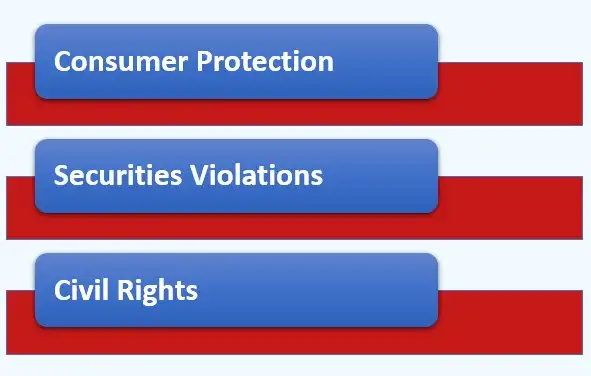
To truly grasp what a class action lawsuit is, we must understand its significance in today’s legal system. Class action lawsuits continue to tackle important consumer protection issues in 2025, such as data breaches that expose personal information and defective products that impact thousands of buyers. They also play a role in civil rights enforcement by challenging discriminatory practices affecting protected group and enforcing securities violations and protecting shareholder rights as the Telix Pharmaceuticals class action lawsuit demonstrates. The rules governing these cases aim to balance competing interests: providing meaningful compensation to injured parties while protecting defendants from repetitive or abusive claims.

Legal Ad: Contact us today" on contact page, blue and red background and white foreground, used in Integer Holdings class action lawsuit


What is a Class Action Lawsuit Like the Telix Pharmaceuticals class action lawsuit?

class action lawsuit is a legal process that allows one or more individuals, known as representative plaintiffs, to file a lawsuit on behalf of a larger group of people who have been harmed in a similar way by the actions of the same defendant. Instead of each person bringing their own case, this mechanism combines multiple individual claims into a single lawsuit, making it more efficient to resolve disputes that affect many people.

Key Terms

  • Class members: The larger group of individuals who share common legal and factual issues with the representative plaintiff. They do not need to actively participate in the lawsuit but are entitled to any relief obtained through the action.
  • Representative plaintiff: The individual or entity leading the class action lawsuit. They must show that their claims are typical of the class and that they will adequately protect the interests of absent class members.
  • Group-wide relief: The benefit mechanism in class action lawsuits where a court’s judgment or settlement binds all class members who have not opted out of the proceeding.

Who Can Be a Class Member?

Class members are individuals who have experienced similar harm or damage caused by the defendant’s actions. Examples include:

  1. Consumers who bought a faulty product during a specific period
  2. Employees facing identical wage violations
  3. Investors affected by fraudulent securities disclosures

The Role of the Representative Plaintiff

The representative plaintiff plays a crucial role in the class action process. They work closely with class counsel (the lawyer representing the entire class) to:

class actions


How Does Class Action Benefit?

Class action lawsuits aim to provide efficient and practical solutions for cases where individual litigation may not be feasible or economically viable. Here’s how they differ from individual lawsuits:

  • Efficiency: Instead of multiple separate lawsuits, class actions consolidate claims into one proceeding, saving time and resources.
  • Practicality: Class actions allow individuals with small damages to come together and pursue justice collectively, even if their individual claims may not warrant significant legal action.
  • Access to justice: By eliminating barriers such as high costs and complex procedures associated with individual litigation, class actions provide an avenue for individuals who might otherwise be unable to seek redress.

In summary, class action lawsuits serve as an effective tool for addressing widespread harm caused by defendants’ actions. They promote efficiency, practicality, and access to justice while ensuring that the interests of all affected individuals are represented and protected.


class actiions


Legal Framework Governing Class Actions

The rules and procedures that govern class actions are mainly based on Rule 23 of the Federal Rules of Civil Procedure. This rule sets out detailed criteria for certifying and handling these types of lawsuits. It specifies certain conditions that must be met before a court can allow a case to proceed as a class action, such as requirements related to the size of the class, common legal issues, adequacy of representation, and suitability of collective resolution. Rule 23 also divides class actions into different categories, each serving distinct purposes and requiring specific safeguards to protect the interests of all class members.

1. Federal Court Class Actions

Federal court class actions follow consistent national standards established by Rule 23. This ensures that courts across different jurisdictions evaluate certification requests and manage complex litigation in a similar manner. The federal framework requires careful judicial examination during the certification stage, where plaintiffs must provide evidence showing that all criteria outlined in Rule 23 are met. Courts are obligated to thoroughly assess whether the proposed class satisfies requirements related to numerosity, commonality, typicality, and adequacy before granting permission for group-wide litigation.

2. State Court Class Actions

State court class actions operate under similar but separate procedural rules that differ from one jurisdiction to another. Many states have adopted provisions based on Rule 23, but there are significant differences in certification standards, notice requirements, and settlement approval processes. These variations create strategic considerations for parties deciding on the best forum to pursue or defend collective claims.

3. The Impact of the Class Action Fairness Act of 2005

The Class Action Fairness Act of 2005 brought about significant changes to jurisdictional boundaries by making it easier for certain large-scale class actions to be heard in federal court. This law introduced minimal diversity jurisdiction for cases involving classes with more than 100 members where the total amount being disputed exceeds $5 million and at least one class member lives in a different state than any defendant.

The Act aims to address concerns about forum shopping by allowing defendants to move cases from state courts to federal venues, thereby promoting consistent application of procedural standards and reducing perceived inconsistencies in how state courts handle nationwide class actions. As a result of this shift in jurisdictional authority, a substantial number of class action lawsuits are now concentrated in federal courts where judges have specialized expertise in managing complex disputes involving multiple parties.

Requirements for Class Certification under Rule 23

The class certification process requires strict adherence to four foundational prerequisites that determine whether a proposed class action may proceed as collective litigation. These class action requirements serve as gatekeeping mechanisms to ensure that group-wide adjudication remains appropriate and protects the interests of all parties involved.

1. Numerosity

The class must be sufficiently numerous such that joinder of all members proves impracticable. Courts do not mandate a specific minimum number of class members, though classes typically include at least forty individuals. The analysis considers factors beyond mere headcount, including geographic dispersion of potential plaintiffs, the financial resources available to individual claimants, and the practical ability to join all affected parties in a single action.

2. Commonality

Class members must share common legal questions or factual issues that generate common answers applicable to the entire class. This requirement extends beyond the mere presence of shared questions; the common contentions must possess the capacity to resolve an issue central to the validity of each claim in a single adjudication. A complex class action lawsuit frequently hinges on demonstrating that the defendant’s conduct affected all class members through a common course of action or policy.

3. Typicality

The claims or defenses of the representative plaintiffs must be typical of those held by the class. This prerequisite ensures that the named plaintiffs’ interests align with those of absent class members, preventing conflicts that could compromise fair representation. Typicality does not require identical claims but demands that the representative’s legal theories and factual circumstances mirror those of the broader class.

4. Adequacy of Representation

The representative plaintiffs and their counsel must fairly and adequately protect the interests of the class. Courts scrutinize whether class counsel possesses the necessary expertise, resources, and commitment to prosecute complex litigation effectively. The adequacy inquiry also examines potential conflicts between the named representatives and absent class members, ensuring that no antagonistic interests undermine the collective nature of the proceedings.

four requirements for class certification used in class actions


Types of Claims Commonly Addressed in Class Actions

Class action lawsuits cover a wide range of legal disputes that involve large groups of people suffering from similar harm. By understanding the different types of claims typically brought in class actions, we can see how this form of collective legal action holds wrongdoers accountable and seeks justice for affected individuals.

1. Consumer Protection

Consumer protection cases make up a significant portion of class action lawsuits. These cases address issues such as:

This complex class action litigation challenges corporations that engage in widespread wrongdoing impacting thousands or even millions of buyers. Product liability claims involving faulty car parts, contaminated food items, or dangerous medications often proceed as class actions because the harm experienced by consumers is consistent across the board.

2. Employment Discrimination

Workplace-related claims are another major category of class actions. They include:

Class actions in this area address patterns of discriminatory behavior affecting entire departments, facilities, or corporate structures. Wage theft cases, where employers fail to pay workers for overtime or incorrectly classify employees as independent contractors, demonstrate how collective litigation remedies widespread violations of labor laws.

3. Securities Violations

Investors, as in Telix Pharmaceuticals class action lawsuit who have been harmed by fraudulent financial disclosures, insider trading schemes, or market manipulation can file securities class actions to recover their losses caused by corporate misrepresentation. These cases enforce transparency requirements and hold publicly traded companies accountable for material misstatements that impact shareholder value.

4. Environmental Issues

Environmental class actions deal with issues such as contamination of water sources, air pollution, toxic exposure, and ecological damage affecting communities. Residents who have been exposed to harmful substances due to industrial negligence or regulatory violations seek compensation and court orders through collective lawsuits.

5. Civil Rights

Civil rights litigation challenges systemic discrimination in areas like housing, education, voting rights, and public accommodations. These lawsuits uphold constitutional protections and statutory guarantees while pushing for institutional reforms that benefit entire communities subjected to discriminatory policies or practices.


Understanding Legal Protections for Absent Class Members

Legal protections for absent class members are an essential part of class action law. They ensure that individuals in the certified class have proper safeguards, even if they are not actively involved in the lawsuit. The Federal Rules of Civil Procedure, especially Rule 23, outline detailed processes to protect the interests of these absent members through mandatory court supervision and procedural requirements.

Constitutional Due Process Safeguards

The Supreme Court has consistently held that absent class members have constitutional rights to due process, which means courts must ensure fair representation throughout the litigation process. Class counsel has a responsibility to represent the interests of all class members, not just the named representatives. Courts carefully examine potential conflicts of interest and assess whether proposed settlements unfairly benefit certain subgroups within the class at the expense of others. The same will be true in the Telix Pharmaceuticals class action lawsuit.

Notification Requirements and Procedures

Rule 23(c)(2) sets specific rules for notifying class members, which vary depending on the type of class action certified:

  • Rule 23(b)(3) classes require the “best notice that is practicable under the circumstances,” including individual notice to all members who can be identified through reasonable effort
  • Rule 23(b)(1) and (b)(2) classes allow more flexibility in how notification is done, but courts usually expect reasonable efforts to inform class members about important developments
  • Notice must clearly explain the nature of the action, the definition of the class, the claims and defenses involved, and the binding effect of a class judgment


Allegations in the Telix Pharmaceuticals Class Action Lawsuit

Overview

Telix Pharmaceuticals is a commercial-stage biopharmaceutical company that focuses on the development and commercialization of therapeutic and diagnostic radiopharmaceuticals.

False and Misleading Statements

The Telix Pharmaceuticals class action lawsuit alleges that throughout the Class Period defendants made false and/or misleading statement and/or failed to disclose that:

  • (i) Defendants materially overstated the progress Telix Pharmaceuticals had made with regard to prostate cancer therapeutic candidates; and
  • (ii) Defendants materially overstated the quality of Telix Pharmaceuticals’ supply chain and partners.

Subpoena from the U.S. Securities and Exchange Commission

The Telix Pharmaceuticals class action lawsuit further alleges that:

  • On July 22, 2025, Telix Pharmaceuticals revealed that it “received a subpoena from the U.S. Securities and Exchange Commission (SEC) seeking various documents and information primarily relating to the Company’s disclosures regarding the development of the Company’s prostate cancer therapeutics candidates.”
  • On this news, the price of Telix Pharmaceuticals American Depositary Shares (“ADSs”) fell more than 13% over two trading sessions, according to the complaint.

Frequently Asked Questions About the Telix Pharmaceuticals Class Action Lawsuit

What initiated the Telix Pharmaceuticals class action lawsuit?

The Telix Pharmaceuticals lawsuit was initiated by investors alleging that Telix Pharmaceuticals provided misleading information regarding its financial health and operations, resulting in financial losses.

How can I join the Telix Pharmaceuticals class action lawsuit?

If you purchased shares during the class period and suffered a loss, then you are automatically a member of the Telix Pharmaceuticals class action lawsuit and do not need to do anything at this point unless you are considering moving for lead plaintiff.

What are the potential benefits of a Telix Pharmaceuticalslawsuit?

Class action lawsuits like the Telix Pharmaceuticals class action lawsuit allow individual investors to collectively seek justice and compensation, which might be challenging to pursue individually. They also promote corporate accountability.

How long will the Telix Pharmaceuticals class action lawsuit take to resolve?

The duration of class action lawsuits can vary significantly, depending on the complexity of the case, legal strategies, and whether settlements are reached. It could take several months to years to resolve the lawsuit.

What Are Misleading Statements Under the Securities Laws?

Under securities laws, misleading statements are those that provide false or deceptive information to investors or omit material facts, resulting in a misrepresentation of the true financial condition or operations of a company. These statements can significantly impact investment decisions and market integrity.

How Are Out-Of-Pocket Losses Calculated in a Securities Class Action?

In a securities class action lawsuit, such as the Telix Pharmaceuticals class action lawsuit calculating out-of-pocket losses is a critical component in determining the extent of financial harm suffered by investors. Out-of-pocket losses refer to the actual monetary loss that an investor incurs as a direct result of alleged fraudulent activities or misrepresentations by a company.

These losses are computed by comparing the price paid for the security with the value of the security at a specific point in time, typically when the fraud is disclosed or when corrective information is made public.

Telix Pharmaceuticals Class Action Lawsuit

What Are the Federal Rules of Civil Procedures?

The Federal Rules of Civil Procedure (FRCP) are a set of guidelines that govern the process of civil litigation in United States federal courts. These rules were established by the Supreme Court and have been in effect since 1938. The FRCP provide a framework for how cases should be managed, including the filing of complaints, discovery, pretrial conferences, trial procedures, and appeals.

They are designed to ensure fairness and efficiency in the legal system, allowing parties to resolve their disputes in a timely manner. The FRCP are regularly updated to reflect changes in technology and legal practices, and they serve as a crucial tool for attorneys and judges in navigating the complexities of civil litigation.

What Is a Free Case Evaluation?

A free case evaluation is an opportunity to talk with a lawyer for no charge about the aspects of your case to determine whether or not you should pursue a claim for damages and the amount of those damages. An attorney will provide you with an assessment of your case and ability to recover damages and help you determine a reasonable compensation for your injuries to demand through a lawsuit.

The attorney will ask you various information regarding your potential case. You should expect to be asked many questions during the free case evaluation.

After listening to you story and all the facts you provide about your potential case, the attorney will make an assessment and let you know if he believes you are eligible to file a lawsuit, and if so, how much compensation he believes you should demand in your lawsuit.
There is no cost associated with a free case evaluation, and no obligation to hire the attorney.

Everything you say to the attorney is confidential, whether you hire the attorney or not. The attorney will base their decision on whether or not you have a case and how much compensation to pursue based on what you tell them so you should be completely honest and tell the attorney all the facts of your potential case so the attorney can develop a complete understanding of your potential case and all the details surrounding it.

Contact Timothy L. Miles Today About a Telix Pharmaceuticals Class Action Lawsuit

The most important thing you need to know is you can call me at no charge if you wish to serve as lead plaintiff of the Telix Pharmaceuticals class action lawsuit, or just have general questions about you rights as a shareholder, please contact attorney Timothy L. Miles of the Law Offices of Timothy L. Miles, at no cost, by calling 855/846-6529 or via e-mail at [email protected].(24/7/365).
Timothy L. Miles, Esq.
Law Offices of Timothy L. Miles
Tapestry at Brentwood Town Center
300 Centerview Dr. #247
Mailbox #1091
Brentwood,TN 37027
Phone: (855) Tim-MLaw (855-846-6529)
Email: [email protected]
Website: www.classactionlawyertn.com
FacebookLinkedinPinterestyoutube

Logo law office timothy l. miles used in Telix Pharmaceuticals Class Action Lawsuit