Introduction to Social Media Addiction
Socia media addiction is a hot topic. Social media began as a product for connection. It now functions as an attention economy with industrial grade persuasion built into its core. For many people, “checking” a platform is no longer a choice made with intention. It is a reflex. It is automatic. It is repetitive. It is, in a growing number of cases, addictive.
This is not a moral critique of technology, nor a nostalgic argument for a pre digital world. It is a governance and risk issue for households, schools, workplaces, and public institutions. It is also a health issue. Social media addiction is not simply “too much screen time.” It is a pattern of compulsive use that persists despite harm, reinforced by variable rewards, social validation loops, and algorithmic personalization.
What makes the problem bloodcurdling is not only the scale. It is the depth of the side effects, the speed at which they can develop, and the difficulty of reversing them once they become embedded in daily life.
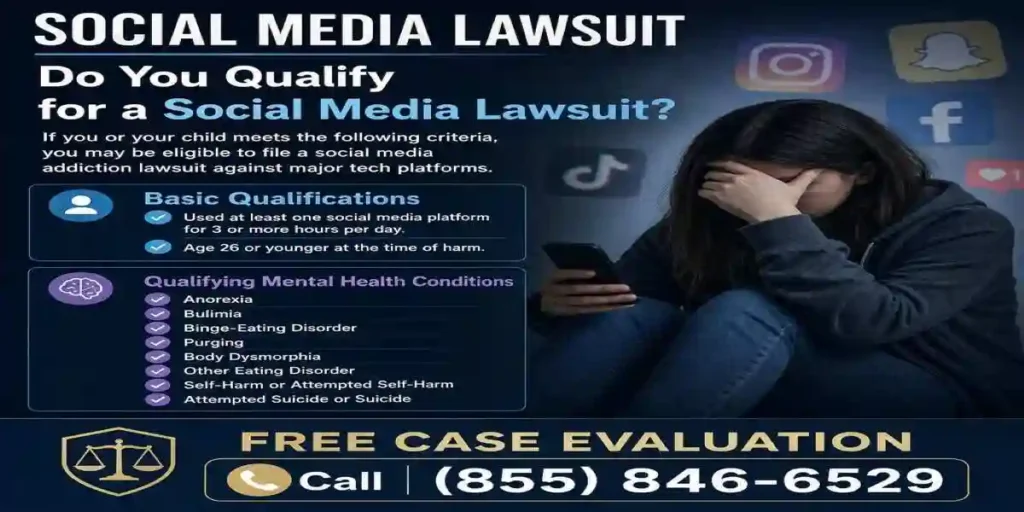
If you or a loved one suffered or are suffering addiction to social media, contact Nashville Social Media Addiction Lawyer Timothy L. Miles today for a free case evaluation to see if you are eligible for a social media lawsuit and potentially entitled to substantial compensation in a social media lawsuit. The call is free and so is the fee unless we win or settle your case, so call today and see if you qualify for a Social Media Lawsuit. (855) 846-6529 or [email protected].

Defining Social Media Addiction With Precision
“Addiction” is often used casually, but clinical and behavioral science uses a tighter definition. Social media addiction is best understood as a behavioral addiction, meaning compulsive engagement with an activity that produces short term relief or pleasure while driving long term harm.
Common markers mirror those seen in substance and gambling related disorders:
- Salience: the platform becomes a dominant focus of attention and time.
- Mood modification: use becomes a tool to reduce stress, loneliness, boredom, or anxiety.
- Tolerance: the user needs more time, more intensity, or more novelty to feel satisfied.
- Withdrawal: irritability, restlessness, low mood, or anxiety when unable to access the platform.
- Conflict: use damages relationships, academic performance, work output, or self respect.
- Relapse: repeated failed efforts to reduce or stop.
Importantly, harm does not require extreme usage hours. A person can be “functional” while still experiencing severe cognitive, emotional, and social impairment. In risk management terms, the issue is not only exposure time. It is the compulsive pattern, the dependency, and the consequences.
Why Platforms Are So Hard to Put Down
Social media is engineered for retention. Not necessarily through malicious intent by every individual designer, but through business models that treat attention as revenue.
Several mechanisms amplify compulsion:
- Variable ratio reinforcement Likes, comments, and “something new” appear unpredictably. This unpredictability is the same reward schedule that makes slot machines powerful. The brain learns that one more scroll could deliver a hit of novelty or approval.
- Infinite scroll and frictionless feeds Stopping requires conscious effort. The product removes natural endpoints, which removes natural reflection points.
- Algorithmic personalization Platforms learn what triggers you, then deliver more of it, whether that is outrage, desire, fear, envy, or reassurance. The algorithm does not optimize for wellbeing. It optimizes for engagement.
- Social status and reputational pressure For many users, especially adolescents, social media is not entertainment. It is a public identity layer. The fear of missing out becomes the fear of social exclusion.
- Intermittent social punishment Being ignored, left on read, unfollowed, or ratioed can function as punishment, driving users back to “repair” their standing.
This is why willpower alone often fails. Effective response requires structural changes, personal boundaries, and in many cases therapeutic support.
The Bloodcurdling Side Effects of Social Media Addiction
The effects below are not theoretical. They are increasingly reported by clinicians, educators, employers, and families. They are also consistent with what we know about attention, sleep, social comparison, and chronic stress.
In extreme cases, the impact of these platforms can extend beyond personal realms into professional ones as well. For instance, the deterrence effects of securities litigation can be exacerbated by the compulsive behaviors fostered by these platforms.

1) Anxiety That Becomes a Baseline State
Many users describe a persistent sense of unease that disappears only when they are actively checking feeds. That is a classic dependency pattern: discomfort when abstaining, relief when using, and then a rebound.
Key drivers include:
- Hypervigilance: constant monitoring of news, trends, and peer activity.
- Social comparison: exposure to curated lives creates a perceived deficit in one’s own.
- Performative pressure: anxiety about how posts will be received and interpreted.
- Outrage cycles: repeated exposure to conflict primes the nervous system for threat.
Over time, the body treats scrolling as a stress response disguised as leisure. The user feels “busy” without being productive. The mind feels “informed” without being grounded.
2) Depression Fueled by Comparison, Isolation, and Self Erosion
Depression linked to social media overuse often follows a predictable trajectory:
- A user seeks connection.
- The user receives superficial interaction rather than secure attachment.
- The user compares their internal reality to others’ edited external reality.
- The user withdraws further from offline relationships.
- The user becomes more dependent on online validation.
This is not simply sadness. It can become a cycle of low self worth, anhedonia, hopelessness, and disengagement from real world goals. The most disturbing aspect is that the user may still look socially active online while becoming emotionally vacant offline.
3) Sleep Destruction and Its Cascading Consequences
Sleep is a governance variable for human performance. It influences memory consolidation, emotional regulation, immune function, metabolic health, and impulse control.
Social media damages sleep through:
- Time displacement: “just five minutes” becomes an hour.
- Cognitive stimulation: novelty and conflict keep the brain alert.
- Light exposure: screens suppress melatonin and delay sleep onset.
- Nighttime checking: waking and immediately reaching for the phone creates fragmented sleep.
Once sleep deteriorates, everything else follows: irritability, anxiety, reduced focus, increased cravings, and weaker decision making. In many cases, the person uses social media more to cope with the exhaustion created by social media.
4) Attention Fragmentation and Cognitive Decline in Daily Function from Addiction to Social Media
One of the most consequential harms is the weakening of sustained attention. Constant switching between short posts and micro videos trains the brain toward rapid novelty seeking. Deep work becomes uncomfortable. Reading becomes harder. Silence becomes intolerable.
This is not an abstract “kids these days” claim. Many adults report:
- difficulty completing tasks without checking the phone
- reduced tolerance for boredom
- increased procrastination
- impaired working memory
- diminished ability to follow complex arguments
At an organizational level, this becomes a performance risk. At an individual level, it becomes identity erosion. A person who cannot focus cannot build mastery, and a person who cannot build mastery often loses confidence and purpose.
If you or a loved one suffered or are suffering addiction to social media, contact Nashville Social Media Addiction Lawyer Timothy L. Miles today for a free case evaluation to see if you are eligible for a social media lawsuit and potentially entitled to substantial compensation in a social media lawsuit. The call is free and so is the fee unless we win or settle your case, so call today and see if you qualify for a Social Media Lawsuit. (855) 846-6529 or [email protected].
5) Emotional Dysregulation and the Shortened Fuse Problem
Social media can intensify emotions without resolving them. Users move quickly from humor to outrage to grief to desire in minutes. The nervous system is repeatedly activated with no recovery.
Common outcomes include:
- increased irritability
- impulsive communication
- conflict escalation in relationships
- reduced empathy due to constant exposure and moral fatigue
- numbness due to overstimulation
The bloodcurdling element here is how normal it becomes. A person can live in a constant state of activation and call it “staying updated.”
6) Body Image Distortion and Disordered Eating Patterns Resulting from Social Media Addiction
Highly filtered content, beauty editing, gym perfection culture, and algorithmic reinforcement can distort self perception. For susceptible individuals, this can contribute to:
- body dissatisfaction
- obsessive checking of appearance
- restrictive eating, binge cycles, purging behaviors
- compulsive exercise patterns
- shame and secrecy
The risk is amplified by the fact that “health” content is not always healthy. Algorithmic curation often rewards extremes because extremes drive engagement.
If you or a loved one suffered or are suffering addiction to social media, contact Nashville Social Media Addiction Lawyer Timothy L. Miles today for a free case evaluation to see if you are eligible for a social media lawsuit and potentially entitled to substantial compensation in a social media lawsuit. The call is free and so is the fee unless we win or settle your case, so call today and see if you qualify. (855) 846-6529 or [email protected].
7) Risky Behavior Normalization and the Copycat Effect
Trends can normalize self harm, dangerous stunts, substance misuse, and sexual risk. Even when platforms try to moderate content, replication is fast, coded language evolves, and peer reinforcement can override caution.
The core issue is governance failure at the behavioral level. When the environment rewards visibility and shock value, individuals, particularly younger users, may optimize for attention rather than safety.

8) Harassment, Doxxing, and Persistent Psychological Threat
Online abuse is not confined to the screen. Doxxing, stalking, and coordinated harassment can create persistent fear. Victims may change routines, withdraw socially, and experience symptoms consistent with trauma responses.
Even less extreme forms, such as repeated hostile comments, can produce chronic stress. The person lives in an environment where reputational harm can occur at any time, from any direction, often without due process.
9) Relationship Breakdown Through Micro Betrayals and Emotional Substitution
Social media can damage relationships in subtle ways:
- constant partial attention during conversations
- secrecy around messaging
- emotional affairs through sustained private interaction
- unrealistic expectations created by influencer narratives
- conflict fueled by public posting rather than private resolution
The core harm is the replacement of presence with performance. Couples and families may share space but not attention, and attention is the foundation of intimacy.
10) Identity Diffusion, Especially in Adolescents
Adolescence is a period of identity formation. The digital and social media introduces continuous external evaluation into that process.
Instead of exploring interests privately, a young person may learn to ask:
- Will this get likes?
- Will I be mocked?
- Will I be excluded?
- Which version of myself is safest?
This can produce identity diffusion, meaning a weakened sense of stable self. The person becomes a brand manager of their own life, which is psychologically exhausting and developmentally costly.
The Corporate Governance Angle: Why This Is Not Only a Personal Issue
Social media addiction is often framed as individual weakness. That framing is incomplete and strategically unhelpful.
A governance oriented view asks:
- What incentives drive the system?
- What controls exist to mitigate harm?
- Who is accountable for risk exposure?
- How are outcomes measured and disclosed?
For organizations, social media addiction shows up as:
- productivity loss and task switching
- data leakage and security risk
- workplace conflict and reputational exposure
- mental health claims and burnout
- leadership credibility erosion when communication is reactive
For schools and public institutions, it shows up as:
- attention collapse in learning environments
- cyberbullying escalation
- mental health crises
- reduced resilience and coping capacity
Effective governance requires proactive measures, not reactive statements after harm occurs.
Early Warning Signs of Social Media Addiction That Should Not Be Ignored
These indicators tend to appear before severe impairment:
- checking the phone immediately upon waking and repeatedly at night
- unsuccessful attempts to limit use
- feeling anxious or irritable when unable to scroll
- loss of interest in offline hobbies
- using social media to avoid tasks or difficult emotions
- persistent comparison and self criticism after sessions
- hiding usage time from family or peers
- sleep delay tied directly to “one more scroll”
The signal is not simply time spent. The signal is loss of control and impairment.
Practical, High Control Interventions That Actually Work
Eliminating social media entirely may be appropriate for some individuals, but it is not the only approach. The most effective interventions combine environment design, behavioral boundaries, and psychological support.
1) Remove the Highest Risk Features First
Target the mechanics that create compulsion:
- disable notifications for social apps
- remove apps from the home screen
- log out after each use
- set feeds to “following” rather than algorithmic “for you,” where possible
- unfollow accounts that trigger comparison, outrage, or compulsive checking
This approach reduces exposure without relying on constant self discipline.
2) Introduce Friction and Endpoints
Add deliberate stopping cues:
- use app timers with passcodes controlled by a trusted person
- set fixed check in windows, such as 15 minutes at lunch and 15 minutes in the evening
- avoid use in bedrooms, bathrooms, and during meals
- replace infinite scroll time with bounded activities, such as reading one chapter or walking for ten minutes
Friction restores choice. Endpoints restore awareness.
If you or a loved one suffered or are suffering addiction to social media, contact Nashville Social Media Addiction Lawyer Timothy L. Miles today for a free case evaluation to see if you are eligible for a social media lawsuit and potentially entitled to substantial compensation in a social media lawsuit. The call is free and so is the fee unless we win or settle your case, so call today and see if you qualify. (855) 846-6529 or [email protected].
3) Protect Sleep as a Non Negotiable Control
Implement a clear rule:
- no social media one hour before bed
- charge the phone outside the bedroom
- use a physical alarm clock
- if nighttime anxiety is high, replace scrolling with low stimulation routines, such as journaling or breathing exercises
Sleep improvement often reduces cravings because impulse control improves with rest.
4) Build Offline Substitutes, Not Just Restrictions
Add replacement behaviors that meet the same need:
- for connection: call one person daily
- for stress relief: exercise, music, or mindfulness practices
- for novelty: books, hobbies, learning projects
- for belonging: clubs, volunteering, team sports
If social media is removed without replacement, the brain will treat it as deprivation and relapse becomes likely.
5) Use Clinical Support When Control Is Lost to Addiction to Social Media
If compulsive use persists despite harm, consider professional help. Cognitive Behavioral Therapy and related approaches can address triggers, avoidance patterns, and underlying anxiety or depression. For adolescents, family based interventions are often necessary because the environment is shared.
The key is accuracy, not stigma. If a behavior is causing harm and cannot be controlled, support is warranted.

Addiction to Social Media: What Parents, Educators, and Leaders Should Do Differently
Effective leadership requires boundaries, clarity, and consistency.
For parents
- treat phone access as a developmental decision, not a rite of passage
- establish household standards for bedrooms, meals, and homework time
- model the behavior you want to see, because children learn norms through observation
- prioritize conversation over surveillance; trust is a control mechanism
For educators
- design classrooms that protect attention
- teach media literacy as a core competency, including algorithm awareness and persuasion tactics
- create reporting pathways for cyberbullying and harassment
- coordinate with parents to align boundaries
For organizational leaders
- clarify policies on social media use during work hours
- treat attention as a strategic asset, not a personal preference
- provide mental health resources and normalize their use
- establish crisis protocols for harassment and reputational risk
This is governance in practice: setting standards, creating controls, and maintaining accountability.
A Forward Thinking Conclusion
Social media is not inherently evil. It can educate, connect, and mobilize. But in its current form, it is also a high frequency behavioral conditioning environment that can produce severe harm when use becomes compulsive.
The side effects are bloodcurdling because they are often invisible at first, normalized by everyone, and reinforced by systems that profit from more engagement. Anxiety becomes routine. Sleep becomes optional. Focus becomes rare. Relationships become thin. Identity becomes performative.
The solution is not panic. The solution is proactive control, repeated control, and governance minded discipline. When individuals set boundaries, when families align standards, when schools protect attention, and when organizations treat digital wellbeing as a risk management priority, social media returns to its proper place.
A tool.
Not a master.
Frequently Asked Questions about Social Media Addiction
What is social media addiction and how is it defined clinically?
Social media addiction is a behavioral addiction characterized by compulsive engagement with social media platforms that provides short-term relief or pleasure but causes long-term harm. Clinically, it mirrors substance and gambling disorders with markers such as salience (dominant focus), mood modification (using to relieve negative feelings), tolerance (needing more use for satisfaction), withdrawal (irritability or anxiety when not using), conflict (damage to relationships or work), and relapse (failed attempts to reduce use).
Why are social media platforms so difficult to stop using?
Social media platforms are engineered for retention through mechanisms like variable ratio reinforcement, which provides unpredictable rewards similar to slot machines; infinite scroll and frictionless feeds that remove natural stopping points; algorithmic personalization targeting individual triggers to maximize engagement; social status pressures especially among adolescents; and intermittent social punishments like being ignored or unfollowed. These factors create compulsive patterns making willpower alone often insufficient to quit.
What are the key psychological side effects of excessive social media use?
Excessive social media use can lead to anxiety becoming a baseline state due to hypervigilance, social comparison, performative pressure, and outrage cycles. It can also fuel depression through cycles of superficial interaction, comparison with curated realities, isolation from offline relationships, and dependence on online validation. Additionally, sleep destruction caused by overuse leads to cascading negative consequences on health and functioning.
How does social media addiction differ from simply spending too much screen time?
Social media addiction is not merely excessive screen time but a compulsive pattern of use that persists despite harm. It involves dependency reinforced by variable rewards, social validation loops, and algorithmic personalization. Harm emerges not just from duration but from impaired cognitive, emotional, and social functioning even in ‘functional’ users.
What makes social media addiction a governance and risk issue beyond personal health?
Social media addiction impacts households, schools, workplaces, and public institutions by impairing attention, productivity, relationships, and mental health. The compulsive behaviors fostered can exacerbate professional issues such as the deterrence effects in securities litigation. Therefore, it requires structural responses including policy changes and therapeutic support rather than solely individual willpower.
What strategies are effective in addressing social media addiction?
Effective responses require structural changes like setting personal boundaries around usage time and content exposure, implementing organizational policies that mitigate compulsive engagement, and seeking therapeutic support when needed. Because platforms are designed for retention through complex psychological mechanisms, overcoming addiction involves more than willpower—it demands conscious effort supported by environmental adjustments and professional help.