
Introduction to Saxenda Side Effects Lawsuit
- Saxenda Eye Side Effects Lawsuit: Refers to a litany of lawsuits and a significant legal issue, drawing attention from patients, healthcare professionals, and legal experts alike in response to Saxenda and vision loss. This comprehensive guide provides an authoritative and thorough understanding of the allegations surrounding Saxenda, a medication primarily used for weight management and its potential link to serious vision problems, including blindness.
- Saxenda: Has become a popular FDA-approved weight loss medication containing liraglutide, a GLP-1 receptor agonist designed to help adults and adolescents manage chronic weight issues. While this prescription injectable has shown effectiveness in promoting weight loss, serious concerns have arisen about its safety—especially its link to vision-threatening complications.
- Saxenda Vision Side Effects: Are one of the most alarming risks associated with this medication. Patients have reported experiencing sudden vision loss, blurry vision, and in severe cases, permanent blindness due to a condition called non-arteritic anterior ischemic optic neuropathy (NAION). These liraglutide risks have led many individuals to take legal action against Novo Nordisk, the manufacturer of the drug.
- Comprehensive Guide: This comprehensive guide serves an important purpose: to provide you with authoritative information if you’re considering a Saxenda eye side effects lawsuit. You’ll find detailed explanations of how the medication works, documented side effects, the scientific connection between Saxenda and NAION, and practical guidance on pursuing compensation for vision injuries.
- Resource: Whether you’ve personally experienced vision problems after taking Saxenda or you’re researching on behalf of a loved one, this resource offers the knowledge you need to make informed decisions about your health and legal options.

Understanding Saxenda and How It Works
- Saxenda contains liraglutide, a synthetic version of a naturally occurring hormone in your body. This medication belongs to a class of drugs known as GLP-1 receptor agonists, which work by mimicking the effects of glucagon-like peptide-1, a hormone released by your intestines after eating.
How Saxenda Works
- GLP-1 Receptors: When you inject Saxenda under your skin, the liraglutide activates specific receptors in various parts of your body. The medication primarily targets areas in your brain that regulate appetite and food intake, particularly the hypothalamus. By binding to these GLP-1 receptors, Saxenda sends signals that increase your feeling of fullness and satisfaction after meals while simultaneously reducing feelings of hunger between eating occasions.
- Delayed Stomach Emptying: The drug also influences your digestive system by slowing down gastric emptying—the process of food moving from your stomach into your small intestine. This delayed emptying contributes to prolonged feelings of satiety, helping you consume fewer calories throughout the day. The combined effect of reduced appetite, increased fullness, and slower digestion creates an environment conducive to weight loss when paired with a reduced-calorie diet and increased physical activity.
FDA Approval Process for Saxenda
- FDA Approval: Process for Saxenda involved thorough clinical trials demonstrating its effectiveness and safety profile. In December 2014, the FDA approved Saxenda for chronic weight management in adults with a body mass index (BMI) of 30 kg/m² or greater (obesity), or adults with a BMI of 27 kg/m² or greater (overweight) who have at least one weight-related comorbid condition such as hypertension, type 2 diabetes, or dyslipidemia.
- Adolescents: The FDA later expanded approval to include adolescents aged 12 to 17 years with obesity, defined as a body weight above 132 pounds (60 kg) and an initial BMI corresponding to 30 kg/m² or greater for adults.
Usage Guidelines for Saxenda
- Saxenda Vision Side Effects: You should use Saxenda as an adjunct to a reduced-calorie diet and increased physical activity, not as a standalone treatment. The medication requires a prescription and comes in a pre-filled, multi-dose pen that you inject once daily.
Common and Serious Side Effects Associated with Saxenda Treatment
- When you start Saxenda treatment, you need to understand the full range of potential side effects that may affect your daily life. The medication’s impact on your digestive system represents the most frequently reported category of adverse reactions.
Gastrointestinal Issues: What You Should Expect
- Saxenda Vision Side Effects: The majority of patients using Saxenda experience some level of digestive discomfort. These Saxenda side effects typically show up within the first few weeks of treatment:
-
- Nausea – affecting approximately 40% of users, often most intense during dose increase
- Vomiting – reported by roughly 16% of patients in clinical trials
- Diarrhea – experienced by about 21% of individuals taking the medication
- Constipation – affecting approximately 20% of users
- Abdominal pain – a common complaint that may range from mild discomfort to severe cramping
- Heartburn and acid reflux – resulting from the medication’s effect on gastric emptying
- Saxenda Vision Side Effects: These gastrointestinal issues often lessen as your body gets used to the medication, though some patients continue experiencing symptoms throughout their treatment course. You should keep a close eye on how intense and frequent these reactions are.

Critical Adverse Reactions Requiring Immediate Medical Intervention
- Saxenda and Vision Loss: Beyond common digestive complaints, Saxenda has been linked to life-threatening conditions that require urgent medical evaluation. Gastroparesis, commonly known as stomach paralysis, represents one of the most serious complications associated with liraglutide use. This condition occurs when your stomach loses its ability to empty properly, causing food to stay in the digestive tract far longer than normal.
- Saxenda Side Effects: You may recognize gastroparesis through these warning signs:
-
- Persistent nausea lasting days or weeks
- Severe vomiting, particularly of undigested food
- Feeling full after eating only small amounts
- Chronic abdominal bloating and distension
- Unpredictable blood sugar fluctuations
- Bowel obstruction presents another critical risk requiring emergency medical care. This condition develops when your intestines become partially or completely blocked, preventing normal passage of digestive contents. The symptoms you should watch for include:
-
- Severe abdominal pain that comes and goes or is constant
- Cramping or discomfort in the abdomen
- Bloating or swelling in the abdomen
- Inability to pass gas or have a bowel movement
- Vomiting (especially if it looks like feces)
- Saxenda and Vision Loss: If you experience any combination of these signs, seek immediate medical attention as they may indicate a bowel obstruction.

Exploring the Link Between Saxenda and Eye Problems: NAION Explained
- Severe Saxenda Eye Problems: Non-arteritic anterior ischemic optic neuropathy (NAION) represents one of the most concerning Saxenda eye problems that patients need to understand before starting treatment. This condition occurs when blood flow to the optic nerve becomes suddenly reduced or blocked, causing damage to the nerve tissue that transmits visual information from your eye to your brain. Unlike other eye conditions that develop gradually, NAION strikes without warning and can result in permanent vision impairment.
- Saxenda and Vision Loss: Research has established a measurable connection between liraglutide—the active ingredient in Saxenda—and increased NAION risk. Studies indicate that patients taking Saxenda face approximately a 25% higher risk of developing this serious eye condition compared to those not using the medication. This elevated risk has sparked numerous Saxenda Eye Side Effects Lawsuits as patients seek accountability for injuries they believe could have been prevented with adequate warnings.
Recognizing NAION Symptoms
- Saxenda and Vision Loss: You need to know the warning signs of NAION to protect your vision while taking Saxenda. The condition typically affects one eye, though both eyes can be involved in some cases. Patients who develop NAION may experience:
-
- Sudden vision loss that occurs over hours or days, often noticed upon waking
- Blurry vision that doesn’t improve with blinking or eye drops
- Dark spots or shadows in your field of vision
- Difficulty seeing in dim lighting conditions
- Loss of color perception or colors appearing washed out
- Vision that resembles looking through frosted glass
- Saxenda Vision Problems: The relationship between Saxenda and vision loss becomes particularly alarming because NAION damage is often irreversible. Your optic nerve tissue cannot regenerate once it dies from lack of blood flow. Many patients report that their vision problems began shortly after starting Saxenda treatment, with some experiencing complete blindness in the affected eye.
- Saxenda Eye Side Effects Lawsuit: Medical professionals diagnose NAION through comprehensive eye examinations, including visual field testing and examination of the optic nerve head. You might notice swelling of the optic disc during the acute phase of the condition. The permanent nature of vision damage from NAION has led affected patients to pursue legal action, arguing that Novo Nordisk failed to adequately communicate these risks associated with its weight loss drug.

Patient Reports and Legal Actions Surrounding Saxenda’s Ocular Risks
Saxenda Eye Side Effects Lawsuit: The medical community has documented numerous instances of Saxenda vision problems through patient reports and adverse event databases. These reports paint a concerning picture of individuals who experienced sudden and often irreversible changes to their eyesight after beginning liraglutide treatment. You should know that many of these cases involve patients who had no prior history of eye disease or risk factors for vision loss.
Documented Cases of Vision Impairment
- Saxenda and Vision Loss: Patients have reported a range of visual disturbances while using Saxenda, from temporary blurriness to complete loss of sight in one or both eyes. The severity varies significantly:
-
- Sudden onset of blurred vision that persists despite discontinuing the medication
- Partial vision loss affecting one eye, typically noticed upon waking
- Complete blindness in the affected eye occurring within hours or days
- Permanent visual field defects that impact daily activities and quality of life
- Saxenda and Vision Loss: Some individuals discovered their vision loss only after routine activities became impossible—reading became difficult, driving was no longer safe, and recognizing faces required closer proximity. These patient-reported side effects have created a growing database of evidence linking Saxenda to serious ocular complications.
Legal Actions Against Novo Nordisk
- The accumulation of these reports has sparked significant legal action. Multiple lawsuits have been filed against Novo Nordisk, alleging the pharmaceutical company failed to provide adequate warnings about the risk of NAION and other eye-related complications. Plaintiffs argue that Novo Nordisk knew or should have known about these risks but chose not to disclose them prominently in their labeling or marketing materials.
- The legal complaints center on several key allegations:
-
- Failure to warn: The manufacturer did not adequately inform healthcare providers and patients about the potential for permanent vision loss
-
- Concealment of risks: Internal research or post-market surveillance data regarding vision problems was not properly disclosed to the public
-
- Inadequate testing: Pre-approval clinical trials may not have been sufficient to identify the full scope of ocular risks
-
- Saxenda and Vision Loss: These cases have been consolidated into multidistrict litigation (MDL 3094), which streamlines the legal process for plaintiffs with similar claims. If you have experienced vision loss after taking Saxenda, contact Saxenda Blindness Lawyer Timothy L. Miles today to see if you are eligible for a Saxenda Eye Side Effects Lawsuit and possible entitled to substantial compensation. 855-846-6529 or [email protected].
Finding Qualified Legal Representation for Your Saxenda Lawsuit
- Saxenda Blindness Lawyer: Navigating a pharmaceutical injury case requires and experienced and knowledgeable legal expertise. You need an attorney who understands the complexities of drug litigation, particularly cases involving Saxenda and Vision Loss. Generic personal injury lawyers may lack the specific knowledge required to build a compelling case against pharmaceutical manufacturers. Call Timothy L. Miles today. 855-846-6529 or [email protected].
Essential Qualifications to Look For
When you search to find reputable attorney for Saxenda eye side effects lawsuit, prioritize lawyers with a proven track record in pharmaceutical litigation. Your attorney should have:
- Extensive experience with drug injury cases, specifically those involving GLP-1 receptor agonists or vision-related pharmaceutical injuries
- Resources to handle complex medical evidence, including access to medical experts who can testify about NAION and its connection to liraglutide
- A history of successful settlements or verdicts in similar pharmaceutical cases
- Membership in national trial lawyer associations that focus on pharmaceutical litigation

Evaluating Potential Legal Counsel
You should ask direct questions during initial consultations. Request case examples similar to yours and inquire about their understanding of NAION as it relates to Saxenda. A qualified Saxenda Blindness Lawyer will explain the litigation process clearly, discuss the multidistrict litigation (MDL 3094) currently consolidating Saxenda cases, and provide realistic expectations about timelines and outcomes.
The Consultation Process
- Most experienced pharmaceutical injury attorneys offer free case evaluations. You should prepare your medical records, documentation of Saxenda use, and any evidence of vision problems before these consultations. This preparation allows attorneys to assess your case accurately and provide informed guidance about your legal options.
Assessing Your Eligibility and Potential Compensation in a Saxenda Eye Injury Case
- Determining if you can file a lawsuit for drug side effects requires careful evaluation of several critical factors. You need to establish a documented medical history showing you were prescribed and used Saxenda for weight management. Your medical records should demonstrate the development of vision problems during or shortly after your treatment period.
- The connection between your Saxenda Eye Side Effects Lawsuit and the medication must be medically proven. You’ll need ophthalmological documentation showing a diagnosis of NAION or other vision impairment that coincides with your Saxenda use. Your healthcare provider’s notes, diagnostic imaging, and vision test results become essential evidence in building your case.
Key Eligibility Criteria
- Saxenda Eye Side Effects Lawsuit: Your case strengthens when you can demonstrate:
-
- Temporal relationship: Vision problems developed during active Saxenda treatment or within a reasonable timeframe after discontinuation
-
- Medical diagnosis: Confirmed NAION, sudden vision loss, or other documented eye conditions from a qualified ophthalmologist
-
- Treatment documentation: Prescription records, pharmacy receipts, and medical records proving Saxenda use
-
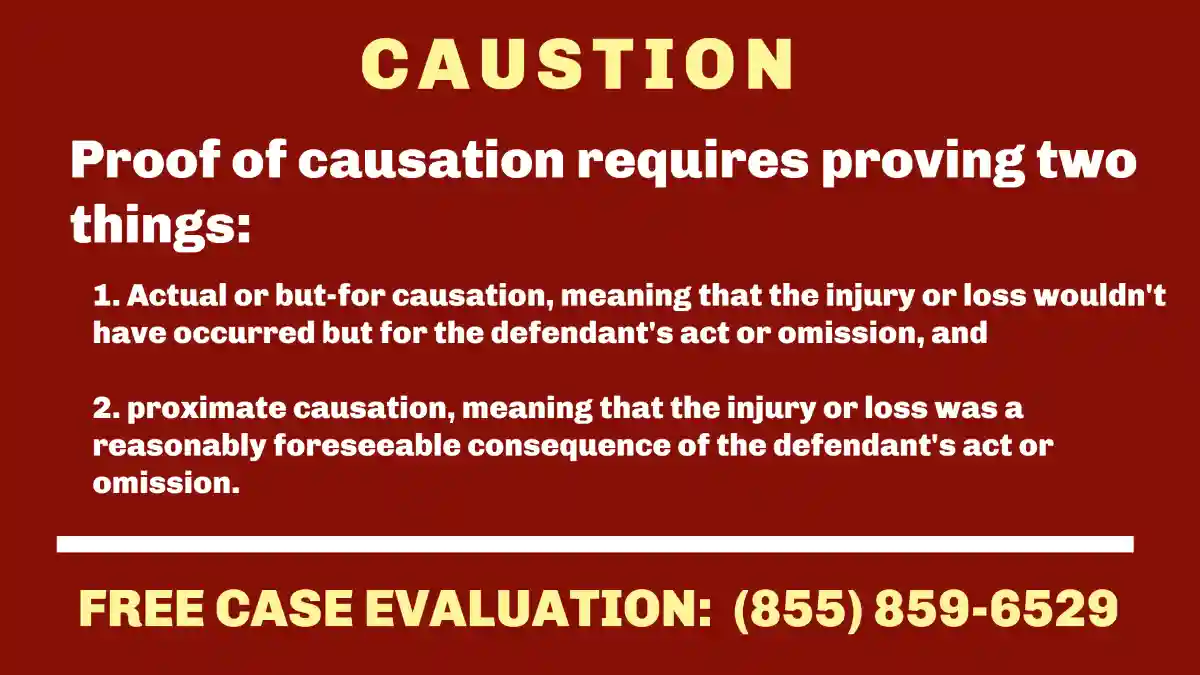
- Causation evidence: Medical expert opinion linking your vision impairment directly to liraglutide exposure
-
- Absence of pre-existing conditions: No prior history of similar eye problems before starting Saxenda treatment
Understanding Compensation Values
Settlement figures in pharmaceutical injury cases involving vision loss reflect the profound impact on your quality of life.
Your potential compensation depends on multiple factors:
- Economic damages: These are quantifiable losses such as medical expenses for ongoing eye care, vision rehabilitation costs, lost wages from inability to work, and reduced future earning capacity if your vision impairment affects your career.
- Non-economic damages: These address the intangible impacts like pain and suffering from permanent vision loss, emotional distress and anxiety about your condition, loss of enjoyment in daily activities you once performed easily, and diminished quality of life requiring lifestyle adjustments.
- Saxenda Vision Side Effects: The severity of your vision impairment: Complete blindness in one or both eyes typically commands higher settlements than partial vision loss.
Taking Proactive Measures During Saxenda Treatment to Safeguard Your Vision
- Patient safety with Saxenda use requires vigilant monitoring and immediate action when concerning symptoms appear. You need to establish a comprehensive eye health baseline before starting treatment. Schedule a complete eye examination with an ophthalmologist who can document your current vision status, including visual acuity, optic nerve health, and any pre-existing conditions that might increase your NAION risk.
Regular Vision Monitoring
- Saxenda Treatment Plan: During your Saxenda treatment, implement these protective measures:
-
- Schedule eye examinations every 3-6 months with your ophthalmologist to detect early changes in optic nerve health
-
- Track daily vision changes by testing each eye separately—cover one eye and check for any differences in clarity, color perception, or visual field
-
- Document symptoms immediately if you notice blurry vision, sudden vision loss, or difficulty seeing in one or both eyes
-
- Maintain a symptom journal recording the date, time, and specific nature of any visual disturbances
Immediate Action Protocol
- Seek Medical Attention: You must recognize warning signs that demand urgent medical attention. Sudden vision loss, even if temporary, requires emergency evaluation within hours.
- Persistent Blurry Vision: Lasting more than a day warrants same-day consultation with your eye care provider. Any new visual field defects—areas where your vision appears dark or missing—signal potential optic nerve compromise.
Communication with Healthcare Providers
- Share your complete medical history with both your prescribing physician and ophthalmologist. Inform them about diabetes, high blood pressure, sleep apnea, or cardiovascular conditions that may compound your NAION risk. Ask your doctor about alternative weight management options if you have multiple risk factors for optic nerve problems.
- Keep detailed records of all medical appointments, prescriptions, and communications with healthcare providers. These documents become critical evidence if you develop vision complications requiring legal action.

Regulatory Oversight and Manufacturer Responsibilities Regarding Liraglutide’s Ocular Risks
- The FDA plays a crucial role in ensuring the safety of pharmaceuticals by using post-market surveillance systems to track adverse events reported by healthcare providers and patients. Even after medications like Saxenda are approved and available for use, the agency continues to evaluate new safety data to identify any risks or complications that may not have been identified during clinical trials. This ongoing assessment becomes especially important when patterns of serious adverse events—such as NAION cases—start to emerge in patient populations using liraglutide-based treatments.
- FDA warnings on liraglutide risks are the agency’s response to growing evidence of potential harm. The regulatory body has the power to require manufacturers to update drug labels, issue safety communications, or mandate additional studies when new safety concerns arise. It’s important to understand that the FDA’s evaluation process for eye complications involves looking at multiple sources of data, including clinical study results, real-world patient experiences, and safety information from similar medications in the GLP-1 receptor agonist class.
- Ethical Responsibilities: Novo Nordisk has significant legal and ethical responsibilities when it comes to disclosing known risks associated with their products. The manufacturer must:
-
- Conduct thorough safety monitoring throughout a drug’s lifecycle
-
- Report adverse events to regulatory authorities within specified timeframes
-
- Update prescribing information and patient materials when new safety data becomes available
-
- Ensure marketing materials accurately represent both benefits and risks
-
- Communicate safety updates to healthcare providers who prescribe their medications
- The adequacy of these disclosures has become a central issue in lawsuits against Novo Nordisk. Plaintiffs claim that the company knew about potential vision-related risks but failed to provide adequate warnings in product labeling or direct-to-consumer advertising. This alleged failure prevented patients and their doctors from making fully informed decisions about whether Saxenda’s weight loss benefits outweighed the potential for serious eye complications.
- It’s important to recognize that pharmaceutical companies must follow strict regulations that require them to be transparent about drug risks. When manufacturers do not meet these obligations—whether through incomplete labeling, delayed safety communications, or inadequate risk disclosure—they may be held legally accountable for injuries that could have been avoided if proper warnings had been given. The timing and content of any safety updates issued by Novo Nordisk regarding NAION risks are still being examined in ongoing legal proceedings.

Conclusion
If you’re experiencing vision problems after taking Saxenda, your health comes first. Contact your healthcare provider immediately to document your symptoms and receive appropriate medical evaluation. Vision changes, blurry vision, or sudden vision loss require urgent attention—these symptoms could indicate serious complications like NAION that need prompt intervention.
You don’t have to navigate this situation alone. Support resources for affected patients include:
- Medical specialists who can assess and document your eye condition
- Legal professionals experienced in pharmaceutical injury cases
- Patient advocacy groups that connect individuals facing similar challenges
- Healthcare providers who can coordinate your ongoing treatment needs
If you believe Saxenda caused your vision problems, consulting with an attorney who specializes in Saxenda Eye Side Effects Lawsuit cases can help you understand your legal options. These lawyers work on contingency, meaning you won’t pay unless you receive compensation.
Your case matters. Documenting your experience through legal action not only seeks compensation for your injuries but also holds manufacturers accountable for adequate safety warnings. The evidence you provide contributes to protecting future patients from similar harm.
Take action now. Reach out to medical professionals to address your immediate health concerns, then connect with qualified legal representation to evaluate your eligibility for pursuing a claim. You deserve answers, proper medical care, and fair compensation for the injuries you’ve suffered.

If You Suffered from Saxenda Eye Side Effects, Contact Saxenda Blindness Timothy L. Miles Today
Timothy L. Miles, Esq.
Law Offices of Timothy L. Miles
Tapestry at Brentwood Town Center
300 Centerview Dr. #247
Mailbox #1091
Brentwood,TN 37027
Phone: (855) Tim-MLaw (855-846-6529)
Email: [email protected]
Website: www.classactionlawyertn.com

