
Introduction to Mounjaro Eye Side Effects Lawsuit
- Mounjaro Eye Side Effects Lawsuit: Refers to an ongoing onslaught of lawsuits and represents a critical development for consumers who have experienced adverse Mounjaro vision problems while using this medication. Medical professionals and researchers have documented various Mounjaro vision side effects ranging from temporary visual disturbances to permanent vision loss, prompting legal action against the pharmaceutical manufacturer. These Mounjaro vision side effects have led to allegations that Eli Lilly and Company failed to provide adequate warnings about the potential risks to patient eyesight.
- Mounjaro: Has emerged as a breakthrough prescription medication for managing type 2 diabetes and achieving weight loss, but it’s now at the epicenter of serious legal concerns. Manufactured by Eli Lilly and Company, this injectable drug contains tirzepatide, a powerful GLP-1 receptor agonist that works by mimicking natural hormones in your body to regulate blood sugar levels and suppress appetite.
- Off-Label Use: The medication gained rapid popularity among patients and healthcare providers alike. You might have heard about its impressive results in clinical trials or seen it prescribed increasingly for both diabetes management and off-label weight reduction. What started as a promising treatment option has taken a troubling turn as reports Mounjaro vision side effects continue pouring in.
- Mounjaro and Vision Loss: Reports of severe vision complications began surfacing among Mounjaro users. Patients experienced everything from temporary blurred vision to permanent blindness. These Mounjaro eye side effects are not minor inconveniences—they are life-altering conditions that have prompted thousands of individuals to take legal action.
- Mounjaro and Vision Loss: Has connection has sparked a wave of lawsuits against Eli Lilly. Plaintiffs allege the pharmaceutical giant failed to adequately warn patients and doctors about the potential for serious eye injuries. The Mounjaro eye side effects lawsuit landscape continues to expand as more patients come forward with similar experiences, raising critical questions about drug safety, corporate responsibility, and patient protection.
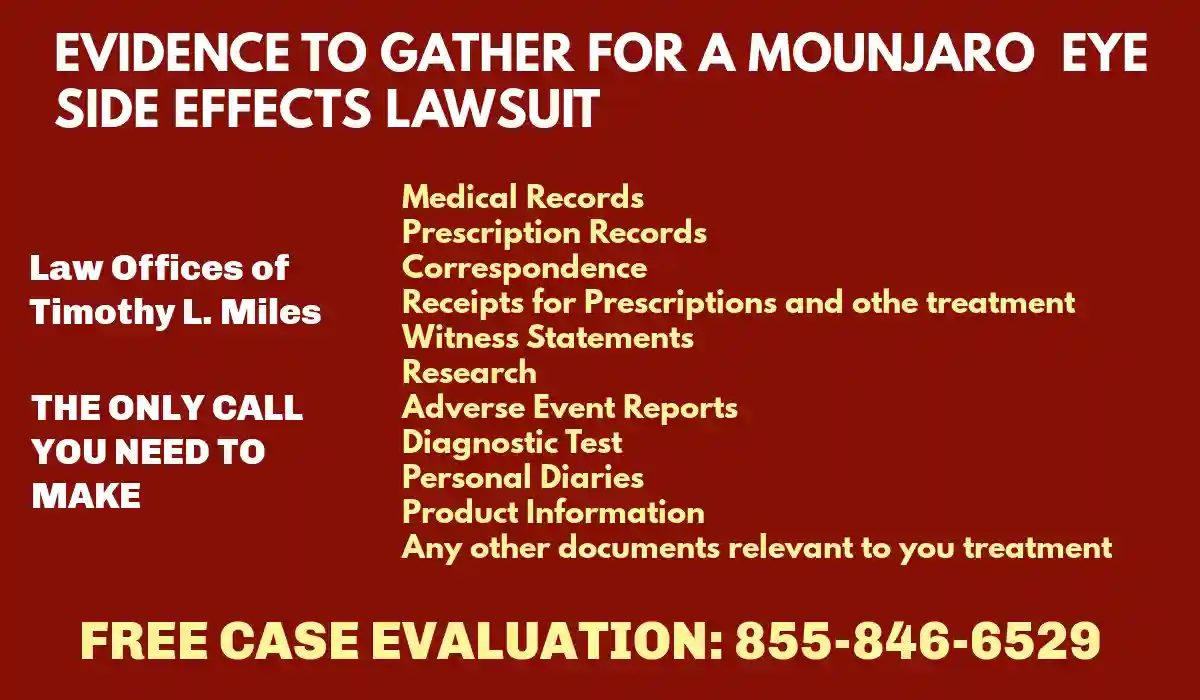
Understanding Mounjaro and Its Medical Use
- Mounjaro represents a significant advancement in type 2 diabetes treatment, offering patients a powerful tool for blood sugar regulation through its active ingredient, tirzepatide.
- Diabetes Drug: This prescription medication works differently from traditional diabetes drugs, targeting multiple pathways in your body to achieve better metabolic control.
How Tirzepatide Works in Your Body
- Mounjaro Eye Problems: Tirzepatide functions as a dual-action medication, mimicking two naturally occurring hormones in your body: GLP-1 (glucagon-like peptide-1) and GIP (glucose-dependent insulinotropic polypeptide). When you inject Mounjaro, the medication:
-
- Stimulates your pancreas to release insulin when blood sugar levels rise
-
- Reduces the amount of glucose your liver produces
-
- Slows down how quickly food leaves your stomach, helping you feel fuller longer
-
- Decreases appetite signals in your brain
-
- This multi-pronged approach to blood sugar regulation makes tirzepatide particularly effective for patients who struggle with conventional diabetes medications. The drug binds to both GLP-1 and GIP receptors, creating a synergistic effect that enhances glucose control beyond what single-receptor medications can achieve.

FDA-Approved and Off-Label Applications
- FDA Approval: The U.S. Food and Drug Administration (FDA) approved Mounjaro specifically for adults with type 2 diabetes who need better glycemic control alongside diet and exercise modifications. You take the medication as a once-weekly subcutaneous injection, with dosages ranging from 2.5 mg to 15 mg depending on your individual needs and tolerance.
- Obesity Management: While the primary indication remains type 2 diabetes treatment, Mounjaro has gained substantial attention for its weight loss effects. Many healthcare providers prescribe it off-label for obesity management, particularly for patients who haven’t achieved desired results with lifestyle changes alone. Clinical trials have demonstrated that patients using tirzepatide experienced significant weight reduction—often losing 15-20% of their body weight over extended treatment periods.
Comparing Mounjaro to Other GLP-1 Receptor Agonists
- GLP-1 Receptor: When you compare Mounjaro to semaglutide (marketed as Ozempic for diabetes and Wegovy for weight loss), several distinctions emerge. Semaglutide acts solely on the GLP-1 receptor, while tirzepatide targets both GLP-1 and GIP receptors. This difference in mechanism may explain why some individuals respond better to one medication over another.
- Dosing: Additionally, dosing schedules differ between the two drugs. Mounjaro is administered once weekly, whereas semaglutide requires weekly or monthly injections depending on the formulation used. For those seeking convenience or consistency in their treatment regimen, this aspect could play a role in decision-making.
- Patient Preference: Ultimately, choosing between Mounjaro and other GLP-1 receptor agonists involves considering various factors such as efficacy, side effects profile, patient preferences, and cost considerations.

Eye Side Effects Associated with Mounjaro
- Severe Mounjaro Vision Problems: Patients taking Mounjaro have reported a range of vision problems from Mounjaro that extend beyond the most severe complications.
- Warning Signs: Understanding these Mounjaro eye side effects helps you recognize warning signs early and take appropriate action.
Common Vision-Related Symptoms
- Ocular Disturbances: The most frequently reported visual disturbances include:
-
- Blurred vision – Many patients experience difficulty focusing or maintaining clear sight, particularly during the initial weeks of treatment
-
- Dry eyes – Reduced tear production or changes in tear composition can lead to persistent eye dryness and discomfort
-
- Eye twitching – Involuntary muscle spasms around the eyelids, medically known as myokymia
-
- Floaters (myodesopsias) – Dark spots or strings that drift across your field of vision
-
- Blurred vision Mounjaro side effect: Often manifests gradually, with some patients noticing changes within days of starting treatment while others develop symptoms after several weeks. The dry eyes Mounjaro use causes can range from mild irritation to severe discomfort requiring artificial tears or prescription eye drops.
Impact on Daily Living
- Mounjaro Vision Problems: These vision complications don’t just affect your eyes—they disrupt your entire lifestyle. You may find yourself:
-
- Struggling to read text messages, books, or computer screens for extended periods
- Experiencing difficulty driving, especially at night when blurred vision intensifies
- Feeling unsafe navigating stairs or uneven surfaces due to depth perception changes
- Dealing with constant eye irritation that makes wearing contact lenses uncomfortable or impossible
- Missing work or reducing productivity because visual tasks become exhausting
- Eye Twitching: While often dismissed as minor, can become distracting during important meetings or social interactions. Floaters may interfere with reading or watching television, creating persistent annoyance throughout your day.
- Financial Satiability: The cumulative effect of these symptoms creates a significant burden. You might avoid activities you once enjoyed—reading, crafting, or outdoor recreation—because your vision no longer supports these pursuits comfortably. Professional responsibilities requiring visual precision become challenging, potentially affecting your career trajectory and financial stability.

Nonarteritic Anterior Ischemic Optic Neuropathy (NAION) and Mounjaro
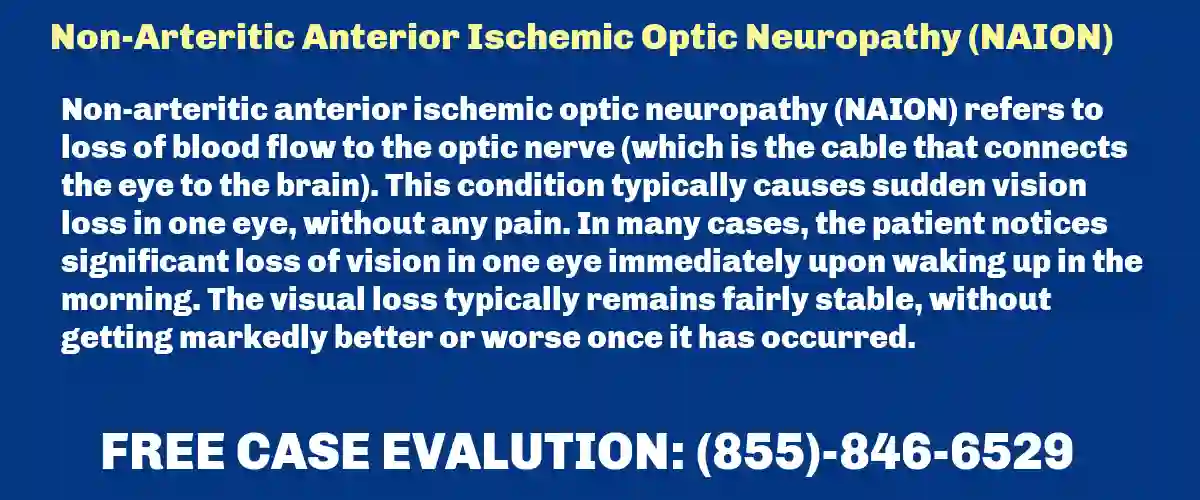
- Severe Mounjaro Eye Problems: Nonarteritic Anterior Ischemic Optic Neuropathy (NAION) represents the most serious of the Mounjaro vision side effects. This condition occurs when blood flow to the optic nerve becomes critically reduced, causing sudden and often permanent optic nerve damage. Unlike other eye side effects that may resolve with treatment adjustments, NAION can result in irreversible vision loss.
- Mounjaro Vision Problems: The condition typically manifests as sudden vision loss in one eye, usually upon waking. You might notice a dark area in your visual field or experience a dramatic decrease in vision clarity. What makes NAION particularly concerning is its painless nature—you won’t feel warning signs before your vision deteriorates.
Research Connecting NAION to GLP-1 Receptor Agonists
- GLP-1 Receptor: A landmark study published in 2024 revealed alarming statistics about NAION risk among patients using GLP-1 receptor agonists like Mounjaro. The research demonstrated that individuals with type 2 diabetes taking these medications faced up to seven times higher risk of developing NAION compared to those using alternative diabetes treatments. For patients prescribed these drugs for weight loss, the risk increased more than four-fold.
- These findings prompted immediate concern within the medical community and sparked numerous Mounjaro Eye Side Effects Lawsuits against Eli Lilly. Many patients who suffered NAION-related blindness claim they received inadequate warnings about this devastating potential outcome.
How NAION Progresses in Mounjaro Users
- Mounjaro Eye Problems: The progression of NAION in patients taking Mounjaro follows a distinct pattern:
-
- Acute onset: Vision loss develops suddenly, typically over hours
- Unilateral presentation: The condition usually affects one eye initially
- Altitudinal defects: You may lose vision in either the upper or lower half of your visual field
- Optic disc swelling: Your eye doctor will observe swelling of the optic nerve head during examination
- Potential bilateral involvement: The second eye may develop NAION weeks or months later
- Mounjaro and Vision Loss: If you’ve experienced sudden vision changes while taking
Other Vision Complications Related to Mounjaro Use
Beyond NAION, patients taking Mounjaro face a range of additional Mounjaro vision side effects that require attention.
1. Diabetic Retinopathy Complications
Diabetic retinopathy complications are a major concern, as the medication may speed up the progression of existing retinal damage in diabetic patients. The rapid fluctuations in blood sugar levels during treatment can unexpectedly worsen damage to the retinal blood vessels, resulting in bleeding, swelling, and potential loss of vision.
2. Macular Edema
Macular edema is another serious complication where fluid builds up in the macula—the central part of your retina responsible for sharp, detailed vision. This condition leads to distorted central vision, making it challenging to read, recognize faces, or perform tasks that require precise eyesight. Patients with pre-existing diabetic eye disease are at higher risk for this complication when starting Mounjaro therapy.
3. Other Associated Eye Conditions
The medication has also been linked to several other eye conditions:
- Dry eye syndrome caused by dehydration or decreased tear production
- Eye floaters (myodesopsias) appearing as dark spots or strings moving across your field of vision
- Eye twitching that persists beyond normal stress-related spasms
- Increased vulnerability to eye infections due to changes in immune response
- Blurred vision that doesn’t improve with standard corrective measures
These Mounjaro vision side effects can occur individually or together, significantly impacting your ability to drive safely, work efficiently, and maintain independence in daily activities.
Risk Factors Increasing Vulnerability to Eye Side Effects from Mounjaro
Certain pre-existing medical conditions significantly increase your susceptibility to Mounjaro Eye Problems and Mounjaro Vision Side Effects. Understanding these risk factors helps you make informed decisions about your treatment options.
1. Cardiovascular and Metabolic Conditions
- Patients with existing heart disease risk factors for NAION and vision problems face elevated danger when using Mounjaro.
- High blood pressure creates additional strain on the delicate blood vessels supplying your optic nerve, compounding the reduced blood flow associated with NAION. If you have a history of stroke or cardiovascular disease, your risk profile increases substantially.
2. Optic Nerve Structural Vulnerabilities
- You may be at higher risk if you have what ophthalmologists call a “crowded optic disc”—a condition where the optic nerve has less space than typical.
- This anatomical variation restricts blood flow even under normal circumstances, making you more vulnerable to ischemic events when taking GLP-1 receptor agonists.
3. Additional High-Risk Factors Leading to Mounjaro and Vision Loss
-
- Sleep apnea, which causes intermittent oxygen deprivation
- Existing diabetic retinopathy or other retinal diseases
- History of glaucoma or elevated intraocular pressure
- Severe kidney disease affecting overall circulation
- Advanced age (over 50 years old)
- Smoking, which damages blood vessel integrity
- Vigilant Monitoring: Patients with multiple risk factors face compounded danger and require especially vigilant monitoring throughout their treatment for Mounjaro vision side effects.
Legal Landscape Surrounding the Mounjaro Eye Side Effects Lawsuits
- The multidistrict litigation (MDL) against Eli Lilly for Mounjaro’s eye side effects represents one of the most significant pharmaceutical injury cases currently moving through the U.S. court system.
- Thousands of plaintiffs have joined this consolidated legal action, alleging that Eli Lilly failed to provide adequate warnings about the vision-related risks associated with tirzepatide.

What is Multidistrict Litigation (MDL)?
Multidistrict litigation (MDL) is a legal procedure that allows multiple individual cases with similar claims to be consolidated and handled more efficiently under one federal judge. This process is often used in complex cases involving a large number of plaintiffs, such as pharmaceutical injury lawsuits.
How does MDL work?
- Filing of individual lawsuits: Plaintiffs who have been harmed by a product or action file individual lawsuits in different federal courts across the country.
- Motion for transfer: The defendants, usually the manufacturers or companies involved, file a motion requesting that all these cases be transferred to a single federal court for coordinated pretrial proceedings.
- Decision by the Judicial Panel on Multidistrict Litigation (JPML): The JPML, a group of judges, decides whether to grant the motion and where to transfer the cases.
- Consolidation and coordination: Once transferred, the cases are consolidated and coordinated by a designated judge. This judge oversees discovery, pretrial motions, and settlement negotiations.
- Individual trials: If no settlement is reached, individual trials may occur for each plaintiff in their respective jurisdictions.
Key Players in the Mounjaro Eye Side Effects Lawsuits
The Mounjaro Eye Side Effects Lawsuit involves several key parties:
- Plaintiffs: Thousands of individuals who have experienced vision-related issues after using Mounjaro and believe they were not adequately warned about the risks.
- Defendant: Eli Lilly, the pharmaceutical company that manufactures Mounjaro and is accused of failing to provide proper warnings about its potential side effects.
Scope of the Mounjaro Eye Side Effects Lawsuits
- The MDL includes claims specific to Mounjaro as well as similar allegations against other GLP-1 receptor agonists produced by various pharmaceutical companies.
- This broader scope allows for coordinated discovery efforts where attorneys can access internal documents, research data, and communications related to these drugs.
Allegations Against Eli Lilly
Plaintiffs in these lawsuits argue that Eli Lilly engaged in deceptive marketing practices by promoting Mounjaro’s benefits while downplaying or omitting critical information about potential blindness and severe vision complications.
Damages Sought by Plaintiffs
The lawsuits seek compensation for various damages suffered by the plaintiffs:
- Medical expenses related to eye treatments and ongoing care
- Lost wages due to vision impairment affecting work capacity
- Pain and suffering from permanent vision loss
- Reduced quality of life and loss of independence
Upcoming Trials and Their Potential Impact
Bellwether trials—test cases selected to gauge how juries might respond to evidence—are scheduled to begin soon. These trials will likely influence settlement negotiations for the remaining thousands of cases within the MDL.
Filing a Lawsuit for Vision Problems Caused by Mounjaro
- If you’ve experienced Mounjaro vision problems after taking this medication, you may qualify to pursue legal action against Eli Lilly.
- Understanding the Mounjaro vision loss lawsuit eligibility criteria helps you determine whether you have a valid claim to file a Mounjaro Eye Side Effects Lawsuit.
Basic Qualification Requirements
You need to meet specific criteria to file a Mounjaro Eye Side Effects Lawsuit:
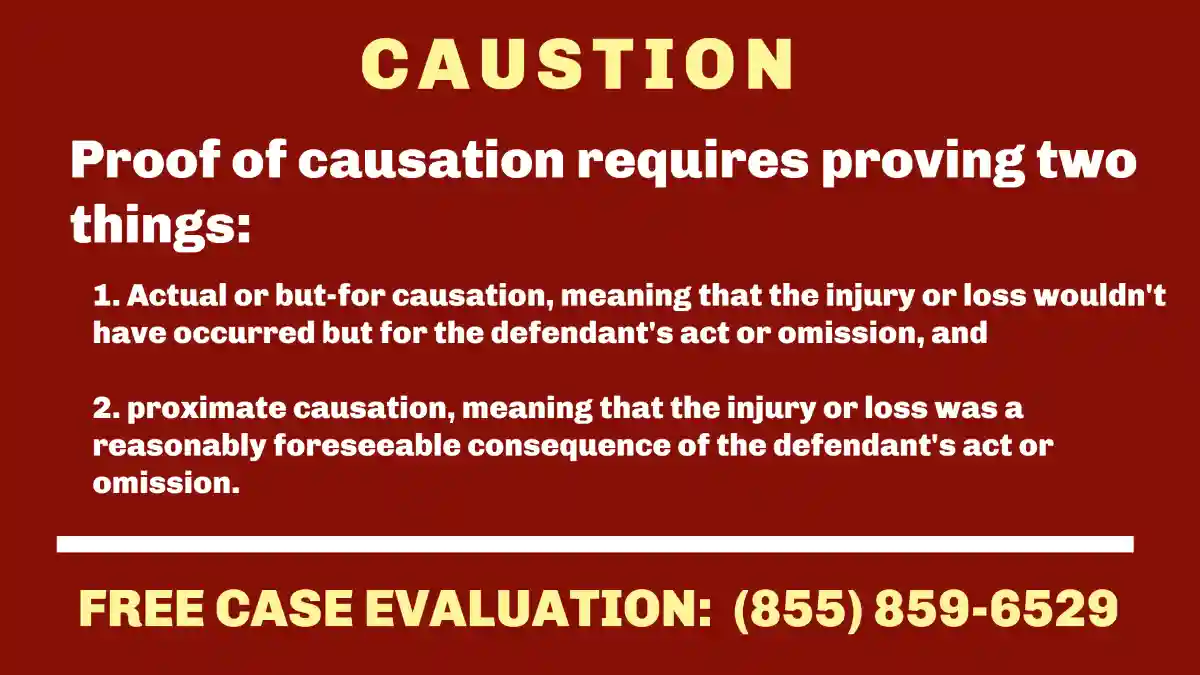
- Documented Mounjaro use – You must provide prescription records, pharmacy receipts, or medical documentation proving you took Mounjaro
- Diagnosed vision injury – Medical records confirming Mounjaro vision side effects, such as NAION, severe blurred vision, or other documented ocular conditions
- Temporal connection – Your Mounjaro eye problems developed during or shortly after Mounjaro treatment
- Medical causation – Healthcare providers must establish a reasonable link between your medication use and vision complications
Strengthening Your Claim
Your case becomes stronger when you can demonstrate:
- Regular Mounjaro usage for type 2 diabetes or weight loss purposes
- Absence of pre-existing eye conditions that could explain your symptoms
- Immediate medical attention sought when vision problems appeared
- Detailed medical records documenting the progression of your eye condition
- Impact documentation showing how vision loss affected your employment, daily activities, or quality of life
Time Sensitivity Matters
- Statutes of limitations vary by state, typically ranging from one to three years from the date you discovered your injury. You need to act promptly to preserve your legal rights.
- Waiting too long can permanently bar you from seeking compensation, regardless of how severe your Mounjaro vision problems became.

Medical Evaluation and Monitoring for Patients Using Mounjaro
You need comprehensive eye monitoring when taking Mounjaro, especially given the emerging warnings about eye risks with Mounjaro. Your healthcare provider should establish a baseline eye examination before you start treatment, documenting your current vision status and any pre-existing conditions.Mounjaro vision side effects
Recommended monitoring schedule includes:
- Baseline eye exam – Complete ophthalmologic evaluation before starting Mounjaro
- 3-month follow-ups – Vision screening during initial treatment phase
- 6-month comprehensive exams – Detailed assessment including optic nerve evaluation
- Annual dilated eye exams – Thorough examination of retina and optic nerve health
- Immediate evaluation – Any sudden vision changes require urgent ophthalmologic assessment
Your eye doctor should specifically monitor for signs of NAION, including optic disc swelling, visual field defects, and changes in color vision. You should track any Mounjaro vision side effects between appointments, noting the date, duration, and severity of issues like blurred vision, floaters, or eye pain.
Patients with diabetes require even more vigilant monitoring since you already face elevated risks for diabetic retinopathy and other eye complications. Your ophthalmologist should coordinate with your prescribing physician to ensure comprehensive care that addresses both your metabolic health and vision safety. Document all eye examinations in your medical records, as this information becomes critical if you develop complications requiring medical intervention or legal action.
Patient Resources and Support Options
Navigating the aftermath of Mounjaro vision side effects requires access to resources and experienced legal support for blindness. You need professionals who understand the complexities of pharmaceutical injury claims and can effectively advocate for your rights.
Finding Qualified Legal Representation
Lawyers in pharmaceutical cases possess specific expertise in handling Mounjaro Eye Side Effects Lawsuit claims. These attorneys typically work on a contingency fee basis, meaning you pay nothing unless they secure compensation for your case. Look for law firms with proven track records in:
- Mass tort litigation involving prescription medications
- Cases against major pharmaceutical manufacturers like Eli Lilly
- Vision-related injury claims and medical malpractice
Support Organizations and Networks
Patient advocacy groups provide valuable resources beyond legal assistance. Organizations focused on vision impairment offer counseling services, rehabilitation programs, and community support networks. You can connect with other individuals experiencing similar Mounjaro vision side effects through online forums and support groups dedicated to GLP-1 medication side effects.
Medical Documentation Services
Professional medical record retrieval services can help you gather the necessary documentation for your claim. These specialists understand what evidence strengthens pharmaceutical injury cases and can efficiently compile your treatment history, diagnostic reports, and expert medical opinions that establish the connection between Mounjaro and Vision Loss.
Conclusion
Your health decisions should be based on complete and accurate information. The emergence of serious eye complications associated with Mounjaro highlights why you need to understand potential risks before starting any new medication. The connection between GLP-1 receptor agonists and conditions like NAION is a significant concern that affects thousands of patients nationwide.
If you’re currently taking Mounjaro or considering it as a treatment option, you should:
- Schedule comprehensive eye examinations before starting treatment and regularly throughout your therapy
- Document any vision changes, no matter how minor they may seem
- Communicate openly with your healthcare provider about pre-existing eye conditions or risk factors
- Stay informed about emerging research and safety updates related to tirzepatide
The growing number of permanent vision loss lawsuits against Eli Lilly shows that patients are holding pharmaceutical manufacturers accountable for inadequate warnings. You have the right to know about potential complications that could permanently alter your quality of life. Vision loss affects your ability to work, drive, and maintain independence—these aren’t minor inconveniences.

Experiencing vision problems after using Mounjaro requires immediate action. You need both medical intervention to address the eye condition and legal guidance to protect your rights. The Mounjaro Eye Side Effects Lawsuit landscape continues evolving, with new cases being filed as more patients come forward with their experiences.
Don’t wait to seek help if you’ve suffered vision complications. Your window for legal action may be limited by statutes of limitations, and early medical intervention could prevent further damage. You deserve compensation for injuries caused by inadequately disclosed medication risks.

