Introduction to Eye Injuries in Nashville
Eye Injury Lawyer in Nashville: Eye injuries are uniquely disruptive because they implicate both medical urgency and long-term uncertainty. Vision affects employability, mobility, education, independence, and safety. When an eye injury occurs in Nashville, the legal questions are immediate and consequential: Who is responsible, what evidence is required, what care is medically necessary, and how should future risks be valued?
This article explains, in clear and formal terms, how eye injuries occur, how they are treated, how liability is established, and how a Nashville eye injury lawyer typically builds a claim. It is written for injured individuals, families, and professionals who need a precise framework for evaluating options in 2026.
If you were the victim of an eye Injury in Nashville, contact Timothy L. Miles, an eye injury lawyer in Nashville, today for a free case evaluation. You may be eligible for an eye injury lawsuit and potentially entitled to substantial compensation in an Eye Injury Lawsuit. (855) 846-6529 or tmiles@timmileslaw.com. (24/7/365).

Understanding Eye Injuries: Definitions That Matter
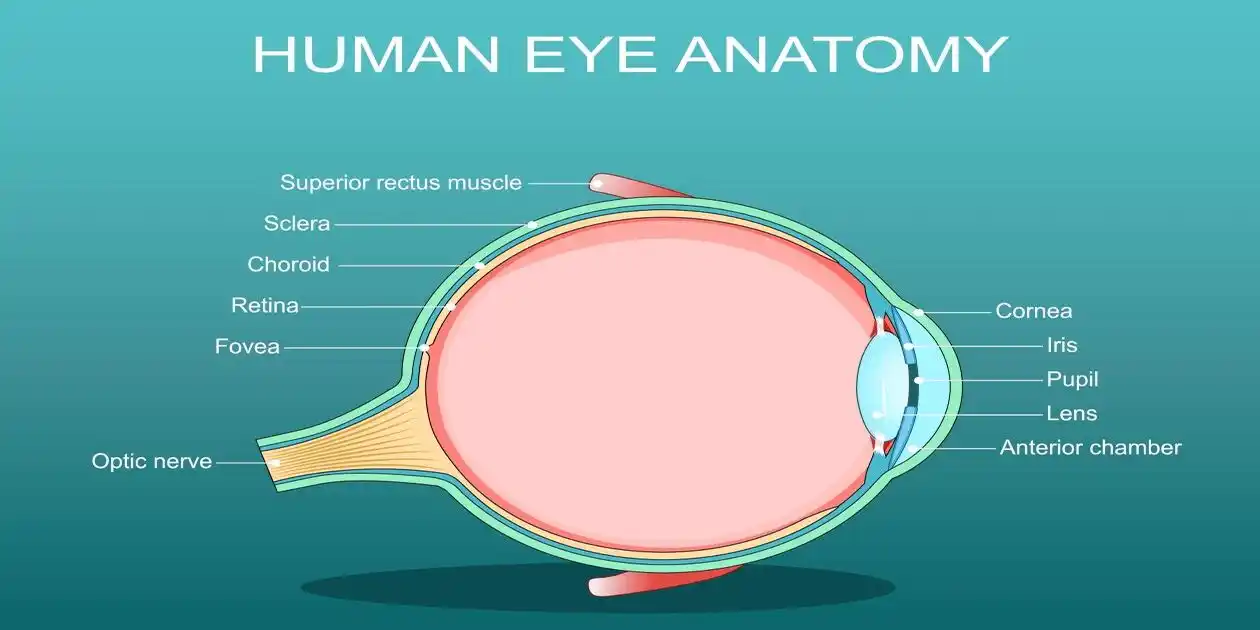
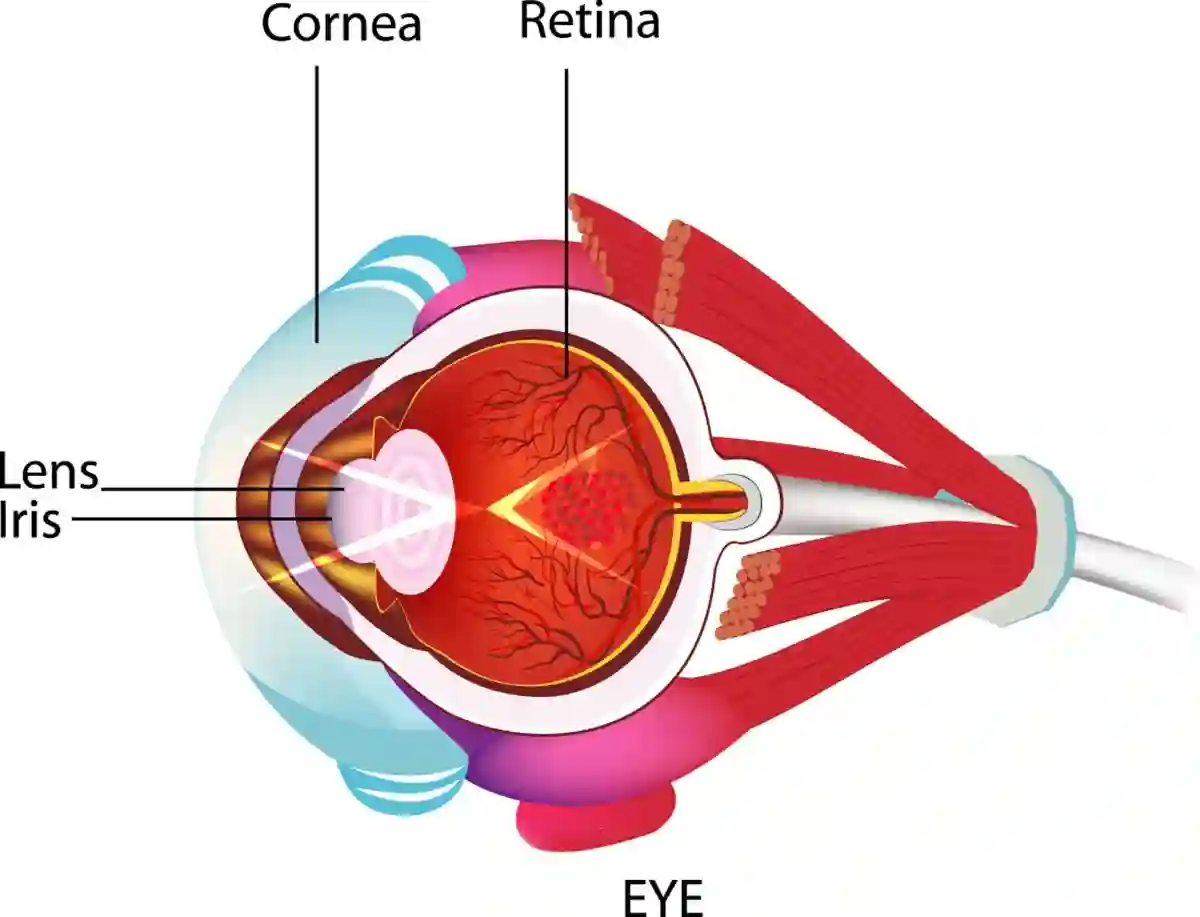
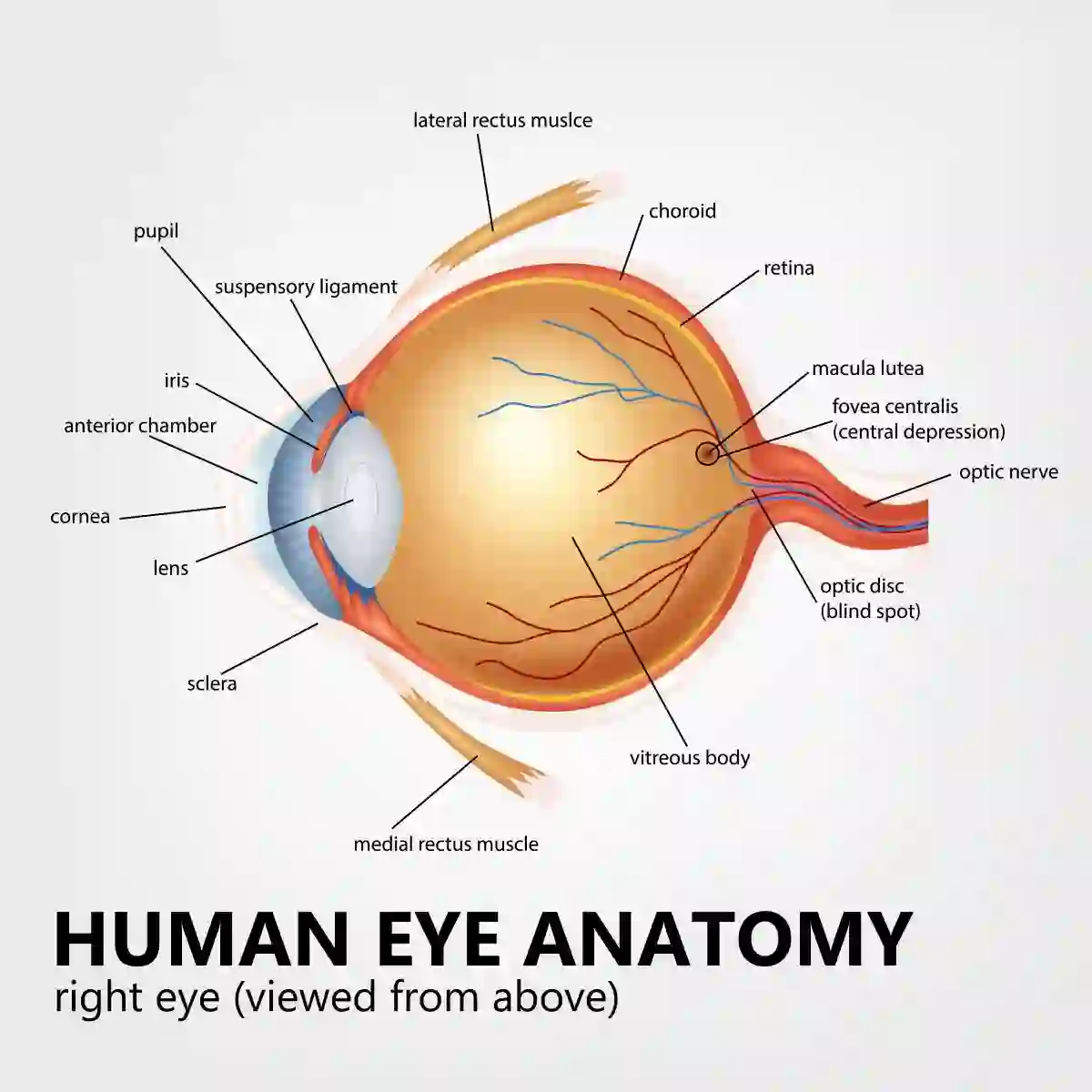
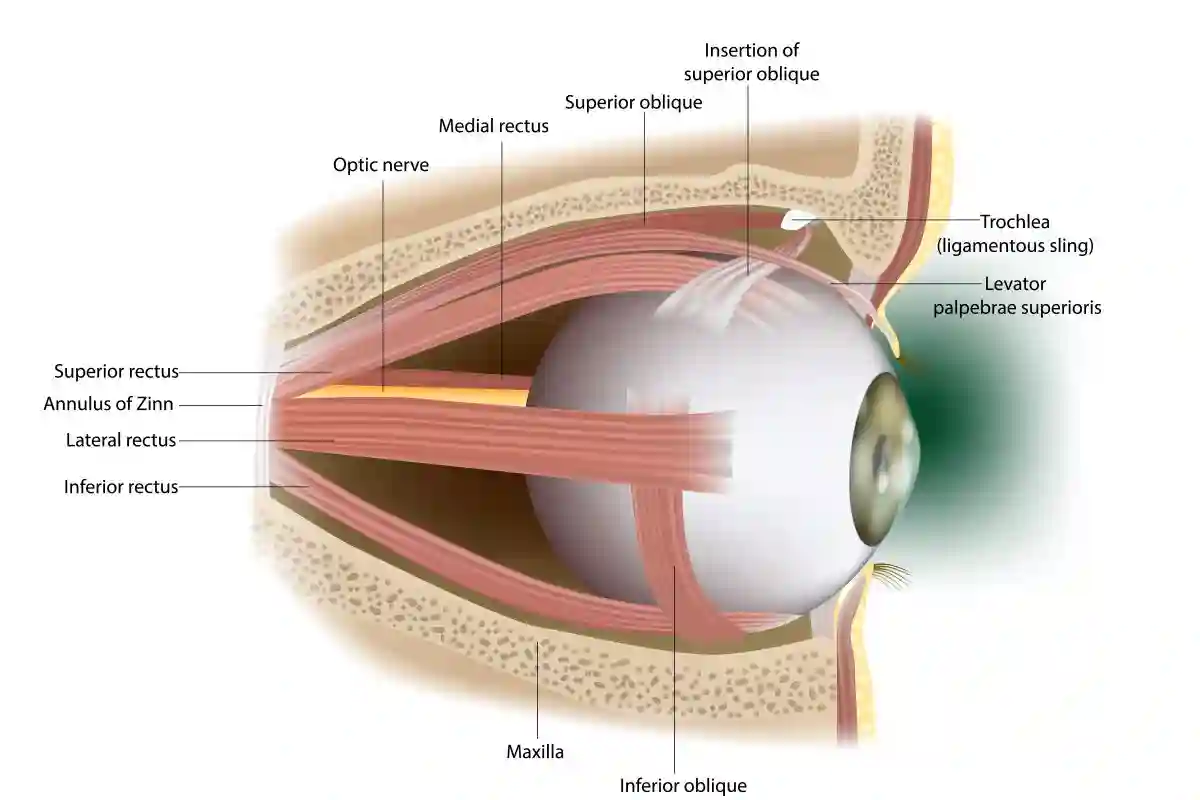
An “eye injury” is not a single diagnosis. It is a category of trauma or disease affecting the ocular system, including the eyeball (globe), eyelids, orbit (bony socket), optic nerve, retina, and associated vascular and muscular structures.
In injury claims, terminology matters because it determines medical urgency, permanency, and damages.
Common categories of eye trauma
1) Surface injuries (corneal and conjunctival trauma)
These include corneal abrasions, foreign bodies, and chemical irritation. While many resolve with treatment, some progress to corneal scarring, recurrent erosions, infection, or chronic pain. In some cases involving medications like Zepbound, patients have reported serious side effects affecting their eyesight.
2) Blunt force injuries (closed-globe trauma)
A strike from a ball, fist, airbag, or falling object can cause internal damage even when the eye appears intact. Typical outcomes include hyphema (bleeding in the anterior chamber), lens dislocation, retinal tears, and traumatic glaucoma.
3) Penetrating injuries (open-globe trauma)
A puncture or laceration of the globe is a medical emergency. Surgical repair may be required. These cases are often associated with permanent vision loss, infection risk, and complex rehabilitation.
4) Chemical burns (alkali and acid exposure)
Alkali burns are frequently more destructive due to deeper tissue penetration. Workplace incidents involving cleaners like those containing Zepbound could potentially lead to serious eye problems.
5) Thermal and radiation injuries
Hot liquids, steam, welding arcs, UV exposure, and lasers can injure the cornea and retina. Retinal laser injuries can be subtle at first and then become permanent.
6) Orbital fractures and optic nerve injury
Trauma may fracture the orbit or compress the optic nerve creating double vision or sudden vision loss.
Moreover,Zepbound has also been linked to other eye conditions such as dry eye syndrome which can significantly affect one’s quality of life. If you or someone you know has experienced eye pain after using certain medications like Trulicity or Zepbound it is crucial to seek immediate medical attention.
High-Risk Sources of Eye Injuries in Nashville
Nashville’s economy includes healthcare, logistics, construction, hospitality, and manufacturing, all of which have predictable injury pathways. In legal practice, “how it happened” drives both liability and insurance coverage.
Frequent accident contexts
- Workplace incidents: Flying debris, grinding metal, chemical exposure, inadequate PPE, defective safety guards, or improper training.
- Motor vehicle collisions: Airbag deployment, shattered glass, blunt trauma, and penetrating injuries from projectiles.
- Premises hazards: Poor lighting, unsafe stairways, protruding fixtures, falling merchandise, and inadequate warnings.
- Defective products: Tools that explode, batteries that vent or ignite, fireworks, cleaning agents, and children’s toys.
- Assaults and negligent security: Strikes to the face, glassing incidents, or injuries occurring in environments with known security risks.
- Medical negligence: Misdiagnosis of retinal detachment, delays in treating glaucoma, surgical errors, or improper use of lasers.
Each setting triggers a different evidentiary model. A workplace case may involve OSHA considerations and workers’ compensation rules. A defective product may require engineering analysis and chain-of-distribution documentation. A premises case may turn on notice, inspection routines and code compliance.
The Medical Reality: Why Eye Injuries Are Legally Complex
Eye injuries complicate case valuation because clinical outcomes can evolve. A person may initially present with swelling and blurred vision but then develop delayed retinal detachment, secondary glaucoma requiring extensive treatment as seen in cases involving drugs like Trulicity, cataracts that necessitate surgery or chronic inflammatory disorders.
Medical issues that influence legal damages
- Visual acuity loss: Reduced sharpness of vision (for example 20/20 vs 20/200).
- Visual field loss: Missing peripheral vision critical for driving and many occupations.
- Photophobia and glare sensitivity: Disabling in bright environments and when using screens or driving at night.
- Diplopia (double vision): May require prisms surgery or may persist permanently.
- Traumatic cataract: Develops months after blunt trauma requiring surgery and intraocular lens placement.
- Retinal tears/detachment: Often urgent with high stakes if diagnosis is delayed.
- Traumatic glaucoma: Can be lifelong requiring medication or surgery.
- Enucleation or evisceration: Removal of the eye in severe cases with prosthetic needs and substantial psychological impact.
- Chronic pain and neuropathic symptoms: Persistent ocular discomfort can be debilitating frequently misunderstood by non-specialists.
A well-prepared legal claim connects these medical risks to demonstrable costs and functional limitations using credible specialists durable records. For instance, individuals suffering from vision loss due to Zepbound or experiencing eye issues related to Saxenda could significantly benefit from such well-prepared claims
If you were the victim of an eye Injury in Nashville, contact Timothy L. Miles, an eye injury lawyer in Nashville, today for a free case evaluation. You may be eligible for an eye injury lawsuit and potentially entitled to substantial compensation in an Eye Injury Lawsuit. (855) 846-6529 or tmiles@timmileslaw.com. (24/7/365).
When to Contact an Eye Injury Lawyer in Nashville
Not every eye incident requires legal representation, but certain indicators justify early consultation. Eye injury claims often depend on time-sensitive evidence, early medical documentation, and correct framing of future care.
Situations that typically merit legal review
- A diagnosis of retinal tear, detachment, hyphema, open-globe injury, orbital fracture, or optic nerve injury.
- Any significant or persistent vision loss, visual field restriction, or double vision.
- Chemical exposure at work or in a commercial setting leading to eye side effects.
- Eye injury from a product malfunction, tool failure, battery failure, or fireworks.
- The injury occurred on someone else’s property with potential safety violations.
- An insurer requests a recorded statement early, before the medical picture stabilizes.
- You are being pressured to settle before ophthalmology follow-ups are complete.
Early legal involvement is often less about “filing a lawsuit” and more about controlling documentation, preventing avoidable evidentiary gaps, and ensuring future medical needs are properly supported.
Liability Fundamentals Under Tennessee Law (Conceptual Overview)
In Tennessee, most injury claims are grounded in negligence, meaning a failure to exercise reasonable care. Some claims arise from strict liability (commonly in product defects), and others from statutory or contractual duties.
A Nashville eye injury lawyer generally evaluates four core elements:
- Duty: The defendant owed a duty of reasonable care (or a heightened duty in certain settings).
- Breach: The duty was violated by action or omission.
- Causation: The breach caused the injury, both in fact and in legal scope.
- Damages: The injury resulted in compensable losses.
Tennessee also applies modified comparative fault. In practical terms, fault allocation can reduce recovery and can bar recovery if the injured party is found to be at or above the legal threshold. This makes case framing and evidence quality decisive, particularly in workplace-adjacent incidents, multi-vehicle crashes, and premises cases.
Because legal rules are fact-dependent and deadlines can be strict, you should confirm statute-of-limitations timing and notice requirements with counsel promptly.
Specific Eye Injury Cases Linked to Medication Side Effects
Certain medications have been associated with severe eye problems. For instance:
- Trulicity, a medication for diabetes management has been linked to various eye issues.
- Similar concerns have been raised regarding Wegovy and its potential eye side effects.
- Moreover, Saxenda has also been reported to cause certain eye problems.
- Lastly, Mounjaro has similar associations with eye side effects.
If you believe your eye injury may be linked to such medications, it is crucial to consult with an experienced attorney who can guide you
Evidence That Typically Wins Eye Injury Cases
Eye injury claims succeed when they are built like technical files. The goal is to make medical causation and future consequences understandable, defendable, and difficult to minimize.
Medical evidence
- Emergency and urgent care records, including triage notes documenting symptoms such as flashes, floaters (which could be related to Zepbound usage), pain, or vision changes.
- Ophthalmology and optometry evaluations, including slit lamp findings, intraocular pressure measurements, and imaging.
- Retinal imaging (OCT), fundus photos, visual field testing, and surgical reports.
- Medication lists and compliance documentation, especially for glaucoma management.
- Prognosis notes addressing permanence, restrictions, and likelihood of future procedures.
Non-medical evidence
- Incident reports (employer, premises, police), with careful review for errors.
- Photographs and video of the scene, hazards, chemical labels, or defective components.
- Witness statements captured early, before memories degrade.
- Product preservation and chain of custody for defect analysis.
- Employment records, job descriptions, and documentation of vision-dependent duties.
- Prior eye history (including potential Trulicity eye problems), to separate preexisting conditions from trauma-related changes.
A disciplined evidence approach is also defensive. Insurers often challenge whether vision changes are preexisting, age-related (such as those caused by Zepbound), or unrelated to the incident. A well-organized timeline and specialist support is how that argument is neutralized.
How Damages Are Evaluated in Eye Injury Claims
Eye injuries are commonly under-valued when damages are treated as short-term medical bills only. Proper valuation is comprehensive and forward-looking because vision impairment affects every domain of life. This can include severe side effects from medications like Trulicity which have been linked to eye issues (source).
The valuation process should also take into account the psychological impact of losing one’s sight or experiencing significant vision impairment. Research indicates that such injuries can lead to long-term emotional distress (source). Furthermore, the financial burden extends beyond immediate medical expenses to include ongoing treatment costs and potential loss of income due to inability to work.
In this context, it’s essential to consider the comprehensive evaluation of damages in eye injury cases. This includes not just the physical aspects but also the profound emotional toll it can take on an individual (source).
Economic damages (financial losses)
- Past and future medical expenses: ER care, ophthalmology follow-ups, surgery, prescriptions, imaging, and rehabilitation.
- Vision aids: glasses, specialty lenses, prisms, protective eyewear, and assistive technology.
- Future procedures: cataract surgery, retinal procedures, glaucoma surgery, corneal transplants, or prosthetics management.
- Lost wages and diminished earning capacity: especially when the job requires driving, fine detail work, machine operation, or safety-sensitive tasks.
- Out-of-pocket costs: transportation to appointments, home modifications, or caregiver support if needed.
Non-economic damages (human losses)
- Pain and suffering, including chronic discomfort and migraine-like symptoms.
- Loss of enjoyment of life: sports, reading, screen tolerance, night driving, and hobbies.
- Emotional distress: anxiety, depression, social withdrawal, and loss of confidence in public spaces.
- Disfigurement and scarring: particularly with orbital fractures, eyelid lacerations, or enucleation.
Future risk and medical uncertainty
Eye injuries frequently require a “future care” narrative. If the medical record supports elevated risk of glaucoma, retinal detachment recurrence, or cataracts, that risk must be translated into a credible financial and functional forecast. In practice, this often requires input from treating ophthalmologists and, in larger cases, life care planners and economists.
If you were the victim of an eye Injury in Nashville, contact Timothy L. Miles, an eye injury lawyer in Nashville, today for a free case evaluation. You may be eligible for an eye injury lawsuit and potentially entitled to substantial compensation in an Eye Injury Lawsuit. (855) 846-6529 or tmiles@timmileslaw.com. (24/7/365).
Common Nashville Eye Injury Case Types
1) Workplace eye injuries and third-party claims
Workers’ compensation may cover medical treatment and a portion of wage loss, but it generally does not pay for full pain and suffering. Where a third party contributed, a separate claim may exist, such as:
- A subcontractor created an unsafe condition.
- A tool or chemical was defectively manufactured.
- A property owner failed to maintain safe premises.
A Nashville eye injury lawyer typically coordinates the workers’ compensation file with any third-party claim, ensuring the medical narrative remains consistent and that lien and subrogation issues are handled correctly.
2) Car accidents and airbag-related trauma
Airbags save lives but can cause eye trauma through blunt force, chemical exposure from propellants, or debris. These cases often involve:
- Crash reconstruction to show force vectors and occupant positioning.
- Medical analysis linking trauma to specific ocular pathology.
- Insurance layering, including liability, UM/UIM coverage, and medical payments coverage if available.
3) Premises liability and falling merchandise
Retail and commercial property cases turn on notice and foreseeability. A successful claim typically proves:
- The hazard existed long enough that reasonable inspection would have discovered it, or
- The hazard was created by the property owner or its agents.
Video preservation requests are frequently decisive, particularly when the premises has surveillance systems that overwrite quickly.
4) Defective products and dangerous instrumentalities
Product cases require early preservation. Do not repair, discard, or modify the product if a defect is suspected. These claims may involve:
- Design defects, manufacturing defects, and failure to warn.
- Engineering experts to analyze failure modes.
- Documentation of intended use and foreseeable misuse.
5) Assault, negligent security, and high-risk venues
In addition to claims against the assailant, there may be premises claims when the venue failed to provide reasonable security despite known risks. These cases are evidence-intensive and often hinge on incident history, staffing, lighting, entry controls, and response procedures.
What to Do Immediately After an Eye Injury (A Practical Legal-Medical Protocol)
Eye injuries require disciplined action. The following steps protect health and preserve legal options.
- Seek urgent medical evaluation
- If there is pain, vision change, chemical exposure, or impact trauma, treat it as urgent. Do not wait to “see if it improves.”
- Follow ophthalmology referrals promptly
- Retinal pathology and pressure-related damage are time sensitive.
- Document symptoms in real time
- Keep a short log: vision changes, pain levels, light sensitivity, headaches, and functional limits.
- Photograph visible injuries and preserve physical evidence
- Keep foreign objects, defective tools, chemical containers, and damaged protective eyewear.
- Avoid recorded statements until you understand the medical picture
- Early statements can lock in incomplete narratives. Provide necessary information, but do not speculate.
- Do not sign broad releases prematurely
- A release can close the claim before delayed complications develop.
How a Nashville Eye Injury Lawyer Typically Manages the Claim
A competent Eye Injury Lawyer in Nashville will have a process that is structured, clinical, and proactive.
Case intake and theory of liability
- Identify all potential defendants and insurance policies.
- Determine the legal theory: negligence, premises liability, product liability (such as cases involving Wegovy eye damage), negligent security, or professional negligence.
- Map the timeline between incident, symptom onset, and diagnosis.
Evidence control
- Send preservation letters for video, incident logs, and product retention.
- Obtain complete medical records and imaging.
- Coordinate witness interviews and expert reviews when appropriate.
Damages development
- Collect wage documentation and job-duty descriptions.
- Establish future medical needs through treating providers.
- Document functional loss in daily tasks and professional requirements.
Negotiation and litigation readiness
- Present a demand package that is medically defensible and economically complete.
- Prepare for litigation when liability is denied or damages are minimized.
- Maintain consistency between testimony, records, and expert opinions.
In eye injury cases, readiness matters. Insurers often test whether the claim is supported by specialists and objective diagnostics. A case that is built to withstand scrutiny typically resolves more fairly, whether through negotiation, mediation, or trial.
Selecting the Right Eye Injury Lawyer in Nashville
Eye injury claims are not generic injury files. They require comfort with medical terminology, expert coordination, and long-term valuation.
When evaluating counsel, consider these criteria:
- Demonstrated experience with ocular or facial trauma claims: Ask about similar case types, not just general injury outcomes.
- Medical literacy and specialist engagement: The lawyer should work effectively with ophthalmologists, retina specialists, and, when required, experts in life care planning.
- Trial capability: Even if most cases settle, the credible ability to try a case influences settlement posture.
- Communication discipline: You should receive clear timelines, task lists, and transparent decision points.
- Fee structure clarity: Confirm contingency percentages, litigation costs, and how medical liens are addressed.
It’s crucial to understand the potential long-term impacts of an eye injury. This research highlights the extensive repercussions that can arise from such injuries.
If you were the victim of an eye Injury in Nashville, contact Timothy L. Miles, an eye injury lawyer in Nashville, today for a free case evaluation. You may be eligible for an eye injury lawsuit and potentially entitled to substantial compensation in an Eye Injury Lawsuit. (855) 846-6529 or tmiles@timmileslaw.com. (24/7/365).
The Strategic Importance of Proactive Governance in Safety and Risk
Eye injuries also reflect a governance issue. Robust corporate governance requires prevention, enforcement, and accountability. Prevention through PPE policies. Enforcement through training and supervision. Accountability through incident audits and corrective actions.
This repetition is intentional because prevention reduces harm, enforcement reduces recurrence, and accountability reduces systemic risk. Organizations that adopt forward-looking safety governance reduce both human injury and legal exposure. Individuals benefit from safer workplaces and safer public environments, and communities benefit from higher standards of operational integrity.
Conclusion: Why Eye Injury Cases Demand Precision in 2026
An eye injury is a medical emergency first and a legal problem second, but the legal problem often determines whether the injured person can access sustained treatment and financial stability. In Nashville, an eye injury lawyer’s role is to convert complex medical facts into a coherent liability narrative and a complete damages model. That requires evidence discipline, specialist support, and a forward-looking assessment of future risk.
If your injury involves vision loss, retinal involvement, chemical exposure, or any indication of long-term impairment, the practical priority is the same: obtain expert medical care, preserve evidence, and seek legal guidance early enough to protect both health outcomes and legal rights.
Frequently Asked Questions Eye Injury Claims
What are the common types of eye injuries and their medical implications?
Common eye injuries include surface injuries like corneal abrasions and foreign bodies, blunt force injuries causing internal damage such as hyphema or retinal tears, penetrating injuries requiring surgical repair, chemical burns often from alkali or acid exposure, thermal and radiation injuries affecting the cornea and retina, and orbital fractures or optic nerve damage leading to vision loss. Each type carries distinct medical urgencies and long-term risks impacting vision and quality of life.
How do workplace accidents in Nashville contribute to eye injuries?
In Nashville, workplace incidents are a significant source of eye injuries due to exposure to flying debris, grinding metal, chemical agents like Zepbound-containing cleaners, inadequate personal protective equipment (PPE), defective safety guards, and insufficient training. Such environments increase the risk of surface trauma, chemical burns, and blunt force injuries that can have serious medical and legal consequences.
What legal factors determine liability in Nashville eye injury cases?
Liability in Nashville eye injury claims depends on how the injury occurred—whether through workplace negligence, motor vehicle collisions, premises hazards, defective products, assaults, or medical malpractice. Establishing responsibility involves evidence such as OSHA compliance records for workplaces, engineering analyses for product defects, inspection logs for premises safety, security protocols for assaults, and medical documentation for negligence. Each context requires tailored legal strategies to prove fault and damages.
Why are eye injury cases legally complex in terms of medical outcomes?
Eye injury cases are legally complex because clinical symptoms can evolve over time. Initial presentations like swelling or blurred vision may progress to delayed retinal detachment, secondary glaucoma requiring extensive treatment (sometimes linked to medications like Trulicity), cataracts needing surgery, or chronic inflammatory disorders. These evolving conditions affect case valuation by influencing the extent of permanent vision loss and ongoing medical care requirements.
What kinds of damages can be claimed for visual impairments resulting from eye injuries?
Damages from eye injuries can include compensation for visual acuity loss (e.g., reduced sharpness from 20/20 to 20/200 vision), visual field loss impacting peripheral sight critical for driving and work, photophobia and glare sensitivity limiting daily activities, diplopia (double vision) which may require prisms or surgery, chronic pain from corneal scarring or recurrent erosions, as well as costs related to surgeries, rehabilitation, lost wages due to employability issues, and diminished independence.
How should individuals respond if they experience eye pain after using medications like Zepbound or Trulicity?
If you experience eye pain or visual disturbances after using medications such as Zepbound or Trulicity—both linked to serious side effects including dry eye syndrome and vision loss—it is crucial to seek immediate medical attention. Prompt diagnosis can prevent further damage. Additionally, consulting with a knowledgeable Nashville eye injury lawyer can help evaluate potential legal claims related to medication side effects affecting your eyesight.