
Introduction to Protecting Whistleblowers from a Nashville Whistleblower Attorney
As a Nashville whistleblower attorney, I am very aware that in the aftermath of the global financial crisis and corporate scandals such as Enron and WorldCom, regulators have placed a greater emphasis on incentivizing employees to report instances of corporate misconduct.
As a result, there has been a significant increase in whistleblower programs across industries intended to protect and reward employees who come forward with information about unlawful activities. In many cases, these individuals are operating under some degree of risk. Therefore, there has been growing interest in how the law can help support and protect whistleblowers from retaliation.
If you have knowledge of fraud against or by the federal government, contact Nashville whistleblower attorney Timothy L. Miles who can guide you through the whistleblower process and explain your whistleblower protections. The consultation is free and confidential. Just complete the form below to get started or call (855) Tim-M-Law (855-846-6529) or [email protected].
What is a Whistleblower?
A whistleblower is anyone who has and reports insider knowledge of illegal activities occurring in an organization. Whistleblowers can be employees, suppliers, contractors, clients, or any individual who becomes aware of illegal business activities.
A person may also be considered a whistleblower if they report misconduct committed by an auditing firm or law firm. Employee whistleblowers are often protected by the law, and many organizations have implemented policies to encourage them to report misconduct. It is important to note that there is no one-size-fits-all approach when it comes to encouraging whistleblowing.
Whistleblower protections vary based on the type of misconduct reported and the number of individuals involved. You should speak to an experienced Nashville whistleblower attorney like Timothy L. Miles if you are thinking of blowing the whistle. (855) Tim-M-Law (855-846-6529) or [email protected].
The Comprehensive Legal Framework: Multiple Layers of Protection
The Sarbanes-Oxley Act: Foundation of Modern Whistleblower Protection
The Sarbanes-Oxley Act of 2002 fundamentally transformed the landscape of whistleblower protections in corporate America. Born from the ashes of corporate scandals like Enron and WorldCom, this landmark legislation established comprehensive protections for employees who report securities violations, mail fraud, bank fraud, or violations of SEC rules and regulations.
Key provisions of the Sarbanes-Oxley Act include:
- Anti-retaliation protections that prohibit employers from taking adverse actions against whistleblowers
- Confidentiality requirements for companies receiving whistleblower complaints
- Criminal penalties for executives who retaliate against whistleblowers, including fines and imprisonment up to 10 years
- Restoration remedies for whistleblowers who face retaliation, including reinstatement, back pay, and compensation for litigation costs
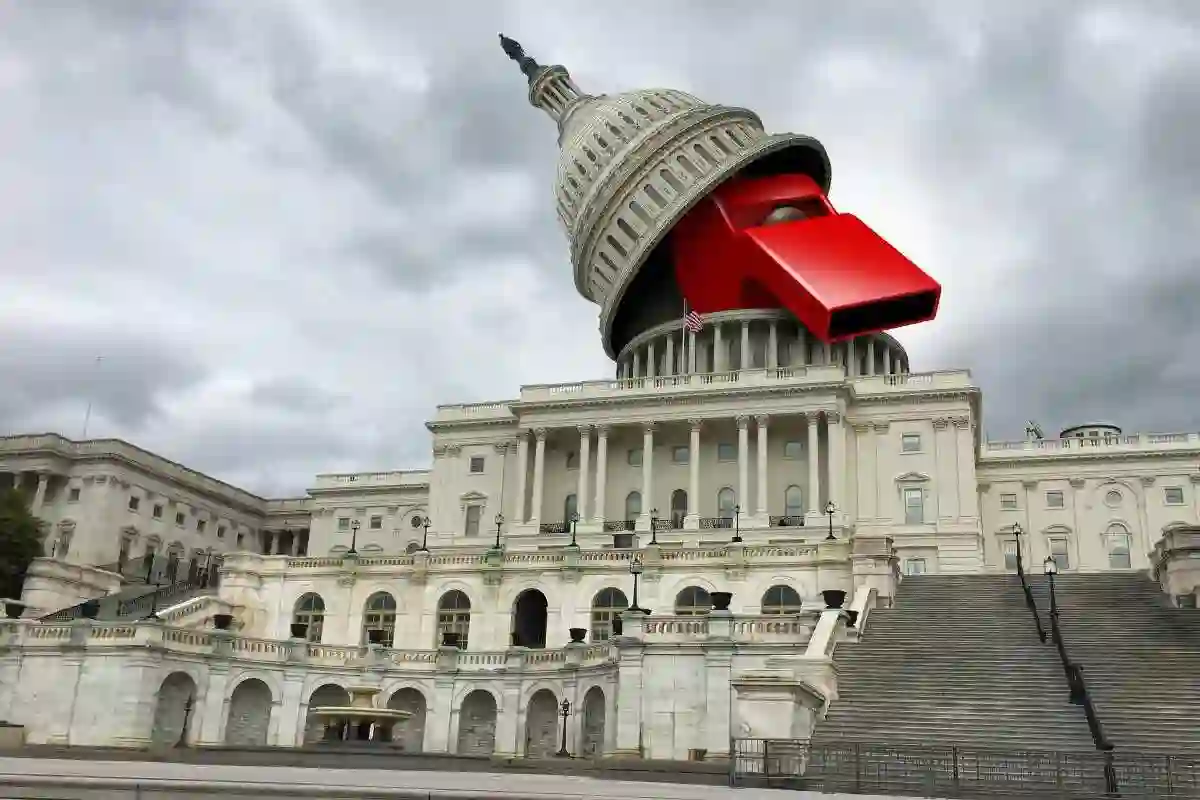
The Act’s impact extends beyond individual protection to create systemic change in corporate governance. Companies must now establish whistleblower programs with clear reporting mechanisms and investigation procedures, fostering environments where ethical concerns can be raised without fear of reprisal.
WHISTLEBLOWER PROGRAMS: PURPOSE, PROTECTIONS, REWARD, ELIGIBILITY & REPORTING
|
Program |
Purpose & Scope | Legal Protections | Reward Structure | Eligibility Criteria |
Reporting Process |
|
SEC Whistleblower Program |
Detects securities violations, accounting fraud, and investment adviser misconduct affecting public companies and financial markets |
Anti-retaliation provisions under Dodd-Frank Act; job reinstatement, back pay, and compensatory damages | 10-30% of monetary sanctions exceeding $1 million | Original information about securities law violations; voluntary submission required | Submit Form TCR online through SEC website or mail; attorney representation recommended |
|
CFTC Whistleblower Program |
Identifies derivatives fraud, manipulation of commodity markets, and violations of the Commodity Exchange Act |
Employment protection against retaliation; remedies include reinstatement and double back pay | 10-30% of monetary sanctions over $1 million | Original information about CFTC violations; must be voluntarily provided | File Form TCR with CFTC; can submit anonymously through attorney |
|
IRS Whistleblower Program |
Exposes tax evasion, unreported income, and fraudulent tax schemes by individuals and corporations | Limited anti-retaliation protections; primarily through other employment laws | 15-30% of collected proceeds for cases involving $2+ million in tax, penalties, and interest | Information about significant tax underpayments; substantial tax liability threshold |
Submit Form 211 to IRS Whistleblower Office; detailed documentation required |
| False Claims Act (FCA) |
Combats fraud against federal government programs including Medicare, defense contracting, and grant fraud |
Strongest anti-retaliation protections; double back pay, special damages, attorney fees | 15-30% of government recovery in qui tam lawsuits | Knowledge of false claims submitted to government; first-to-file rule applies |
File sealed complaint in federal court; government investigates and decides whether to intervene |
|
OSHA Whistleblower Protection |
Protects workers reporting safety violations, environmental hazards, and retaliation across 23 federal statutes |
Job reinstatement, back pay, compensatory damages, and attorney fees | No monetary rewards; focus on employment protection | Employees who report workplace safety violations or refuse unsafe work | File complaint with OSHA within statutory deadlines (30-180 days depending on law) |
|
EPA Whistleblower Program |
Addresses environmental violations, pollution incidents, and regulatory non-compliance |
Anti-retaliation protections under multiple environmental statutes | No direct monetary rewards through EPA program | Employees reporting environmental law violations |
Report to EPA through online portal, hotline, or regional offices |
|
DOL Whistleblower Programs |
Covers wage and hour violations, workplace safety, and employee benefit plan fraud |
Reinstatement, back pay, and compensatory damages under various labor laws | No monetary rewards; employment protection focus | Workers reporting labor law violations |
File complaints with appropriate DOL agency within statutory timeframes |
|
FDA Whistleblower Program |
Identifies drug safety issues, medical device problems, and food safety violations |
Limited retaliation protections; primarily through other employment laws | No direct monetary rewards | Information about FDA-regulated product violations |
Report through FDA’s MedWatch system or other agency channels |
|
CFPB Whistleblower Program |
Exposes consumer financial protection violations by banks, credit unions, and financial service providers |
Anti-retaliation provisions under Dodd-Frank Act | No monetary rewards currently; employment protection focus | Information about consumer financial law violations |
Submit complaints through CFPB website or consumer complaint database |
|
PCAOB Whistleblower Program |
Identifies audit failures, independence violations, and misconduct by public accounting firms |
Anti-retaliation protections for audit firm employees | No monetary rewards; regulatory enforcement focus | Information about auditing standard violations or PCAOB rule violations |
Report through PCAOB’s confidential tip line or online portal |
Understanding the False Claims Act (FCA)
The False Claims Act represents one of the most powerful tools in combating fraud against the federal government. This federal statute imposes liability on individuals and companies who defraud governmental programs through false or fraudulent claims for payment.
Key FCA Provisions:
- Treble Damages: Violators face penalties of three times the government’s actual damages
- Civil Penalties: Additional fines ranging from $14,308 to $28,619 per violation.
- Qui Tam Actions: Private citizens can file lawsuits on behalf of the government
Treble damages
- Calculation: For each false claim submitted, the total liability includes a civil penalty plus three times the amount of the government’s damages.
- Example: If a contractor knowingly overcharges the government by $10 million, their liability would be $30 million in treble damages, plus penalties for each false claim submitted.

Civil penalties
- Amount: The specific penalty amount is set by statute and is periodically adjusted for inflation. As of July 3, 2025, FCA civil penalties range from $14,308 to $28,619 per violation.
- Application: These penalties are assessed on a per-claim basis. A single fraudulent scheme involving hundreds or thousands of false claims can quickly result in millions of dollars in total penalties.
- Factors: When determining the exact penalty, a judge may consider factors like the severity of the misconduct and acceptance of responsibility. A jury determines the number of individual violations.
Why is protection for whistleblowers important?
The importance of having protections for whistleblowers cannot be overstated. Whistleblowers play a critical role in holding businesses and industries accountable and they also protect taxpayer dollars. Blowing the whistle on fraud or any other illegal activity that goes against the public interest benefits the government and its people.
That is why the U.S. government offers incentives and protections to those who share credible information with them, and why greater emphasis is being placed on whistleblower programs and the need to protect those individuals willing to come forward and expose fraud being committed against the government.
Encouraging employees to report instances of misconduct ultimately benefits consumers and shareholders alike. Investors can expect greater transparency from corporations and a risk reduction. Similarly, customers can expect higher standards of corporate behavior.
How can the law help protect whistleblowers?
Federal and state laws protect whistleblowers in many cases. For example, the Sarbanes-Oxley Act protects employees who report financial misconduct at publicly traded companies. Likewise, the Dodd-Frank Wall Street Reform and Consumer Protection Act protects employees who report misconduct against companies in the financial industry. The False Claims Act protects whistleblowers who report fraud against the government.
Many employees mistakenly believe that they are protected by company policy alone. This is not the case. On the contrary, employers often can terminate or otherwise retaliate against employees who report misconduct. Therefore, the law needs to continue to evolve and protect whistleblowers from the harmful effects of retaliation.
Final Thoughts from a Nashville Whistleblower Attorney
The growth in whistleblower programs has led to an increase in the importance of protecting whistleblowers. This is especially true in light of the global financial crisis, during which many companies engaged in fraud or misconduct. If you know or have evidence that your employer is acting illegally or unethically and you are thinking of blowing the whistle, call an experienced Nashville whistleblower attorney.
A Nashville whistleblower attorney can explain the entire process and give you their opinion of the merits of your case.
