Introduction
- Exhaustive Guide to Investor Protection: This comprehensive and authoiritative guide will discuss everything you neeed to know about internal controls, including the typles, how to implement a robust internal control framework, the consequneces of weak internal controals and much more.
- Securities Class Actions: Often arises when there are allegations of misrepresentation or omission of critical information by a corporation, leading to financial losses for investors. As such, implementing strong governance frameworks is paramount in preempting these legal challenges and safeguarding the interests of shareholders.
- Complexities of Securities Class Actions: Requires a thorough understanding of both legal and financial intricacies. These lawsuits typically involve intricate fact patterns and require substantial evidence to prove that a company’s actions directly led to financial harm for its shareholders.
- Holding Corporations Accountable: These securities class actions serve to hold corporations accountable for fraudulent activities, misrepresentations, or other violations of securities laws that may harm shareholders. By providing a means for investors to recover losses, securities fraud class actions not only offer restitution but also act as a deterrent against future corporate wrongdoing.
- Remedy for Investors: Investors who believe they have been wronged can file securities class actions under this act to claim compensation for their losses. The judicial system, through securities litigation, enforces compliance with disclosure requirements and penalizes those who attempt to defraud investors. This not only provides direct remedies for affected investors but also acts as a deterrent against future violations.
- Investor Protections: Investors who believe they have been wronged can file securities class actions to claim compensation for their losses. The judicial system, through securities litigation, enforces compliance with disclosure requirements and penalizes those who attempt to defraud investors. This not only provides direct remedies for affected investors but also acts as a deterrent against future violations.
- Internal Controls: Have become a bigger trigger for securities litigation since the Sarbanes-Oxley Act of 2002 came into effecect.
- Transparency: A company must provide timely, accurate, and transparent disclosure of its financial performance, operations, and risks to stakeholders. This builds trust and gives investors a clear idea of the company’s direction.
- Changing Corporate Policies: Additionally, securities class actions can lead to significant policy changes within companies, prompting reforms that enhance corporate governance practices and mitigate future risks. By understanding the intricacies of these legal proceedings, investors are better equipped to navigate the potential pitfalls of the market.
If you need reprentation in securities class action lawsuits, or if you have additional questions about investor protection, call Timothy L. Miles today for a free case evaluation today at no charge. 855-846-6529 or [email protected] (24/7/365).

What Is Investor Protection?
Regulatory bodies that are vitial to investor protections
- Securities and Exchange Commission (SEC): As the primary federal regulator, the SEC enforces securities laws, oversees key market participants, and promotes the disclosure of important information. It provides investor education and investigates securities fraud.
- Financial Industry Regulatory Authority (FINRA): This is the largest non-governmental regulator for securities firms operating in the U.S. FINRA is overseen by the SEC and is dedicated to investor protection and market integrity.
- Securities Investor Protection Corporation (SIPC): A non-profit, member-funded corporation created by federal law, the SIPC restores customers’ cash and securities up to certain limits if a brokerage firm fails.
Important securities laws
- Securities Act of 1933: This law, often called the “truth in securities” law, mandates that investors receive financial and other significant information about securities being offered for public sale. It also prohibits fraud in the sale of securities.
- Securities Exchange Act of 1934: This act created the SEC and gives it broad authority over all aspects of the securities industry. It regulates the secondary market to ensure trading is fair and transparent.
- Dodd-Frank Wall Street Reform and Consumer Protection Act (2010): This legislation was passed in response to the 2008 financial crisis to increase transparency and accountability. It expanded the SEC’s powers and included an “Investor Protection Act” that increased whistleblower protections.
Investor protection in practice
- Market integrity: Regulations aim to prevent insider trading, market manipulation, and other fraudulent practices.
- Information disclosure: Companies are required to provide accurate and timely financial and operational information so that investors can make educated decisions.
- Professional conduct: Rules are in place to ensure that brokers and investment advisors act with due care and skill, and in the best interests of their clients.
- Dispute resolution: Mechanisms like arbitration are available to resolve disputes between investors and brokerage firms.
- Education: Agencies like the SEC and FINRA provide resources and educational materials to help the public understand investing and avoid scams.
Investor Protection and Corporate Governance
- Shareholder Rights: Investor protection and corporate governance are deeply intertwined, with good corporate governance practices acting as the internal corporate mechanisms that protect investors, both minority shareholders and creditors, from expropriation by company insiders.
- Effectivness of Investor Protection: While formal legal frameworks establish the rights of investors, governance determines the effectiveness of those protections in practice.
- Robust Regulatory Frameworks: Protect investors while ensuring access to financial advice and choice in how they invest while advocating for balanced oversight that promotes both investor protection and market efficiency.
The relationship between governance and protection
- Mitigating expropriation. Corporate governance provides safeguards against insiders diverting profits or assets for personal gain through mechanisms such as transfer pricing, overpaying executives, or undervaluing assets.
- Enhancing transparency. Transparent financial reporting and disclosure are fundamental principles of good governance. By providing accurate and timely information, a company empowers investors to make informed decisions and reduces the risk of fraud and market manipulation.
- Creating accountability. Corporate governance structures, particularly the board of directors, are designed to hold management accountable for their decisions. When the board operates with integrity and independence, it ensures that management acts in the best interests of shareholders.
- Improving access to capital. Firms with better governance are perceived as lower-risk investments. This makes them more attractive to a wider range of investors, including institutional investors and venture capitalists, and often grants them better access to capital and lower costs of borrowing.
Key mechanisms within corporate governance
- Board of Directors: An independent and diverse board provides objective oversight of management, reducing conflicts of interest and ensuring that the company’s strategy serves all shareholders.
- Shareholder Rights: These include voting power (such as “one share, one vote” rules), the right to elect and remove directors, and the ability to submit shareholder proposals. Strong shareholder rights prevent management entrenchment and ensure accountability.
- Transparent Financial Reporting: This practice involves timely and accurate disclosure of financial results, executive compensation, and other material information. This allows investors to properly assess the company’s health and performance.
- Internal Audits and Controls: These processes ensure compliance, detect and deter fraud, and provide another layer of monitoring over the company’s operations and financial reporting.
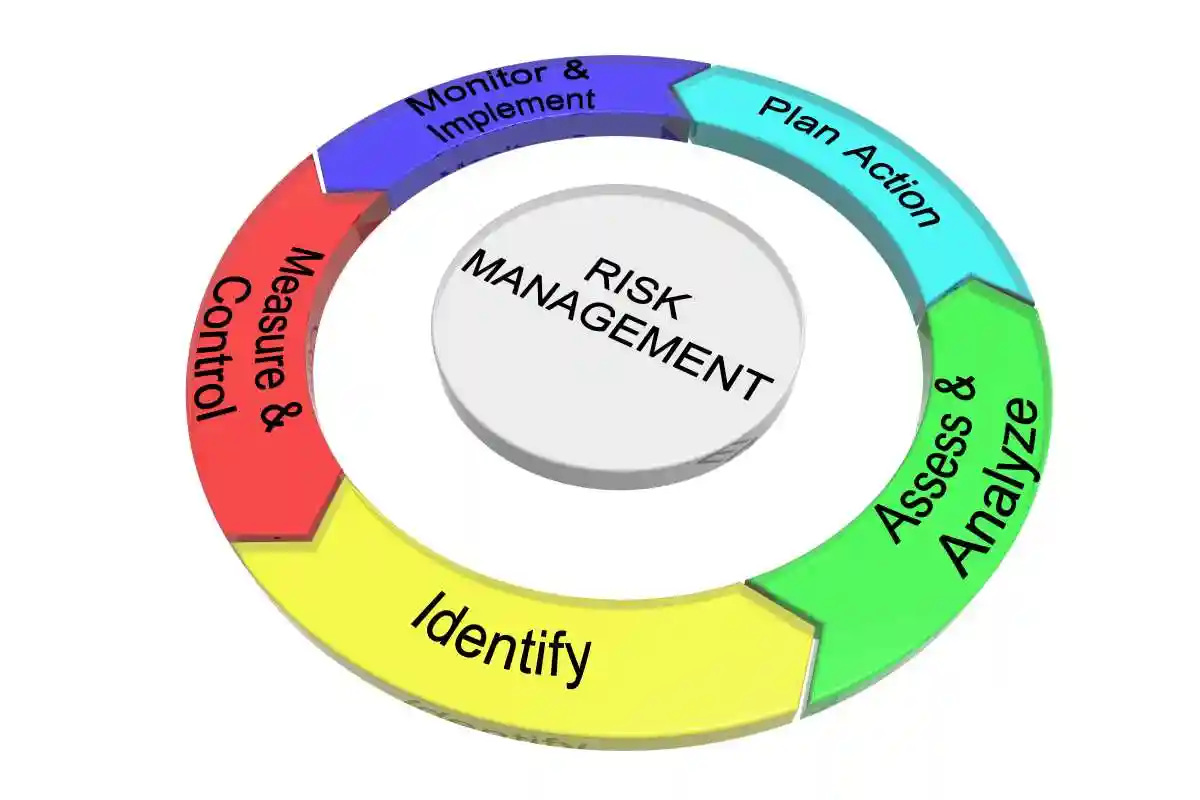
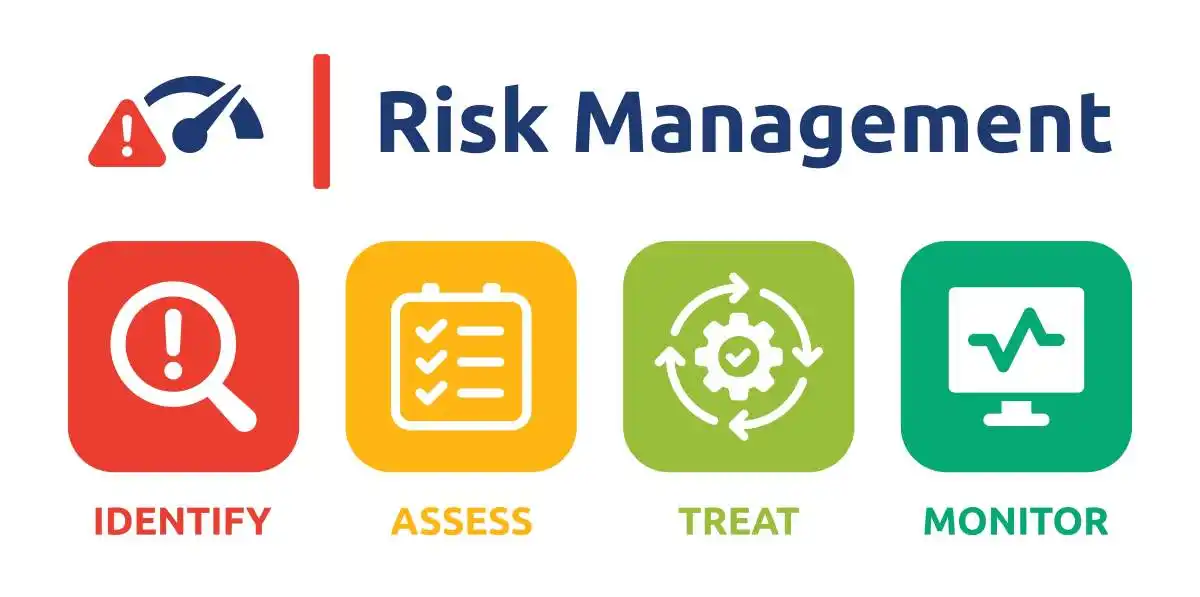
- Risk Management Frameworks: Good governance involves identifying, assessing, and mitigating operational and financial risks, thereby protecting shareholder value.
The consequences of weak corporate governance
- Financial Mismanagement: Weak controls and fraudulent accounting practices can mislead investors and destroy value.
- Erosion of Trust: A lack of transparency and accountability and robust governance leads to lost investor confidence and reputational damage.
- Negative Impact on Markets: The collapse of a major company due to poor governance can cause ripple effects throughout an entire financial system.
Understand the Core Types of Internal Controls
A robust internal control environment relies on a strategic blend of control types to help organizations achieve objectives and minimize risk. The two primary categories are preventive and detective controls, with many leading frameworks further distinguishing directive and corrective controls for comprehensive coverage:
- Understand the Core Types of Internal Controls: A robust internal control environment relies on a strategic blend of control types to help organizations achieve objectives and minimize risk.
- The two primary categories are preventive and detective controls, with many leading frameworks further distinguishing directive and corrective controls for comprehensive coverage:
-
- Preventive Controls: Proactively deter errors or undesirable events before they occur. Examples include system access restrictions, segregation of duties, approval thresholds, background checks, and physical security measures. Automated preventive controls are especially effective at reducing human error.
-
- Detective Controls: Identify and flag issues after they happen, ensuring problems are surfaced before escalating. Typical detective controls include inventory counts, account reconciliations, exception reporting, and audit trails.
Internal audit vs. internal control: function vs. system
It is almost impossible to talk about internal audit without mentioning internal controls, since both are needed for an effective risk management strategy.
- Interna; Controls. Are the ongoing policies, procedures, and activities management designs and operates every day to mitigate risk and achieve objectives. Internal audit is the independent and policies, procedures, and activitie that periodically evaluates whether the control system is well-designed and operating effectively, then reports findings to executive leadership and the audit committee.
- Internal Audit: While management is responsible for identifying risks and implementing controls to mitigate them, internal audit evaluates whether those controls are designed and operating effectively. Auditing internal control procedures reduces errors and fraud, improves the accuracy of financial reporting, increases operational efficiency, and strengthens a company’s reputation and credibility.
- Risk Identificatopm” Internal audit teams help organizations assess controls by evaluating the risk identification process, advising on control design and implementation, performing control testing, and conducting operational audits, compliance audits, and fraud investigations.
What are internal control objectives in auditing?
A control objective is the reason a control exists, typically written as a statement of how a particular risk will be managed. Control objectives from the COSO Internal Control — Integrated Framework fall into three categories: operational, reporting, and compliance.
Operational objectives
Operational objectives center on improving business operations. Examples include performance reviews, physical safeguards of assets, training and coaching, review and approval processes, and segregation of duties.
Reporting objectives
Reporting objectives relate to trustworthy and timely reporting, including compliance with AS 2201 standards for internal control over financial reporting. Examples include spending authorization, reviews and approvals, verification, budget reconciliations, and password protections.
Compliance objectives
Compliance objectives cover adherence to state and federal laws and industry regulatory requirements. Examples include data verification, training, and regular review of and adherence to policies and procedures manuals.
How do auditors test internal controls?
Determining which controls to test depends on the size and complexity of the organization, the nature of the business, and a risk assessment that identifies in-scope business units, processes, and applications.
- Controls associated with in-scope processes are then risk-ranked, which drives the extent of testing.
- Testing internal controls involves procedures to evaluate the design and the operating effectiveness of a control in preventing or detecting material misstatements. The audit team documents procedures and results, including any deficiencies or weaknesses, and confirms timely remediation. Importantly, PCAOB AS 1105 — effective for fiscal years beginning after December 15, 2025 — now requires auditors to specifically evaluate the reliability of external information provided in electronic form, adding a new documentation requirement for technology-assisted audit evidence. Results are shared with management, executive leadership, and other stakeholders on a periodic basis.
- Directive Controls: Establish expectations by guiding employee behavior through policies, training programs, standards, and codes of conduct. While not always sufficient alone, directive controls shape organizational culture and reinforce compliance.
- Corrective Controls: Address issues once detected to restore operations to their intended state. This includes data backup restoration, incident response plans, journal entry corrections, restatements, system patches, and disciplinary actions. Corrective controls should be tested regularly to ensure effectiveness in real-world scenarios.
The optimal internal control framework integrates these categories—balancing proactive prevention with vigilant detection and responsive correction—while ensuring clear guidance through directive measures. Regular review and rigorous testing of all control types are essential to maintain resilience in the face of evolving risks.
Effectivness of Investor Protection
- Strong investor protection: Is the backbone of healthy financial markets. It gives everyday buyers the confidence to put their money into businesses. In the United States, watchdog agencies like the U.S. Securities and Exchange Commission (SEC) use laws to stop company insiders from stealing or misusing shareholder funds.
-
Less Risk Means More Money: When rules protect minority shareholders from controlling executives, people feel safer investing their money. This confidence lets companies raise the money they need to grow.
- Higher Growth: Studies show that places with strong legal protections for investors have bigger, healthier stock markets. Investors avoid putting their money into companies with weak internal controls.
- Weak Corporate Governance: There is now growing evidence that investors avoid investing in companies or countries that display weak corporate governance.
Investor Protection and Shareholder Rights
Shareholder rights
Shareholder rights of common shareholders
Investor protection mechanisms
- Regulatory bodies: Agencies such as the SEC and FINRA enforce securities laws to protect against issues like fraud and insider trading.
- Legal safeguards: Laws like the Securities Act of 1933 and the Securities Exchange Act of 1934 require disclosures and promote fair trading practices.
- Minority shareholder protections: Regulations exist to protect minority investors from potential harm by controlling shareholders.
- Dispute resolution: Mechanisms like arbitration or legal action in court are available to resolve disputes.
How they work together
Challenges to investor protection
Investor Protection and Internal Controls
1. Periodic reporting
- Forms 10-K and 10-Q: Annual (10-K) and quarterly (10-Q) reports provide investors with a comprehensive overview of a company’s financial performance, risks, and management’s analysis of operations. These disclosures help prevent fraud and give investors access to the same information, promoting fairness.
- Form 8-K: This “current report” notifies investors of major events that shareholders should know about in real time, such as acquisitions, departures of top executives, or bankruptcy.
2. Prohibition of selective disclosure
- Prevents selective information sharing: Reg FD prevents companies from disclosing important, non-public information to select groups, such as market analysts or large institutional investors, before making it available to the public.
- Ensures a level playing field: This rule ensures that a company’s management cannot give an unfair advantage to certain investors, which helps build trust and maintain market integrity.
3. Accountability and reliability
- Sarbanes-Oxley Act of 2002 (SOX): Passed after major accounting scandals, SOX requires chief executives and chief financial officers to personally certify the accuracy of their company’s financial statements.
- This holds management directly accountable and provides investors with greater assurance in the reported numbers.
- Independent audits: Public companies are required to have their financial statements audited by an independent accounting firm. This external verification helps ensure that the financial reports are reliable and conform to established accounting principles.
Challenges and evolution of reporting requirements
- Modernization of disclosures: The SEC has been working to modernize disclosure rules to improve the delivery and accessibility of information, such as mandating digital delivery of shareholder reports.”
- ESG disclosure: New rules for Environmental, Social, and Governance (ESG) investment practices are being proposed to bring enhanced transparency, aiming to mitigate potential “greenwashing” by placing increased accountability on investment advisors.
- Compliance costs: A persistent concern is the cost of compliance, especially for smaller funds, who may bear a disproportionate burden in meeting evolving and more frequent reporting requirements.
How reporting requirements protect investors
- Informed decision-making: Transparent and timely reporting gives investors the necessary data to evaluate a company’s performance, strategies, and risks, allowing them to make educated choices.
- Fraud deterrence: The threat of legal penalties for misleading statements or material omissions, alongside mandatory disclosures, acts as a powerful deterrent against fraud and deception.
- Market stability: Widespread access to reliable information reduces uncertainty and information asymmetry in the market, which promotes fairness, efficiency, and overall market stability.
Investor Protection and Securities Class Actions
How securities fraud class actions provide investor protection
1. Investor protection through Aggregating claims
- Overcoming cost barriers: Securities fraud often causes small losses for many individual investors. The high cost of individual litigation makes it infeasible for most to sue on their own. Class actions allow investors to pool their resources, making it financially viable to pursue legal action against large corporations.
- Consolidating cases: By combining many similar individual claims into a single lawsuit, class actions streamline the legal process and ensure consistent outcomes for all affected investors.
2. Investor protection through Providing compensation
- Recovery of losses: If a securities fraud class action results in a settlement or judgment, investors who were harmed by the corporate wrongdoing can receive compensation for their losses. For example, the Enron securities class action resulted in over $7 billion in settlements.\
- Equal access to recovery: The securities fraud class actions structure ensures that all affected investors have access to compensation, regardless of their financial position or legal knowledge. Members of the class can submit a claim and potentially receive a portion of the settlement without individually hiring a lawyer or managing the litigation.
3. Investor protection through Deterring fraud and promoting accountability
- Encouraging good governance: The threat of a class action lawsuit—with its potential for substantial financial penalties and reputational damage—incentivizes companies to maintain strong corporate governance, controls, and disclosure standards.
- Holding wrongdoers accountable: By holding companies and executives accountable for their actions, these lawsuits reinforce the principle of fairness and honesty in the market. This fosters greater investor confidence and market stability.
The impact of the PSLRA
- Discouraging nuisance suits: The PSLRA introduced stricter pleading standards, requiring plaintiffs to provide specific and particularized allegations of fraud before discovery can begin. This was intended to filter out weak cases and prevent speculative “fishing expeditions”.
- Empowering institutional investors: The Act introduced the “lead plaintiff” provision, which presumes the investor with the largest financial stake should lead the case. This was meant to empower institutional investors, like pension funds, who have the resources and expertise to oversee the litigation and negotiate for the best outcome for the entire class.
- Promoting higher settlements: Studies have found that cases led by institutional investors often result in higher settlement values for the class.
THE SECURITIES LITIGATION PROCESS
| Filing the Complaint | A designated lead plaintiff initiates legal proceedings by filing a detailed lawsuit on behalf of similarly affected shareholders. The complaint must comprehensively outline specific allegations regarding accounting fraud and securities law violations, supported by substantial evidence of wrongdoing. This critical first step establishes the foundation for the entire securities litigation process. |
| Motion to Dismiss | Defense counsel typically responds by filing a motion to dismiss the securities class action lawsuits, arguing that the complaint lacks sufficient legal merit or fails to meet stringent pleading requirements. This defensive strategy aims to terminate the litigation before discovery begins, testing the strength of the plaintiff’s initial claims. |
| Discovery | When motions to dismiss fail, both parties engage in extensive evidence gathering, including document collection, email reviews, and witness depositions. This comprehensive phase of securities litigation often reveals critical details about potential financial statement fraud and control weaknesses, frequently spanning many months or even years. |
| Motion for Class Certification | Plaintiffs’ attorneys petition the court to formally certify the securities litigation as a class action, requiring detailed analysis of various factors including: the size of the affected investor group, commonality of legal claims, typical nature of allegations, and adequacy of proposed class representation. This certification dramatically expands the scope and impact of the litigation. |
| Summary Judgment and Trial | After class certification, parties may seek summary judgment to resolve the case without trial. If unsuccessful, the securities litigation proceeds to trial – though this outcome remains relatively rare, as most cases settle before reaching this stage. Trials involve extensive presentation of evidence and expert testimony regarding alleged fraudulent activities. |
| Settlement Negotiations and Approval | The vast majority of securities litigation cases conclude through negotiated settlements, often facilitated by experienced mediators. These agreements typically involve substantial monetary payments and corporate governance reforms. Courts must carefully review and grant preliminary approval to ensure settlements fairly and adequately compensate affected investors. |
| Class Notice | Following preliminary settlement approval, detailed notices are distributed to all potential class members, typically through mail and electronic communications. These notices explain settlement terms, claim filing procedures, and critical deadlines, ensuring affected investors can participate in recovery. |
| Final Approval Hearing | Courts conduct comprehensive final hearings to review potential objections and assess overall settlement fairness. This crucial step ensures proper protection of all class members’ interests before granting final approval of the securities litigation resolution. |
| Claims Administration and Distribution | Court-appointed administrators manage the complex process of notice distribution, claim processing, and fund allocation. Settlement funds are typically distributed proportionally based on recognized losses, with sophisticated calculations determining individual investor recoveries. This final phase ensures proper compensation reaches affected shareholders. |
Examples of Improved Corporate Governance or Compliance After a Securities Class Action Lawsuit Actions
Case study examples
Enron Corporation (2001)
WorldCom, Inc. (2002)
Alphabet Inc. (Google)
Compass Minerals International Inc. (2025)
Common governance and compliance improvements
Other Non-Monetary Relief Included in Settlement Agreements
Internal program and policy improvements
- Compliance monitoring: To ensure that companies are fulfilling their obligations, settlement agreements may require compliance monitoring and enhanced governance. This can involve third-party audits or self-reporting mechanisms for a specified period to demonstrate adherence to new policies.
- Enhanced compliance programs: Companies may be required to revise and improve internal compliance programs and governance. This can involve implementing new training for employees and executives on securities laws, ethics, and proper disclosure practices.
- Specialized personnel: In cases involving specific areas of misconduct, such as cybersecurity, a company might agree to hire or create a dedicated cybersecurity director or committee. This commitment can carry a significant, ongoing financial cost to the company.
- Restructuring: Settlements can include mandates for restructuring operations to prevent future issues. For instance, in an Alphabet Inc. settlement, the company agreed to create a new board committee specifically for risk and compliance oversight.
Changes to shareholder rights and disclosures
- Enhanced shareholder rights: In some cases, class action settlements have mandated that companies increase shareholder power. Examples include allowing lead plaintiff’s counsel to solicit and submit candidates for the board of directors.
- Disclosure enhancements: Beyond standard periodic reporting, settlements can require companies to disclose additional information. For example, a company might have to disclose more detail on its controls or how it handles risk.
- Restrictions on insider trading: To prevent insider trading that led to the lawsuit, a settlement could restrict when company insiders are allowed to sell stock, especially when the company is repurchasing its own shares.
Future conduct undertakings and oversight
- Conduct-based injunctions: Courts can issue injunctions that prohibit a defendant from engaging in conduct that, while not inherently illegal, could still pose a risk of future harm to investors.
- Independent monitors: A settlement may include the appointment of an independent monitor to oversee the company’s operations and compliance with the settlement terms. The company must bear the cost of this oversight.
- Third-party assessments: In areas like cybersecurity, a company might agree to implement more robust testing and risk assessments conducted by independent experts.
Investor Protection and SOX Enforcement
Key SOX provisions and enforcement enhancing investor protection
- Section 302: Corporate Responsibility for Financial Reports. Requires that a company’s CEO and CFO personally certify the accuracy and completeness of quarterly and annual financial reports filed with the SEC. Enforcement action can result from executives failing to properly review financial reports, controls, or disclosure procedures.
- Section 404: Management Assessment of Internal Controls. Mandates that management issue a report on the effectiveness of the company’s controls over financial reporting. An external auditor must also attest to this assessment for larger companies. Weaknesses in controls are a major enforcement focus, as they indicate a higher risk of fraud or error in financial reporting.
- Section 906: Penalties for False Certification. Imposes severe criminal penalties—including fines of up to $5 million and 20 years in prison—for executives who willfully certify misleading or fraudulent financial statements. This provision holds executives personally accountable for the integrity of their financial reporting.
- Whistleblower Protection. SOX protects employees who report fraudulent activity within their organization from retaliation, encouraging and enabling the reporting of misconduct.
Enforcement bodies
- Securities and Exchange Commission (SEC). The SEC is the primary enforcer of SOX. It can bring both civil and criminal charges against individuals and companies that violate the Act. Enforcement actions often result in civil fines, disgorgement of illegal profits, and injunctions.
- Public Company Accounting Oversight Board (PCAOB). The PCAOB is a nonprofit corporation established by SOX to oversee the audits of public companies. It sets auditing and ethics standards, conducts inspections of audit firms, and enforces rules through penalties. PCAOB enforcement actions ensure that independent auditors are held to high standards, adding another layer of investor protection.
SOX enforcement and investor protection
- Prevent and deter fraud. The credible threat of severe penalties discourages fraudulent behavior.
- Ensure reliable financial reporting. Mandatory control assessments and independent audits reduce the risk of financial restatements and misstatements.
- Increase accountability. Personal certification requirements for CEOs and CFOs foster a culture of integrity and ethical conduct within corporations.
- Restore investor confidence. By addressing the root causes of financial scandals SOX has been highly effective in rebuilding public confidence in the securities markets.
Challenges in enforcement
Notable Cases of SEC Enforcement of SOX Violations
False financial certifications
- The violation: The CEO, Marc Sherman, allegedly certified that he participated in management’s assessment of controls, but failed to do so.
- The misconduct: The executives were accused of directing and participating in schemes to improperly accelerate the recognition of inventory and accounts receivables, while certifying that they had disclosed all significant deficiencies.
Internal control failures
- The violation: Monsanto booked substantial revenue from sales incentivized by rebate programs but failed to properly record the associated costs, which materially misstated the company’s consolidated earnings over a three-year period.
- The penalty: Monsanto agreed to pay an $80 million penalty and hire an independent compliance consultant.
- The violation: The company wrongly recognized discounts and maintained misleading contracts to make its financial performance appear better than it was, resulting in a restatement of $208 million in improperly recognized cost savings.
- The penalty: Kraft Heinz paid a $62 million penalty, while the executives involved paid individual penalties and faced prohibitions from serving as officers or directors.
Retaliation against whistleblowers
- The violation: The firm entered into confidential severance agreements that improperly forced departing employees to waive their right to receive whistleblower awards.
- The penalty: J.P. Morgan was fined $18 million for this standalone violation.
Off-channel communications
- The violation: Employees, including senior executives, at these firms engaged in business-related communications on personal devices via unapproved “off-channel” applications like text messages.
- The penalties: The SEC imposed massive combined penalties, with firms that self-reported receiving lighter penalties. This series of enforcement actions underscores the SEC’s emphasis on accountability for preserving records.
Investor Resources: Where to Find Help
Government regulatory resources
- Securities and Exchange Commission (SEC): Provides comprehensive investor education materials, complaint filing systems, and searchable databases of enforcement actions
- FINRA (Financial Industry Regulatory Authority): Offers BrokerCheck service to verify advisor credentials and disciplinary history
- State securities regulators: Provide localized investor protection services and often handle smaller cases that federal agencies may not pursue
- Department of Justice (DOJ) Fraud Section: Handles criminal prosecution of significant securities fraud cases
Educational platforms for investor knowledge
- Investor.gov: SEC’s dedicated educational portal with resources on investment basics, fraud prevention, and securities markets
- FINRA Investor Education Foundation: Offers research, tools, and programs to enhance financial capability
- Law school securities clinics: Provide free legal assistance to small investors through university-based programs
- Online learning platforms: Specialized courses on securities markets, corporate governance, and investor rights
Investor advocacy organizations
- Council of Institutional Investors (CII): Advocates for effective corporate governance standards and shareholder rights
- National Association of Investment Companies (NAIC): Provides educational resources and investment club support
- Better Business Bureau (BBB): Helps investors research company reputations and report problematic business practices
- Consumer Federation of America: Advocates for investor protection at the policy level
Legal resources for securities matters
- Experienced securities attorneys: Provide consultation on potential claims and representation in litigation
- Bar association referral services: Help locate qualified securities litigation attorneys in your jurisdiction
- Class action clearinghouses: Provide information on pending securities class actions and claim filing procedures
- Legal aid organizations: Offer assistance to low-income investors facing securities fraud issues
- National Investor Relations Institute: NIRI is the largest professional investor relations association in the world with members representing over 1,500 publicly held companies and $12 trillion in stock market capitalization.
Professional financial guidance:
- Certified Financial Planners (CFPs): Provide fiduciary financial planning with ethical obligations to clients
- Chartered Financial Analysts (CFAs): Offer investment analysis with strict ethical standards
- Forensic accountants: Specialize in identifying financial reporting irregularities and fraud
- FINRA arbitration system: Provides alternative dispute resolution for broker-client disputes
Market information and research tools:
- EDGAR database: SEC’s repository of all public company filings and disclosure documents
- Bloomberg Terminal: Comprehensive financial information platform (subscription-based)
- Financial media outlets: Specialized business news covering corporate developments and market trends
- Proxy advisory services: Provide analysis of corporate governance issues and voting recommendations
Whistleblower support resources:
- SEC Whistleblower Office: Handles tips from individuals reporting securities violations
- National Whistleblower Center: Provides advocacy and support for individuals reporting corporate wrongdoing
- Whistleblower attorney: Offer legal representation for individuals considering reporting securities violations
- Corporate ethics hotlines: Internal reporting mechanisms required under Sarbanes-Oxley
Corporate governance information sources
- Institutional Shareholder Services (ISS): Provides corporate governance ratings and analysis
- Glass Lewis: Offers proxy research and governance analysis
- Corporate governance research centers: Academic institutions studying governance best practices
- Shareholder activism databases: Track campaigns and outcomes of investor activism
Academic Institutions
International investor protection resources
- International Organization of Securities Commissions (IOSCO): Coordinates global securities regulation
- Financial Action Task Force (FATF): Combats money laundering and financial fraud internationally
- Country-specific investor compensation schemes: Protect against broker insolvency in various jurisdictions
- Cross-border investment dispute resolution mechanisms: Address international securities claims
- European Corporate Governance Institute: Website includes a collection of working papers, many of which are based on U.S. public company data.
Industry-specific monitoring organizations
- MSRB (Municipal Securities Rulemaking Board): Oversees municipal bond market
- NFA (National Futures Association): Regulates derivatives market participants
- PCAOB (Public Company Accounting Oversight Board): Oversees auditing profession
- Industry whistleblower groups: Focused on specific sectors with unique securities concerns
Investor community networks
- Investment clubs and associations: Provide peer support and collective learning
- Online investor forums: Facilitate information sharing about corporate accountability issues
- Shareholder activism networks: Connect investors interested in governance improvement
- Retail investor advocacy groups: Specifically champion smaller investor concerns in policy discussions
Conclusion
- As we look forw ard to 2027, the landscape of investor protection through securities litigation continues to evolve, underscoring the critical role of securities class actions in maintaining market integrity and accountability.
- This comprehensive and instructive guide serves as an invaluable resource for investors, legal practitioners, and corporate executives alike, emphasizing the importance of robust corporate governance frameworks.
- By examining recent case studies and regulatory changes, we can better understand how securities class actions have been instrumental in addressing corporate misconduct and safeguarding investor interests.
- The guide elucidates the procedural intricacies and strategic considerations inherent in securities litigation, providing a roadmap for effectively navigating these complex legal challenges. It highlights how proactive corporate governance practices can mitigate risks and enhance transparency, thereby fostering investor confidence.
- As regulatory bodies continue to tighten oversight and enforcement mechanisms, companies are increasingly incentivized to adopt best practices in governance, reducing the likelihood of litigation and enhancing long-term shareholder value.
- Furthermore, this guide underscores the collaborative efforts between regulators, policymakers, and market participants in fortifying the legal frameworks that protect investors. Through detailed analysis and practical insights, it equips readers with the knowledge to advocate for stronger protections and more equitable outcomes in securities markets.
- By reinforcing the significance of securities class actions and promoting sound governance, this comprehensive guide ultimately aims to contribute to a more resilient and trustworthy financial ecosystem by 2027.