
Introduction to the Hair Dye Cancer Lawsuits
Welcome to this authoritative analysis on Hair Dye Cancer Lawsuits. Hair dye is a routine purchase for millions of consumers and a core service line for salons. However, it has increasingly become a source of litigation. Over the past several years, plaintiffs have filed hair dye cancer lawsuits alleging that certain hair dye products, particularly darker and permanent formulations, contributed to cancers such as bladder cancer and various blood cancers, including non-Hodgkin lymphoma and leukemia. These cases often focus on long-term exposure, occupational use by cosmetology professionals, and allegations that manufacturers failed to provide adequate warnings about potential risks.
This article explains what hair dye cancer lawsuits generally allege, what the science and regulatory landscape do and do not establish, who tends to qualify for legal review, what evidence typically matters, and how to evaluate the next steps with discipline and realism.
If you had frequent exposure to hair dye products, and were diagnosed with cancer, contact Hair Dye Lawsuit Lawyer Timothy L. Miles yoday for a free case evaluation to see if you are eligible for a hair dye lawsuit and potentionally entitled to substantial compensation. The call is free and so is the fee unless we win or settle your case, so do not wait and call a Hair Dye Lawsuit Lawyer today. (855) 846-6529 or [email protected]

What “Hair Dye Cancer Lawsuits” Typically Involve
Hair dye cancer lawsuits are usually product liability claims. While the facts vary by case, they commonly assert one or more of the following legal theories:
- Failure to warn: The manufacturer allegedly did not provide reasonable warnings or instructions about potential carcinogenic risk associated with repeated use or prolonged exposure.
- Design defect: The formulation allegedly contained hazardous chemicals when safer alternative designs were feasible.
- Negligence: The manufacturer allegedly failed to exercise reasonable care in testing, monitoring, and communicating safety information.
- Misrepresentation or deceptive marketing: Product labeling or advertising allegedly implied safety that was not supported by internal data or emerging research.
These cases may be filed as individual lawsuits or consolidated in coordinated proceedings. In some instances, they may also fall under the category of class action lawsuits, where a large group of people collectively bring a claim to court. Such cases may also involve corporate lawsuits, particularly when large corporations are involved in the manufacturing of these products.
Not every set of claims becomes an MDL (multi-district litigation), and consolidation is not a determination of liability. It is a procedural tool that can help in managing similar claims more efficiently.
Why Litigation Has Accelerated
Plaintiffs’ firms have increased filings because hair dye use is widespread, exposure can be long-term, and certain cancers have high medical and financial consequences. From a governance perspective, the legal system tends to scrutinize products that combine three factors:
- Frequent consumer exposure
- Complex chemical formulations
- Risk signals that are contested, emerging, or unevenly communicated
In these disputes, the central question is often not whether hair dye is “safe” in a general sense. The question is whether a specific product, used in a specific pattern, plausibly contributed to a specific diagnosis and whether warnings and risk management were adequate at the time of sale.
If you had frequent exposure to hair dye products, and were diagnosed with cancer, contact Hair Dye Lawsuit Lawyer Timothy L. Miles yoday for a free case evaluation to see if you are eligible for a hair dye lawsuit and potentionally entitled to substantial compensation. The call is free and so is the fee unless we win or settle your case, so do not wait and call a Hair Dye Lawsuit Lawyer today. (855) 846-6529 or [email protected]
Cancers Most Commonly Alleged in Hair Dye Lawsuits
Claims vary by jurisdiction and plaintiff profile, but lawsuits frequently reference the following conditions:
Bladder Cancer
Bladder cancer has been a recurring focal point in hair dye litigation, particularly with long-term use of permanent dyes and darker shades. The bladder is a common endpoint for certain metabolites excreted in urine, which is one reason it appears in toxicology discussions and plaintiff allegations.
Non-Hodgkin Lymphoma (NHL)
Non-Hodgkin lymphoma is often alleged in cases involving repeated exposure to oxidative dyes and occupational exposure among hairdressers and barbers. Plaintiffs may argue that certain aromatic amines, dye intermediates, or contamination byproducts are relevant to risk.
Leukemia and Other Blood Cancers
Some complaints include leukemia, multiple myeloma, or related hematologic malignancies. These claims often require careful expert review because causation standards are demanding, and alternative risk factors must be addressed.
Important clarification: the fact that a cancer type is commonly alleged does not mean causation is established in any one individual case. Litigation requires individualized evidence.
In addition to these health concerns related to hair dye usage, there are also ongoing discussions about potential links between other medications like Dupixent and cancer risks. This highlights the broader implications of product safety and the need for thorough risk assessments across various sectors.
Moreover, it’s worth noting that the legal landscape around these issues isn’t limited to personal injury claims alone. There are also instances where securities class action lawsuits come into play, especially when companies fail to disclose potential risks associated with their products.

The Chemicals and Exposure Pathways Plaintiffs Commonly Cite
Hair dyes are complex mixtures. Plaintiffs’ allegations often focus on categories such as:
- Aromatic amines (historically a concern in certain dye chemistries)
- Oxidative dye intermediates used in permanent dyes
- Byproducts or contaminants that may arise from manufacturing, storage, or chemical reactions during use
- Sensitizers and irritants that may not be carcinogens but are cited as indicators of inadequate safety profiling
Exposure pathway matters. Most consumer hair dye is applied topically and rinsed, but lawsuits may highlight:
- Scalp absorption, especially with frequent use or compromised skin barrier
- Inhalation of aerosolized particles or fumes in salon settings
- Chronic occupational exposure through repeated handling without consistent glove use, ventilation, or protective protocols
From a risk governance standpoint, the occupational context often attracts attention because frequency, duration, and cumulative dose can be substantially higher than consumer use.
If you had frequent exposure to hair dye products, and were diagnosed with cancer, contact Hair Dye Lawsuit Lawyer Timothy L. Miles yoday for a free case evaluation to see if you are eligible for a hair dye lawsuit and potentionally entitled to substantial compensation. The call is free and so is the fee unless we win or settle your case, so do not wait and call a Hair Dye Lawsuit Lawyer today. (855) 846-6529 or [email protected]
What the Science Actually Says (and Why It Is Disputed)
Hair dye and cancer risk has been studied for decades, but conclusions are not always uniform. That is partly because “hair dye” is not a single exposure, and formulations have changed over time. Studies also differ in:
- Whether they separate permanent vs semi-permanent dyes
- Whether they analyze dark vs light shades
- Whether they evaluate personal use vs occupational exposure
- How they account for smoking, age, genetic factors, and other confounders
- How they define frequency and duration of use
Some epidemiological studies report no meaningful association for the general population, while others identify potential associations in certain subgroups, including long-term users, specific cancer types, or professional hairdressers. Litigation tends to concentrate on those subgroups, where plaintiffs argue the risk signal is stronger and warnings should have been clearer.
A disciplined way to interpret the research landscape is this: litigation often relies on the argument that evidence of risk is sufficient to require enhanced warnings and safety communication, even if population-level causation is debated.
Regulation, Labeling, and the Role of Warnings
In product liability cases, the adequacy of warnings can be as important as the formulation itself. A warning is not only a block of text. It is a governance mechanism that reflects how a company:
- Identifies potential hazards
- Assesses risk severity and probability
- Communicates risk in a usable way to real consumers and professionals
- Updates messaging as scientific knowledge evolves
Hair dye products typically include precautionary language about skin irritation, patch testing, and allergic reactions. However, cancer warnings are less common and often disputed in litigation. Plaintiffs may argue that consumers would have used the product differently, chosen alternatives, or reduced frequency if they had received clearer information about alleged long-term risks.
Defendants often respond that products comply with applicable regulations, that existing science does not justify cancer warnings for typical use, and that overly broad warnings can dilute attention to acute risks like allergic reactions.
Who Might Be Eligible to File or Join a Hair Dye Cancer Lawsuit
Eligibility is not solely determined by a medical diagnosis. It is a combination of exposure history, timing, documentation, and jurisdictional standards. While each firm and case is different, legal intake reviews often focus on the following:
1) A Qualifying Diagnosis
Commonly alleged diagnoses include bladder cancer and certain blood cancers. The diagnosis must be medically documented, typically by pathology, oncology records, and staging information.
For instance, in cases involving medications like Dupixent which have been linked to certain cancers, a qualifying diagnosis becomes crucial.
2) A Meaningful Exposure History
Claims often look for:
- Long-term personal use of permanent hair dyes, often darker colors
- High-frequency application over many years
- Occupational exposure as a hairdresser, barber, or cosmetologist, often with repeated daily handling
In such scenarios where exposure history aligns with the allegations of long-term health risks from products like hair dyes or potentially harmful medications such as Dupixent, individuals may be eligible to file or join a cancer lawsuit. It’s essential for these individuals to understand their rights and seek guidance from experienced Dupixent cancer lawyers who can help navigate through the legal complexities involved in such cases.
Moreover, individuals seeking compensation for their suffering due to such products should be aware of the potential avenues for compensation in a Dupixent cancer lawsuit, which could provide some relief amidst their health battles.
Additionally, recent lawsuits have emerged alleging that hair dye usage has resulted in serious health issues like bladder cancer diagnoses among California stylists. These lawsuits highlight the potential dangers associated with prolonged exposure to certain hair dye products which further emphasizes the necessity for clear labeling and adequate warnings about potential risks.
3) A Plausible Latency Window
Cancer cases typically involve latency periods. If the diagnosis occurred very soon after first exposure, causation arguments become more difficult. If exposure occurred far in the past, product identification and records may be harder to prove.
4) Product Identification
Plaintiffs usually need to identify:
- Brand(s) used
- Product type (permanent vs semi-permanent)
- Approximate dates of use
- Whether salon products were used occupationally
Perfect recall is not always required, but the stronger the product identification, the stronger the case tends to be.
5) Statute of Limitations Considerations
Every state has time limits for filing. Many jurisdictions apply a “discovery rule,” which can start the clock when a person knew or should have known of a possible link between injury and product. Because these rules are technical, timely legal review is often critical.
What Evidence Typically Matters Most
Hair dye cancer lawsuits are evidence-driven. In practice, the following categories often matter:
- Medical records: pathology reports, oncology notes, imaging, treatment history, prognosis, and comorbidities.
- Exposure documentation: purchase receipts, loyalty accounts, photos, salon appointment history, cosmetology employment records, coworker statements, and typical frequency of use.
- Workplace practices (for professionals): glove use, ventilation, product mixing routines, and training documentation.
- Alternative risk factors: smoking history (especially relevant for bladder cancer), occupational chemical exposures, family history, and prior radiation or chemotherapy.
- Expert testimony: epidemiology, toxicology, oncology, and risk communication experts are often central in these cases.
A forward-looking plaintiff strategy anticipates defense themes early. A forward-looking defense strategy anticipates the same. Courts expect both sides to address confounders directly rather than through broad generalities.
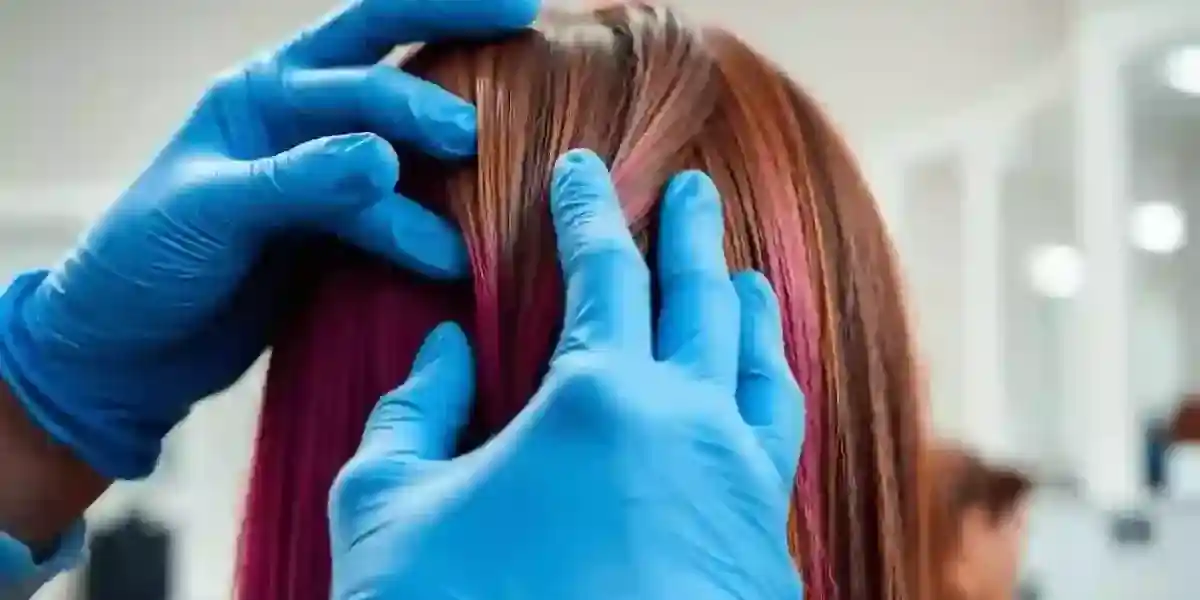
How Causation Is Argued in These Cases
Causation usually has two layers:
- General causation: whether the product or chemical can cause the type of cancer in humans under some circumstances.
- Specific causation: whether it caused this plaintiff’s cancer, considering their exposure level and individual risk profile.
Many cases rise or fall on specific causation. A plaintiff may have a diagnosis that appears in the literature, but if exposure history is limited or alternative risk factors are strong, the case can become difficult. Conversely, a long-term occupational exposure profile with consistent product handling, combined with a diagnosis frequently alleged in litigation, may be viewed differently by counsel during case screening.
The concept of causation is not only pivotal in personal injury cases but also holds significant weight in environmental law, where establishing a clear link between exposure and health outcomes can influence legal decisions.
If you had frequent exposure to hair dye products, and were diagnosed with cancer, contact Hair Dye Lawsuit Lawyer Timothy L. Miles yoday for a free case evaluation to see if you are eligible for a hair dye lawsuit and potentionally entitled to substantial compensation. The call is free and so is the fee unless we win or settle your case, so do not wait and call a Hair Dye Lawsuit Lawyer today. (855) 846-6529 or [email protected]
Damages Commonly Sought
If liability is established, damages may include:
- Medical expenses (past and future)
- Lost income and diminished earning capacity
- Pain and suffering
- Loss of consortium (in some jurisdictions)
- Wrongful death damages for surviving family members when applicable
Some cases also seek punitive damages, typically alleging reckless disregard for safety or conscious failure to warn. Punitive damages standards vary significantly by state. In certain instances, compensatory damages might be sought to cover both economic and non-economic losses.
The Litigation Process in Practical Terms
While procedures differ, hair dye cancer claims often follow a sequence:
- Initial case evaluation: intake interview, diagnosis verification, exposure timeline, and preliminary limitations analysis.
- Record collection: medical authorizations, employment records, and product identification support.
- Filing: complaint submitted in the appropriate jurisdiction.
- Discovery: document exchanges, written questions, depositions, and expert development.
- Motions practice: including challenges to expert testimony and causation methodologies.
- Resolution: settlement negotiations, bellwether trials if coordinated, or trial in an individual case.
A proactive claimant approach is organized, consistent, and well-documented. A proactive corporate approach is transparent, scientifically grounded, and demonstrably committed to risk monitoring, reformulation where appropriate, and clear communication.
What to Do If You Suspect Your Cancer Could Be Related to Hair Dye
If you are considering legal review, focus on disciplined preparation:
- Write down a timeline of hair dye use, including brands, colors, and frequency.
- Gather medical documentation of diagnosis and treatment.
- For salon professionals, gather employment records and any evidence of routine product handling.
- Document major risk factors honestly. Omissions can undermine credibility later.
- Consult a qualified attorney for statute of limitations analysis in your state.
This is not a substitute for medical advice. If you have health concerns, consult a licensed clinician.
Risk Management Takeaways for Manufacturers and Salons
Regardless of how individual lawsuits resolve, the broader governance lesson is consistent: complex consumer products require continuous risk evaluation and transparent communication.
For manufacturers, best practice typically includes:
- Ongoing post-market surveillance
- Regular toxicological review of ingredients and impurities
- Rigorous supply chain controls to manage contaminants
- Clear, user-tested labeling and instructions
- Documented decision-making that can withstand regulatory and litigation scrutiny
For salons and professionals, risk reduction often includes:
- Consistent glove use and barrier protection
- Adequate ventilation and handling protocols
- Training on mixing, application, and cleanup procedures
- Accurate client records that track services and products
Robust corporate governance is not a defensive posture. It is a proactive operating model that reduces harm, preserves trust, and supports long-term brand resilience.
Closing Perspective
Hair dye cancer lawsuits sit at the intersection of consumer safety, occupational exposure, scientific uncertainty, and legal accountability. Some claims will be screened out, some will proceed, and a smaller number may shape precedent through trials or major settlements. For individuals, the priority is timely, evidence-based evaluation. For organizations, the priority is proactive risk governance, disciplined product stewardship, and clear communication that keeps pace with evolving science.
If you had frequent exposure to hair dye products, and were diagnosed with cancer, contact Hair Dye Lawsuit Lawyer Timothy L. Miles yoday for a free case evaluation to see if you are eligible for a hair dye lawsuit and potentionally entitled to substantial compensation. The call is free and so is the fee unless we win or settle your case, so do not wait and call a Hair Dye Lawsuit Lawyer today. (855) 846-6529 or [email protected]
Frequently Asked Questions about Hair Dye Cancer Lawsuits
What are hair dye cancer lawsuits and what legal claims do they typically involve?
Hair dye cancer lawsuits are product liability claims alleging that certain hair dye products, especially darker and permanent formulations, contributed to cancers such as bladder cancer and blood cancers like non-Hodgkin lymphoma and leukemia. These lawsuits commonly assert legal theories including failure to warn about carcinogenic risks, design defects involving hazardous chemicals, negligence in safety testing and communication, and misrepresentation or deceptive marketing regarding product safety.
Why has litigation related to hair dye cancer risks increased in recent years?
Litigation has accelerated because hair dye use is widespread with potential long-term exposure, and the associated cancers often have significant medical and financial consequences. The legal system scrutinizes products with frequent consumer exposure, complex chemical formulations, and contested or emerging risk signals. The key issue is whether a specific product used in a particular way plausibly contributed to a cancer diagnosis and whether adequate warnings were provided at the time of sale.
Which types of cancers are most commonly alleged in hair dye cancer lawsuits?
The most frequently alleged cancers include bladder cancer, particularly linked to long-term use of permanent dyes and darker shades; non-Hodgkin lymphoma (NHL), often associated with repeated exposure to oxidative dyes and occupational use by hairdressers; and blood cancers such as leukemia and multiple myeloma. However, alleging a cancer type does not establish causation for an individual case—each requires individualized evidence.
What chemicals in hair dyes are plaintiffs focusing on in these lawsuits?
Plaintiffs commonly cite chemicals such as aromatic amines historically linked to certain dye chemistries, oxidative dye intermediates used in permanent dyes, byproducts or contaminants arising from manufacturing or chemical reactions during use, as well as sensitizers and irritants that may indicate inadequate safety profiling. Exposure pathways like scalp absorption, especially with frequent use or compromised skin barriers, are also highlighted.
Who typically qualifies for legal review in hair dye cancer lawsuits?
Individuals who have experienced long-term or occupational exposure to certain hair dye products—particularly permanent dark dyes—and who have been diagnosed with associated cancers such as bladder cancer, non-Hodgkin lymphoma, or leukemia may qualify for legal review. Each case requires careful evaluation of exposure patterns, medical diagnoses, and available scientific evidence to determine plausibility.