
Ocaliva Litigation Update (As of April 2026)
- Lawsuit Status: Ocaliva lawsuits are in early stages so compensation in an Ocaliva lawsuit is unsure at this state and there have not beeen any large-scale public settlements or jury trials have been announced yet.
- Allegations: Ocaliva lawsuits allege Intercept Pharmaceuticals failed to adequately warn patients and doctors about the risks of Ocaliva and liver failure, delayed in communicating safety risks, and marketed a defective drug.
- Primary Injuries: Claims focus on patients who experienced sudden liver decline, cirrhosis progression, or required liver transplants after using Ocaliva.
- Highest Risk Data: In December 2024, the U.S. Food and Drug Administration (FDA) reported that Ocaliva users faced a 377% higher risk of death or transplant. compared to those on a placebo.
Ocaliva Lawsuit Allegations and Timeline:
- 2017: FDA issues first safety alert regarding Ocaliva and liver failure due to improper dosing.
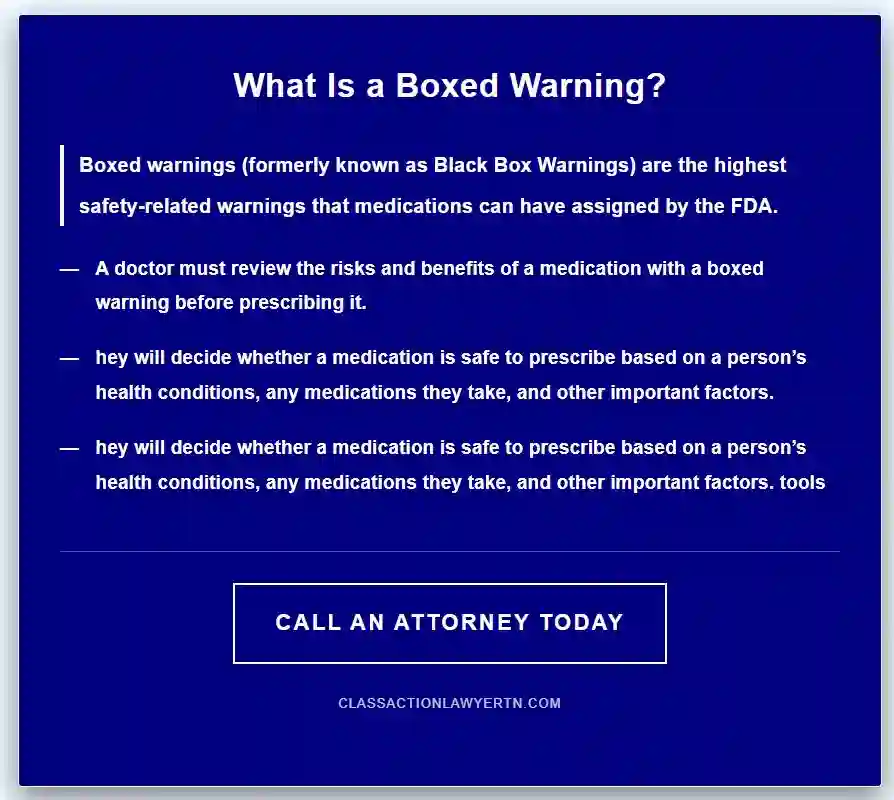
- 2018: A “Black Box Warning” (the most serious type) was added for incorrect dosing.
- 2021: The FDA restricted Ocaliva use, stating it should not be used in patients with advanced cirrhosis, following reports of severe Ocaliva liver injuries.
- 2024: Data reveals serious injuries in patients without pre-existing cirrhosis, with a 377% higher risk of death or transplant.
- Nov 14, 2025: Final withdrawal of Ocaliva from U.S. pharmacy shelves.
Key Details Regarding the Withdrawal:
- Reason for Withdrawal: The FDA requested the withdrawal after concluding that the risks of Ocaliva, initially approved in 2016 through an accelerated pathway, outweighed its benefits, with evidence of Ocaliva serious liver in patients without cirrhosis.
- Not a Recall: This was a voluntary market withdrawal/removal, not a product recall, meaning it was not due to contamination or manufacturing defects.
- Scope: The withdrawal applies to all US commercial supplies of Ocaliva.
- Clinical Trials: The FDA placed all ongoing US clinical trials involving obeticholic acid on hold.
- Patient Action: Patients taking Ocaliva were advised not to stop taking the medication abruptly but to consult their healthcare providers to transition to alternative treatments.

Because each claim turns on medical facts, causation evidence, and jurisdiction-specific law, no article can quote a guaranteed payout.
What can be explained, however, is the legal structure of compensation, the factors that tend to increase or reduce value, and the documentation typically required to support a demand.
This article provides an informational overview of compensation concepts that frequently arise in product liability litigation involving prescription drugs. It is not legal advice.
Understanding What “Compensation” Means in This Context
In civil litigation, “compensation” usually means damages designed to make the injured party financially whole to the extent money can do so. In an Ocaliva lawsuit, damages often fall into two broad groups:
- Compensatory damages (economic and non-economic losses).
- Punitive damages (available in limited situations, intended to punish and deter).
In addition, some cases involve wrongful death damages when a patient dies from complications related to Ocaliva use. Such scenarios are not uncommon in toxic fume exposure lawsuits, where harmful substances lead to severe health issues or even death. The estate may also pursue claims for survival damages, which are claims that could have been brought by the deceased had they lived.
Importantly, compensation is not automatically awarded simply because a person used Ocaliva and later became ill. In most cases, the claimant must prove:
- Use and exposure: that the patient took Ocaliva.
- Injury: that a diagnosable harm occurred (for example, liver decompensation or severe liver-related adverse outcomes, depending on allegations raised in the litigation).
- Causation: that Ocaliva more likely than not contributed to the injury.
- Damages: that the injury caused measurable losses.
The compensation analysis begins and ends with evidence.
It’s worth noting that similar compensation analyses apply in other types of lawsuits as well. For instance, silicosis lawsuits often revolve around proving exposure and subsequent health damage. Similarly, Dexcom recall lawsuits or GM transmission lawsuits follow a comparable pattern of establishing causation and injury for compensation claims. Furthermore, cases like Dupixent cancer lawsuits highlight how medication can lead to severe consequences warranting legal action.

The Main Categories of Compensation in an Ocaliva Lawsuit
1) Medical expenses (past and future)
Medical damages often include:
- Emergency care and hospitalizations
- Specialist visits, including hepatology and gastroenterology care
- Diagnostic testing (labs, imaging, biopsies)
- Prescription costs and medication management
- Treatment for complications, including intensive care
- Procedures and surgeries
- Rehabilitation and long-term care
- Home health services
- In severe cases, costs related to transplant evaluation and post-transplant care, if applicable to the patient’s medical course
Future medical costs matter because many serious injuries are not “one-time events.” When a claimant alleges lasting liver impairment or ongoing complications, damages may include projected treatment costs supported by physician opinions and life care planning documentation.
Key proof typically used
- Itemized billing statements, insurance EOBs, pharmacy records
- Treating physician notes linking treatment to the injury
- Expert reports on expected future care
2) Lost income and loss of earning capacity
This category generally covers:
- Wages lost while the person could not work
- Use of paid time off or sick leave (depending on state law and collateral source rules)
- Reduced hours or job loss due to medical limitations
- Reduced ability to earn in the future (loss of earning capacity)
In drug injury litigation, lost income can be straightforward when there is a clear work interruption. Loss of earning capacity is more complex and may involve vocational experts and economists, particularly when the patient alleges permanent limitations.
Key proof typically used
- Pay stubs, tax returns, employer letters, disability records
- Medical restrictions, functional capacity evaluations
- Vocational and economic expert analyses
It’s important to note that these categories of compensation are not exclusive to Ocaliva lawsuits. Similar compensation structures apply in other drug-related lawsuits as well. For instance, Trulicity, Saxenda, Zepbound, Mounjaro, Silicosis and Aerotoxic syndrome lawsuits also involve similar claims for medical expenses and lost income due to health complications caused by these drugs.
3) Pain and suffering (non-economic damages)
“Pain and suffering” is a legal shorthand for non-economic harm such as:
- Physical pain
- Chronic symptoms and reduced stamina
- Treatment-related discomfort
- Emotional distress, anxiety, depression
- Loss of enjoyment of life
- Sleep disruption
- The daily burden of living with serious illness
Non-economic damages can be a significant component of compensation in cases involving extensive hospitalization, invasive treatment, permanent impairment, or profound lifestyle changes. These damages are inherently individualized, and jurisdictions vary widely in how they are assessed. Some states cap certain non-economic damages in specific types of cases.
Key proof typically used
- Consistent medical records documenting symptoms
- Mental health treatment records when applicable
- Patient journals and family testimony
- Expert opinions addressing functional impact
In recent years, certain medications have been linked to severe side effects, including vision loss. For instance, patients using Trulicity, Mounjaro, Saxenda, or Zepbound have reported such complications. These instances further complicate the assessment of non-economic damages due to the added psychological stress and lifestyle alterations resulting from such adverse effects.
4) Disability, permanent impairment, and disfigurement
If a plaintiff alleges permanent injury, damages may reflect:
- Permanent physical impairment
- Long-term disability
- Reduced life activities and independence
- Visible scarring from procedures, when applicable
In severe liver injury scenarios, impairment may be framed in terms of loss of function and long-term health consequences. The greater the long-term impact, the more central this damage category becomes.
If you suffered Ocaliva and liver failure or suffered injuries linked to Ocaliva use, or lost a loved one to Ocaliva liver injuries, contact Ocaliva Lawyer Timothy L. Miles today who can tell you if you qualify for an Ocaliva lawsuit and possibly may be entitled to significant compensation.
Key proof typically used
- Physician impairment ratings, functional assessments
- Longitudinal labs and imaging showing lasting changes
- Documentation of ongoing limitations and assistive needs
5) Wrongful death damages (when the patient dies)
If the patient died and the claim is pursued as a wrongful death action, compensation commonly includes:
- Funeral and burial expenses
- Loss of financial support to dependents
- Loss of services (household contributions)
- Loss of companionship, care, and guidance (wording varies by state)
Wrongful death laws are state-specific. Who can sue (spouse, children, parents, estate) and what can be recovered vary significantly.
Key proof typically used
- Death certificate and medical causation evidence
- Financial dependency records
- Family testimony regarding relationship and support
6) Survival action damages (estate claims)
A survival action is typically brought by the estate to recover damages the person incurred before death, such as:
- Medical expenses incurred before death
- Pain and suffering before death (availability depends on state law)
- Lost wages between injury and death
These damages focus on the decedent’s experience and losses prior to death, separate from wrongful death damages focused on the family’s loss.
7) Punitive damages (in limited circumstances)
Punitive damages are not designed to compensate. They are designed to punish and deter. They are generally available only where the plaintiff proves heightened wrongdoing, such as reckless disregard for safety or intentional misconduct, depending on state law.
Many cases do not qualify for punitive damages. Where they are available, they often require strong evidence related to corporate conduct, internal knowledge, or alleged failures to warn.
What Factors Tend to Drive the Value of a Lawsuit?
Compensation in pharmaceutical litigation is not a fixed schedule. Still, certain factors repeatedly influence valuation.
1) Severity and permanence of the injury
Cases involving temporary symptoms generally value differently than cases alleging:
- Liver decompensation
- Hospitalization and ICU care
- Permanent impairment
- Long-term disability
- Death
For instance, if you are considering a Dexcom lawsuit, it’s likely that you have experienced severe and permanent injuries due to the device. Such severity is also assessed through objective indicators: lab trends, imaging, clinical staging, and the extent of medical intervention required.
2) Strength of medical causation evidence
Causation is often the central battleground. A claim may be more viable when the record shows:
- A clear timeline between exposure and injury
- Treating physician concern regarding drug-related injury
- Lack of equally plausible alternative explanations
- Consistency with known risk information and adverse event patterns (as alleged)
Conversely, pre-existing conditions, complex comorbidities, and inconsistent follow-up can complicate the proof.
If you’re dealing with complications from a Depo Provera or Dupixent medication, these factors will play a crucial role in your case. Similarly, if you’ve been affected by a faulty GM transmission or a recalled Dexcom device, understanding these elements can significantly impact your lawsuit’s outcome.
3) Dose, duration, monitoring, and adherence history
Drug cases frequently analyze:
- Whether the medication was taken as prescribed
- Whether dosing was appropriate for the patient’s condition
- Whether monitoring occurred and what it showed
- Whether symptoms emerged during documented use
Pharmacy records and prescribing notes become essential in reconstructing the real exposure history.
4) The patient’s baseline condition and medical complexity
Ocaliva is used in a population that can already have significant liver disease and related complications. In litigation, defendants often argue that the underlying condition, not the drug, caused the outcome. Plaintiffs typically respond with expert analysis separating disease progression from drug-induced harm.
This is one reason why compensation ranges can vary dramatically between patients who appear to have similar diagnoses on paper.
5) Quality of documentation and continuity of care
Complete records matter. Cases supported by:
- Consistent labs
- Documented symptom progression
- Clear physician assessments
- Complete hospitalization charts
are often easier to evaluate than cases with gaps, fragmented care, or missing pharmacy data.
6) Jurisdictional law and damage caps
State law can affect compensation through:
- Caps on non-economic damages (in some states and contexts)
- Rules on punitive damages
- Comparative fault concepts
- Collateral source rules (how insurance payments are treated)
- Statutes of limitation and repose
The same injury can have different legal value depending on where the claim is filed and what causes of action are permitted.
7) Plaintiff credibility and “day-in-the-life” impact
Non-economic damages are influenced by the persuasiveness of:
- Plaintiff testimony
- Family and caregiver testimony
- Work history and lifestyle changes
- Demonstrable limitations in daily activities
A consistent narrative supported by medical records is more effective than unsupported statements.
If you suffered Ocaliva and liver failure or suffered injuries linked to Ocaliva use, or lost a loved one to Ocaliva liver injuries, contact Ocaliva Lawyer Timothy L. Miles today who can tell you if you qualify for an Ocaliva lawsuit and possibly may be entitled to significant compensation.
How Compensation Is Calculated in Practice
Economic damages: documentation-driven
Economic damages are usually calculated by adding:
- Past medical bills and out-of-pocket expenses
- Past lost wages
- Supported estimates of future medical costs
- Supported estimates of future income loss
Insurers’ payments, write-offs, and liens can affect net recovery. Many cases also involve reimbursement claims by insurers or government programs, which must be addressed before final funds are distributed.
Non-economic damages: fact-driven and jurisdiction-specific
Non-economic damages are not calculated by receipts. They are argued using:
- Duration and intensity of suffering
- Treatment burdens and invasiveness
- Permanent limitations
- Emotional impact and loss of life enjoyment
Some lawyers use multipliers as an internal negotiation tool, but courts do not require a formula. Juries often decide based on credibility and the human impact shown at trial.
If you suffered Ocaliva and liver failure or suffered injuries linked to Ocaliva use, or lost a loved one to Ocaliva liver injuries, contact Ocaliva Lawyer Timothy L. Miles today who can tell you if you qualify for an Ocaliva lawsuit and possibly may be entitled to significant compensation.
Punitive damages: conduct-driven
Punitive damages focus less on the patient’s bills and more on alleged corporate behavior and state law standards. They are often heavily litigated and, in many jurisdictions, limited by statute or constitutional constraints.
Settlement Compensation Versus Trial Compensation
Settlement compensation
Most pharmaceutical cases resolve through settlement rather than trial. In settlement, compensation is typically influenced by:
- Projected trial risk for both sides
- The size and quality of the plaintiff’s evidence
- How bellwether trials, expert rulings, and motion practice shape leverage
- Administrative settlement matrices, if used
Some settlements use point systems or tiers that assign values based on injury severity and documentation quality. Others are negotiated individually.
Trial compensation
At trial, a jury can award:
- Full compensatory damages it finds supported
- Non-economic damages based on testimony and evidence
- Punitive damages in rare qualifying cases
Trials carry uncertainty, time, and cost. Even a large verdict can be reduced on appeal, limited by statutory caps, or adjusted through post-trial motions. This is one reason settlement values often differ from the headline numbers seen in verdict reports.
If you suffered Ocaliva and liver failure or suffered injuries linked to Ocaliva use, or lost a loved one to Ocaliva liver injuries, contact Ocaliva Lawyer Timothy L. Miles today who can tell you if you qualify for an Ocaliva lawsuit and possibly may be entitled to significant compensation.
What Documentation Typically Supports a Compensation Claim?
If compensation is the practical goal, the strength of the file is strategic. Commonly important items include:
- Pharmacy records showing fill dates, dosage, and duration
- Prescribing physician records reflecting rationale, monitoring plans, and follow-up
- Baseline labs and subsequent lab trends (liver function and related markers)
- Hospital records including admissions, discharge summaries, imaging, and consult notes
- Causation opinions from treating physicians when available
- Employment records for wage loss and work restrictions
- Receipts for out-of-pocket costs (travel, caregiving, home modifications)
- Life impact evidence including journals, caregiver statements, and functional assessments
A recurring theme in litigation is repetition for emphasis: records create credibility, records create leverage, records create compensation. It’s crucial to understand that certain documents can significantly strengthen your medical malpractice claim.
Why Corporate Governance and Compliance Matter to Compensation Outcomes
In pharmaceutical product liability, compensation is not determined solely by medicine. It is also influenced by governance, compliance, and risk management practices. That includes:
- Pharmacovigilance systems and adverse event monitoring
- Labeling governance and change-control processes
- Quality management systems and escalation pathways
- Sales and marketing oversight and training
- Medical affairs independence and documentation integrity
This point is forward-looking and practical. Strong corporate governance can reduce patient harm, reduce litigation exposure, and reduce downstream compensation costs by preventing the underlying injury events. Weak governance can amplify risk, amplify scrutiny, and amplify damages, particularly where punitive damages theories are asserted.
For plaintiffs, governance evidence may support allegations regarding what the manufacturer knew, when it knew it, and how it responded. For defendants, strong compliance documentation may be used to demonstrate reasonable conduct. Either way, governance becomes part of the compensation story because it shapes liability theories and settlement dynamics.

A Clear Summary of What Compensation Can Include
Compensation in an Ocaliva lawsuit may include:
- Past and future medical expenses
- Past and future lost income
- Loss of earning capacity
- Pain and suffering and emotional distress
- Permanent impairment and disability-related losses
- Wrongful death damages (where applicable)
- Survival action damages (where applicable)
- Punitive damages (in limited cases and jurisdictions)
The practical value of any individual claim is driven by injury severity, the quality of medical evidence, the ability to prove causation, and the governing state law.
Final Note
If you are evaluating potential compensation, the decisive step is usually not guessing a payout range. It is building a defensible record: complete pharmacy history, complete liver-related medical records, clear timelines, and qualified medical causation review. In pharmaceutical litigation, clarity produces credibility, credibility produces leverage, and leverage produces compensation. It’s also important to consider the tax implications of settlements and judgments as they can significantly affect the final amount received.
If you suffered Ocaliva and liver failure or suffered injuries linked to Ocaliva use, or lost a loved one to Ocaliva liver injuries, contact Ocaliva Lawyer Timothy L. Miles today who can tell you if you qualify for an Ocaliva lawsuit and possibly may be entitled to significant compensation.
Frequently Asked Questions about the Ocaliva Lawsuit
What types of compensation can a plaintiff seek in an Ocaliva lawsuit?
In an Ocaliva lawsuit, plaintiffs may seek compensatory damages, which cover economic and non-economic losses such as medical expenses and lost income. Punitive damages may also be available in limited situations to punish and deter wrongful conduct. Additionally, wrongful death damages and survival damages can be pursued if the patient died from complications related to Ocaliva use.
What must be proven to qualify for compensation in an Ocaliva lawsuit?
To qualify for compensation, a claimant must prove four key elements: use and exposure (that the patient took Ocaliva), injury (a diagnosable harm such as liver decompensation), causation (that Ocaliva more likely than not contributed to the injury), and damages (that the injury caused measurable losses). Evidence supporting these elements is critical in establishing a valid claim.
What kinds of medical expenses are typically covered as damages in Ocaliva lawsuits?
Medical expenses often include costs for emergency care, hospitalizations, specialist visits (hepatology and gastroenterology), diagnostic testing (labs, imaging, biopsies), prescription medications, treatment for complications including intensive care, surgeries, rehabilitation, long-term care, home health services, and potentially transplant evaluation and post-transplant care if applicable.
How are lost income and loss of earning capacity calculated in these lawsuits?
Lost income covers wages lost during periods when the plaintiff could not work due to injury. Loss of earning capacity accounts for reduced ability to earn in the future because of permanent limitations. Calculations typically involve documentation like pay stubs, tax returns, employer letters, disability records, medical restrictions, and expert analyses from vocational or economic professionals.
Are punitive damages commonly awarded in Ocaliva lawsuits?
Punitive damages are available only in limited situations where the defendant’s conduct warrants punishment or deterrence beyond compensatory damages. They are not automatically awarded and depend on specific facts demonstrating egregious or reckless behavior by the drug manufacturer or other parties involved.
Is compensation guaranteed simply because someone used Ocaliva and became ill?
No. Compensation is not automatically granted just because a person used Ocaliva and later experienced illness. The claimant must provide evidence linking their injury directly to Ocaliva use by proving exposure, diagnosable harm, causation connecting the drug to the injury, and actual measurable damages resulting from that injury.