
Introduction to the Ocaliva Lawsuit Update
Welcome to this authoritative Ocaliva Lawsuit Update.
- Ocaliva (obeticholic acid) lawsuits are being investigated and filed following the September 2025 voluntary withdrawal of the drug from the U.S. market by manufacturer Intercept Pharmaceuticals (a subsidiary of Alfasigma).
- The U.S. Food and Drug Administration (FDA) requested this withdrawal after post-marketing studies linked the PBC (primary biliary cholangitis) medication to severe liver damage, liver failure, and deaths, often in patients who did not have cirrhosis before starting treatment.
- Lawsuit Status: Investigations are active, and lawsuits are in early stages; no large-scale public settlements or jury trials have been announced yet.
- Allegations: Lawsuits allege Intercept Pharmaceuticals failed to adequately warn patients and doctors about the risks of Ocaliva and liver failure, delayed in communicating safety risks, and marketed a defective drug.
- Primary Injuries: Claims focus on patients who experienced sudden liver decline, cirrhosis progression, or required liver transplants after using Ocaliva.
- Highest Risk Data: In December 2024, the FDA reported that Ocaliva users faced a 377% higher risk of liver transplant or death compared to those on a placebo.

Ocaliva Lawsuit Allegations and Timeline:
- 2017: FDA issues first safety alert regarding Ocaliva and liver failure due to improper dosing.
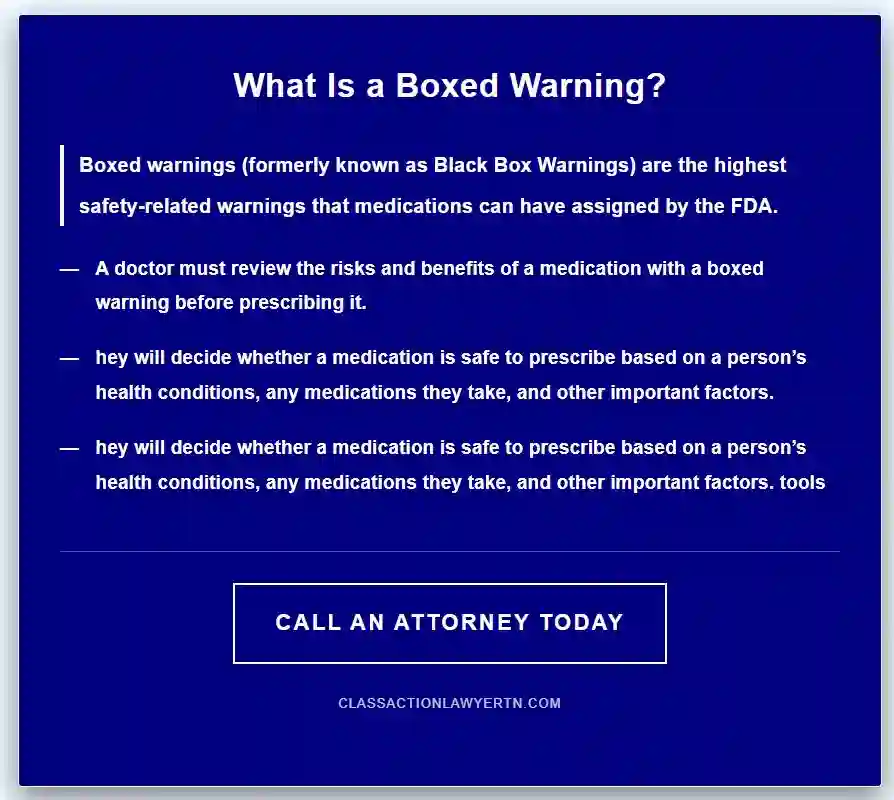
- 2018: A “Black Box Warning” (the most serious type) was added for incorrect dosing.
- 2021: The FDA restricted Ocaliva use, stating it should not be used in patients with advanced cirrhosis, following reports of severe Ocaliva and liver failure.
- 2024: Data reveals serious injuries in patients without pre-existing cirrhosis, with a 377% higher risk of death or transplant.
- Nov 14, 2025: Final withdrawal of Ocaliva from U.S. pharmacy shelves.
Key Details Regarding the Withdrawal:
- Reason for Withdrawal: The FDA requested the withdrawal after concluding that the risks of Ocaliva, initially approved in 2016 through an accelerated pathway, outweighed its benefits, with evidence of Ocaliva serious liver in patients without cirrhosis.
- Not a Recall: This was a voluntary market withdrawal/removal, not a product recall, meaning it was not due to contamination or manufacturing defects.
- Scope: The withdrawal applies to all US commercial supplies of Ocaliva.
- Clinical Trials: The FDA placed all ongoing US clinical trials involving obeticholic acid on hold.
- Patient Action: Patients taking Ocaliva were advised not to stop taking the medication abruptly but to consult their healthcare providers to transition to alternative treatments.
- Risk Percentage: Safety analyses linked Ocaliva to a 377% higher risk of liver transplant or death.
- Study Data: In a postmarket clinical trial (Study 747-302), 7 of 81 (8.6%) patients taking Ocaliva required a liver transplant, compared to 1 of 68 (1.5%) in the placebo group. Additionally, four patients in the Ocaliva group died, compared to one in the placebo group.
- Target Population: These risks were observed even in patients without advanced cirrhosis (non-cirrhotic patients) for whom the drug was originally deemed appropriate.
- Hazard Ratio: Analyses revealed a hazard ratio of 4.77 (95% confidence interval: 1.03–22.09), indicating that the combined risk of death or liver transplant was nearly five times higher in the Ocaliva group.
FDA.
FDA Action and Market Status
Ocaliva Lawsuit Allegations and Timeline:
- 2017: FDA issues first safety alert regarding liver failure due to improper dosing.
- 2018: A “Black Box Warning” (the most serious type) was added for incorrect dosing.
- 2021: The FDA restricted Ocaliva use, stating it should not be used in patients with advanced cirrhosis, following reports of severe Ocaliva liver injuries.
- 2024: Data reveals serious injuries in patients without pre-existing cirrhosis, with a 377% higher risk of death or transplant.
- Nov 14, 2025: Final withdrawal of Ocaliva from U.S. pharmacy shelves.
Legal Action Steps
- Lawyers, like Timothy L. Miles, are generally handling these cases on a contingency fee basis, meaning there are no upfront costs, and fees are paid only if a settlement or recovery is obtained.
- Potential plaintiffs are encouraged to gather medical records, lab results, and pharmacy records showing Ocaliva use and subsequent liver damage.
Quick background: what Ocaliva is actually for
Ocaliva was a prescription medication used for primary biliary cholangitis (PBC), a chronic liver disease. It is typically used in adults who:
- do not respond well enough to ursodeoxycholic acid (UDCA, sometimes called ursodiol), or
- cannot tolerate UDCA
Ocaliva worked as a bile acid pathway modulator (FXR agonist). In plain English, it changes certain signals in the liver and bile ducts to affect bile production and inflammation related pathways. The goal is often to improve lab markers like alkaline phosphatase (ALP) and bilirubin.
Unfortunately, this isn’t an isolated issue with Ocaliva. Other medications like Zepbound have also faced serious lawsuits due to side effects such as blindness. Similarly, Saxenda has been linked to vision loss lawsuits and Dupixent has raised concerns related to cancer risks. Even medications like Mounjaro are currently under legal scrutiny for various reasons including serious side effects. It’s crucial for patients to be aware of these potential risks associated with their medications.
Why the lawsuits exist in the first place
Most Ocaliva lawsuits have generally focused on allegations that patients experienced serious Ocaliva liver injury, including liver Ocaliva and liver failure, need for transplant, hospitalization, and in some reports, death. Plaintiffs in these types of cases usually argue some combination of:
- The warnings were not strong enough soon enough
- The medication was prescribed to people who should not have received it, especially those with more advanced liver disease
- Monitoring guidance was unclear or not emphasized enough
- Patients were not properly informed about risks, or risks were downplayed
It is not always one simple story. A lawsuit can be about a prescribing decision. Or a dosing decision. Or failure to monitor. Or whether a manufacturer messaging issue contributed. Sometimes it is a chain of small failures that ends in a huge health crisis.
The safety controversy in human terms
People hear “liver injury” and think it is just elevated enzymes.
No. The scary version is when the liver decompensates. Fluid buildup, internal bleeding risks, confusion, jaundice that is not just cosmetic, infections, kidney problems that cascade. The kind of situation where a person can go from managing a chronic illness to being in the hospital, fast.
And this is where Ocaliva drew major criticism historically: patients with cirrhosis or advanced impairment may face higher risk, and dosing mistakes or inappropriate use can be catastrophic.
Ocaliva lawsuit update: what has changed by 2026
By 2026, the “update” is less about one single court event and more about where the overall situation sits:
- Awareness is higher now than it was early on. Many clinicians are more cautious, and patients are more likely to have heard of risks before starting therapy. That alone changes outcomes.
- Case screening by law firms has gotten more specific. Firms tend to focus on cases involving documented liver decompensation, transplant listing, hospitalization for hepatic failure, or deaths where Ocaliva use was temporally connected and there are questions about whether it should have been used.
- Medical records are the center of everything. If you are thinking “I felt awful on Ocaliva,” that is valid. But Ocaliva Lawsuit usually need evidence like labs, imaging, diagnosis codes, documented cirrhosis staging, Child Pugh classification, notes about symptoms, and medication history.
- Consumer focus has shifted to patient selection and monitoring. Meaning, it is not just “did Ocaliva cause harm” but “was this patient an appropriate candidate, at this dose, with this follow up plan.”
In addition to these points regarding Ocaliva lawsuits, it’s essential to recognize that similar legal challenges are emerging around other medications as well. For instance, Zepbound, Dupixent which has faced multiple lawsuits including a recent Dupixent lawsuit update, and Mounjaro, to name a few.
The landscape of pharmaceutical litigation is constantly evolving, and it’s crucial for individuals who believe they have suffered harm from a medication to consult with an experienced attorney who is skilled in this area. Such legal professionals can assess the specific details of your case, evaluate its merits, and guide you through the complex process of seeking justice.
Remember, it is not just about feeling awful on a medication; it requires substantial evidence and legal guidance to navigate complex pharmaceutical lawsuits.
Serious Ocaliva liver injuries have been thoroughly documented in FDA safety alerts, clinical trial results, and post-marketing surveillance. Many patients experienced symptoms indicating a sudden decline in liver function, often with few or no early warning signs at the start of treatment.
- In several instances, these declines progressed rapidly, leading to medical emergencies that required hospitalization, transplant assessments, or even life-support interventions.
- Reports also include cases of unexpected weight loss, persistent fatigue, and a general decline in health as liver function deteriorated.
- Some individuals reported ongoing abdominal discomfort or pain, which was later found to be associated with significant hepatic impairment upon further clinical evaluation.
- These findings underscore the seriousness of liver related complications associated with Ocaliva and help explain why the medication was ultimately removed from the U.S. market.
Examples of Documented Serious Ocaliva Liver Injuries:
- Rapid decline in liver function necessitating urgent medical care.
- Sudden development of jaundice and associated complications.
- Hospital admissions resulting from acute liver injury.
- Progression from stable (compensated) to unstable (decompensated) liver disease.
- Instances where patients required liver transplantation.
- Reports of liver-related deaths submitted to regulatory authorities.
If you suffered injuries linked to Ocaliva use, contact Ocaliva lawyer Timothy L. Miles today for a free consultation. You could be eligible for a lawsuit and possibly be entitled to substantial compensation.
Additionally, if you’ve suffered from vision loss due to Zepbound or Trulicity and are seeking legal recourse for such medical negligence, having this organized documentation can be invaluable. If you do end up talking to a law firm about these issues or others related to medical malpractice or harmful side effects of medication, having this organized can save months.
What a typical Ocaliva lawsuit claim tends to involve
A claimant usually alleges:
- Use of Ocaliva despite contraindications or despite significant warning flags
- Inadequate warning, labeling, or communication about risk to certain groups
- Failure to adjust dose or failure to monitor
- A specific injury (liver failure, decompensation, transplant evaluation, death) with a timeline connection to Ocaliva use
Then the defense side typically argues:
- Underlying PBC or cirrhosis progression was the cause
- The prescribing was appropriate given what was known
- The patient had complex comorbidities
- Causation is not proven, especially if there were multiple risk factors
That is why documentation is everything. And why these cases can take a long time.
However, it’s not just Ocaliva that has been under scrutiny. Other medications like Trulicity, Mounjaro, and Saxenda have also faced legal challenges for various reasons including severe side effects and inadequate warnings about potential risks. Similarly, Zepbound has also been involved in lawsuits due to similar concerns.
It’s essential for patients to stay informed about their medications and any potential risks associated with them. If you believe you’ve experienced adverse effects from a medication such as Dexcom, you may want to explore whether you qualify for a Dexcom lawsuit.
Bottom line
If you suffered Ocaliva and liver failure or suffered injuries linked to Ocaliva use, or lost a loved one to Ocaliva liver injuries, contact Ocaliva Lawyer Timothy L. Miles today who can tell you if you qualify for an Ocaliva lawsuit and possibly may be entitled to significant compensation.
Frequently Asked Questions about he Ocaliva Lawsuits
What is Ocaliva and what condition is it prescribed for?
Ocaliva, also known by its generic name obeticholic acid, is a prescription medication used to treat primary biliary cholangitis (PBC), a chronic liver disease. It is typically prescribed for adults who do not respond well enough to ursodeoxycholic acid (UDCA) or cannot tolerate UDCA.
Why are there lawsuits related to Ocaliva?
Lawsuits involving Ocaliva generally focus on allegations that patients experienced serious liver injury, including liver failure, need for transplant, hospitalization, and in some cases, death. Plaintiffs argue that warnings were insufficient or delayed, the medication was prescribed to inappropriate candidates especially with advanced liver disease, monitoring guidance was unclear, and risks were not properly communicated.
What are the major safety concerns associated with Ocaliva?
The primary safety concern is serious Ocaliva liver injury leading to liver decompensation. This includes symptoms such as fluid buildup, internal bleeding risks, confusion, jaundice, infections, and kidney problems that can rapidly escalate from managing a chronic illness to requiring hospitalization. Patients with cirrhosis or advanced liver impairment face higher risks.
How has the situation around Ocaliva lawsuits evolved by 2026?
By 2026, awareness of Ocaliva’s risks has increased among clinicians and patients. Law firms now screen cases more specifically focusing on documented severe liver complications connected to Ocaliva use. Medical records have become central in evaluating claims, emphasizing detailed documentation of labs, imaging, diagnosis codes, and medication history. The focus has shifted toward patient selection and monitoring practices rather than solely whether the drug caused harm.
What should patients do if they believe they were harmed by Ocaliva?
Patients who think they were harmed should carefully document their medical history including lab results, imaging studies, diagnosis codes related to liver disease staging such as Child Pugh classification, symptom notes, and medication history. This documentation is crucial if considering legal action or discussing concerns with healthcare providers about continuing or switching therapy.