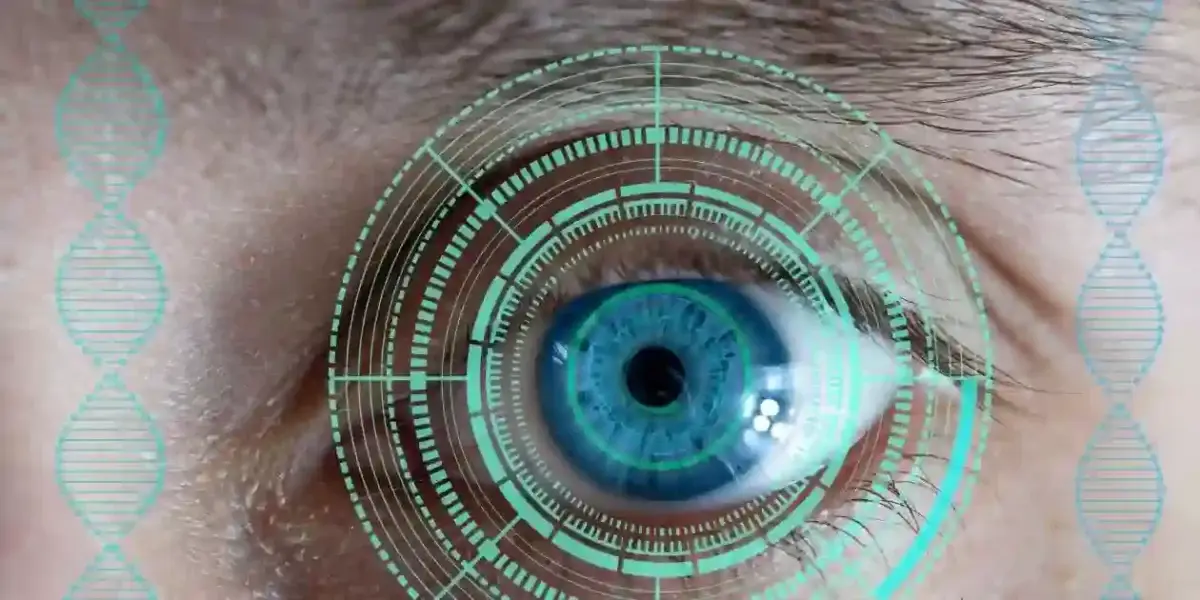
![futuristic eye with white waves accross blue eye used in Zepbound Vision Loss Lawsuit Update: An Authoritative Patient Reference Guide [2026]](https://classactionlawyertn.com/wp-content/uploads/2025/11/mounjaro-eye-problems-feature-picture-1024x512.webp)
Introduction to the Zepbound Vision Problems
As the rise in individuals suffering from Zepbound Vision Problems continues, so too does the amount of people filing a Zepbound Vision Loss Lawsuit. Zepbound (tirzepatide) is a prescription medication indicated for chronic weight management in appropriate adults and used under clinical supervision. As utilization expands, so does attention to safety signals that matter to patients and clinicians alike. Among these, Zepbound vision problems are a recurring concern in patient conversations, post marketing reports, and routine clinical follow up.
This guide provides a structured, clinically oriented reference to potential vision related issues that may arise while using Zepbound, how to differentiate urgent from non urgent symptoms, and how to prepare for appointments. It is not a substitute for medical care. Any sudden change in vision should be evaluated promptly.
If you were prescribed Zepbound and took it as directed and suffered Zepbound Eye Side Effects or other Zepbound eye problems, contact Zepbound Vision Loss Lawyer Timothy L. Miles today. You could be eligible for a Zepbound vision loss lawsuit and potentially entitled to substantial compensation. (855) 846–6529 or [email protected].

What Zepbound Is (and Why Eyes Enter the Conversation)
Zepbound contains tirzepatide, a dual GIP and GLP 1 receptor agonist. These incretin based pathways influence glucose regulation, appetite, and body weight. Although tirzepatide is not an eye medication, the eye is uniquely sensitive to systemic metabolic changes, vascular changes, and fluid balance.
In practical terms, vision complaints during weight loss therapy often arise through indirect mechanisms:
- Rapid changes in blood glucose can temporarily alter the refractive index of the lens, affecting clarity.
- Diabetes related eye disease may become more noticeable when glycemic control changes quickly.
- Dehydration, nausea, and reduced intake can affect tear film stability and cause dry eye like symptoms.
- Blood pressure shifts may contribute to transient visual disturbances in susceptible individuals.
For that reason, discussions about Zepbound vision problems tend to overlap with diabetes risk, weight loss velocity, and baseline ophthalmic history. It’s important to note that some patients have reported experiencing eye floaters or other eye side effects during their treatment with Zepbound.
Defining “Vision Problems” in a Medication Safety Context
A useful approach is to categorize vision symptoms by pattern and urgency. Patients may report “blurry vision,” but the differential diagnosis varies widely. Clinically, Zepbound vision problems can include:
- Blurry vision (intermittent or persistent)
- Difficulty focusing or fluctuating clarity
- Dryness, burning, gritty sensation, or watering
- Light sensitivity
- Floaters or flashes of light
- A shadow, curtain, or missing area in the visual field
- Eye pain or headache with visual changes
- Double vision
- Color distortion or reduced contrast
Some of these can be benign and reversible. Others can indicate an eye emergency.
How Common Are Zepbound Vision Problems?
There is no single simple frequency that applies to every category of visual symptom. Many reports of Zepbound vision problems represent nonspecific complaints that may be related to hydration, nutrition, or glycemic variability rather than a direct toxic effect on ocular tissues.
The most important practical point for 2025 is this: a change in vision during tirzepatide therapy warrants assessment, especially in individuals with diabetes, prediabetes, a history of diabetic retinopathy, or those experiencing rapid weight loss and rapid glycemic improvement.
If you have diabetes, your baseline risk of eye disease is already higher. Zepbound can improve metabolic control, which is beneficial long term, but the transition period can be clinically meaningful for the eyes.
Primary Mechanisms Behind Zepbound Vision Problems
Vision problems associated with Zepbound can vary significantly. For instance, some patients may experience blurry vision, while others report difficulty focusing or even dryness and burning sensations.
It’s crucial to note that these symptoms are not just temporary side effects; they could potentially lead to more serious conditions requiring legal action such as in cases of vision loss. Therefore, if you’re experiencing any significant changes in your eyesight while on Zepbound, it’s essential to seek immediate medical attention.
Moreover, it’s worth mentioning that similar vision problems have been reported with other medications, underscoring the importance of monitoring and addressing any changes in vision promptly.
1) Rapid Glycemic Improvement and Temporary Blurred Vision
A well-known phenomenon in diabetes management is that rapid shifts in blood glucose can cause temporary blurry vision. The lens of the eye responds to osmotic changes. When glucose levels move quickly, the lens can swell or change its optical properties, producing fluctuating refraction.
This can look like:
- Blurry distance vision that comes and goes
- Needing stronger or weaker glasses unexpectedly
- Vision that is worse at certain times of day
For many people, this stabilizes as blood glucose stabilizes. Nonetheless, persistent blurring should not be assumed to be harmless. A proper eye exam is still indicated, particularly if you have diabetes or prediabetes and are noticing Zepbound vision problems soon after dose escalation or major dietary changes.
2) Diabetic Retinopathy Considerations
If you have diabetes, the key ophthalmic risk is diabetic retinopathy, a microvascular condition affecting the retina. Rapid improvement in glycemia can, in some cases, be associated with transient worsening of retinopathy in the short term, even while long-term control is protective.
This is not unique to Zepbound. Similar concerns have been discussed in the context of other potent glucose-lowering therapies such as Trulicity, which also has its own set of debilitating vision side effects. The clinical takeaway is governance based: identify risk, monitor, and respond early.
If you have known diabetic retinopathy, discuss the following with your prescriber and eye clinician before and during therapy:
- Your most recent dilated eye exam findings
- Whether you have proliferative changes or macular edema
- The pace of glycemic improvement expected with treatment
- The appropriate schedule for follow-up retinal evaluation
For patients in this category, Zepbound vision problems should be treated as a high priority symptom set.

3) Dry Eye and Ocular Surface Symptoms During Weight Loss
Some people experience reduced intake, nausea, or dehydration while adjusting to tirzepatide. Dehydration and nutritional shifts can affect the tear film, leading to:
- Burning, stinging, or redness
- Blurry vision that improves after blinking
- Foreign body sensation
- Increased tearing as a reflex response
These ocular surface issues can be perceived as Zepbound vision problems, even when the retina and optic nerve are normal. They are often manageable with hydration strategies and ocular lubricants, but persistent symptoms warrant evaluation to rule out infection, inflammation, or other pathology. In some cases, these vision problems may be linked to medication use such as tirzepatide. If you’re experiencing significant vision loss during this treatment, you may want to explore the Mounjaro vision loss lawsuit for potential legal recourse. Similarly, if you’re on Trulicity and facing similar issues, consider consulting about the Trulicity vision loss lawsuit or reaching out to a Trulicity vision loss lawyer for professional advice.
4) Blood Pressure, Orthostatic Symptoms, and Visual Disturbance
Weight loss and reduced caloric intake can lower blood pressure. Some individuals experience orthostatic symptoms, including lightheadedness and transient vision dimming when standing.
This pattern is typically:
- Brief
- Triggered by position change
- Improved by hydration and slower transitions
However, recurrent episodes should be clinically assessed, especially if they occur with chest symptoms, neurologic symptoms, or fainting.
5) Migraine and Visual Aura
Some people have migraine with aura, which can cause zigzag lines, shimmering spots, or temporary blind patches. While tirzepatide is not a recognized migraine therapy, changes in diet, hydration, sleep, and stress during weight loss can influence migraine frequency.
If your Zepbound vision problems resemble aura, document duration and associated headache features, but still seek evaluation to exclude retinal or neurologic causes.
Red Flag Symptoms: When Zepbound Vision Problems Require Emergency Care
Seek emergency evaluation (ER or urgent ophthalmology) if you experience:
- Sudden loss of vision in one or both eyes
- A curtain or shadow moving across vision
- New flashes of light with many new floaters
- Severe eye pain, redness, and decreased vision
- Double vision with neurologic symptoms (weakness, numbness, slurred speech)
- Sudden severe headache with visual changes
These symptoms can indicate retinal detachment, vitreous hemorrhage, acute glaucoma, stroke, optic neuritis, or other time sensitive conditions. Do not wait for a routine appointment if the presentation is acute.
Less Urgent but Clinically Important Symptoms
Arrange a prompt outpatient evaluation if you have:
- Persistent blurry vision lasting more than a few days
- Progressive decline in vision clarity
- New distortion (straight lines look wavy)
- Difficulty reading or recognizing faces
- Reduced color perception
- Recurrent episodes of visual dimming
For patients on tirzepatide, these may still be recorded as Zepbound vision problems, but the purpose is not labeling. The purpose is early detection and early treatment. If you are experiencing such issues, it might be advisable to consult a Zepbound vision loss lawyer to understand your legal rights and options.
Who Is at Higher Risk for Zepbound Vision Problems?
Risk is not distributed evenly. The following groups merit proactive monitoring:
- People with diabetes, especially longstanding disease
- People with known diabetic retinopathy or macular edema
- People with very high baseline A1C who may experience rapid reduction
- People undergoing rapid weight loss with reduced intake and dehydration
- People with pre existing dry eye disease or autoimmune ocular surface disease
- People using contact lenses who develop dry eye symptoms
- Older adults with cataract progression or glaucoma risk factors
If you fall into one of these categories, it is reasonable to plan baseline and follow up eye evaluation as part of a broader safety strategy.
Furthermore, it’s important to note that certain medications like Mounjaro have been linked to blurry vision and even vision loss. If you’re experiencing any adverse effects related to these medications, consider seeking legal advice from a professional experienced in handling cases related to such side effects.

Practical Monitoring Plan (Patient Centered and Clinically Grounded)
A proactive monitoring plan reduces ambiguity and helps clinicians triage symptoms effectively.
Before Starting Zepbound
- Document baseline vision symptoms, glasses prescription changes, and migraine history.
- If you have diabetes, confirm the date and results of your last dilated eye exam.
- Ask whether you have any documented retinopathy, macular edema, or glaucoma risk.
- Establish who to contact if Zepbound vision problems occur: prescriber, ophthalmologist, or both.
During Dose Escalation
- Track symptoms weekly during the first months, especially after each dose increase.
- Note timing relative to injection day, meals, hydration, and blood glucose readings if applicable.
- Prioritize a consistent sleep and hydration routine. Ocular surface instability is often amplified by dehydration.
Ongoing Follow Up
- Maintain regular eye exams on the schedule advised by your eye clinician.
- If you have diabetes, align eye exam cadence with your A1C trajectory and retinopathy status.
How Clinicians Evaluate Zepbound Vision Problems
If you present with visual symptoms, clinicians typically pursue a structured assessment:
Step 1: History
- Onset, duration, and whether symptoms are constant or fluctuating
- One eye versus both eyes
- Associated pain, redness, headache, nausea, neurologic symptoms
- Medication timing and recent dose changes
- Glycemic patterns, A1C trend, and hypoglycemia episodes in diabetics
Step 2: Basic Exam
- Visual acuity
- Pupillary response
- Intraocular pressure when indicated
- External and slit lamp evaluation for ocular surface disease
Step 3: Retinal Assessment
- Dilated fundus exam
- Optical coherence tomography (OCT) if macular edema is suspected
- Fundus photography for retinopathy monitoring
This is the governance framework in medicine: define the symptom, stratify risk, confirm the diagnosis, document progression, and intervene early.
What to Do if You Develop Zepbound Vision Problems
If you notice symptoms, use the following decision structure.
Step 1: Identify urgency
- Emergency features present: seek emergency care.
- No emergency features: proceed to step 2.
Step 2: Document the symptom accurately
Write down:
- When it started
- One eye or both eyes
- Whether it is worse at near or distance
- Whether blinking improves it
- Any new floaters or flashes
- Hydration status and food intake
- Recent dose changes
This information materially improves clinical triage of Zepbound vision problems.
Step 3: Contact the appropriate clinician
- If you have diabetes or known retinopathy: contact your eye clinician promptly and notify the prescriber.
- If symptoms seem tied to dryness and improve with blinking: consider artificial tears and hydration, but still schedule evaluation if persistent.
Step 4: Do not self adjust without guidance
Do not stop or change dosing solely based on mild transient symptoms without clinician input. Conversely, do not continue therapy through severe or progressive visual changes without timely assessment.
Frequently Asked Questions
Can Zepbound directly damage the eyes?
Current clinical framing emphasizes indirect mechanisms such as glycemic shifts, dehydration, and underlying retinal disease rather than a direct toxic ocular effect. Nonetheless, patient reported Zepbound vision problems should be evaluated on their merits because serious eye conditions can coincide with medication use.
Is blurry vision on Zepbound always temporary?
No. Some blurring is temporary and related to glucose variability or dry eye, but persistent or progressive blurring requires evaluation to exclude retinopathy, macular edema, cataract progression, glaucoma, and neurologic causes. It’s important to note that these Zepbound vision changes can sometimes indicate more serious issues.
Should people with diabetic retinopathy avoid Zepbound?
This is an individualized decision. Many people with diabetes benefit from weight loss and improved metabolic control. However, retinopathy status is a crucial factor to consider. The key is governance: baseline assessment, follow up retinal monitoring, and prompt evaluation of Zepbound vision problems. If such problems persist, it may be worth exploring the possibility of filing a Zepbound vision loss lawsuit if negligence is suspected.
What eye specialist should I see?
An optometrist can evaluate refraction and many ocular surface issues. An ophthalmologist is preferred when symptoms are urgent, when there is suspected retinal pathology, when you have known retinopathy, or when advanced imaging and treatment may be required.
A 2025 Perspective: Proactive Safety as a Standard, Not an Afterthought
The most constructive way to view Zepbound vision problems is through proactive risk management. Modern weight loss pharmacotherapy is increasingly effective, which means physiologic changes can occur quickly. Quick change can be beneficial, but quick change also requires monitoring.
A future ready approach includes:
- Baseline risk stratification (especially diabetes and retinopathy status)
- Clear escalation pathways for symptoms
- Coordinated care between prescriber and eye clinician
- Patient education focused on specific red flags, not generic reassurance
This is how safety becomes operational. It becomes repeatable, measurable, and dependable.
What is Zepbound (tirzepatide) and why are vision problems associated with its use?
Zepbound contains tirzepatide, a dual GIP and GLP-1 receptor agonist used for chronic weight management. Although not an eye medication, it affects systemic metabolic pathways that can influence eye health. Vision problems may arise due to rapid blood glucose changes, diabetes-related eye disease becoming more noticeable, dehydration affecting tear film stability, and blood pressure shifts causing transient visual disturbances.
What types of vision problems have been reported by patients using Zepbound?
Patients on Zepbound have reported various vision issues including blurry or fluctuating vision, difficulty focusing, dry or burning eyes, light sensitivity, floaters or flashes of light, shadows or missing areas in the visual field, eye pain or headaches with visual changes, double vision, and color distortion or reduced contrast.
How common are vision problems among individuals taking Zepbound?
There is no single frequency for all visual symptoms related to Zepbound. Many complaints may be nonspecific and linked to hydration, nutrition, or glycemic variability rather than direct ocular toxicity. However, any change in vision during tirzepatide therapy warrants prompt assessment, especially for those with, or rapid weight loss and glycemic improvement.
What mechanisms cause vision problems during Zepbound therapy?
Vision issues during Zepbound use often result from indirect mechanisms such as rapid glycemic improvement leading to temporary blurred vision due to osmotic changes in the eye lens. Other factors include dehydration causing dry eye symptoms and blood pressure fluctuations affecting visual clarity. These systemic changes impact the sensitive ocular tissues.
When should a patient on Zepbound seek medical evaluation for vision changes?
Any sudden or persistent change in vision while using Zepbound should be evaluated promptly by a healthcare professional. This includes new onset blurry vision, floaters, flashes of light, shadows in the visual field, eye pain with visual changes, double vision, or color distortion. Early assessment is critical to differentiate urgent from non-urgent symptoms and prevent serious complications.
Can Zepbound improve long-term eye health despite initial vision changes?
Yes. While rapid glycemic control improvements from Zepbound may temporarily affect vision clarity due to metabolic adjustments in the eyes, these changes often stabilize over time. Improved metabolic control reduces long-term risk of diabetes-related eye diseases. However, ongoing monitoring and ophthalmic evaluations remain important during treatment transitions.
Conclusion
Zepbound vision problems are a legitimate clinical concern, not because every symptom indicates a serious condition, but because vision changes can be a signal of metabolic transition, ocular surface instability, or underlying retinal disease that deserves prompt attention. The highest value strategy is straightforward: know your baseline, monitor during dose changes, recognize red flags, and seek timely evaluation.
If you are experiencing new or worsening visual symptoms while using Zepbound, contact a qualified clinician promptly. In some cases where there has been significant vision loss due to the medication’s side effects, it may be necessary to consider legal action such as filing a Zepbound vision loss lawsuit or seeking information about similar cases like the Mounjaro vision loss lawsuit. Always seek emergency care for sudden vision loss, flashes with floaters, curtain-like vision.

If You Suffered from Zepbound Vision Side Effects or Other Zepboound Vision Problems, Contact Zepbound Vision Loss Lawyer Timothy L. Miles Today
If you were prescribed Zepbound and took it as directed and suffered Zepbound Eye Side Effects or other Zepbound eye problems, contact Zepbound Vision Loss Lawyer Timothy L. Miles today. You could be eligible for a Zepbound vision loss lawsuit and potentially entitled to substantial compensation. (855) 846–6529 or [email protected].
Timothy L. Miles, Esq.
Law Offices of Timothy L. Miles
Tapestry at Brentwood Town Center
300 Centerview Dr. #247
Mailbox #1091
Brentwood,TN 37027
Phone: (855) Tim-MLaw (855-846-6529)
Email: [email protected]
Website: www.classactionlawyertn.com
Facebook Linkedin Pinterest youtube
