

Introduction
Dupixent (dupilumab) is an important advancement in biologic therapy. It has been approved by the U.S Food and Drug Administration (FDA} to treat several inflammatory conditions such as moderate-to-severe atopic dermatitis, asthma, chronic rhinosinusitis with nasal polyps, eosinophilic esophagitis, and prurigo nodularis. Manufactured by Sanofi and Regeneron Pharmaceuticals, this monoclonal antibody has provided relief to thousands of patients struggling with these debilitating conditions.
However, there are growing concerns about Dupixent and its potential link to cancer, particularly cutaneous T-cell lymphoma (CTCL). These emerging safety signals have led some patients to take legal action against the manufacturers, claiming that they were not adequately warned about serious side effects. The Dupixent cancer lawsuit situation is still developing as more people come forward with CTCL diagnoses after using this medication.
This guide will explore the current state of Dupixent lawsuit proceedings in 2025. We will look at the scientific evidence connecting Dupixent and cancer, the legal arguments behind these claims, and the possible compensation in a Dupixent cancer lawsuit. This information will be useful for patients, healthcare providers, and legal professionals who want to understand eligibility requirements, recent Dupixent lawsuit updates, and protective measures for current or prospective users of this drug.
In addition to the concerns surrounding Dupixent, other medications such as Zepbound and Wegovy have also been associated with serious side effects. For instance, Zepbound has been linked to debilitating vision side effects that can lead to vision loss. Similarly, individuals using Wegovy have reported vision-related complications that necessitate legal representation.
Moreover, there are ongoing class action lawsuits related to Alexandria Real Estate that seek to represent investors who suffered losses in this sector. These cases highlight the broader implications of medical and financial decisions on patient safety and investor rights.
As we navigate through these complex issues, it is crucial to remain informed about potential risks associated with various treatments like Dupixent, Zepbound, and Wegovy.

Understanding Dupixent and Its Connection to Cancer Risks
The Science Behind Dupixent (Dupilumab)
Dupixent, marketed under the generic name dupilumab, is a biologic medication designed to target specific pathways within the immune system. It works by binding to the interleukin-4 alpha receptor, effectively blocking the signaling of interleukin-4 (IL-4) and interleukin-13 (IL-13). These cytokines play key roles in driving type 2 inflammatory responses, which contribute to various chronic conditions. By inhibiting this pathway, Dupixent reduces inflammation and alleviates symptoms associated with several immune-mediated diseases.
FDA-Approved Uses and Market Presence
The medication has been approved by the FDA for several therapeutic uses:
- Atopic Dermatitis: Initially approved in 2017 for moderate-to-severe cases in adults, later expanded to children
- Asthma: Approved for moderate-to-severe eosinophilic or oral corticosteroid-dependent asthma
- Chronic Rhinosinusitis with Nasal Polyps: Authorized for patients inadequately controlled by previous treatments
- Eosinophilic Esophagitis: Most recent indication for this chronic inflammatory condition
Regeneron Pharmaceuticals and Sanofi Genzyme jointly developed and market Dupixent, which has achieved significant commercial success since its introduction. The drug has generated billions in annual revenue, reflecting widespread use across dermatology, pulmonology, and allergy specialties.
A Serious Concern
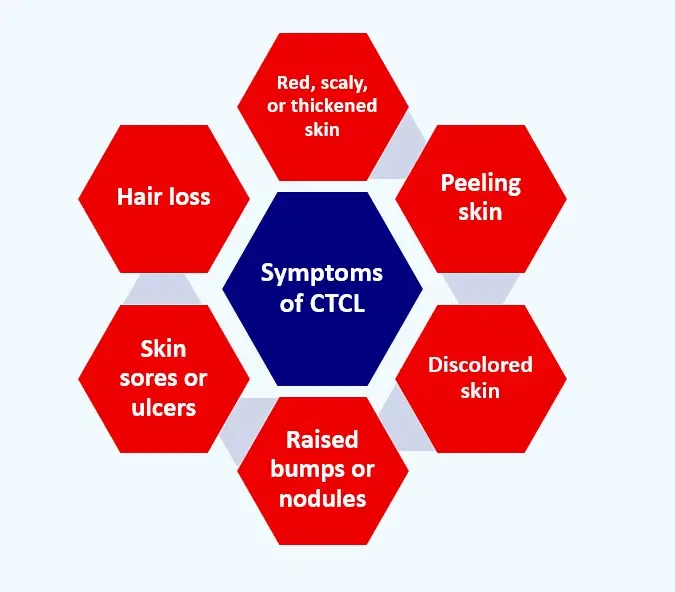
Cutaneous T-cell lymphoma (CTCL) is a rare group of non-Hodgkin lymphomas characterized by malignant T-lymphocytes primarily affecting the skin. The condition can present in various ways:
- Persistent patches or plaques resembling eczema or psoriasis
- Abnormal skin thickening or discoloration
- Tumors or nodules on the skin surface
- Unexplained itching resistant to standard treatments
- Enlarged lymph nodes in advanced stages
CTCL progresses through distinct stages, from early patch/plaque phases to advanced tumor formation and potential systemic involvement. Early detection is crucial for effective treatment and better patient outcomes.
The Dupixent and Cancer Link: Emerging Evidence
Recent scientific studies have raised concerns about a possible link between Dupixent and cancer development, particularly cutanous T-cell lymphoma. Clinical trial data and post-marketing surveillance reports document cases where patients developed CTCL after starting dupilumab treatment. This raises questions about whether the medication’s effects on the immune system may contribute to lymphoma development or progression in individuals who are already susceptible.
The mechanism of concern revolves around Dupixent’s potential to hide early CTCL symptoms. Both atopic dermatitis and early-stage CTCL have similar skin manifestations—such as patches, plaques, and intense itching—so the anti-inflammatory effects of dupilumab may temporarily improve the appearance of the skin while allowing an underlying malignancy to progress without detection. This masking effect could lead to delayed diagnosis, allowing CTCL to advance to more aggressive stages before proper identification and treatment begin.
Numerous lawsuits have been filed against Sanofi and Regeneron, the makers of Dupixent, alleging that they failed to adequately warn patients about these potential risks. These legal actions are part of a growing trend as more evidence emerges linking Dupixent use with serious health complications including cancer.
Legal Landscape of the Dupixent Cancer Lawsuit
The legal actions against Sanofi and Regeneron Pharmaceuticals center on allegations that these manufacturers failed to adequately warn healthcare providers and patients about the potential cancer risks associated with Dupixent, specifically the development of cutaneous T-cell lymphoma. Plaintiffs assert that the pharmaceutical companies possessed knowledge of these risks through clinical trial data and post-marketing surveillance reports yet did not provide sufficient warnings on product labeling or through direct communications to the medical community. These allegations form the foundation of the failure to warn claim, which represents a critical component of pharmaceutical liability claims in product liability litigation.
Failure to Warn Theory in Pharmaceutical Litigation
Pharmaceutical liability claims based on failure to warn theory establish that drug manufacturers bear a duty to disclose known or reasonably knowable risks associated with their products. This legal doctrine requires manufacturers to:
- Conduct adequate testing and monitoring to identify potential adverse effects
- Analyze post-marketing surveillance data for emerging safety signals
- Update product labeling promptly when new risk information becomes available
- Communicate material safety information to prescribing physicians
The Failure to warn Dupixent Cancer warning allegations specifically contend that Sanofi and Regeneron breached these duties by not providing adequate information about CTCL risks, thereby preventing physicians from making fully informed prescribing decisions and patients from providing truly informed consent.
Current Status of Litigation
As of 2025, multiple individual lawsuits have been filed in various jurisdictions across the United States. Plaintiffs seeking legal representation for Dupixent lawsuits have initiated claims in both state and federal courts. Despite the growing number of individual cases, no Dupixent class action lawsuit has been formally certified. The absence of class action status reflects the individualized nature of cancer diagnoses, treatment histories, and damages calculations that characterize these pharmaceutical injury cases.
However, legal experts suggest that there are instances where class action lawsuits might be applicable, similar to other cases such as the Firefly Aerospace Class Action Lawsuit or Baxter Class Action Lawsuit. These cases illustrate how class action suits can be utilized in specific circumstances within the broader context of pharmaceutical litigation.
Filing a Dupixent Cancer Lawsuit: Eligibility Criteria and Finding Legal Representation
Individuals seeking to pursue a Dupixent Cancer Lawsuit must meet specific criteria that establish a causal connection between their medication use and subsequent cancer diagnosis. The qualification parameters center on demonstrable evidence linking Dupixent administration to the development of cutaneous T-cell lymphoma or other malignancies.
Determining Eligibility for Legal Action
Patients who qualify for a Dupixent cancer lawsuit typically present the following characteristics:
- Diagnosis Timeline: A confirmed CTCL or related cancer diagnosis occurring during active Dupixent treatment or within a reasonable period following discontinuation of the medication
- Treatment Duration: Documentation of Dupixent use for any approved indication, including atopic dermatitis, asthma, chronic rhinosinusitis with nasal polyps, or eosinophilic esophagitis
- Medical Causation: Evidence suggesting no prior history of CTCL or predisposing conditions before initiating Dupixent therapy
- Temporal Relationship: Clear chronological connection between medication administration and cancer manifestation
Individuals eligible for a Dupixent cancer lawsuit must possess comprehensive medical documentation substantiating their claim. Pathology reports confirming CTCL diagnosis through skin biopsy, prescription records demonstrating Dupixent usage patterns, and clinical notes detailing symptom progression constitute essential evidentiary components. The absence of alternative explanations for cancer development strengthens the viability of potential claims.
Compensation Available in a Dupixent Cancer Lawsuit
Individuals pursuing legal action against the manufacturers of Dupixent may seek compensation for Dupixent cancer lawsuit claims through various categories of recoverable damages. The scope of damages in pharmaceutical lawsuits typically encompasses both economic and non-economic losses resulting from the alleged harm.
Economic Damages
Claimants may recover quantifiable financial losses directly attributable to their CTCL diagnosis following Dupixent use:
- Medical expenses – Past and future costs including diagnostic procedures, cancer treatments, chemotherapy, radiation therapy, hospitalizations, medications, and ongoing monitoring
- Lost wages – Income forfeited due to inability to work during treatment and recovery periods
- Loss of earning capacity – Reduced ability to generate future income resulting from permanent impairment or disability
- Out-of-pocket costs – Transportation to medical appointments, home modifications, specialized care equipment, and other necessary expenditures
Non-Economic Damages
These damages address intangible losses that lack precise monetary valuation:
- Pain and suffering – Physical discomfort, emotional distress, and diminished quality of life resulting from CTCL and its treatment
- Mental anguish – Psychological trauma, anxiety, depression, and emotional suffering associated with cancer diagnosis
- Loss of consortium – Impact on relationships with spouses and family members
Wrongful Death Claims
When CTCL proves fatal, surviving family members may pursue wrongful death claims seeking compensation for funeral expenses, loss of financial support, loss of companionship, and the decedent’s pre-death pain and suffering.
Potential Outcomes
Resolution of Dupixent cancer lawsuits may occur through negotiated settlements between parties or jury verdicts following trial. Settlement amounts remain confidential in many instances, while court verdicts become matters of public record. The specific compensation awarded depends on individual case circumstances, severity of injury, and jurisdictional factors.
Moreover, it is worth noting that other medications such as Zepbound have also been linked to severe health issues. For instance, individuals who have taken Zepbound and developed vision problems may want to consider contacting a Zepbound vision loss lawyer about a potential Zepbound vision loss lawsuit. Additionally, research has established a concerning association between GLP-1 receptor agonists like Zepbound and certain eye issues as detailed in this study on Zepbound eye issues.
Current Status & Updates on the Ongoing Dupixent Lawsuits
The Dupixent lawsuit update reflects an evolving legal landscape as plaintiffs continue filing claims against Sanofi and Regeneron Pharmaceuticals. As of 2025, individual lawsuits remain active in various federal and state courts across the United States, with plaintiffs alleging that manufacturers failed to adequately warn about the potential link between Dupixent use and cutaneous T-cell lymphoma development. The ongoing litigation status indicates a steady increase in case filings as awareness of potential cancer risks spreads among patients and healthcare providers.
Recent Developments in Pending Litigation
Several key developments characterize the current state of Dupixent-related litigation:
- Consolidation Discussions: Legal representatives have initiated discussions regarding potential consolidation of cases through multidistrict litigation (MDL), which would centralize pretrial proceedings for efficiency in handling common factual and legal questions.
- Discovery Phase Progression: Multiple cases have advanced into the discovery phase, where attorneys exchange evidence, including internal company documents, clinical trial data, and expert witness testimonies regarding the drug’s safety profile.
- Bellwether Trial Preparation: Courts may designate certain cases as bellwether trials to gauge how juries respond to evidence and arguments, providing insight into potential outcomes for remaining cases.
- Settlement Negotiations: While specific settlement amounts remain confidential, reports indicate that defendants have engaged in preliminary settlement discussions with select plaintiffs.
Regulatory Oversight and Safety Signal Monitoring
The FDA continues monitoring adverse event reports submitted through its MedWatch system, analyzing patterns of CTCL diagnoses among Dupixent users. The agency has not issued formal warnings or label changes specifically addressing CTCL risks as of early 2025, though pharmacovigilance activities remain active. European regulatory authorities, including the European Medicines Agency (EMA), similarly maintain surveillance protocols to assess safety signals emerging from post-market data. These regulatory bodies evaluate whether accumulating evidence warrants modifications to prescribing information or additional risk mitigation strategies.
In light of these ongoing legal battles surrounding medications like Dupixent, it’s crucial for patients to be aware of potential side effects associated with other drugs such as Trulicity. In fact, some patients have reported severe vision loss after using Trulicity, highlighting the importance of comprehensive safety information from pharmaceutical companies.
Protecting Yourself: Steps to Take if You Are Using or Have Used Dupixent
If you’re currently using or have previously used Dupixent, it’s important to stay alert for any signs of cutaneous T-cell lymphoma (CTCL). Taking proactive steps to monitor your health can help reduce the risk associated with this medication.
Recognizing Early Warning Signs of CTCL
Be on the lookout for these symptoms that require immediate medical attention:
- Persistent skin lesions: These may look like eczema patches but won’t improve with standard treatments.
- Unexplained skin thickening: Keep an eye out for any plaques forming, especially in areas not typically affected by atopic dermatitis.
- Unusual skin discoloration: Watch for red, scaly patches that are expanding or changing over time.
- Enlarged lymph nodes: If you notice swelling in the neck, armpits, or groin without any signs of infection, it’s worth getting checked out.
- Severe itching: If you’re experiencing intense itching that feels different from your usual atopic dermatitis symptoms, don’t ignore it.
- Skin tumors or nodules: Any sudden development or progressive growth of tumors or nodules on your skin should be evaluated by a doctor.
Documenting Changes and Seeking Medical Advice
Make sure to take photos of any changes in your skin and keep detailed records of when symptoms started, how they’ve progressed, and how you’ve responded to treatments. Regular check-ups with a dermatologist, including skin biopsies if necessary, can provide important information for distinguishing between conditions that respond to treatment and potential cancers.
If you notice any concerning symptoms, reach out to both your prescribing physician and a dermatologist who specializes in lymphoproliferative disorders. This will ensure that you receive a thorough evaluation and appropriate diagnostic tests.
Legal Considerations: Dupixent Cancer Lawsuit
If you’re thinking about joining a Dupixent Cancer Lawsuit, it may be helpful to consult with a lawyer. A Whistleblower Lawyer in Nashville can offer valuable advice on the potential impact of such a lawsuit, particularly regarding corporate responsibility and patient safety.
Frequently Asked Questions (FAQs) About the Dupixent Cancer Lawsuit
What makes someone eligible to file a Dupixent lawsuit?
Eligibility centers on documented use of Dupixent followed by a confirmed diagnosis of cutaneous T-cell lymphoma (CTCL). Claimants must establish a temporal relationship between medication administration and cancer development through comprehensive medical records. The diagnosis must occur during active treatment or within a reasonable timeframe following discontinuation.
How long do I have to file a claim?
Statutes of limitations vary by jurisdiction, typically ranging from one to three years from the date of diagnosis or discovery of the connection between Dupixent and CTCL. These deadlines are jurisdictionally specific and non-negotiable, requiring prompt consultation with qualified legal counsel to preserve filing rights.
What side effects should raise concern about potential CTCL?
Persistent skin lesions, unexplained rashes unresponsive to standard treatments, enlarged lymph nodes, severe itching without apparent cause, and skin patches that change in appearance or texture warrant immediate medical evaluation. These manifestations may indicate early-stage CTCL requiring specialized dermatological assessment and possible biopsy.
Are there costs associated with pursuing legal action?
Most pharmaceutical litigation attorneys operate on contingency fee arrangements, eliminating upfront costs for claimants. Legal fees derive from settlement proceeds or court awards, typically representing a predetermined percentage of recovered compensation. This structure ensures access to experienced representation regardless of financial circumstances.
In addition to the Dupixent case, you might find yourself interested in other class action lawsuits such as the Freeport-McMoRan Class Action Lawsuit or the Skye Bioscience Class Action Lawsuit, both of which have their own set of eligibility criteria and processes.
Conclusion
The Dupixent Cancer Lawsuit landscape in 2025 represents a critical intersection of pharmaceutical innovation and patient safety concerns. This comprehensive guide has examined the scientific evidence linking dupilumab to cutaneous T-cell lymphoma risks, the legal theories underpinning failure-to-warn claims against manufacturers, and the procedural pathways available to affected individuals seeking compensation. Patients diagnosed with CTCL following Dupixent treatment possess legal recourse through individual pharmaceutical liability claims. The evolving nature of these proceedings necessitates continuous monitoring of regulatory updates and judicial developments. Individuals experiencing suspicious dermatological symptoms must prioritize immediate medical evaluation and documentation. Legal consultation with attorneys specializing in pharmaceutical litigation remains essential for preserving rights and navigating the complex claims process effectively.
Timothy L. Miles, Esq.
Law Offices of Timothy L. Miles
Tapestry at Brentwood Town Center
300 Centerview Dr. #247
Mailbox #1091
Brentwood,TN 37027
Phone: (855) Tim-MLaw (855-846-6529)
Email: [email protected]
Website: www.classactionlawyertn.com
Facebook Linkedin Pinterest youtube
