
Introduction to the Depo-Provera Lawsuit
- Depo-Provera Lawsuit: Have been filed by thousands of women who were prescribed Depo-Provera and were subsequently diagnosed with Meningioma after suffering the brain tumor side effects of Depo-Provera are are seeking compensation for their losses and pain and suffering alleging the manufacturer failed to warn of the risk of developing Meningioma. For these cases it is vital to understand exactly what mass torts are and the difference between as mass tort and a class action. As these cases consolidate into multidistrict litigation (MDL), the legal system employs a strategic mechanism know as multidistrict litigation, where most all mass torts end up for coordinated pretrial discovery and proceedings.
- Competent Depo-Provera Lawyer: Pharmaceutical litigation requires experienced legal knowledge. Cases involving medications like Depo-Provera often involve intricate medical evidence, regulatory frameworks, and procedural requirements that can be challenging to navigate without experience. If you suffered Depo-Provera and Meningioma,call Depo-Provera Lawyer Timothy L. Miles today for a free case evaluation to see if you qualify for a Depo-Provera Lawsuit. (855)-846-6529 or [email protected].
THE ONLY CALL YOU WILL HAVE TO MAKE
855-TIM-M-LAW or (855)-846-6529
-
- Avvo Rated Top Lawyer 2024 by AVVO (2025)
- Top 25 Class action lawyerby the National Trial Lawyers Association (2023-present)
- Top 100 Civil Plaintiff Trial Lawyer by the National Trial Lawyers Association (2017-present)
- AV rating from Martindale-Hubble since 2014 (2014-present)
- 2020 Top Rated Litigator by Martindale-Hubble (2019-present)
- 2021 Top Rated Lawyer by Martindale-Hubble (2019-present)
- 2021 Elite Lawyer of the South by Martindale-Hubble (2019-present),
- Avvo Client’s Choice Award in 2021 (AVVO 2021)
- PRR AV Preeminent Rating on Lawyers.com by Martindale-Hubble® (2018-2022).
- Superb Rated Attorney, (10.0 out of 10), the Highest Rating Possible by Avvo.
- 10 rating by Justia, their highest rating for both legal abilities and ethics and professionalism.
- Depo-Provera: Is a commonly prescribed contraceptive injection containing medroxyprogesterone acetate (MPA), is currently facing significant medical and legal scrutiny. This comes after research established a link between prolonged use of the drug and an increased risk of developing meningioma, a type of brain tumor. This hormonal contraceptive, administered every three months to prevent pregnancy, has been used by millions of women worldwide for many years many of whom have experienced Depo-Provera Meningioma.
- Understanding Your Options: For those who have used this birth control shot and later experienced negative Depo-Provera side effects, 2025 will be an important year. It is crucial for affected patients to understand both the medical implications of Depo-Provera side effects and their legal options in order to seek accountability and compensation for their injuries.
- Other Pharmaceutical Litigation: Additionally, it’s important to recognize that other medications like Trulicity and Zepbound have also been linked to severe side effects such as vision loss. For example, Trulicity can cause debilitating conditions that may lead to vision impairment. Similarly, Zepbound has been associated with serious vision-related side effects as well. Another medication called Mounjaro has shown potential to cause blurry vision, which is often caused by certain underlying conditions.

Understanding Depo-Provera and Its Risks
- Depo-Provera: Is a commonly prescribed birth control injection given every three months to prevent pregnancy.
- What It Contains: It contains medroxyprogesterone acetate, a synthetic form of the hormone progesterone that works by preventing ovulation, thickening cervical mucus, and thinning the uterine lining.
- Pfizer manufactures two formulations: the standard Depo-Provera injection containing 150 mg of medroxyprogesterone acetate and Depo-SubQ Provera 104, a lower-dose subcutaneous version containing 104 mg.
Medical Applications Beyond Contraception
Healthcare providers prescribe Depo-Provera for several therapeutic purposes beyond pregnancy prevention:
- Endometriosis management: Reducing pain and tissue growth associated with this condition
- Uterine fibroid treatment: Decreasing fibroid size and associated bleeding
- Abnormal uterine bleeding control: Regulating menstrual cycles in patients with irregular bleeding patterns
- Endometrial hyperplasia prevention: Reducing the risk of uterine lining overgrowth in certain patient populations
The Link Between Depo-Provera and Meningioma
- Recent Scientific Evidence: Has established a concerning association between prolonged Depo-Provera use and increased meningioma risk. Meningioma is a type of brain tumor that develops in the protective membranes surrounding the brain and spinal cord. Research published in the British Medical Journal in March 2024 demonstrated that women using medroxyprogesterone acetate for extended periods faced significantly elevated risks of developing these tumors.
- Study Conclusions: The study revealed that patients receiving Depo-Provera injections for one year or longer experienced a 5.6 times higher risk of meningioma diagnosis compared to non-users. This risk escalated with duration of use, creating particular concern for women who relied on the birth control injection for multiple years.
- Depo-Provera Lawsuit: In light of such serious side effects, individuals affected by these complications have initiated numerous Depo-Provera claims against Pfizer, seeking compensation through experienced lawyers who specialize in pharmaceutical liability cases. This situation is reminiscent of other recent cases where medications like Dupixent have been linked to severe health issues, including cancer, as highlighted in ongoing Dupixent Cancer Lawsuit investigations. Similarly, other medications such as Trulicity have been associated with adverse effects like macular edema (Trulicity and Macular Edema), while some GLP-1 receptor agonists including Zepbound have shown correlations with eye issues (Zepbound Eye Issues).
The Legal Landscape of Depo-Provera Lawsuits
Depo-Provera Lawsuit: The surge in lawsuits against Pfizer is due to claims that the pharmaceutical company did not properly inform healthcare providers and patients about the increased risk of developing meningioma when using Depo-Provera.
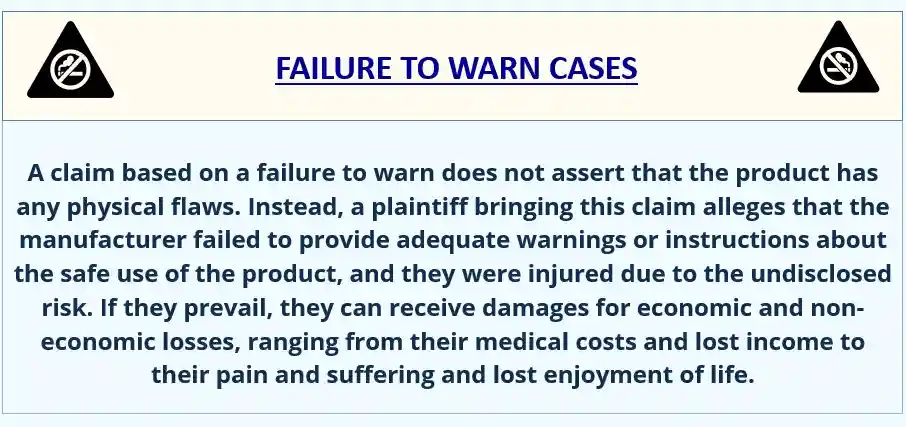
Failure to Warn: These failure-to-warn claims are the basis of the product liability lawsuit actions, which argue that Pfizer knew about the link between long-term use of medroxyprogesterone acetate and brain tumors but failed to communicate these risks through proper labeling or direct warnings.
Who are the plaintiffs?
The plaintiffs in these cases argue that if they had received proper notification about the possibility of developing meningioma symptoms from Depo-Provera, they would have chosen other contraceptive methods or made different healthcare choices.
What does the allegations emphasize?
The allegations highlight that Pfizer’s failure to update warning labels in the United States—despite increasing scientific evidence and regulatory actions in other countries—constitutes a violation of the manufacturer’s duty to ensure product safety and informed consent.
Consolidation of Claims through Multidistrict Litigation (MDL)
- The large number of claims has required judicial consolidation through multidistrict litigation (MDL) procedures.
- As of 2025, more than 1,200 cases have been filed against Pfizer and combined for coordinated pretrial proceedings.
Why is MDL important?
This MDL structure allows for efficient management of discovery processes, coordination of expert testimony, and consistent legal rulings across cases with similar factual and legal questions.
Anticipated Impact of Bellwether Trials
Bellwether Trials: Legal experts expect that bellwether trials—representative cases chosen to assess jury reactions and potential Pfizer lawsuit settlement values—will have a significant impact on the outcome of remaining claims.
Personal injury lawyer teams representing affected individuals are still looking into additional cases while existing lawsuits move forward in the federal court system.
Similar Trends in Pharmaceutical Litigation
- There has also been an increase in lawsuits involving other medications such as Wegovy, which have been associated with serious side effects like vision loss. This situation is similar to Depo-Provera where inadequate warnings about possible health risks have resulted in major legal consequences for manufacturers like Pfizer.
- Ongoing lawsuits related to drugs like Dupixent and Trulicity further demonstrate a broader pattern in pharmaceutical litigation, where failure-to-warn claims are becoming more common due to similar problems with insufficient disclosure of potential side effects by drug manufacturers.

Filing a Depo-Provera Lawsuit: Eligibility and Process
Determining whether you are eligible to file a Depo-Provera lawsuit requires careful evaluation of specific medical and temporal criteria. The fundamental requirements center on establishing a clear connection between prolonged Depo-Provera use and subsequent meningioma diagnosis.
Eligibility Criteria
Individuals who qualify for a Depo-Provera lawsuit typically meet the following conditions:
- Extended Use Period: Receipt of multiple Depo-Provera injections over a period of one year or longer, with particular emphasis on cases involving use exceeding two years
- Meningioma Diagnosis: Medical confirmation of an intracranial meningioma diagnosis following Depo-Provera treatment
- Temporal Relationship: Documented timeline showing meningioma development occurred during or after the period of Depo-Provera administration
- Medical Documentation: Comprehensive medical records establishing both the contraceptive use and subsequent tumor diagnosis
- Absence of Alternative Causes: Limited or no history of other significant risk factors that could independently explain meningioma development
The strength of each claim depends on the duration of exposure, the severity of the diagnosed condition, and the extent of medical intervention required for treatment.
Initiating a Claim
The process to file a Depo-Provera lawsuit follows a structured approach requiring methodical preparation:
- Medical Record Collection
- Obtain complete medical documentation including prescription records, injection dates, diagnostic imaging reports, pathology results, and treatment histories from all relevant healthcare providers.
- Case Evaluation
- Contact qualified attorneys specializing in pharmaceutical litigation or product liability claims. Many law firms offer complimentary case reviews to assess claim viability and potential compensation value.
- Legal Representation Selection
- Choose a Depo-Provera Lawyer experienced in handling complex pharmaceutical litigation, particularly those participating in the Depo-Provera MDL proceedings. Verify their track record with similar mass tort cases.
- Formal Claim Filing
- Your Depo-Provera Lawyer will prepare and file the necessary legal documents, including the Depo-Provera Lawsuit detailing your specific injuries, treatment history, and damages sought.
- Evidence Preservation
- Maintain all medical bills, employment records documenting lost wages, and personal journals describing symptoms and quality of life impacts.
-
- The statute of limitations varies by jurisdiction, making prompt action essential for preserving your legal rights.
-
- If you have suffered losses due to real estate investments in Alexandria, you might want to consider exploring an Alexandria Real Estate Class Action Lawsuit for a potential recovery.
-
- In addition to pharmaceutical lawsuits such as the one related to Depo-Provera, there are also other ongoing class action lawsuits like the MoonLake Class Action Lawsuit or Baxter Class Action Lawsuit, which may be relevant depending on your circumstances.
-
- Moreover, if you’re dealing with side effects from medications like Zepbound that have led to Eye Floaters, it could be beneficial to seek legal advice as well.
Compensation in a Depo-Provera Lawsuit: What You Need to Know
Individuals pursuing compensation for Depo-Provera injury may seek recovery for multiple categories of damages stemming from meningioma diagnoses and related complications. The financial and personal toll of brain tumor development creates substantial grounds for legal claims against Pfizer.
Categories of Recoverable Damages
Economic Damages encompass quantifiable financial losses directly attributable to the injury:
- Medical expenses for diagnostic imaging, neurosurgical procedures, radiation therapy, and ongoing monitoring
- Costs of prescription medications and post-operative care
- Rehabilitation services and physical therapy
- Lost wages during treatment periods and recovery
- Diminished earning capacity if permanent impairment results from surgery or tumor complications
- Future medical care requirements for tumor recurrence or management
Non-Economic Damages address intangible losses that significantly impact quality of life:
- Physical pain and suffering from tumor symptoms and surgical intervention
- Emotional distress and psychological trauma
- Loss of enjoyment of life activities
- Cognitive impairment or neurological deficits
- Disfigurement or scarring from cranial surgery

Settlement Range Considerations
- Compensation in a Depo-Provera lawsuit varies substantially based on case-specific factors. Lawsuit settlement amounts depend on the severity of meningioma, extent of medical intervention required, permanence of resulting disabilities, and strength of causation evidence linking Depo-Provera use to tumor development.
- Cases involving aggressive tumors requiring multiple surgeries, radiation treatment, or resulting in permanent neurological damage typically command higher settlement values than those involving benign, successfully treated meningiomas.
- In some situations, victims may also experience other serious side effects such as vision loss from medications like Mounjaro. For those affected by such circumstances, hiring a skilled Mounjaro Vision Loss Lawyer can be critical in navigating the complexities of the lawsuit.
- The duration and frequency of Depo-Provera use, combined with comprehensive medical documentation establishing the temporal relationship between exposure and diagnosis, significantly influences potential recovery amounts. In cases where other companies’ products are involved, such as with Firefly Aerospace or Baxter International Inc., individuals may consider joining a class action lawsuit. For more information on these potential legal avenues, resources are available on recent Firefly Aerospace class action lawsuits or the Baxter class action lawsuits.
Regulatory Actions and Current Legal Status of Depo-Provera Cases (2025)
- The regulatory response to Depo-Provera’s meningioma risks reveals significant disparities across global jurisdictions.
- The FDA has declined to mandate additional meningioma warnings on Depo-Provera labels, citing federal law preemption principles that limit state-level requirements for drug labeling modifications.
- This position maintains the current FDA drug label warnings despite mounting scientific evidence linking prolonged medroxyprogesterone acetate exposure to increased brain tumor development.
International Regulatory Divergence:
- European Union: Updated product information includes explicit warnings regarding meningioma risk with extended use
- Canada: Health Canada mandated label revisions highlighting the correlation between long-term Depo-Provera administration and brain tumor formation
- South Africa: Regulatory agencies in Europe, Canada, and South Africa have implemented comprehensive warning requirements for healthcare providers and patients
The Litigation Landscape
- The litigation status in 2025 reflects accelerated case progression through the multidistrict litigation framework. The consolidated proceedings, encompassing over 1,200 individual claims, have entered critical discovery phases. Court-appointed leadership has established expedited timelines for bellwether trial selection, with initial proceedings anticipated within the calendar year. Judicial management orders require Pfizer to produce extensive internal documentation regarding the company’s knowledge of meningioma risks and communication strategies with regulatory bodies.
- In such complex legal scenarios, seeking professional legal assistance becomes crucial. Law firms like The Law Offices of Timothy L. Miles, which practices in class action and mass torts, can provide valuable support for those affected by such regulatory oversights.
- Moreover, as these cases unfold, the role of whistleblowers could become increasingly significant. Legal experts in this field highlight the importance of protecting whistleblowers who expose such corporate malpractices. For instance, a Whistleblower Lawyer in Nashville can guide individuals through the complexities of reporting such issues while ensuring their rights are protected.
- As we continue to monitor this situation, it’s essential to remain informed about other ongoing legal matters that may serve as precedents or provide insights into the handling of such cases. For example, recent developments in the Freeport-McMoRan Class Action Lawsuit or the Skye Bioscience Class Action Lawsuit could offer valuable lessons in navigating complex litigation processes.

Conclusion
- The Depo-Provera lawsuit landscape in 2025 is a crucial moment for individuals who have experienced negative health effects after using this contraceptive for a long time. Understanding the Depo-Provera Lawsuit shows the extent and seriousness of the allegations against the pharmaceutical manufacturer, especially regarding Depo-Provera and Meningioma risks that were allegedly not disclosed to patients and healthcare providers.
- Individuals who meet the eligibility criteria—including extended Depo-Provera use and subsequent meningioma diagnosis—should prioritize consultation with qualified legal professionals skilled in pharmaceutical litigation. The consolidation of cases through multidistrict litigation demonstrates the seriousness of these claims and the potential for meaningful compensation.
- Time-sensitive statutes of limitations apply to product liability cases, making prompt action essential for preserving legal rights and securing appropriate representation in this evolving litigation.