
Introduction to Zepbound Vision Problems: A Meticulously Authoritative Patient Guide
Wecome to this meticulously authoritative patient guide on Zepbound Vision Problems. Zepbound (tirzepatide) is a prescription medicine used for chronic weight management in eligible adults. For many patients, it is a clinically meaningful option that supports sustained weight loss when combined with nutrition, physical activity, and ongoing medical care. At the same time, patients deserve clear, practical guidance on safety topics that are easy to misunderstand, especially when symptoms feel urgent.
Vision changes are one of those topics. Some people taking Zepbound report blurred vision, eye discomfort, or transient visual disturbances. Others worry about whether Zepbound can worsen diabetic eye disease, trigger serious Zepbound eye issues, or interact with contact lenses, dry eye, and migraine conditions. This guide is designed to help you distinguish common, usually reversible issues from time-sensitive red flags. It also outlines a proactive plan for prevention, monitoring, and escalation.
This is educational information, not medical advice. If you have sudden vision loss, severe eye pain, or stroke-like symptoms, seek emergency care.
If you were prescribed Zepbound and took it as directed and suffered Zepbound and NAION, Zepbound vision loss or other Zepbound eye problems, contact Zepbound Vision Loss Lawyer Timothy L. Miles today. You could be eligible for a Zepbound vision loss lawsuit and potentially entitled to substantial compensation. (855) 846–6529 or [email protected].
What Zepbound is, and why vision issues come up in the first place
Zepbound contains tirzepatide, a dual glucose-dependent insulinotropic polypeptide (GIP) receptor agonist and glucagon-like peptide-1 (GLP-1) receptor agonist. Even in people without diabetes, tirzepatide can improve insulin sensitivity and lower glucose variability. It can also reduce appetite and slow gastric emptying, which may contribute to dehydration, electrolyte shifts, and short-term changes in how the body regulates fluids.
Vision symptoms can enter the picture through several mechanisms:
- Glucose shifts can temporarily change the eye’s focusing power. The lens can swell or deswell depending on glucose level and osmotic balance. This can cause blurred vision that fluctuates as the body adjusts.
- Rapid metabolic improvement can destabilize pre-existing diabetic retinopathy. This phenomenon is known from other glucose-lowering therapies: the risk is highest in people with existing retinopathy and substantial, rapid A1C improvement.
- Dehydration and dry eye can worsen visual clarity. Reduced tear film stability can cause intermittent blur, burning, or “gritty” sensation.
- Blood pressure changes, migraine physiology, or medication interactions can contribute. Nausea, reduced intake, and changes in antihypertensive needs can influence perfusion and migraine frequency.
The important governance principle for personal health decision-making is straightforward: define risks, monitor risks, escalate risks. This guide follows that structure.
“Vision problems” means different things. Start by naming the symptom precisely.
Patients often use “vision problems” as a catchall. Clinically, precision matters because different symptoms point to different causes and different urgency.
Common symptom patterns (often non-emergent, but should be monitored):
- Mild blurred vision that comes and goes
- Difficulty focusing up close or at distance that started after dose escalation
- Dry eye symptoms: burning, stinging, foreign-body sensation, fluctuating blur that improves with blinking
- Brief “shimmering” or zig-zag patterns consistent with migraine aura (especially if you have a migraine history)
It’s important to note that certain medications like tirzepatide can lead to temporary blurred vision from glucose change. Even if you do not have diabetes, tirzepatide can change glucose patterns. In people with prediabetes or diabetes, glucose may drop meaningfully. When glucose levels shift, water can move in or out of the lens, altering refraction. This can feel like your glasses are “wrong” or your contacts suddenly do not work.
High-risk symptom patterns (time sensitive):
- Sudden vision loss in one or both eyes
- A “curtain” or shadow moving over vision
- New burst of floaters or persistent flashes of light
- Severe eye pain, significant redness, and nausea (concern for acute glaucoma or severe inflammation)
- New double vision, facial droop, slurred speech, weakness, or imbalance (concern for stroke or neurologic emergency)
When in doubt, treat the symptom as urgent until proven otherwise.
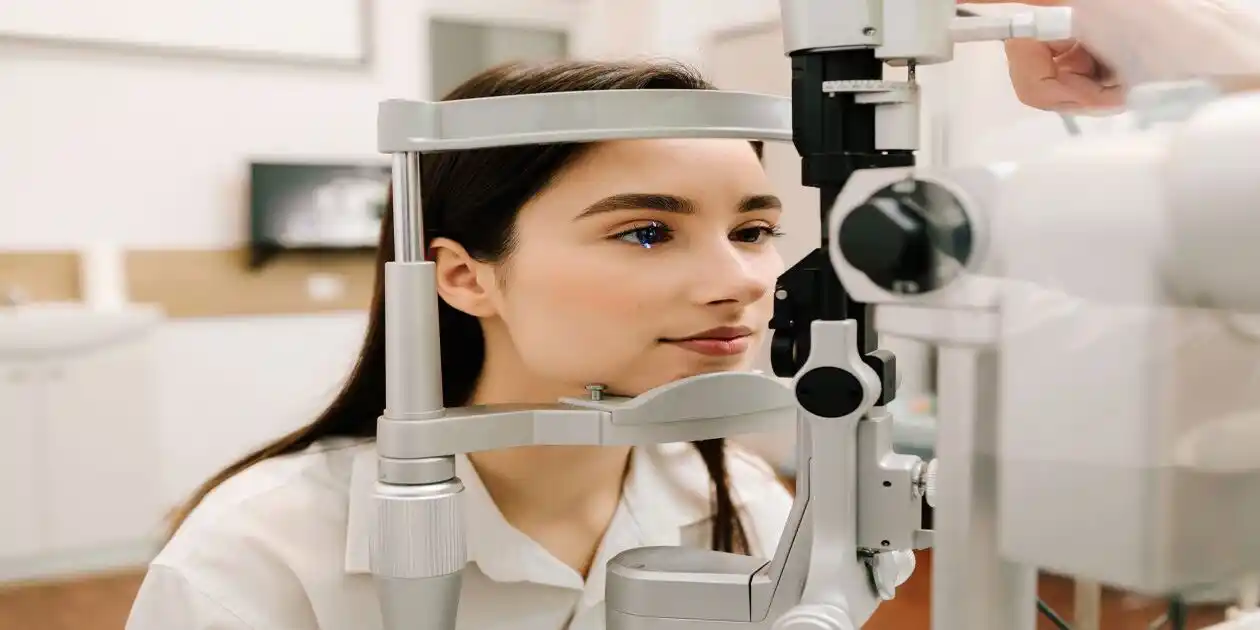
If you experience sudden Zebpound and vision loss, it may be a sign of a serious condition and could potentially qualify you for a Zepbound vision loss lawsuit. Always consult with a healthcare professional when experiencing these high-risk symptoms.
What it feels like
- Blurred vision that fluctuates day to day
- Worse after meals, during nausea periods, or after dose changes
- Often improves as the body stabilizes
What to do
- Do not rush to buy new glasses during the first several weeks after starting or increasing Zepbound if blur is intermittent. This medication can cause various eye side effects, including temporary blurred vision.
- If you have diabetes, monitor glucose more consistently during transitions. Document symptoms alongside readings.
- If symptoms persist beyond a few weeks, schedule an optometry or ophthalmology visit to confirm refraction and screen for retinal findings.
A practical rule: temporary, mild blur without pain or neurologic symptoms can often be monitored for a short window, but persistent or worsening blur warrants evaluation, especially considering the potential for severe outcomes such as blindness in rare cases.
Dry eye and dehydration: an under-recognized driver of fluctuating blur
Why it happens
Zepbound commonly causes nausea, decreased intake, and gastrointestinal side effects, especially during titration. Reduced fluid intake, plus changes in electrolytes, can worsen dry eye. This dry eye syndrome does not always feel “dry.” It often presents as variable blur that improves with blinking.
What it feels like
- Fluctuating blur, especially while reading or on screens
- Burning, tearing, redness, light sensitivity
- Contact lenses suddenly become uncomfortable
What to do
- Prioritize hydration and adequate protein intake as tolerated.
- Consider preservative-free artificial tears (ask your eye clinician which type is appropriate if you have eye disease).
- If you wear contacts, consider shorter wear time during titration weeks.
- If you have autoimmune dry eye, meibomian gland dysfunction, or a history of corneal problems, plan proactive follow-up.
Dry eye is not trivial. It is common, it is treatable and it is frequently mistaken for “something worse,” which drives unnecessary fear and delayed care for the actual issue. The link between Zepbound and eye issues should not be overlooked.
The serious concern: diabetic retinopathy and rapid improvement in glycemic control
The core concept
Rapid glucose improvement can temporarily worsen diabetic retinopathy in some patients with pre-existing disease. This is not unique to tirzepatide. It is a known clinical pattern associated with intensive glycemic improvement.
Who is at higher risk
- People with existing diabetic retinopathy, especially moderate to severe disease
- Long-standing diabetes with historically elevated A1C
- A large A1C drop over a short time after starting a potent therapy
- People who have not had recent retinal screening
What patients should do (governance in action)
- If you have diabetes, confirm you are up to date on a dilated retinal exam before starting, or as soon as feasible after initiation.
- Report any new floaters, blurred vision that is worsening, flashes, or visual field loss promptly.
If you already have retinopathy
Ask your prescriber and eye specialist to coordinate on the pace of titration, your A1C targets, and your eye follow-up interval.
This is proactive care: screen early, communicate clearly, monitor consistently.

Retinal detachment, vitreous hemorrhage, and macular edema: what symptoms demand urgent evaluation
While Zepbound does not directly cause retinal detachment, patients may experience eye events during the same period they are losing weight and changing metabolic control. It’s crucial for patients to recognize dangerous symptoms quickly rather than determine the cause themselves.
Seek urgent ophthalmic evaluation (same day if possible) for:
- Flashes and a sudden increase in floaters, especially in one eye
- A gray or black curtain across part of your vision
- Sudden loss of central vision or distorted lines (metamorphopsia)
- Sudden vision loss after coughing, vomiting, or exertion (possible vitreous hemorrhage, particularly in diabetic retinopathy)
If you cannot access urgent ophthalmology care, go to an emergency department as retinal conditions are time sensitive.
For those experiencing severe vision issues potentially linked to the use of Zepbound, it’s important to understand your legal rights. There have been instances where patients have pursued lawsuits for vision loss due to Zepbound. Keeping informed about ongoing updates related to Zepbound vision loss lawsuits can be beneficial. If you’re considering legal action due to such issues, consulting a vision loss lawyer with experience in Zepbound cases could provide valuable guidance.
Optic nerve and neurologic symptoms: separate eye problems from brain problems
Some visual complaints are not “eye” problems, but neurologic problems that present through the visual system.
Go to emergency care immediately if vision symptoms occur with:
- weakness or numbness on one side
- difficulty speaking or understanding
- severe sudden headache
- new imbalance or fainting
- persistent new double vision
These features raise concern for stroke, transient ischemic attack, or other neurologic emergencies. Do not attribute these symptoms to a medication without being evaluated.
Less common, but relevant: migraine aura, blood pressure shifts, and medication interactions
Migraine aura
Weight loss, dietary changes, dehydration, and sleep disruption can change migraine patterns. Migraine aura can cause:
- shimmering lights
- zig-zags
- blind spots that expand over minutes
Aura is often temporary, but first-time aura symptoms, prolonged aura, or aura with neurologic deficits warrants urgent evaluation.
Blood pressure changes
As weight decreases, some patients require less antihypertensive medication. Overmedication can lead to low blood pressure, dizziness, and transient visual dimming when standing. Discuss home blood pressure monitoring with your clinician if you are losing weight quickly.
Interaction with diabetes medications
If you take insulin or sulfonylureas, hypoglycemia can cause:
- blurry vision
- sweating, tremor, confusion
This is a safety governance issue: adjustments may be needed as weight loss and insulin sensitivity improve.
A step-by-step patient triage plan (simple, decisive, and practical)
Step 1: Classify your symptom by urgency
Emergency now
- sudden vision loss
- curtain/shadow over vision
- severe eye pain with nausea/redness
- neurologic symptoms (speech, weakness, facial droop)
Urgent within 24 to 48 hours
- new flashes/floaters
- persistent worsening blur not explained by dry eye
- distorted central vision
- significant eye redness with light sensitivity
Routine, but do not ignore
- mild intermittent blur during titration
- dry eye symptoms
- headaches with temporary visual shimmer consistent with known migraine patterns
Step 2: Document the details that clinicians need
Write down:
- date and time symptoms started
- one eye or both eyes
- pain or no pain
- any flashes/floaters/curtain effect
- glucose readings (if applicable)
- blood pressure readings (if you monitor)
- Zepbound dose and date of last dose increase
- any recent vomiting, dehydration, or new medications
This improves speed, accuracy, and continuity of care.
Step 3: Choose the correct clinician
- Ophthalmology for retinal symptoms, diabetic eye disease, flashes/floaters, sudden vision changes
- Optometry for refraction changes and dry eye evaluation (unless you have high-risk retinal symptoms)
- Primary care or endocrinology for glucose management, medication adjustments, and blood pressure review
- Emergency department for red flags or inability to access urgent eye care
Should you stop Zepbound if you have vision changes?
Do not make abrupt medication decisions based solely on fear. Make decisions based on symptom severity, risk profile, and clinician guidance.
A structured approach:
- If red flag symptoms occur such as sudden vision loss, seek emergency care first. Medication decisions can follow after evaluation.
- If symptoms are mild and consistent with dry eye or transient blur which might be attributed to Zepbound, contact your prescriber promptly but do not automatically stop therapy without guidance.
- If you have diabetes and known retinopathy, do not delay eye evaluation. Coordination between prescriber and eye specialist is essential.
In general, responsible care prioritizes: safety first, accuracy second, continuity always.
If you were prescribed Zepbound and took it as directed and suffered Zepbound and NAION, Zepbound vision loss or other Zepbound eye problems, contact Zepbound Vision Loss Lawyer Timothy L. Miles today. You could be eligible for a Zepbound vision loss lawsuit and potentially entitled to substantial compensation. (855) 846–6529 or [email protected].

Prevention and monitoring: the proactive checklist (especially during titration)
Before starting Zepbound (or as early as possible)
- If you have diabetes, confirm you are up to date on a dilated eye exam.
- If you have known retinopathy, ask your ophthalmologist what follow-up interval is appropriate during rapid metabolic changes.
- Review all medications that affect glucose and blood pressure, and plan for monitoring.
During dose escalation
- Maintain hydration and nutrition to reduce dry eye and orthostatic symptoms.
- Track glucose if you have diabetes or prediabetes, particularly if symptoms appear.
- Monitor blood pressure if you take antihypertensives or have dizziness.
- Avoid unnecessary prescription changes for glasses/contacts until vision stabilizes.
Ongoing
- Keep routine eye exams.
- Report changes early. Early reporting is not overreaction. It is risk management.
If you were prescribed Zepbound and took it as directed and suffered Zepbound and NAION, Zepbound vision loss or other Zepbound eye problems, contact Zepbound Vision Loss Lawyer Timothy L. Miles today. You could be eligible for a Zepbound vision loss lawsuit and potentially entitled to substantial compensation. (855) 846–6529 or [email protected].
Questions to ask your clinician (so the visit is efficient and decisive)
Bring these questions to your prescriber or eye clinician:
- “Given my A1C and eye history, what is my risk of retinopathy worsening during rapid improvement?”
- “Should we adjust the pace of dose escalation or glucose targets to reduce risk?”
- “What symptoms mean I should contact ophthalmology urgently?”
- “Do I need more frequent retinal imaging (OCT or fundus photography) during the next 3 to 6 months?”
- “Could dehydration, dry eye, or blood pressure changes explain my symptoms, and what is the specific plan to address them?”
The goal is clarity, not reassurance. Clarity prevents delays.
What to expect at an eye evaluation for Zepbound-related concerns
If you present with blurred vision or visual disturbances, a clinician may perform:
- Visual acuity testing and refraction check
- Dilated fundus exam
- Optical coherence tomography (OCT) to assess macular edema
- Retinal photography
- Intraocular pressure measurement if pain/redness is present
- Assessment for vitreous changes if flashes/floaters occur
These tests help separate benign refractive fluctuation from retinal pathology. It’s important to note that Zepbound can lead to eye floaters, which may require immediate attention.
Special populations: who should be especially vigilant
People with diabetes
- Prioritize baseline and follow-up retinal exams.
- Avoid ignoring floaters, flashes, or worsening blur as these could indicate serious conditions like diabetic retinopathy, especially when on Zepbound.
People with a history of retinopathy treatment
If you have had anti-VEGF injections, laser therapy, or vitrectomy, you should treat new symptoms as higher priority. Your retinal specialist should guide your monitoring plan.
Contact lens wearers
Expect dry eye to be more noticeable during titration. Reduced wear time and tear support can prevent corneal irritation that itself causes blur.
Patients with migraine
Hydration, sleep, and nutrition changes can shift migraine frequency. New aura patterns require evaluation.
A patient-centered summary (what matters most)
- Vision symptoms on Zepbound can be real, can be temporary, and can sometimes signal a time-sensitive eye emergency.
- The most common drivers are glucose-related refractive changes and dry eye from dehydration or reduced intake.
- The highest-risk clinical scenario is pre-existing diabetic retinopathy combined with rapid glycemic improvement, which requires proactive retinal monitoring.
- Your safety framework is consistent: recognize red flags, document clearly, escalate quickly, coordinate care.
If you want to be proactive, do not wait for symptoms to “prove” they are serious. Establish baseline eye care, keep follow-ups current, and treat sudden changes as urgent until evaluated. This approach is crucial in preventing serious complications like blindness while still benefiting from effective metabolic therapy.
If you were prescribed Zepbound and took it as directed and suffered Zepbound and NAION, Zepbound vision loss or other Zepbound eye problems, contact Zepbound Vision Loss Lawyer Timothy L. Miles today. You could be eligible for a Zepbound vision loss lawsuit and potentially entitled to substantial compensation. (855) 846–6529 or [email protected].
Frequently Asked Questions about Zepbound Vision Issues
What is Zepbound (tirzepatide) and how does it relate to weight management?
Zepbound contains tirzepatide, a dual GIP and GLP-1 receptor agonist, used as a prescription medicine for chronic weight management in eligible adults. It supports sustained weight loss when combined with nutrition, physical activity, and ongoing medical care.
Why do Zepbound vision issues occur in people taking the medication?
Vision symptoms during Zepbound treatment can arise due to glucose shifts temporarily changing the eye’s focusing power, rapid metabolic improvements destabilizing pre-existing diabetic retinopathy, dehydration and dry eye worsening visual clarity, and factors like blood pressure changes or migraine physiology influencing vision.
What are common non-emergent vision symptoms experienced by patients on Zepbound?
Common symptom patterns include mild blurred vision that comes and goes, difficulty focusing up close or at distance after dose escalation, dry eye symptoms such as burning or gritty sensation with fluctuating blur improving with blinking, and brief shimmering or zig-zag patterns consistent with migraine aura especially in those with migraine history.
Which vision symptoms should be treated as urgent while using Zepbound?
High-risk symptoms requiring immediate medical attention include sudden vision loss in one or both eyes, a curtain or shadow moving over vision, new bursts of floaters or persistent flashes of light, severe eye pain with redness and nausea indicating acute glaucoma or inflammation, and neurological signs like double vision, facial droop, slurred speech, weakness, or imbalance suggestive of stroke.
How should patients manage intermittent Zepbound and blurry vision when starting or increasing their dose?
Patients experiencing intermittent blurred vision should avoid rushing to buy new glasses during the first several weeks after starting or increasing Zepbound. Such blur often fluctuates day to day and may improve as the body stabilizes. Monitoring symptoms and consulting healthcare professionals is advised.
What steps should be taken if a patient experiences sudden severe Zepbound vision problems?
If sudden severe Zepbound vision problems occur—such as sudden Zepbound and vision loss or severe Zepbound eye pain—patients should seek emergency care immediately. These could indicate serious conditions potentially related to Zepbound use. Prompt consultation with healthcare professionals is essential for proper diagnosis and treatment.
If You Suffered from Zepbound and NAION or Other Zepboound Vision Problems, Contact Zepbound Vision Loss Lawyer Timothy L. Miles Today
If you were prescribed Zepbound and took it as directed and suffered Zepbound and NAION, Zepbound vision loss or other Zepbound eye problems, contact Zepbound Vision Loss Lawyer Timothy L. Miles today. You could be eligible for a Zepbound vision loss lawsuit and potentially entitled to substantial compensation. (855) 846–6529 or [email protected].
Timothy L. Miles, Esq.
Law Offices of Timothy L. Miles
Tapestry at Brentwood Town Center
300 Centerview Dr. #247
Mailbox #1091
Brentwood,TN 37027
Phone: (855) Tim-MLaw (855-846-6529)
Email: [email protected]
Website: www.classactionlawyertn.com