
Introduction to an Authoritative Guide to the Zepbound Vision Loss Lawsuit
- Zepbound Vision Loss Lawsuit: This article provides an overview, including a previously published and comprehensive chart on Zepbound approvals, clinical studies and more within the context of a Zepbound Vision Loss Lawsuit along with important additional information. The analysis addresses the specific Zepbound vision issues at the center of these legal proceedings and clarifies how early trial results may influence settlement negotiations and establish precedents for subsequent claims. We hope you find this information helpful.

- Zepbound (tirzepatide): Is an important new medication for weight loss and obesity-related conditions. It has been approved by the U.S. Food and Drug Administration (FDA) for long-term weight management in adults with obesity or overweight, especially those with weight-related health issues. This drug has caught the attention of both medical professionals and patients looking for effective treatments for obesity
- Zepbound Vision Problems: There have been numerous reports and clinical research on Zepbound vison problems that need to be thoroughly investigated. These Zepbound vision side effects, which can range from temporary blurriness to more serious eye complications, including Zepbound and vision loss, require careful consideration by healthcare providers and patients. It is crucial to understand how tirzepatide affects the eyes so that informed decisions can be made about continuing treatment and minimizing risk
- Failure to Warn: Plaintiffs and Zepbound Vision Loss lawyers argue that additional warnings should have been provided, prompting some individuals to seek compensation in a Zepbound Vision Loss Lawsuit. This chart below compiles major regulatory approvals, medical studies, and developments in the Zepbound Vision Loss Lawsuit—including ongoing post-marketing safety monitoring, label changes, and the latest claims regarding Zepbound Vision Problems. Understanding this timeline can help you determine if you may be eligible for a Zepbound Vision Loss lawsuit.
- Free Case Evaluation: If you suffered Zepbound Blindness or other Zepbound vision problems call Zepbound Blindness Lawyer Timothy L. Miles today for a free case evaluation. (855)-846-6529 or [email protected]. The only call you will have to make.

BREAKING DOWN THE ZEPBOUND VISION SIDE EFFECTS
1. Nonarteritic Anterior Ischemic Optic Neuropathy (NAION)
NAION: Represents the most concerning ocular complication associated with Zepbound treatment. This condition occurs when blood flow to the optic nerve becomes compromised, resulting in sudden and often permanent vision impairment. Patients experiencing NAION typically report abrupt onset of vision loss upon waking, frequently affecting one eye initially. The characteristic presentation includes:
-
- Sudden, painless vision loss in one or both eyes
- Significant peripheral vision defects or blind spots
- Altered color perception, particularly difficulty distinguishing between colors
- Visual field constriction that may progress without intervention
Zepbound Eye Side Effects: The pathophysiology of NAION in Zepbound users involves complex interactions between rapid metabolic changes and optic nerve perfusion. When blood supply to the optic nerve head becomes insufficient, nerve tissue damage occurs swiftly, creating irreversible visual deficits in many cases.
- Breaking down the meaning of the name component-by-component:
-
- Non-Arteritic: The reason it is called “non-arteritic” is because there is reduced blood flow without true inflammation of the blood vessels (as there is in arteritis).
-
- Anterior: It is called “anterior” because the reduced blood flow and injury to the optic nerve happen at the front-most part of the nerve, where the nerve meets the eye.
-
- Ischemic: The reason it is called “ischemic” is because that is the word that describes an injury due to reduced blood flow.
-
- Optic Neuropathy: The reason it is called an “optic neuropathy” because it is an injury to the optic nerve, which disrupts the ability of eye to send information to the brain.
Defining the Characteristics of NAION
- NAION is characterized by sudden, painless, unilateral vision loss upon awakening.
- Is the most common cause of optic nerve swelling and optic neuropathy in adults older than 50.
- NAION and is caused by decreased blood flow to the front part of the optic nerve (optic disc). However, the exact mechanism causing reduced blood flow to the optic nerve is not proven.
- What is known is that NAION occurs more often when a patient has conditions such as diabetes, high blood pressure, and sleep apnea. Additionally, smoking may also elevate the risk of developing NAION.
- Additionally, it happens more often in patients born with small optic discs (the front part of the optic nerve that can be seen within the eye).
- It typically affects one eye, although the other eye sometimes suffers similar loss months or years later (there is about a 15% risk of second eye involvement within 5 years). Rarely, both eyes may be affected at the same time.
- Approximately 15% of people with NAION in one eye will develop NAION in the other eye within 5 years
Symptoms of NAION
- NAION Clinical Presentation: The way NAION presents itself is quite unique, allowing healthcare providers to recognize it during a thorough eye examination. Patients usually experience:
-
- Sudden Vision Loss: Sudden, painless vision loss in one eye that occurs upon waking up or is noticed within the first few hours of the day
-
- One Side Involvement: With one eye being affected initially, although there’s an increased risk for the other eye
-
- Visual Filed Defects: Specific visual field defects, most commonly affecting the lower part of the visual field
-
- Optic Disc Swelling: Swelling of the optic disc and visible bleeding during an eye examination
-
- Pupil Defect: A relative defect in pupil response in the affected eye
-
- Dark or Gray Spot: The vision loss from NAION often consists of a gray or dark spot that does not move or change or a severe blur. For many patients, the vision loss affects the bottom or top half of the vision in one eye, although other patterns of vision loss may occur.
-
- Color Vision and Ability to See Contrasts: IIn addition to central vision loss, there may be difficulties with color vision and reduced ability to see contrasts, which can affect daily activities.
The Risk Factors for NAION
- Optic Nerve Anatomy: Having a naturally small or “crowded” optic disc (“disc-at-risk”). This is an unchangeable physical trait.
- Age: Most common in adults over 50
- High Blood Pressure (Hypertension): Especially if blood pressure drops too low overnight, sometimes because of medication taken at bedtime.
- Diabetes: Poorly controlled blood sugar and the associated blood vessel damage.
- Sleep Apnea: A condition where breathing stops temporarily during sleep. This is a significant risk factor, possibly due to changes in blood pressure and oxygen levels at night.
- Smoking: Damages blood vessels and is a strong risk factor.
- High Cholesterol (Hyperlipidemia): Contributes to hardening of the arteries (atherosclerosis).
- Certain Medications: The heart medicine amiodarone and some erectile dysfunction drugs (like Viagra, Cialis, Levitra) may be associated with NAION in at-risk individuals.
- Genetic Predisposition: Minor changes in genes related to blood flow control and clotting that can increase susceptibility in some cases.
- Chronic Vascular Effects: Other risk factors may include the chronic vascular other risk factors may include the chronic vascular effects of anemia and kidney disease.
- Nocturnal hypotension: Significant drops in blood pressure during sleep can decrease blood flow to the optic nerve head.
It is vital that you work with your primary care physician to identify and manage the well-established health risks to help prevent NAION in the other eye or a future vascular event like a heart attack or stroke.
2. Zepbound and Blurry Vision
- Blurred vision: Represents the most frequently reported Zepbound eye problem among users.
- Inability to Focus: Patients describe this condition as difficulty achieving sharp focus when reading text, recognizing faces at moderate distances, or performing tasks requiring visual precision.
- Blood Glucose Changes: The blurring may affect one or both eyes and can fluctuate throughout the day, often intensifying during periods of rapid blood glucose changes.
- Visual Haziness: Some individuals report the sensation resembles looking through a foggy window or experiencing persistent visual haziness that standard corrective lenses fail to resolve.
3. Zepbound and Eye Floaters
Eye Floaters: Medically known as myodesopsias, are another frequently reported phenomenon associated with Zepbound use. These visual disturbances appear as:
- Small dark spots or specks drifting across the field of vision
- Cobweb-like strands that move with eye movement
- Shadow-like shapes that become more noticeable against bright backgrounds
- Transparent or semi-transparent objects that seem to float in the visual field
Persistent Problem: The relationship between Zepbound and eye floaters has garnered increasing attention from both patients and healthcare professionals, as these symptoms can persist throughout treatment and occasionally beyond discontinuation.
4. Diabetic Retinopathy Progression
- Diabetic Retinopathy: Is a major concern for patients using GLP-1 receptor agonists like Zepbound. It involves gradual harm to the blood vessels in the retina, which can be seen through signs such as microaneurysms, bleeding, and new blood vessel growth. Interestingly, while Zepbound treatment aims to control blood sugar levels quickly, it may unintentionally worsen retinopathy in susceptible individuals, especially those with existing microvascular issues.
- Drop in Blood Glucose Levels: This is because a sudden drop in blood glucose levels can disturb the retinal blood vessels, causing them to become more permeable and leading to insufficient blood supply.
5. Zepbound and Macular Edema
- Macular Edema: Another complication associated with Zepbound is macular edema, characterized by fluid buildup in the macula—the central part of the retina responsible for sharp vision. As a result, patients may experience blurred central vision, difficulty reading, and altered color perception.
- Compromised Visual Clarity: This condition occurs when the barrier between the blood vessels and retinal tissue is disrupted, allowing fluid leakage into the macula and compromising visual clarity.
6. Retinal Vascular Occlusions
- Artery and Retinal Vein Occlusions: Retinal vascular occlusions, one of the more serious Zepbound vison problems. including both retinal artery and retinal vein occlusions, represent acute vascular events that can result in sudden, profound vision loss. These conditions involve blockage of blood vessels supplying or draining the retina, leading to ischemia and potential permanent retinal damage.
- Retinal Stroke: Scientific evidence from adverse event reporting systems has identified cases of retinal stroke occurring in temporal association with Zepbound administration, raising questions about potential vascular effects of dual GIP and GLP-1 receptor agonist on ocular circulation.
7. Fluctuating Vision Quality
- Vision Quality Throughout the Day: The connection between Zepbound and blurry vision goes beyond temporary visual disruption. Some patients experience varying Zepbound vison problems quality throughout the day, with symptoms intensifying during specific times or following medication administration.
- Impact Quality of Life: These visual disturbances can negatively impact quality of life, requiring adjustments to daily routines and potentially necessitating temporary restrictions on activities such as driving or operating machinery.

8. Zepbound Dry Eye Syndrome
Ocular surface dryness represents a manageable complication requiring targeted interventions:
- Apply preservative-free artificial tears at regular intervals throughout the day
- Utilize humidifiers in living and working environments to maintain optimal moisture levels
- Implement the 20-20-20 rule: every 20 minutes, focus on an object 20 feet away for 20 seconds
- Consider punctual plugs under ophthalmologic guidance for persistent dry eye symptoms
9. Zepbound Eye Pain
- Eye pain: Discomfort ranging from mild irritation to severe ocular pain requiring immediate medical evaluation.
- Seek Immediate Medical: Help: Moreover, contact your doctor right away you have any changes to your eyes, such as blurred vision or vision changes while you are using Zepbound. You doctor may want you to have your eyes checked by an eye doctor.
10. Conjunctivitis (Pink Eye) & Zepbound
Possible Causes:
- Allergic Reaction: Zepbound can cause allergic reactions; eye redness/swelling could be part of that.
- Underlying Condition: While it has not been established, rapid blood sugar changes might indirectly affect eye health.
11. Zepboubd and Eye Twitching
- Zebpound and Eye Twitching (myokymia): Appears as involuntary, repetitive contractions of the eyelid muscles. Eye twitching has been reported as one of the Zepbound Eye Side Effects.
- Could Be Indicative of Dehydration: While these spasms are usually harmless, they can indicate underlying imbalances in electrolytes or dehydration triggered by the medication’s impact on the digestive system.
12. Zepbound and Headaches
- Headaches: Are a possible side effect of GLP-1 receptor agonists, and some people may experience migraine attacks while taking GLP-1 drugs such as Zepbound
- Hypoglycemia (low blood sugar): Is listed as a serious side effect of Zepbound and may cause headaches and dizziness.
Why Does Zepbound Cause Vision Problems? Understanding the Mechanism Behind It All!
- Mechanism of Action: Tirzepatide’s dual receptor activation fundamentally alters metabolic processes, creating a cascade of physiological changes that extend beyond weight management.
- Enhancing Insulin Secretion: The medication’s primary action involves enhancing insulin secretion and suppressing glucagon release, resulting in significant glucose metabolism fluctuations that directly impact ocular tissues.
How Tirzepatide Affects Vision
- Rapid Changes in Blood Glucose Levels: The retina and optic nerve have high metabolic demands, needing a constant supply of oxygen and nutrients through a complex network of blood vessels. When tirzepatide causes rapid changes in blood glucose levels, these delicate vessels experience stress.
- Disrupts Blood Flow to Optic Nerve: Sudden drops in glucose concentration can trigger compensatory responses in the blood vessels, potentially disrupting blood flow to the optic nerve head and retinal structures.
Vascular Stress Mechanisms
Vascular stress mechanisms include:
- Alterations in blood viscosity affecting microcirculation
- Fluctuations in intraocular pressure related to fluid balance shifts
- Oxidative stress from metabolic adjustments
Vulnerability of the Optic Nerve Head
- Anatomical Structure: The optic nerve head is particularly vulnerable due to its unique anatomical structure. This region relies on a watershed zone of blood supply, making it susceptible to ischemic events when perfusion pressure decreases.
- Patients With Pre-Existing Vascular Issues: Including those with diabetes, hypertension, or atherosclerotic disease—are at higher risk as their baseline ocular circulation already operates under reduced capacity. The combination of existing vascular insufficiency and medication-induced metabolic changes creates conditions favorable for vision complications.
Monitoring Eye Health While Taking Zepbound
Regular Eye Examinations: Patients prescribed Zepbound require structured eye check-ups to catch any vision problems early on. Regular eye examinations are the best way to prevent further damage to the eyes, especially for those with existing diabetes or heart disease risk factors that make them more susceptible to retinal and optic nerve issues.
Eye Check-Up Schedule
Healthcare providers recommend comprehensive eye evaluations at baseline before starting Zepbound treatment, followed by scheduled assessments every six months during active treatment. These examinations should include:
- Dilated fundoscopic examination to assess retinal integrity
- Intraocular pressure measurement to screen for glaucoma
- Visual field testing to identify peripheral vision deficits
- Optical coherence tomography when retinal abnormalities are suspected
When to Seek Immediate Help
- Eye Pain and Visual Problems: Patients experiencing Zepbound eye pain, sudden vision changes, or persistent visual disturbances must seek immediate medical help rather than waiting for scheduled appointments.
- Acute Symptoms: The presence of acute symptoms—including sharp eye discomfort, intolerance to light, or dramatic vision reduction—warrants urgent evaluation to rule out conditions such as NAION or acute angle-closure glaucoma.
- Establishing Reference Points: Documentation of baseline visual acuity and retinal photographs establishes critical reference points for detecting subtle progression of eye problems throughout treatment duration.

The Zepbound Vision Loss Lawsuits
- Zepbound Vision Loss Lawsuit: Litigation against Eli Lilly has intensified as patients report experiencing significant Zepbound and vision loss following treatment with tirzepatide.
- Failure to Warn: Multiple lawsuits allege the pharmaceutical manufacturer failed to provide adequate warnings regarding the medication’s potential to cause serious eye complications, including non-arteritic anterior ischemic optic neuropathy (NAION) and diabetic retinopathy progression.
- Uninformed Decision: Plaintiffs assert that had they received proper disclosure about Zepbound and vision loss risks, they would have pursued alternative weight management therapies.
Legal Claims Against Eli Lilly
- Product Liability: Legal claims center on product liability theories, specifically failure to warn and design defect allegations.
- Eligible for a Zepbound Vision Loss Lawsuit: Individuals who developed permanent vision impairment while taking Zepbound may qualify for a Zepbound vision loss lawsuit if they can demonstrate a causal connection between medication use and their ocular damage.
Seeking Legal Assistance
- Consult a Zepbound Vision Loss lawyer: Those seeking to determine if they are eligible for such a lawsuit should consult with a Zepbound vision loss lawyer experienced in pharmaceutical litigation.
- Documentation: Of pre-existing eye health status, treatment timelines, and medical records proving Zepbound vision problems becomes essential evidence in these complex cases.
Compensation in a Zepbound Vision Loss Lawsuit
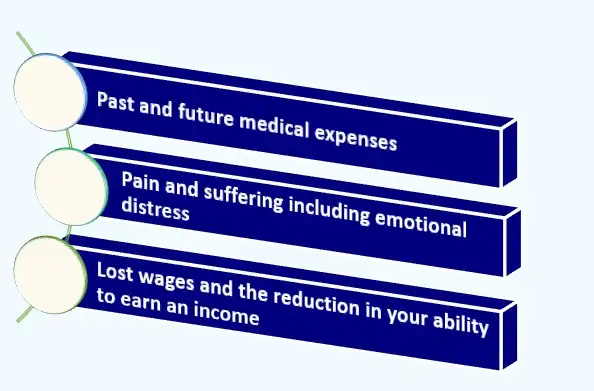
If you are eligible for a Zepbound vision loss lawsuit, a successful plaintiff is entitled to compensatory damages which would include compensation for things such as:
- past and future medical expenses;
- pain and suffering including emotional distress; and
- lost wages and the reduction in your ability to earn an income.
If your case proceeds to trial it is also possible the court could impose punitive damages, intended to punish the defendant for their actions. Contact Zepbound vision loss lawyer Timothy L. Miles who can tell you if you are eligible for a Zepbound vision loss lawsuit and can explain more about the type of damages you are entitled to receive. (855) 846–6529 or [email protected].
Zepbound Vision Loss Lawsuit Lawsuit Timeline: Approvals, Studies, Litigation
| Year/Date | Event/Study/Approval/Update | Summary | Source/Reference |
| 2022 | FDA Approval: Type 2 Diabetes | Tirzepatide approved for adults with type 2 diabetes; initial safety data notes risk of diabetic retinopathy as seen in GLP-1 RAs. | FDA Label |
| 2022 | SURPASS-1 to SURPASS-5 Trials Published | Phase 3 trials show efficacy in T2DM; subgroup analyses suggest possible increased rates of diabetic retinopathy complications compared to placebo. | NEJM 2021;385:503–515 Lancet 2021;398:143–155 |
| 2023 | EMA Approval | EMA approves tirzepatide for T2DM; label includes warning about potential worsening of diabetic retinopathy—mirroring other GLP-1 RAs. | EMA Assessment Report |
| 2023 | Real-world Reports Begin | Clinicians report rare cases of rapid progression of diabetic retinopathy after rapid glucose lowering with tirzepatide—similar phenomenon known with semaglutide. | PubMed Case Reports Endocrine Practice 2023 |
| 2023 | Labeling Update: Diabetic Retinopathy Risk | US & EU labels updated to reinforce monitoring for visual changes in patients with pre-existing diabetic retinopathy. | FDA Label EMA SmPC |
| Late 2023 | Review Article: GLP-1 RAs & Retinopathy | Systematic review finds no clear increased risk unique to tirzepatide vs. other GLP-1 agonists, but highlights need for vigilance during rapid A1c reduction. | Diabetes Care 2023;46(12):e123–e125 |
| Early 2024 | Post-Marketing Surveillance | Ongoing surveillance by FDA/EMA; no new black box warnings or formal safety signals specific to tirzepatide as of early 2024. | FDA FAERS Dashboard EMA PRAC Meeting Notes |
| May–June 2024 | Case Series: Worsening Retinopathy | Population-based retrospective cohort finds no statistically significant increase in new-onset retinopathy vs. other agents when controlling for glucose reduction speed. | |
| April 2024 | Large Observational Study | Population-based study (retrospective | ADA/EASD Consensus Report |
| June 2024 | Professional Society Guidance | ADA and EASD recommend eye exams before starting GLP-1 RAs or tirzepatide in patients with pre-existing diabetic retinopathy. | PubMed Example (search, update with final citation as available) |
| Mid–Late 2024 | Regulatory Monitoring Continues | No additional warnings added as of mid-2024; agencies continue close monitoring and recommend routine retinal screening per diabetes guidelines. | FDA Safety Updates |
| August 2025 | Cohort Study | Semaglutide or Tirzepatide and Optic Nerve and Visual Pathway Disorders in Type 2 Diabetes | JAMA NETWORK |
Conclusion
- The Importance of Regular Eye Exams: The detailed study of Zepbound Vision Changes shows how important it is to have regular eye check-ups during tirzepatide treatment. Patients starting this therapy need to understand that any changes in their vision could be signs of serious eye problems that need immediate medical attention.
- Preventive monitoring methods are essential for reducing risks effectively. Healthcare professionals must conduct initial eye examinations before starting treatment and set up regular follow-up procedures. Patients should keep a record of any changes in their vision, no matter how minor they may seem, and promptly inform their medical team about these changes.
Frequently Asked Questions About Zepbound Eye problems
Is there a link between Zepbound vision loss?
Yes, nonarteritic anterior ischemic optic neuropathy (NAION) is the most concerning Zepbound vision side effects that may be linked to Zepbound use. This condition occurs when there is insufficient blood supply to the optic nerve head, resulting in sudden and painless vision loss, usually affecting one eye.
Recent surveillance data suggests that the frequency of NAION reports is similar for semaglutide and tirzepatide, with preliminary incidence rates of approximately 8.9 per 100,000 person-years for semaglutide and 9.7 per 100,000 person-years for tirzepatide. This indicates that NAION occurs at a similar, very rare rate across this class of drugs, though the risk is a serious one and requires ongoing monitoring.
Can Zepbound cause blurry vision?
Yes, blurry vision is a serious ocular side effect of Zepbound.
What should I do if I experience Zepbound eye problems?
Stop taking the medication and contact your healthcare provider immediately. Prompt assessment can help prevent further complications.
Who can I contact if I suffered Zepbound vision side effects?
If you suffered Zepbound eye problems you should first consult with your healthcare provider for medical evaluation. For legal advice, contact Zepbound vision loss lawyer Timothy L. Miles for a free case evaluation. (855) 846–6529 or [email protected].
How much does it cost to Hire a Zepbound Vision Loss Lawyer?
- No Cost to Hire a Lawyer: It does not cost anything to hire a Zepbound vision loss lawyer if you are eligible for a Zepbound vision loss lawsuit.
- Contingency Fees: We take all cases on a contingency basis which means we do not get paid unless we win or settle your case.
- A Zepbound vision loss lawyer: Can explain the process and answer any questions you may have free of charge, so contact Timothy L. Miles today for a free case evaluation and see if you are eligible for a Zepbound vision loss lawsuit. (855) 846–6529 or [email protected].
Are certain patients at higher risk for developing Zepbound and Vision Loss?
Several patient populations demonstrate increased vulnerability to ocular complications during Zepbound therapy. Individuals with pre-existing diabetic retinopathy or macular edema face substantially elevated risks of Zepbound vision side effects, as the medication may exacerbate underlying retinal pathology.
What Causes Zepbound and Vision Loss or other Zepbound Eye Problems?
The exact mechanism of Zepbound vision side effects is still being investigated. However, the belief is that Zepbound eye problems may be a result of the side effects caused by the medication.
Timothy L. Miles, Esq.
Law Offices of Timothy L. Miles
Tapestry at Brentwood Town Center
300 Centerview Dr. #247
Mailbox #1091
Brentwood,TN 37027
Phone: (855) Tim-MLaw (855-846-6529)
Email: [email protected]
Website: www.classactionlawyertn.com
Facebook Linkedin Pinterest youtube

