Introduction to Zepbound Eye Problems: A Patient Reference Guide
Welcome to an authoratative analysis of the Zepbound Eye Problems. Zepbound (tirzepatide) is a prescription medication used for chronic weight management in adults who meet specific clinical criteria. As use expands, many patients are asking a practical and reasonable question: can Zepbound affect the eyes? This guide explains what is known, what is plausible, what is urgent, and what to do next, using patient-friendly language and clinically grounded definitions.
If you were prescribed Zepbound and took it as directed and suffered Zepbound and Vision Loss, Zepbound vision loss or other Zepbound eye problems, contact Zepbound Vision Loss Lawyer Timothy L. Miles today. You could be eligible for a Zepbound vision loss lawsuit and potentially entitled to substantial compensation. (855) 846–6529 or [email protected].
Understanding Zepbound and Why Eye Symptoms Come Up
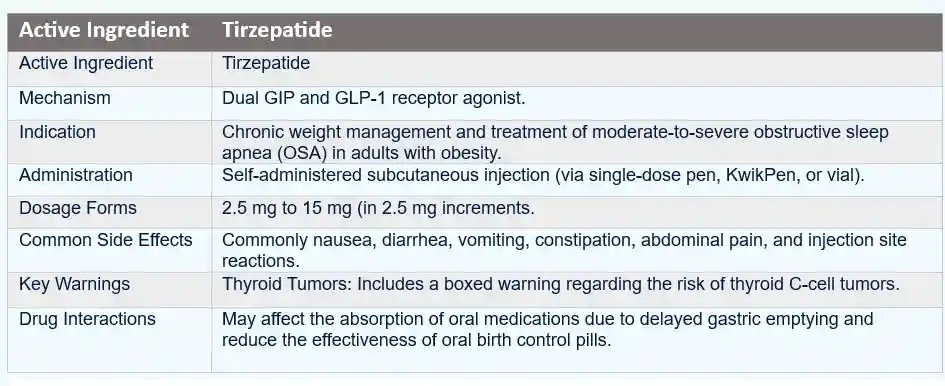
Zepbound is tirzepatide, a medication that acts on two hormone pathways involved in glucose regulation and appetite signaling:
- GLP-1 (glucagon-like peptide-1) receptor activity
- GIP (glucose-dependent insulinotropic polypeptide) receptor activity
These actions can produce meaningful weight loss and metabolic improvements. They can also change how quickly blood sugar levels shift in people with diabetes or prediabetes. That matters because the retina is sensitive to metabolic change, and rapid improvements in glycemic control have long been associated with short-term changes in diabetic eye disease risk.
Even in patients without diabetes, any new medication can coincide with symptoms such as blurry vision, dryness, headache-related visual disturbance, or changes driven by dehydration, nutrition, blood pressure, or migraine pattern shifts. In fact, there have been reports of vision problems linked to Zepbound including blurry vision, dryness, and even more severe issues like vision loss.
“Eye Problems” Can Mean Different Things: A Practical Symptom Map
Patients often use “eye problems” as a single phrase, but clinicians separate it into categories because the urgency differs.
1) Vision changes
- Blurry vision (intermittent or persistent)
- Difficulty focusing
- New trouble reading up close or seeing distance clearly
- Distorted vision (straight lines look wavy)
It’s important to note that these vision changes are not the most common side effects of Zepbound, which typically include gastrointestinal issues such as nausea, constipation, and diarrhea. However, when they do occur, they can be indicative of more serious problems.
2) Eye surface symptoms
- Dryness, burning, gritty sensation
- Redness
- Light sensitivity
These symptoms may also arise as Zepbound eye side effects, although they are not usually the primary concern for patients.
3) Neurologic visual symptoms
- Flashes of light
- New floaters
- Blind spots
- “Curtain” or shadow across vision
- Double vision
- Severe headache with visual changes
When experiencing these neurologic visual symptoms after starting or increasing tirzepatide dosage, it’s crucial to seek immediate medical attention. The key patient skill is recognizing which bucket your symptom fits into, because the next step ranges from “monitor and hydrate” to “same-day emergency evaluation.”
4) Retinal and optic nerve concerns
- Worsening diabetic retinopathy
- Macular edema (retinal swelling affecting central vision)
- Optic nerve swelling (papilledema) or optic neuropathy (rare, but urgent when suspected)
The most clinically important eye risk associated with Zepbound is usually indirect. Eye issues that occur around the time of starting or increasing tirzepatide often relate to metabolic acceleration, especially in people with diabetes and existing diabetic retinopathy. Rapid glycemic improvement can sometimes coincide with short-term worsening of retinal findings, even while long-term control is beneficial.
In severe cases, these complications could lead to vision loss, emphasizing the need for awareness and prompt action in response to any concerning symptoms.
Some visual symptoms can be “system effects,” not eye disease
A subset of patients experience blurred vision or eye discomfort due to:
- Dehydration (reduced tear production, dry eye)
- Electrolyte shifts
- Blood pressure changes
- Lower caloric intake (temporary fatigue, light sensitivity, headache triggers)
- Blood glucose variability (especially in diabetes or with medication adjustments)
These causes are often reversible, but they still deserve assessment if persistent, severe, or unilateral.
Zepbound and Blurry Vision: Common Scenarios and What They Mean
Scenario A: Intermittent blurry vision in the first 1 to 8 weeks
Possible contributors:
- Changes in hydration and tear film (dry eye)
- Headaches or migraine pattern changes
- Shifts in blood sugar (more likely if you have diabetes, but not exclusive)
This scenario is particularly relevant for those experiencing Zepbound dry eye syndrome, which can lead to intermittent blurry vision.
What to do:
- Track timing: relation to dose day, meals, screen time, and hydration
- Check blood glucose if you have diabetes or symptoms of hypoglycemia
- Consider lubricating eye drops (preservative-free artificial tears) and environmental changes
- Arrange a routine eye exam if it persists beyond 1 to 2 weeks or affects driving
Scenario B: Persistent blurry central vision
This is more concerning, particularly for:
- People with diabetes (macular edema risk)
- Anyone with distortion (wavy lines) or new central smudge
Such symptoms could be indicative of serious complications related to Zepbound and blurry vision, and should not be taken lightly.
What to do:
- Schedule a prompt eye evaluation (often within days)
- If you have diabetes, ask specifically whether retina imaging is needed (fundus photography or OCT)
In some cases, these visual disturbances could escalate to vision loss, which underscores the importance of seeking immediate medical advice.
Scenario C: Sudden vision loss, curtain/shadow, flashes and floaters
These symptoms can indicate retinal tear/detachment or vitreous hemorrhage. They are not “wait and see” symptoms.
What to do:
- Seek same-day emergency eye care (ER or urgent ophthalmology)
Additionally, if you’ve been exposed to Zepbound and are experiencing such vision loss symptoms, it may be advisable to explore the potential link between the drug and your condition. You can find more information about this Zepbound and vision loss scenario.

Diabetic Retinopathy: The High-Relevance Topic for Many Patients
Definitions that matter
- Diabetic retinopathy (DR): damage to retinal blood vessels from diabetes
- Proliferative DR: advanced stage with fragile new vessels that can bleed
- Diabetic macular edema (DME): swelling near the macula causing central vision loss
Why metabolic change can affect DR
When glucose control improves quickly, retinal blood flow and vascular signaling can shift. Historically, rapid A1C reduction has sometimes been associated with transient early worsening of retinopathy in susceptible patients. Importantly, this does not mean metabolic improvement is bad. It means patients with established DR need proactive monitoring during periods of rapid change.
Who should be most proactive
You should assume you need tighter eye monitoring if you have any of the following:
- Known diabetic retinopathy or macular edema
- Long duration of diabetes
- High baseline A1C before starting therapy
- Recent major changes in diabetes medications
- Pregnancy (a separate high-risk setting for DR progression)
A practical monitoring plan to discuss with your clinician
- Baseline comprehensive dilated eye exam (or confirm it is current)
- Follow-up interval individualized by your ophthalmologist (often sooner if DR exists)
- Clear communication between prescriber and eye specialist when there is known DR
This is proactive care: monitor early, monitor consistently, monitor with intention.
If you find yourself dealing with unexpected vision issues after using Zepbound, it may be worthwhile to consider a Zepbound vision loss lawsuit as a potential recourse.
Dry Eye, Irritation, and Light Sensitivity: Why They May Happen
Zepbound itself is not primarily an “eye surface drug,” but dry eye symptoms can emerge indirectly due to:
- Reduced fluid intake from appetite suppression or nausea
- Increased diuresis in some patients
- Environmental factors plus more screen time during fatigue
What helps most patients:
- Hydration with a structured plan (not just “drink more”)
- Preservative-free artificial tears 2 to 4 times daily as needed
- Limiting ceiling fan or direct airflow to eyes
- Humidifier use in dry climates
- Contact lens breaks during symptomatic periods
When to escalate:
- Significant pain, marked redness, discharge, or one-sided light sensitivity
- History of uveitis, herpes eye disease, or corneal problems
- Symptoms that worsen instead of improving over 7 to 10 days
Headache-Related Visual Symptoms: Migraine, Aura, and Medication Transitions
Some patients report headaches during dose escalation or periods of reduced intake. Headaches can produce:
- Light sensitivity
- Blurred vision
- Visual aura (zig-zag lines, shimmering shapes, transient blind spots)
Most migraine aura resolves within an hour, but there are exceptions.
Urgent escalation is warranted if:
- “Worst headache of your life”
- New neurologic deficits (weakness, confusion, speech difficulty)
- Visual loss that does not resolve
- Double vision with severe headache
Because these symptoms overlap with more serious conditions, clinicians often use a rule-out approach rather than reassurance alone.
Rare but Serious Eye-Related Emergencies: Red-Flag Checklist
Seek urgent care (same day, do not wait for a routine appointment) for any of the following:
- Sudden loss of vision in one or both eyes
- New “curtain,” shadow, or missing area of vision
- New flashes of light with a sudden increase in floaters
- Eye pain with nausea and halos around lights (possible acute angle-closure glaucoma)
- Severe eye pain, marked redness, and light sensitivity (possible uveitis/keratitis)
- Double vision with severe headache or neurologic symptoms
- Any visual symptom after eye trauma
These events are not specific to Zepbound, but patients may first notice them during medication changes. The correct response is still urgent evaluation.
If you were prescribed Zepbound and took it as directed and suffered Zepbound and Vision Loss, Zepbound vision loss or other Zepbound eye problems, contact Zepbound Vision Loss Lawyer Timothy L. Miles today. You could be eligible for a Zepbound vision loss lawsuit and potentially entitled to substantial compensation. (855) 846–6529 or [email protected].
Can Zepbound Cause Floaters?
While floaters are common, often benign age-related changes in the vitreous gel, a sudden shower of floaters—especially with flashes or a curtain effect—can indicate retinal tear or bleeding. Zepbound is not generally considered a direct cause of floaters. The clinically important point is not blame assignment but rather symptom triage:
- Longstanding, stable floaters: mention at next eye exam.
- Sudden onset or rapidly worsening floaters: urgent assessment.
Can Zepbound Affect Eye Pressure or Glaucoma?
There is no widely established direct mechanism by which tirzepatide routinely elevates intraocular pressure. Nonetheless:
- Some emergencies (like acute angle closure) present with headache, halos, nausea, and blurry vision.
- Dehydration and medication changes can alter headache patterns, which can be misinterpreted as “eye pressure.”
If you have diagnosed glaucoma:
- Continue glaucoma medications as prescribed.
- Inform your eye doctor you are using tirzepatide, mainly for completeness and coordination.
- Seek urgent care for pain and halos, not because you are on Zepbound, but because the symptom profile is high-risk.
For more information about potential Zepbound-related eye problems, including issues like sudden vision loss, floaters, and other serious symptoms that require immediate attention.
Zepbound, Contacts, and Screen Strain: Common Practical Issues
Weight loss programs often coincide with lifestyle changes, more exercise, and more digital tracking. Those can amplify:
- Zepbound Dry eye from contact lens wear
- Screen-related eye fatigue
- Reduced blinking
Practical steps:
- Use the 20-20-20 rule (every 20 minutes, look 20 feet away for 20 seconds)
- Rewetting drops compatible with contacts
- Consider daily disposable lenses if dryness worsens
- Add omega-3 intake only if approved by your clinician (not appropriate for everyone)
What to Tell Your Clinician: A Structured “Eye Symptom Report”
When you report eye symptoms, specificity improves outcomes. Use this checklist:
- Onset: exact day, and whether it started after a dose increase of Zepbound
- Laterality: one eye or both
- Type: blur, distortion, flashes, floaters, pain, redness, light sensitivity
- Duration: seconds, minutes, hours, constant
- Triggers: screen time, dehydration, exercise, low blood sugar symptoms, headaches
- Function impact: reading, driving, work safety
- Medical context: diabetes status, last A1C (if known), prior retinopathy, last dilated exam date
- Current meds: insulin, sulfonylureas, diuretics, antihypertensives, migraine meds, anticoagulants
This structure helps your primary clinician decide whether you need routine optometry or urgent ophthalmology due to potential Zepbound-related eye issues, medication adjustment or a systemic evaluation.
Should You Stop Zepbound if You Have Eye Symptoms?
Do not stop a prescription medication abruptly without medical guidance—this is particularly important when dealing with potential Zepbound and eye floaters or other serious side effects—except when an emergency clinician instructs you to do so. The safer approach is tiered:
- Emergency symptoms (curtain effect in vision, sudden loss of vision or severe pain): go to urgent care/ER now. Medication decisions can follow after evaluation.
- Moderate but persistent symptoms (ongoing blur or distortion in vision): contact your prescriber and schedule prompt eye evaluation.
- Mild short-lived symptoms (dryness or brief blur): monitor your condition while hydrating and using conservative measures; inform your clinician if it recurs.
If you have diabetes and are also using medications that can cause hypoglycemia (notably insulin or sulfonylureas), your prescriber may need to adjust doses as hypoglycemia and rapid glucose swings can produce visual symptoms and safety risks.
In some cases, the use of Zepbound has been linked to severe conditions such as NAION or even blindness (blindness lawsuit update). Always consult with your healthcare provider regarding any concerning symptoms.
Eye Exam Timing: A Proactive Plan That Prevents Problems
Forward-looking care is not reactive. It is structured, documented, and repeated.
If you do not have diabetes
- Maintain routine eye exams as recommended for your age and risk profile.
- If you develop persistent blur or recurrent headaches with visual symptoms, schedule an earlier check.
If you have diabetes (type 1 or type 2)
- Ensure a dilated eye exam is up to date before or soon after starting Zepbound.
- If you have known retinopathy, follow your ophthalmologist’s monitoring schedule closely, especially during major metabolic changes.
If you have known diabetic retinopathy
- Ask your eye specialist whether you need OCT imaging to monitor for macular edema.
- Report any new distortion, central blur, or sudden changes promptly.
This is governance in personal health: baseline, monitoring, escalation pathways, documentation. It reduces risk and promotes long-term integrity of outcomes.
A Practical Action Plan (Print-Friendly)
If you are starting or increasing Zepbound dose:
- Confirm your most recent eye exam date.
- If you have diabetes, confirm whether you have ever been told you have retinopathy.
- Track any new visual symptoms for the first 8 weeks, including timing and triggers.
If you develop mild symptoms (dryness, slight blur):
- Hydrate consistently.
- Use preservative-free artificial tears.
- Reduce screen strain and take contact lens breaks.
- Reassess in 48 to 72 hours.
If you develop persistent or function-limiting symptoms:
- Contact your prescriber.
- Schedule an optometry or ophthalmology visit soon.
- If diabetic, ask whether retina imaging is indicated.
If you develop emergency symptoms:
- Sudden vision loss, curtain/shadow, flashes with many floaters, severe pain/redness, neurologic deficits
- Seek same-day emergency evaluation.
Closing Perspective: The Goal Is Not Fear, It Is Preparedness
Zepbound can be a powerful tool for weight management and metabolic improvement. For most patients, eye problems are not a primary complication. For a subset, particularly those with diabetes and existing retinal disease, the period of rapid metabolic change is a time to be deliberate.
Be proactive. Be specific. Be monitored. When symptoms occur, escalate appropriately. That combination protects vision, protects outcomes, and supports long-term success.
If you were prescribed Zepbound and took it as directed and suffered Zepbound and Vision Loss, Zepbound vision loss or other Zepbound eye problems, contact Zepbound Vision Loss Lawyer Timothy L. Miles today. You could be eligible for a Zepbound vision loss lawsuit and potentially entitled to substantial compensation. (855) 846–6529 or [email protected].

Frequently Asked Questions about Zepbound Vision Problems
What is Zepbound (tirzepatide) and how does it work for weight management?
Zepbound, also known as tirzepatide, is a prescription medication used for chronic weight management in adults who meet specific clinical criteria. It works by activating two hormone pathways involved in glucose regulation and appetite signaling: GLP-1 (glucagon-like peptide-1) receptor activity and GIP (glucose-dependent insulinotropic polypeptide) receptor activity. These actions help produce meaningful weight loss and metabolic improvements.
What about Zepbound vision problems?
Yes, while not the most common side effects, Zepbound has been linked to various eye-related symptoms including blurry vision, dryness, redness, and in rare cases more severe issues like vision loss. These effects may result from rapid metabolic changes, especially in people with diabetes or preexisting diabetic retinopathy. It’s important to monitor any new or worsening visual symptoms during treatment.
What types of Zepbound eye problems should patients on Zepbound be aware of?
Eye symptoms related to Zepbound can be categorized into four main groups: 1) Vision changes such as blurry or distorted vision; 2) Eye surface symptoms including dryness, burning, and light sensitivity; 3) Neurologic visual symptoms like flashes of light, floaters, blind spots, double vision, or severe headaches with visual changes; and 4) Retinal and optic nerve concerns such as worsening diabetic retinopathy or macular edema. Recognizing which category your symptom fits into helps determine urgency.
When should I seek urgent medical attention for eye symptoms while taking Zepbound?
Urgent medical evaluation is necessary if you experience neurologic visual symptoms such as sudden flashes of light, new floaters, blind spots, a curtain or shadow across your vision, double vision, or severe headache accompanied by visual changes. These could indicate serious conditions requiring immediate care. Additionally, sudden or severe visual disturbances should always be treated as an emergency.
Why do rapid improvements in blood sugar control from Zepbound affect the eyes?
The retina is sensitive to metabolic changes. Rapid improvements in glycemic control—common when starting or increasing Zepbound—can temporarily worsen diabetic eye disease due to accelerated metabolic shifts. This short-term risk underscores the importance of close monitoring of eye health in patients with diabetes during treatment.
Are there non-eye disease factors that can cause visual symptoms while on Zepbound?
Yes, some visual disturbances may stem from systemic effects rather than direct eye disease. These include dehydration leading to dry eyes, electrolyte imbalances, blood pressure fluctuations, reduced caloric intake causing fatigue or headaches affecting vision, and blood glucose variability. While often reversible, persistent or severe symptoms warrant assessment by a healthcare provider.
If You Suffered from Zepbound and Vision Loss or Other Zepboound Vision Problems, Contact Zepbound Vision Loss Lawyer Timothy L. Miles Today
If you were prescribed Zepbound and took it as directed and suffered Zepbound and Vision Loss, Zepbound vision loss or other Zepbound eye problems, contact Zepbound Vision Loss Lawyer Timothy L. Miles today. You could be eligible for a Zepbound vision loss lawsuit and potentially entitled to substantial compensation. (855) 846–6529 or [email protected].
Timothy L. Miles, Esq.
Law Offices of Timothy L. Miles
Tapestry at Brentwood Town Center
300 Centerview Dr. #247
Mailbox #1091
Brentwood,TN 37027
Phone: (855) Tim-MLaw (855-846-6529)
Email: [email protected]
Website: www.classactionlawyertn.com