
Introduction to Zepbound Eye Problems: The Ultimate Patient Update
Welcome to this untimate patient update on the Zepbound Eye Problems. Zepbound (tirzepatide) is a widely prescribed medication for chronic weight management, leading many patients to ask a crucial question: can Zepbound cause eye problems, and what should I watch for? This update aims to consolidate what is known from the medication’s safety profile, what clinicians monitor in practice, and what symptoms require urgent action.
If you were prescribed Zepbound and took it as directed and suffered Zepbound Eye Problems, Zepbound vision loss or other serious Zepbound Vision Side Effects, contact Timothy L. Miles, a Zepbound Vision Loss Lawyer today. You could be eligible for a Zepbound vision loss lawsuit and potentially entitled to substantial compensation. (855) 846–6529 or [email protected].

Understanding Zepbound and Potential Eye Symptoms
Zepbound is a once-weekly injectable medication that contains tirzepatide, a dual-acting GIP (glucose-dependent insulinotropic polypeptide) receptor agonist and GLP-1 (glucagon-like peptide-1) receptor agonist. It aids in weight loss through appetite reduction, delayed gastric emptying, and metabolic effects on glucose regulation.
Eye concerns may arise for three primary reasons:
- Metabolic changes can affect the retina, particularly in individuals with diabetes or pre-existing retinal disease.
- Common side effects such as nausea, vomiting, and dehydration can indirectly trigger visual symptoms like dizziness, blurred vision, or headache-related changes.
- Rare but serious events exist in the differential diagnosis whenever a patient reports sudden vision change, whether or not the medication is the root cause.
The key governance principle here is straightforward: symptoms first, attribution second. Any new vision change deserves evaluation even if the cause later proves unrelated.
Distinguishing Between Diabetes-Related Eye Risk and Non-Diabetes Use
While Zepbound is primarily indicated for weight management—which includes many individuals without diabetes—the medication’s use in type 2 diabetes under a different brand often leads to overlapping discussions about eye safety due to shared biological factors.
The most clinically significant risk context is as follows:
- Individuals with diabetes, especially those with existing diabetic retinopathy, may experience temporary worsening of retinopathy when glucose levels improve rapidly. This phenomenon isn’t unique to tirzepatide; it has been documented historically with intensive glycemic improvements from multiple therapies.
- Individuals without diabetes do not have diabetic retinopathy as an underlying vulnerability but can still experience eye symptoms due to unrelated causes such as dehydration, migraine, blood pressure shifts, or coincidental ocular disease.
Thus, it would be inaccurate to claim that “Zepbound causes eye damage” as a blanket statement. A more accurate framing would be: certain patients have specific retinal risk factors, and rapid metabolic change can alter those risks.
For more detailed insights into potential eye problems associated with Zepbound, including common side effects and specific issues like dry eye syndrome, it’s crucial to consult healthcare professionals who can provide personalized advice based on individual health conditions.
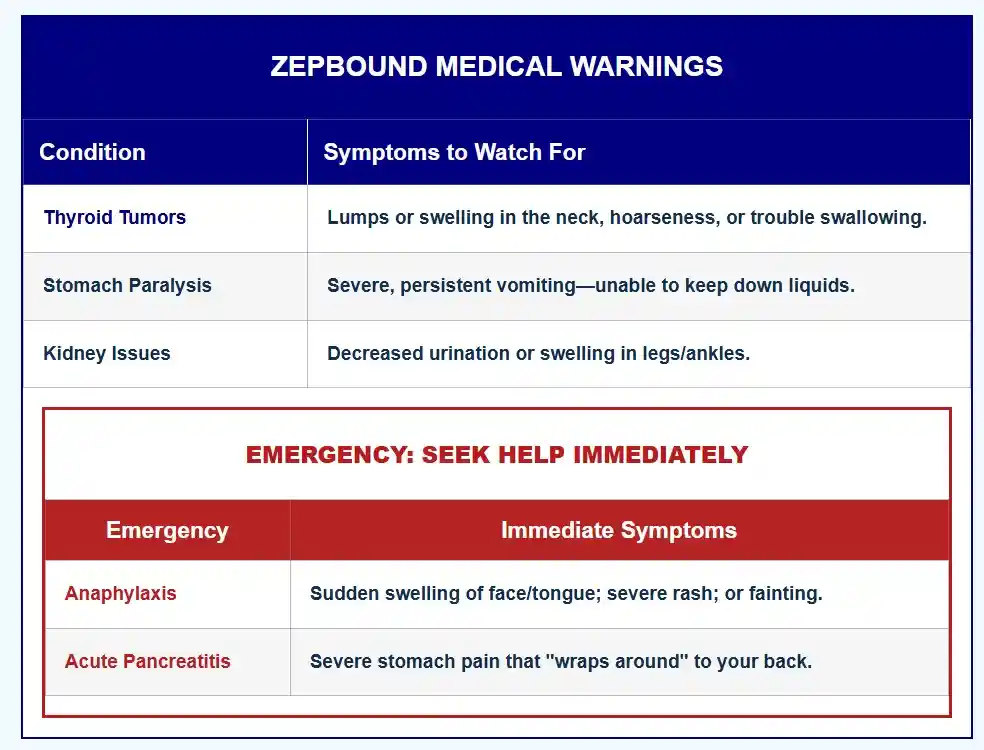
Eye Problems Patients Report: What They Usually Mean
Patients use “eye problems” to describe many different sensations. Sorting symptoms into categories helps determine urgency.
1) Blurred Vision
Blurred vision can occur for multiple reasons:
- Blood sugar fluctuations: In people with diabetes or prediabetes, changes in glucose can change the lens’ water content and refractive power, causing transient blur.
- Dehydration: Vomiting, reduced intake, or diarrhea can reduce tear film stability and cause intermittent blur and eye discomfort.
- Medication timing and meals: Some patients notice blur during periods of reduced caloric intake or lightheadedness.
What to do: If blur is mild and intermittent, note timing, hydration status, and blood glucose patterns if relevant, then inform your prescriber. If blur is sudden, severe, one-sided, or associated with neurologic symptoms, treat it as urgent (see red flags below).
2) Eye Dryness, Irritation, or “Gritty” Sensation
These symptoms are usually consistent with dry eye disease and can be worsened by dehydration, reduced blinking (screen time), or environmental factors. Weight loss periods can coincide with reduced overall intake, and that can matter.
What to do: Increase hydration as tolerated, consider preservative-free artificial tears, and discuss persistent symptoms with an eye clinician.
3) Headache With Visual Disturbance
Some patients experience headaches while adjusting to appetite changes, reduced intake, caffeine changes, or dehydration. Headache can be accompanied by:
- light sensitivity
- shimmering lines or blind spots (migraine aura)
- transient blur
What to do: If you have a history of migraine and the pattern is familiar, document it and discuss it with your clinician. If this is new, escalating, or accompanied by eye pain or neurologic deficits, seek urgent evaluation.
4) Floaters and Flashes
Floaters (spots, cobwebs) and flashes can be benign, but they can also signal posterior vitreous detachment or, more urgently, retinal tear or retinal detachment.
This category matters because it is time-dependent. A medication may be coincidental, but the retina does not wait for attribution debates.
What to do: New onset of numerous floaters, flashes, or a “curtain” over vision should be treated as an emergency.
5) Eye Pain, Redness, Halos, and Nausea
This combination raises concern for acute angle-closure glaucoma in susceptible individuals. It is uncommon, but it is an ocular emergency.
What to do: Do not wait. Seek emergency care immediately.
What We Know About Tirzepatide and Retinopathy Risk
The most defensible, patient-centered summary is:
- Tirzepatide improves glycemic control and can do so quickly.
- In patients with pre-existing diabetic retinopathy, rapid improvement in glucose has the potential to be associated with transient worsening of retinopathy.
- The mechanism is generally understood as a “rapid correction” effect rather than direct ocular toxicity. This has precedent with insulin intensification and other therapies.
This is why clinicians often emphasize baseline eye exams and ongoing retinal monitoring for patients with diabetes, especially if retinopathy is present.
If you do not have diabetes, your clinician may still recommend routine eye care, but the specific retinopathy monitoring framework is usually most relevant for patients with diabetes or a known retinal diagnosis.
If you were prescribed Zepbound and took it as directed and suffered Zepbound Eye Problems, Zepbound vision loss or other serious Zepbound Vision Side Effects, contact Timothy L. Miles, a Zepbound Vision Loss Lawyer today. You could be eligible for a Zepbound vision loss lawsuit and potentially entitled to substantial compensation. (855) 846–6529 or [email protected].
Red Flags: Symptoms That Require Same-Day Urgent Care
If you are taking Zepbound and develop any of the following symptoms, seek urgent evaluation (emergency department, urgent ophthalmology, or emergency eye clinic depending on availability):
- Sudden loss of vision in one or both eyes
- A dark curtain, shadow, or missing area in your visual field
- New flashes of light, especially with a sudden increase in floaters
- Severe eye pain, redness, halos around lights, and nausea or vomiting
- Double vision with neurologic symptoms (weakness, trouble speaking, facial droop)
- Severe headache that is abrupt and unusual for you, with vision changes
These symptoms are urgent regardless of whether Zepbound is involved. The medication has been linked to various vision problems, including sudden vision loss and persistent blurred vision.
Non-Urgent Symptoms: When to Call Your Prescriber Soon
Call your prescribing clinician within a reasonable timeframe (typically within days) if you notice:
- persistent blurred vision that does not resolve with hydration and nutrition stabilization
- recurrent visual changes that correlate with low intake, dizziness, or blood pressure symptoms
- worsening headaches with light sensitivity or recurring aura without a migraine history
- increasing dry eye symptoms that do not respond to basic supportive measures
In parallel, scheduling a routine optometry or ophthalmology visit is reasonable if symptoms persist. Many causes are unrelated to the medication and still treatable.
Who Is at Higher Risk of Eye Complications While on Zepbound?
Certain profiles deserve more proactive planning:
- Diabetes with known diabetic retinopathy (especially moderate to severe disease)
- Long duration of diabetes or historically poor glucose control
- Recent large changes in A1C or anticipated rapid improvement
- History of retinal detachment, retinal tears, or macular disease
- High myopia (high nearsightedness), which can increase retinal detachment risk independent of medication
- Older age and prior vitreous detachment (more floaters and flashes risk generally)
Higher risk does not mean you cannot use Zepbound. It means you should use it with stronger monitoring, clear escalation pathways, and documented baselines.
If you experience any serious side effects such as blindness or NAION, it may be necessary to consider legal action for compensation through a Zepbound vision loss lawsuit.
A Practical Monitoring Plan (Patient-Friendly and Clinically Grounded)
If you and your clinician want a structured approach, this is a reasonable framework.
Step 1: Baseline Documentation
- If you have diabetes: ensure you are up to date with a dilated retinal exam and that retinopathy status is documented.
- Record your baseline symptoms: existing floaters, migraine history, dry eye, glasses prescription changes.
Step 2: Anticipate the “Adjustment Window”
The first weeks of therapy and periods of dose escalation are when patients often see:
- reduced intake
- nausea or vomiting
- dehydration risk
- larger metabolic shifts
Plan accordingly: hydration strategy, electrolyte plan if advised, and clear guidance on what symptoms trigger a call.
Step 3: Track the Right Signals
- Vision changes: onset, duration, one eye vs both eyes, associated headache, associated nausea.
- Metabolic context: meal size, hydration, blood pressure symptoms, glucose patterns if you monitor.
Step 4: Escalate Early for Retinal Symptoms
Floaters, flashes, curtains, or sudden field cuts should bypass routine messaging and go straight to urgent eye evaluation.
This is repetition for emphasis because it matters: new flashes, new shower of floaters, or a curtain is an emergency.
If you were prescribed Zepbound and took it as directed and suffered Zepbound Eye Problems, Zepbound vision loss or other serious Zepbound Vision Side Effects, contact Timothy L. Miles, a Zepbound Vision Loss Lawyer today. You could be eligible for a Zepbound vision loss lawsuit and potentially entitled to substantial compensation. (855) 846–6529 or [email protected].
Dehydration and Nutrition: The Indirect Pathway to Visual Symptoms
Many “eye problems” reported during Zepbound therapy are not primary eye disease. They reflect systemic physiology:
- Dehydration can destabilize tear film, worsen dry eye (as detailed in this article about understanding dehydration’s impact on the eyes), and contribute to headaches.
- Reduced caloric intake can contribute to lightheadedness, which patients may interpret as visual dimming.
- Blood pressure changes (especially if you are on antihypertensives) can cause transient visual disturbances when standing.
If you are experiencing persistent nausea or vomiting, that is not only a comfort issue. It is a governance issue: dehydration increases risk, reduces adherence, and creates noise that can mask serious symptoms.
Discuss anti-nausea strategies with your prescriber rather than tolerating severe symptoms.
Should You Stop Zepbound If You Have Eye Symptoms?
Do not make abrupt medication decisions based solely on fear. Use a rule-based approach:
- Emergency symptoms (sudden vision loss, curtain, severe eye pain): seek urgent care first. Let the evaluating clinician advise on holding or continuing medication.
- Non-urgent symptoms (mild intermittent blur, dryness): contact your prescriber and schedule eye evaluation if persistent. Medication continuation is often possible with supportive care, but individualized decisions matter.
If you have diabetes with known retinopathy and experience vision changes during a period of rapid glucose improvement, you may need coordinated management among your prescriber, primary care, and ophthalmology. Coordination reduces risk. Coordination prevents missed diagnoses. Coordination supports continuity.
How to Talk to Your Clinician (A Script That Works)
When you message or visit your prescriber, include:
- What symptom you noticed (blur, floaters, flashes, pain)
- Whether one eye or both eyes are affected
- Exact timing and whether it is getting worse
- Associated symptoms (headache, nausea, dizziness, neurologic symptoms)
- Your diabetes status and any known retinopathy diagnosis
- Any recent dose escalation and any severe GI symptoms causing dehydration
This structure improves triage accuracy and reduces delays.
The Bottom Line
Zepbound can coincide with eye symptoms, but the correct clinical approach is disciplined:
- Mild symptoms are often indirect and manageable, particularly when hydration, nutrition, and glucose stability improve.
- Patients with diabetes and diabetic retinopathy deserve proactive retinal monitoring because rapid metabolic improvement can temporarily destabilize retinopathy.
- Certain eye symptoms are emergencies regardless of medication: sudden vision loss, curtain-like shadow, flashes with new floaters, or severe eye pain with redness and halos.
The forward-looking takeaway is straightforward: use Zepbound with a monitoring mindset. Establish baselines, anticipate the adjustment window, escalate urgent symptoms immediately, and coordinate care early when retinal disease is already present. Robust monitoring protects vision, supports adherence, and sustains long-term outcomes.
If you were prescribed Zepbound and took it as directed and suffered Zepbound Eye Problems, Zepbound vision loss or other serious Zepbound Vision Side Effects, contact Timothy L. Miles, a Zepbound Vision Loss Lawyer today. You could be eligible for a Zepbound vision loss lawsuit and potentially entitled to substantial compensation. (855) 846–6529 or [email protected].

Frequently Asked Questions about Zepbound Eye Problems
Can Zepbound (tirzepatide) cause eye problems?
Zepbound itself does not directly cause eye damage as a blanket statement. However, certain patients, especially those with diabetes or pre-existing retinal conditions, may experience eye symptoms related to rapid metabolic changes induced by the medication. It’s important to monitor any new vision changes promptly.
What eye symptoms should I watch for while taking Zepbound?
Watch for blurred vision, sudden or severe vision changes, eye dryness or irritation, headaches with visual disturbances, and new floaters or flashes. Any sudden or severe symptoms warrant urgent medical evaluation to protect your vision.
Why might people with diabetes experience eye issues when starting Zepbound?
Individuals with diabetes, particularly those with diabetic retinopathy, may experience temporary worsening of their retinal condition due to rapid improvements in glucose levels caused by tirzepatide. This phenomenon is known from multiple therapies that induce intensive glycemic control.
How can dehydration related to Zepbound side effects affect the eyes?
Common side effects like nausea, vomiting, or reduced intake can lead to dehydration, which may cause visual symptoms such as dizziness, blurred vision, dry eyes, or headaches. Maintaining adequate hydration is important to minimize these effects.
What should I do if I experience floaters or flashes while on Zepbound?
New onset of numerous floaters or flashes can signal serious retinal issues such as posterior vitreous detachment or retinal tears/detachment. These are time-sensitive emergencies requiring immediate ophthalmologic evaluation regardless of medication attribution.
Is blurred vision always a sign of serious eye problems when using Zepbound?
Blurred vision can result from various causes including blood sugar fluctuations, dehydration, or medication timing relative to meals. Mild and intermittent blur should be noted and discussed with your healthcare provider; however, sudden, severe, or one-sided blur requires urgent medical attention.