Introduction to Zepbound and Vision Loss: 1 Agonizingly Endless Side Effect
Welcome to an authoritative analysis of Zepbound and vision loss. Zepbound (tirzepatide) is a prescription medication indicated for chronic weight management in adults who meet specific clinical criteria. It is part of a fast-growing class of metabolic therapies that have changed what is possible in obesity medicine. However, it has also intensified an equally important conversation: how to identify rare but serious adverse events early, how to respond decisively, and how to protect patients from preventable harm.
One concern that repeatedly surfaces in patient communities is vision loss. In most cases, the phrase is used broadly. People may mean blurred vision, fluctuating eyesight, eye pain, new floaters, partial visual field defects, or a sudden loss of vision in one eye. These symptoms are not interchangeable. They are not equally urgent. They are not equally reversible.
But from a patient’s perspective, they can feel like one agonizingly endless side effect: uncertainty about whether the change is temporary, progressive, or permanent.
This article explains what is known, what is plausible, and what requires urgent evaluation if you are taking Zepbound and notice a change in your vision.
If you were prescribed Zepbound and took it as directed and suffered Zepbound and NAION, Zepbound vision loss or other Zepbound eye problems, contact Zepbound Vision Loss Lawyer Timothy L. Miles today. You could be eligible for a Zepbound vision loss lawsuit and potentially entitled to substantial compensation. (855) 846–6529 or [email protected].
A Necessary Starting Point: What Zepbound Is (and What It Is Not)
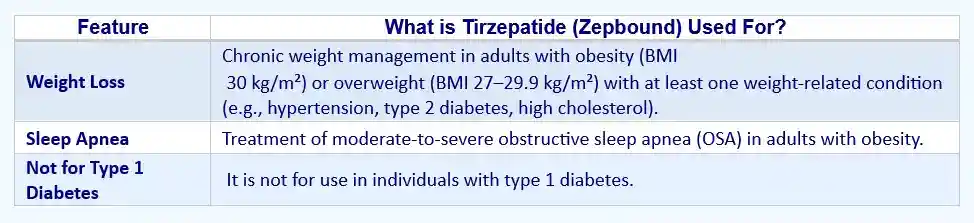
Zepbound contains tirzepatide, a dual incretin receptor agonist that targets:
- GLP-1 (glucagon-like peptide-1) receptors
- GIP (glucose-dependent insulinotropic polypeptide) receptors
These incretin pathways influence appetite regulation, gastric emptying, insulin secretion, and glucose homeostasis. In plain terms, Zepbound can reduce hunger, help people eat less, and improve metabolic markers that are often intertwined with obesity.
Zepbound is not an ophthalmic drug. It is not designed to act directly on the eye. That matters because when visual symptoms occur during therapy, the key clinical question becomes causality: is the medication itself driving a problem, is it unmasking an underlying condition, or is it associated through an indirect mechanism such as dehydration, glycemic shifts, blood pressure changes, or nutritional deficits during rapid weight loss?
Good medical decisions begin with correct framing. Vision changes during tirzepatide therapy should be treated as medically significant symptoms with multiple possible explanations, not as a single predictable “side effect.”
If you believe you have experienced vision loss due to Zepbound, it may be beneficial to consult with a legal professional who specializes in such cases. For those seeking justice for their experiences related to this medication’s side effects, contacting a Zepbound vision loss lawyer could be a prudent step forward.
Defining “Vision Loss” Precisely (Because the Differential Diagnosis Changes)
When people say “vision loss,” clinicians immediately ask for specificity. The same word can describe conditions ranging from benign to emergent.
Here are common categories that matter clinically:
Blurred or fluctuating vision
Often intermittent. Can be related to changes in blood glucose, hydration status, or refractive shifts.
A curtain, shadow, or missing field of vision
Suggests a retinal or neurologic event. Requires same-day evaluation.
Sudden painless loss of vision in one eye
Concerning for vascular occlusion, ischemic optic neuropathy, or retinal detachment.
Painful red eye with halos, headache, or nausea
Concerning for acute angle-closure glaucoma. An emergency.
New floaters, flashes of light, or “rain” of black dots
Concerning for retinal tear, vitreous hemorrhage, or detachment. Notably, these new floaters can also be associated with certain medications such as Zepbound.
The implication is straightforward: if you report “vision loss” without describing what you mean, you may not get the urgency you need. Precise symptom language improves triage, speeds diagnosis, and reduces risk.
What the Evidence Actually Says About Tirzepatide and Vision-Related Risk
As of current public knowledge, tirzepatide is not broadly characterized as a medication that routinely causes permanent vision loss. However, vision-related concerns appear in real-world reports and are clinically plausible through several pathways.
The most defensible position is this:
- Vision changes can occur in people taking Zepbound.
- Not all vision changes are caused by Zepbound.
- Some vision changes that occur during therapy may represent serious eye disease that needs urgent evaluation regardless of cause.
- Metabolic shifts associated with weight loss therapy can influence ocular health, especially in patients with diabetes or pre-existing retinal disease.
That last point is key. Tirzepatide can substantially improve glycemic metrics in people with type 2 diabetes and can still affect glucose dynamics in people without diabetes. Rapid changes in glucose control can influence the lens and retina, and rapid weight loss can influence hydration, blood pressure, and nutritional status. Each of those factors can affect vision.
So while “Zepbound causes vision loss” is too simplistic—as evidenced by ongoing lawsuits—it’s equally unsafe to assert that “vision loss during Zepbound therapy is always unrelated”. In fact, some individuals have experienced serious vision-related issues including permanent vision loss, which warrants immediate medical attention.
If you were prescribed Zepbound and took it as directed and suffered Zepbound and NAION, Zepbound vision loss or other Zepbound eye problems, contact Zepbound Vision Loss Lawyer Timothy L. Miles today. You could be eligible for a Zepbound vision loss lawsuit and potentially entitled to substantial compensation. (855) 846–6529 or [email protected].
The One “Agonizingly Endless” Pattern: Persistent Visual Disturbance That Does Not Quickly Resolve
The phrase “agonizingly endless” fits a particular experience: you notice your vision is off, you assume it is temporary, and then it keeps happening. Days pass. Weeks pass. The symptoms fluctuate. You cannot tell if you are adapting, declining, or simply anxious. The uncertainty becomes constant.
Clinically, persistent visual disturbance during metabolic therapy tends to fall into a few repeating scenarios:
1) Glycemic Shifts and Refractive Change (Often Reversible, Still Worth Evaluating)
When blood glucose levels change significantly, fluid shifts can occur in the lens of the eye, altering its shape and therefore the eye’s refractive power. The result can be:
- Blurred vision
- Difficulty focusing
- Rapid changes in eyeglass or contact lens needs
This is commonly discussed in the context of diabetes, but it can also occur when glycemic control improves quickly. Importantly, it is often transient once glucose levels stabilize. The risk is not the blur itself. The risk is assuming all blur is benign and delaying evaluation when it is not.
Practical point: if you have diabetes, a large improvement in A1C over a short period can coincide with vision fluctuation. That does not mean you should stop treatment on your own. It means you should coordinate eye care promptly.
2) Dehydration and Dry Eye (Common, Treatable, Often Underestimated)
Zepbound frequently reduces appetite and can reduce overall intake. Some people also experience nausea or gastrointestinal side effects. The net result can be inadequate hydration. Dehydration and electrolyte imbalance can contribute to:
- Dry, gritty sensation
- Intermittent blurred vision that improves with blinking
- Eye fatigue and light sensitivity
As detailed in this article on Zepbound’s eye side effects, dry eye disease can feel minor until it is constant. Then it becomes draining, distracting, and functionally limiting, especially for screen work.
Why this can feel endless: dry eye tends to fluctuate and relapse. If the underlying drivers persist, the symptoms persist.
Moreover, Zepbound has been linked to a variety of serious eye problems such as persistent visual disturbances that do not resolve quickly. These issues underline the importance of seeking timely medical advice when experiencing any changes in vision while on medication like Zepbound.

3) Diabetic Retinopathy Dynamics (High Stakes, Requires Structured Monitoring)
This point is essential if you have type 2 diabetes, even if Zepbound is being used for weight management. Changes in glucose control can influence diabetic eye disease. In some contexts, rapid improvement in glycemia has been associated with transient worsening of diabetic retinopathy.
This is not a reason to avoid improved metabolic control. It is a reason to implement proactive monitoring.
If you have diabetes and any history of:
- Diabetic retinopathy
- Macular edema
- Prior retinal laser therapy
- Anti-VEGF injections
- Unexplained prior vision changes
Then your Zepbound plan should include an eye plan, ideally with baseline assessment and follow-up intervals defined by an ophthalmologist.
4) Rare but Serious Optic or Retinal Events (Time-Critical)
Any sudden change in vision can reflect a time-sensitive event such as:
- Retinal tear or detachment
- Retinal vascular occlusion
- Optic neuropathy
- Vitreous hemorrhage
- Neurologic causes, including stroke or transient ischemic attack
You do not need to prove causality to justify urgent care. The correct posture is: treat the symptom as emergent until ruled out.
This is the category where delay can convert a treatable event into irreversible loss.
If you were prescribed Zepbound and took it as directed and suffered Zepbound and NAION, Zepbound vision loss or other Zepbound eye problems, contact Zepbound Vision Loss Lawyer Timothy L. Miles today. You could be eligible for a Zepbound vision loss lawsuit and potentially entitled to substantial compensation. (855) 846–6529 or [email protected].
Red Flags: When Vision Changes Require Same-Day Emergency Evaluation
If you are taking Zepbound (or any medication) and experience any of the following, do not wait for a routine appointment:
- Sudden loss of vision in one eye or both eyes
- A curtain, veil, or shadow moving across your visual field
- New flashes of light, especially with new floaters
- A rapid “shower” of floaters or black specks
- Severe eye pain, redness, headache, nausea, or halos around lights
- New double vision, facial droop, weakness, difficulty speaking, or severe headache
These symptoms should be treated as emergencies. The right venue may be an emergency department or an urgent ophthalmology service, depending on availability. The wrong choice is waiting to see if it resolves.
It’s also important to note that there have been reports linking Zepbound to serious vision-related side effects. If you’re experiencing these issues while on Zepbound, it might be worth consulting with a lawyer who specializes in such cases. For instance, if you’ve suffered from dry eye syndrome or have had NAION related problems after using Zepbound, you may want to consider legal action.
What to Do If You Notice Vision Changes While on Zepbound (A Structured Response)
A disciplined response reduces anxiety and improves outcomes. Use a stepwise approach.
Step 1: Document the Symptom Like a Clinician Would
Write down:
- Which eye is affected (left, right, or both)
- Time of onset and whether it was sudden or gradual
- Whether it is constant or intermittent
- Any associated pain, redness, flashes, floaters, headache, nausea
- Your most recent Zepbound dose and dose escalation timing
- Recent changes in hydration, food intake, and sleep
- If you have diabetes: recent glucose readings and trends
This information helps clinicians triage correctly and reduces “diagnostic drift.”
Step 2: Do Not Self-Diagnose as “Just a Side Effect”
Even if you suspect dehydration or glycemic change, you still need clinical evaluation if the symptom is new, persistent, or severe. The goal is not reassurance. The goal is exclusion of high-risk pathology.
Step 3: Contact the Right Clinician, Not Just the Fastest Clinician
- For mild dryness and intermittent blur that improves with blinking: an optometrist appointment may be reasonable.
- For sudden changes, visual field defects, flashes, floaters, or one-eye loss: ophthalmology urgent care or emergency evaluation is more appropriate.
- If neurologic symptoms occur: emergency services are appropriate.
Step 4: Ask for the Right Evaluation
Depending on symptoms, evaluation may include:
- Dilated retinal examination
- Optical coherence tomography (OCT) for macular assessment
- Intraocular pressure measurement
- Visual field testing
- Fundus photography
- If indicated: neurologic assessment and imaging
You are not “overreacting” by asking for ocular imaging when symptoms are persistent or alarming. You are being appropriately cautious.
If you experience severe vision changes while on Zepbound, it’s crucial to seek immediate medical attention as these could potentially lead to serious conditions such as blindness. In such cases, exploring legal options might be necessary. For more information about potential legal actions related to vision changes caused by Zepbound, including blindness lawsuits, consult with a qualified attorney who specializes in this area.
Step 5: Medication Decisions Should Be Coordinated, Not Improvised
Do not stop Zepbound solely because you are scared, and do not continue it solely because you are committed to weight loss. Coordinate decisions with your prescribing clinician and, when relevant, an ophthalmologist.
A balanced plan may include:
- Temporarily holding therapy if a serious adverse event is suspected
- Adjusting dose escalation speed
- Addressing dehydration, nutrition, and glycemic monitoring
- Ensuring follow-up eye assessments
The objective is continuity of care with risk control, not a rushed yes-or-no decision.
If you were prescribed Zepbound and took it as directed and suffered Zepbound and NAION, Zepbound vision loss or other Zepbound eye problems, contact Zepbound Vision Loss Lawyer Timothy L. Miles today. You could be eligible for a Zepbound vision loss lawsuit and potentially entitled to substantial compensation. (855) 846–6529 or [email protected].
Who Is More Vulnerable to Vision Problems During Rapid Metabolic Change?
Risk is not uniform. Patients who should be especially proactive include:
- People with type 2 diabetes, especially with known retinopathy or long disease duration – a group that may face heightened risks related to Zepbound and diabetic retinopathy.
- People with uncontrolled hypertension, vascular disease, or smoking history
- People with prior retinal tears, detachments, or significant myopia – conditions that could worsen with potential Zepbound eye issues.
- People with a history of glaucoma or narrow angles
- People experiencing severe nausea, low intake, or dehydration on therapy
- People losing weight rapidly without structured nutritional support
Being higher risk does not mean you cannot use Zepbound. It means you need a tighter monitoring framework.

Prevention: Proactive Measures That Protect Vision While You Pursue Weight Loss
A forward-thinking treatment plan anticipates foreseeable risks. If you are starting Zepbound or escalating the dose, consider these proactive measures.
It’s crucial to remember that while Zepbound can be an effective tool for weight loss, there have been serious concerns associated with its use including potential blindness and other eye-related issues. If you find yourself facing any adverse effects from the medication, it’s important to stay informed about your options and rights, particularly in light of the ongoing Zepbound lawsuit updates.
1) Establish a Baseline Eye Exam When It Makes Sense
If you have diabetes, a baseline dilated exam is not optional. If you do not have diabetes but have ocular history or risk factors, a baseline exam still adds value because it creates a point of comparison if symptoms arise.
2) Treat Hydration as a Clinical Variable
Hydration affects blood pressure, tear film stability, and overall physiologic resilience. If you struggle with intake due to nausea, address that early with your prescriber. Dehydration is not a badge of discipline. It is a modifiable risk.
3) Avoid Rapid, Unsupervised Dose Escalation
Dose escalation schedules exist for a reason. When people accelerate titration without clinical guidance, they increase the likelihood of intolerance and complications such as low intake, dehydration, and destabilized glucose patterns.
4) Support Nutrition During Rapid Weight Loss
Very low intake can compromise micronutrient status over time. While a single nutrient deficiency is not the default explanation for acute vision loss, nutrition remains part of long-term ocular health. Use a structured plan, ideally with clinician oversight.
5) For Diabetes: Prioritize Eye Monitoring When Glycemia Improves
If your blood glucose improves rapidly, that is good. It is also a signal to follow your eye screening schedule with discipline, because retinal disease does not always produce symptoms until late.
Reporting and Accountability: Why Documentation Matters
If you believe a medication is associated with a serious adverse event, reporting is part of responsible pharmacovigilance. In the United States, patients and clinicians can submit adverse event reports to the FDA’s MedWatch program. Reporting does not prove causality. Reporting strengthens detection of rare patterns.
This is not about panic. It is about building safer systems.
The Bottom Line
Zepbound vision side effects,should be treated as clinically meaningful, even when they turn out to be benign. Some causes are transient and manageable, such as Zepbound dry eye syndrome or refractive shifts during metabolic change. Other causes are time-critical and can become irreversible if evaluation is delayed.
If your symptom feels “agonizingly endless,” the solution is not guessing. The solution is structured triage, prompt eye evaluation, and coordinated decision-making with your care team.
Weight loss is a long-term objective. Vision is a long-term asset. Future success depends on protecting both with the same level of seriousness.
If you were prescribed Zepbound and took it as directed and suffered Zepbound and NAION, Zepbound vision loss or other Zepbound eye problems, contact Zepbound Vision Loss Lawyer Timothy L. Miles today. You could be eligible for a Zepbound vision loss lawsuit and potentially entitled to substantial compensation. (855) 846–6529 or [email protected].
Frequently Asked Questions about Zepbound and Vision Loss
What is Zepbound (tirzepatide) and how does it work for chronic weight management?
Zepbound contains tirzepatide, a dual incretin receptor agonist targeting GLP-1 and GIP receptors. It influences appetite regulation, gastric emptying, insulin secretion, and glucose homeostasis, helping reduce hunger, decrease food intake, and improve metabolic markers related to obesity.
What about Zepbound and vision loss or other Zepbound vision issues?
While tirzepatide is not broadly characterized as routinely causing permanent vision loss, vision changes can occur during therapy. These may be due to the medication itself, unmasking underlying conditions, or indirect effects such as dehydration, glycemic shifts, blood pressure changes, or nutritional deficits during rapid weight loss.
What types of Zepbound vision issues should patients be aware of?
Patients may experience blurred or fluctuating vision, shadows or missing fields of vision (curtains), sudden painless loss of vision in one eye, painful red eyes with halos and headaches, or new floaters and flashes of light. Each symptom varies in urgency and requires specific medical evaluation.
How urgent is it to seek medical attention for Zepbound vision problems?
Vision symptoms like a curtain shadow, sudden loss of vision in one eye, painful red eyes with halos (signs of acute angle-closure glaucoma), or new floaters and flashes require urgent same-day evaluation. Blurred or fluctuating vision also warrants prompt assessment to determine cause.
Is there a connection between rapid weight loss from Zepbound and changes in ocular health?
Yes. Rapid metabolic shifts from weight loss therapy can influence ocular health by affecting hydration status, blood pressure, glucose control especially in diabetes patients, and nutritional status. These factors can impact the lens and retina leading to vision changes.
What should patients do if they suspect Zepbound and vision loss?
Patients experiencing any significant change in vision while on Zepbound should seek immediate medical evaluation. Additionally, consulting a legal professional specializing in medication side effects may be beneficial for those who believe they have experienced vision loss due to Zepbound.
If You Suffered from Zepbound Eye Issues or Other Zepboound Vision Problems, Contact Zepbound Vision Loss Lawyer Timothy L. Miles Today
If you were prescribed Zepbound and took it as directed and suffered Zepbound and NAION, Zepbound vision loss or other Zepbound eye problems, contact Zepbound Vision Loss Lawyer Timothy L. Miles today. You could be eligible for a Zepbound vision loss lawsuit and potentially entitled to substantial compensation. (855) 846–6529 or [email protected].
Timothy L. Miles, Esq.
Law Offices of Timothy L. Miles
Tapestry at Brentwood Town Center
300 Centerview Dr. #247
Mailbox #1091
Brentwood,TN 37027
Phone: (855) Tim-MLaw (855-846-6529)
Email: [email protected]
Website: www.classactionlawyertn.com
Facebook Linkedin Pinterest youtube