
Introduction to Zepbound Eye Issues: Horrid Sight-Mare Side Effects
Welcome to this authoritative analysis of the Zepbound Eye Issues. Zepbound (tirzepatide) has rapidly become a cornerstone medication for chronic weight management, particularly for adults with obesity or overweight plus weight-related comorbidities. Its clinical momentum is easy to understand; meaningful weight loss can reduce cardiometabolic risk, improve mobility, and support long-term health planning.
However, proactive medicine requires proactive vigilance. As prescriptions rise, more patients and clinicians are asking a practical question: Can Zepbound affect the eyes? The concern is not hypothetical. Weight loss drugs that influence glucose regulation, appetite signaling, and gastrointestinal motility can also influence physiology that matters to ocular tissues. In addition, rapid metabolic change can unmask pre-existing disease.
This article explains what is known, what is plausible, what is not proven, and what you should do next if you notice vision changes while taking Zepbound.
If you were prescribed Zepbound and took it as directed and suffered Zepbound and NAION, Zepbound vision loss or other Zepbound eye problems, contact Zepbound Vision Loss Lawyer Timothy L. Miles today. You could be eligible for a Zepbound vision loss lawsuit and potentially entitled to substantial compensation. (855) 846–6529 or [email protected].

What Zepbound Is and Why Eye Concerns Come Up
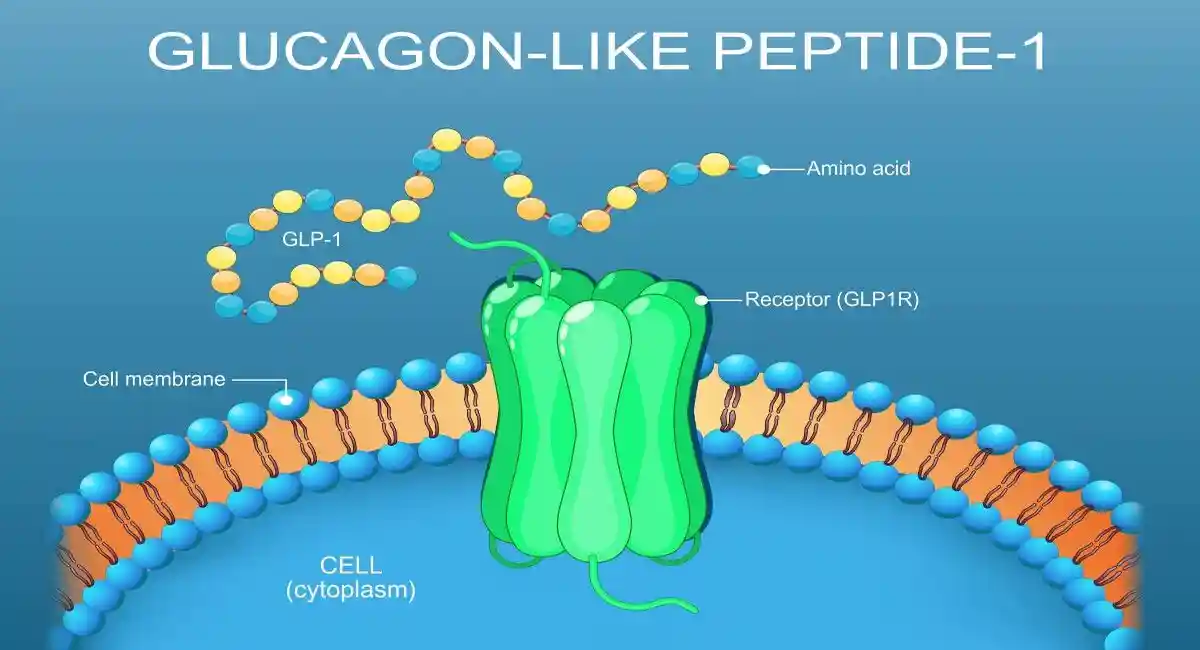
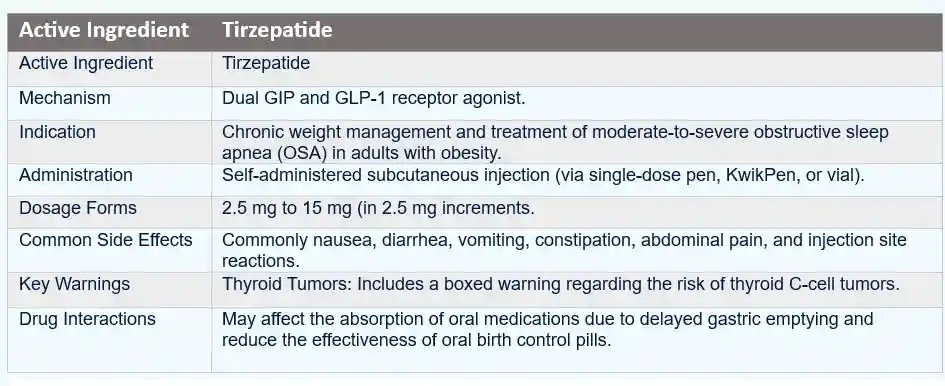
Zepbound is the brand name for tirzepatide, a medication that activates two incretin pathways: GLP 1 (glucagon-like peptide 1) receptor agonism and GIP (glucose-dependent insulinotropic polypeptide) receptor agonism. This dual mechanism influences:
- Appetite and satiety signaling in the central nervous system
- Gastric emptying and post-meal glucose excursions
- Insulin secretion and glucagon regulation, depending on glucose level
Even in patients using Zepbound for weight management rather than diabetes, these pathways can shift glycemic patterns, insulin dynamics, hydration, and nutritional intake. Each of those domains can matter for vision.
Eye-related complaints in this context generally fall into three categories:
- Direct ocular adverse effects that occur as a medication side effect (rare with tirzepatide, based on current public data).
- Metabolic transition effects, where changing glucose levels alter the optics of the eye, producing temporary blurriness.
- Disease interaction effects, especially in people with diabetes or prediabetes, where changing metabolic control may alter retinal disease trajectories.
A clinically responsible approach separates these categories and responds accordingly.
For instance, there have been reports about vision side effects associated with Zepbound, including concerns about NAION, a serious condition that can lead to sudden vision loss. In fact, some patients have even pursued lawsuits related to vision loss or blindness after taking Zepbound.
If you notice any significant changes in your vision while taking this medication, it’s crucial to consult with your healthcare provider immediately. They can help determine whether these changes are related to the medication or if they stem from another underlying issue.
Moreover, if you or someone you know has experienced severe vision problems after using Zepbound, it may be worth exploring legal options. You could be eligible for a [Zepbound vision loss lawsuit](https://classactionlawyertn.com/zepbound-
The Eye Issues People Report Most Often
When patients search for “Zepbound eye issues,” they are usually describing symptoms rather than diagnosed eye disease. The most common symptom clusters include:
1) Blurry Vision or Difficulty Focusing
Blurry vision is the most frequently discussed complaint in online communities for incretin based medications like Zepbound. In many cases, the underlying mechanism is not a direct drug toxicity to the eye. Instead, it can be related to changes in blood glucose.
The lens of the eye can swell or change its refractive properties when glucose shifts. That can temporarily change focusing, particularly in:
- People with diabetes adjusting medications
- People with undiagnosed diabetes or prediabetes
- People with rapid weight loss and significant dietary change
Key point: If blur is new, persistent, or severe, treat it as medically urgent until proven otherwise. Temporary blur can happen, but it should never be assumed to be benign without evaluation. For more detailed information about this symptom, you can refer to this article.
2) Zepbound Dry Eye Syndrome, Gritty Sensation, and Irritation
Some patients describe:
- Burning
- Foreign body sensation
- Redness
- Contact lens intolerance
Dry eye disease is multifactorial. With Zepbound, plausible contributors include:
- Reduced fluid intake due to nausea or appetite suppression
- Dehydration related to gastrointestinal side effects
- Reduced blinking during screen time, which many people do not notice until symptoms flare
Dry eye is usually manageable, but it can become more disruptive if left untreated, particularly in contact lens users.
3) Headache With Visual Disturbances
Headaches can occur with many causes during weight loss, including dehydration, reduced caloric intake, caffeine changes, and sleep disruption. When headache is paired with vision changes, the differential broadens.
Symptoms that merit immediate attention include:
- Visual aura that is new or atypical
- Sudden loss of vision in one eye
- Eye pain with redness and blurred vision
- Severe headache with neurologic symptoms
In these cases, do not wait for your next appointment.
4) Eye Floaters or Flashes
Floaters and flashes can be benign, especially as people age. They can also signal posterior vitreous detachment, retinal tear, or retinal detachment. It’s important to note that such symptoms could potentially be linked to Zepbound, a medication associated with certain eye problems such as floaters and vision loss.
Because these conditions can threaten sight, the correct stance is repetition for emphasis: new onset floaters, flashes, or a curtain like shadow across vision requires urgent same day eye evaluation. Do not attribute these symptoms to Zepbound without ruling out retinal disease.
If you were prescribed Zepbound and took it as directed and suffered Zepbound and NAION, Zepbound vision loss or other Zepbound eye problems, contact Zepbound Vision Loss Lawyer Timothy L. Miles today. You could be eligible for a Zepbound vision loss lawsuit and potentially entitled to substantial compensation. (855) 846–6529 or [email protected].
The Most Important Risk Category: Diabetes, Retinopathy, and Rapid Glucose Improvement
If you have diabetes, the most clinically significant eye issue to understand is diabetic retinopathy. This is damage to retinal blood vessels caused by chronic hyperglycemia. Retinopathy can be mild and asymptomatic, or advanced with hemorrhage, macular edema, and vision loss.
Here is the critical nuance: Rapid improvement in blood glucose can sometimes cause a temporary worsening of diabetic retinopathy, especially in people who start from high A1C levels and improve quickly. This phenomenon is not unique to tirzepatide. It has been described with intensive glucose lowering strategies generally.
Why this matters:
- Some patients begin Zepbound after years of insulin resistance and elevated glucose.
- Appetite reduction and weight loss can quickly change glycemic patterns.
- If other diabetes medications are adjusted simultaneously, glucose can shift even faster.
If you have diabetes, you should assume the eye is part of the treatment plan, not an afterthought.
What to do proactively if you have diabetes:
- Get a baseline dilated eye exam if you are not current.
- If you already have retinopathy, coordinate care between your prescriber and an ophthalmologist.
- Monitor vision changes closely during the first months of therapy and after dose escalations.
- Avoid self directed changes to insulin or sulfonylureas without clinician guidance, because hypoglycemia risk increases and glycemic variability can worsen symptoms.
In addition to these proactive measures, it’s crucial to stay informed about potential legal issues related to Zepbound’s side effects. For example, there have been lawsuits regarding vision loss associated with Zepbound, which underscores the importance of monitoring any changes in your eyesight closely during treatment.
Are There “Zepbound Specific” Eye Side Effects?
As of 2026, the most credible concerns around eye health for incretin-based medications like Zepbound tend to revolve around:
- Glycemic transition effects (temporary refractive shifts)
- Diabetic retinopathy dynamics (in patients with diabetes)
- Dehydration and dry eye (secondary to gastrointestinal effects)
- Rare idiosyncratic reactions (possible with any medication, but not a defining pattern)
It is important to be accurate. A medication can be associated with eye complaints without being the direct cause of structural eye damage. That distinction changes what you do next.
What you should not do is ignore symptoms. The correct approach is structured and evidence aligned:
- Treat sudden or severe changes as urgent.
- Treat gradual blur as a prompt to check glucose patterns, hydration, and refraction, with appropriate clinical assessment.
- Treat diabetic patients as a higher monitoring category.
Mechanisms That Can Connect Zepbound to Vision Symptoms (Without Being “Eye Toxicity”)
A forward-thinking approach identifies the likely physiological bridges:
Fluid Balance and Tear Film Stability
Tear film requires adequate hydration, lipid layer stability, and healthy meibomian gland function. If Zepbound causes nausea, reduced drinking, or intermittent diarrhea, the result can be:
- Mild dehydration
- Dry mucous membranes
- Exacerbation of dry eye symptoms
This is especially common during initiation and dose escalation.
Nutritional Intake and Micronutrient Patterns
Significant appetite suppression can reduce overall intake. While short-term changes are often safe, prolonged inadequate nutrition can contribute to:
- Eye fatigue and discomfort
- Reduced healing of ocular surface irritation
- Generalized fatigue that patients interpret as visual weakness
This is not a reason to avoid Zepbound. It is a reason to plan nutrition deliberately and avoid crash dieting behaviors.
However, if you experience any concerning symptoms related to your vision while on Zepbound, it is crucial to seek medical advice promptly. There are specific Zepbound eye side effects that may arise which could necessitate immediate attention.
Moreover, Zepbound eye problems can also occur, leading to various complications if not addressed timely. Always stay informed about potential risks associated with your medication for better health outcomes.
Glycemic Variability and Lens Refraction
Even for patients without diabetes, large changes in carbohydrate intake and insulin sensitivity can lead to glucose variability. The lens responds osmotically, which can temporarily alter refraction.
Practical implication: Do not rush to buy new glasses during rapid metabolic change unless an eye care professional confirms stability.
Red Flag Symptoms That Require Urgent Evaluation
If you are taking Zepbound and notice any of the following symptoms, it’s crucial to seek urgent medical or eye care evaluation:
- Sudden vision loss, partial or complete
- Flashes of light, new floaters, or a curtain shadow
- Eye pain with redness and decreased vision
- Double vision that is new or persistent
- Severe headache with neurologic symptoms (weakness, confusion, speech difficulty)
- Any rapid change in vision in a person with known diabetic retinopathy
These symptoms may be unrelated to Zepbound. However, if you experience sudden vision loss or other severe symptoms, it’s important to understand that there could be potential Zepbound vision problems that need immediate attention.
What to Do If You Notice Vision Changes on Zepbound (Step by Step)
Clarity matters. Accuracy matters. Action matters.
Step 1: Identify the Pattern
Ask yourself:
- Did the symptom start after initiating Zepbound or after a dose increase?
- Is it intermittent or constant?
- Is it in one eye or both eyes?
- Is there pain, redness, flashing lights, or a curtain effect?
One eye symptoms and sudden symptoms demand urgency.
Step 2: Check High Yield Contributors
Without self diagnosing, you can gather useful data for your clinician:
- Hydration status: decreased fluid intake, darker urine, dizziness
- Dietary intake: markedly reduced calories, low protein, low electrolytes
- Glucose patterns: if you have diabetes or monitor glucose, note recent shifts
- Other meds: insulin, sulfonylureas, diuretics, antihistamines (dry eye contributors)
- Contact lens use: new intolerance can indicate dryness or irritation
If you notice any alarming signs such as sudden vision loss while on Zepbound, it’s essential to consult a healthcare professional promptly. It’s also worth noting that managing glycemic variability is crucial as it can impact your overall health and well-being. For further understanding on this topic and its implications on health conditions such as diabetes and its management strategies including insulin therapy, please refer to the linked article.
Step 3: Contact the Right Clinician
- Optometrist or ophthalmologist for eye specific symptoms, especially blur, pain, floaters, or flashes.
- Prescribing clinician for medication timing, dose escalation considerations, glucose management, and overall adverse effect assessment.
If symptoms are severe, go to urgent care or emergency care, especially if the issue is sudden vision change.
Step 4: Do Not Stop the Medication Abruptly Without Guidance (In Most Cases)
There are exceptions. If you have a severe reaction, emergency care takes priority. But in general, medication decisions should be coordinated. Stopping and restarting can complicate symptom tracking and metabolic stability.
The better approach is documented, structured, and clinically reviewed decision making.
If you were prescribed Zepbound and took it as directed and suffered Zepbound and NAION, Zepbound vision loss or other Zepbound eye problems, contact Zepbound Vision Loss Lawyer Timothy L. Miles today. You could be eligible for a Zepbound vision loss lawsuit and potentially entitled to substantial compensation. (855) 846–6529 or [email protected].
Eye Exams and Monitoring: A Practical Schedule
Monitoring is not fear. Monitoring is governance for your health.
Consider these baseline strategies:
- If you have diabetes: ensure a current dilated retinal exam, then follow the ophthalmologist’s schedule.
- If you have known diabetic retinopathy: ask whether closer follow up is recommended during rapid weight loss or medication changes.
- If you do not have diabetes but experience persistent blur: consider an eye exam to rule out refractive instability, dry eye disease, or other ocular conditions.
For many people, the simplest best practice is repetition for emphasis: do not wait months with persistent vision changes.
Managing Dry Eye and Eye Discomfort While on Zepbound
If symptoms are mild and you do not have red flags, these evidence aligned steps are commonly recommended by eye care professionals:
- Prioritize steady hydration throughout the day.
- Use preservative free artificial tears as needed.
- Reduce environmental triggers (fans, dry air, prolonged screen time without breaks).
- If you wear contacts, consider reducing wear time during symptomatic periods.
If discomfort persists, an eye clinician can evaluate for meibomian gland dysfunction, allergic conjunctivitis, or ocular surface inflammation. Targeted treatment can be far more effective than trial and error.
Zepbound, Screen Time, and “It Feels Like My Eyes Got Worse”
A common real world pattern is that people begin a weight loss medication and simultaneously change lifestyle habits:
- More time tracking nutrition on a phone
- More time working out with screens
- More time reading forums and messaging
Increased near work can worsen:
- Dry eye symptoms due to reduced blinking
- Eye strain and accommodative fatigue
- Headaches interpreted as vision problems
This does not invalidate symptoms. It contextualizes them. The solution is not dismissal. The solution is comprehensive assessment.
When the “Sight-Mare” Framing Is Actually a Medical Emergency
Sensational framing is common online, but the true threat is not drama. The true threat is delay.
If a patient experiences retinal detachment symptoms, optic nerve ischemia, acute glaucoma, or, the consequence of waiting can be permanent vision loss. These conditions are rare, but they are time sensitive.
So here is the disciplined takeaway:
- Most eye complaints reported during Zepbound use will be manageable.
- Some complaints will be unrelated but coincidental.
- A small subset may signal a serious condition requiring urgent evaluation.
Professionalism means preparing for all three.
Questions to Ask Your Clinician
If you want an efficient conversation with your prescriber or eye doctor, use targeted questions:
- “Do I have diabetes or prediabetes, and should I monitor glucose more closely during dose escalation?”
- “Am I up to date on a dilated eye exam, and do I need earlier follow up?”
- “Could these symptoms be dry eye, refractive shift, or a retinal issue based on my exam?”
- “If we suspect glucose related blur, how long should we wait before changing my glasses prescription?”
- “Are any of my other medications increasing dry eye risk?”
Clear questions produce clear plans.
Bottom Line: Zepbound and Eye Issues in 2026
Zepbound can coincide with vision changes, but in many cases the relationship is indirect. The most practical risk framework is:
- Metabolic change can alter vision temporarily, particularly through glucose variability and refractive shift.
- Dry eye symptoms can increase if hydration and nutrition decline during gastrointestinal side effects.
- Diabetic patients require special attention, because retinopathy status and rapid glycemic improvement can influence retinal outcomes.
- Red flag symptoms require urgent evaluation, regardless of the suspected cause.
Proactive measures are not optional. Proactive measures are the strategy. If your vision changes while taking Zepbound, treat it as clinically meaningful, document the timing, and seek appropriate assessment. Robust health governance protects outcomes, protects independence, and protects sight.
If you were prescribed Zepbound and took it as directed and suffered Zepbound and NAION, Zepbound vision loss or other Zepbound eye problems, contact Zepbound Vision Loss Lawyer Timothy L. Miles today. You could be eligible for a Zepbound vision loss lawsuit and potentially entitled to substantial compensation. (855) 846–6529 or [email protected].
Frequently Asked Questions About Zepbound Vision Side Effects
What is Zepbound (tirzepatide) and how does it work for weight management?
Zepbound is the brand name for tirzepatide, a medication that activates two incretin pathways: GLP-1 (glucagon-like peptide 1) receptor agonism and GIP (glucose-dependent insulinotropic polypeptide) receptor agonism. This dual mechanism influences appetite and satiety signaling in the central nervous system, gastric emptying, post-meal glucose levels, insulin secretion, and glucagon regulation. It is primarily used for chronic weight management in adults with obesity or overweight plus weight-related comorbidities.
Can Zepbound affect the eyes or cause Zepbound vision issues?
Yes, there are concerns about potential eye effects with Zepbound use. While direct ocular side effects are rare based on current data, metabolic changes caused by Zepbound can lead to temporary vision changes such as blurry vision due to shifts in blood glucose levels. Additionally, in people with diabetes or prediabetes, changing metabolic control may alter retinal disease progression. If you notice any significant vision changes while taking Zepbound, it is crucial to consult your healthcare provider immediately.
What are the most common eye-related symptoms reported by patients taking Zepbound?
The most frequently reported eye-related symptoms among Zepbound users include blurry vision or difficulty focusing, dry eyes accompanied by gritty sensations or irritation (such as burning, redness, and contact lens intolerance), and headaches with visual disturbances. These symptoms may be related to metabolic transitions affecting the eye or other indirect factors like dehydration and reduced fluid intake.
Why does blurry vision occur in some patients taking Zepbound?
Blurry vision often results from changes in blood glucose levels that affect the lens of the eye, causing it to swell or alter its refractive properties temporarily. This is especially common in people with diabetes adjusting medications, those with undiagnosed diabetes or prediabetes, and individuals experiencing rapid weight loss and significant dietary changes. New, persistent, or severe blurry vision should be treated as a medical urgency until properly evaluated.
What about Zepbound Dry Eye Syndrome?
Dry eyes and irritation symptoms like burning and redness may arise due to several factors related to Zepbound use: reduced fluid intake caused by nausea or appetite suppression; dehydration linked to gastrointestinal side effects; and decreased blinking during prolonged screen time. Dry eye disease is multifactorial but usually manageable if addressed promptly.
What should I do if I experience Zepbound vision changes or Zepbound eye problems?
If you notice any significant changes in your vision—such as new blurry vision, sudden loss of vision in one eye, eye pain with redness and blurred vision—or experience headaches with visual disturbances while taking Zepbound, seek immediate evaluation from your healthcare provider. Early assessment helps determine whether these symptoms are related to the medication or another underlying condition requiring urgent care.

If You Suffered from Zepbound Eye Issues or Other Zepboound Vision Problems, Contact Zepbound Vision Loss Lawyer Timothy L. Miles Today
If you were prescribed Zepbound and took it as directed and suffered Zepbound and NAION, Zepbound vision loss or other Zepbound eye problems, contact Zepbound Vision Loss Lawyer Timothy L. Miles today. You could be eligible for a Zepbound vision loss lawsuit and potentially entitled to substantial compensation. (855) 846–6529 or [email protected].
Timothy L. Miles, Esq.
Law Offices of Timothy L. Miles
Tapestry at Brentwood Town Center
300 Centerview Dr. #247
Mailbox #1091
Brentwood,TN 37027
Phone: (855) Tim-MLaw (855-846-6529)
Email: [email protected]
Website: www.classactionlawyertn.com
Facebook Linkedin Pinterest youtube