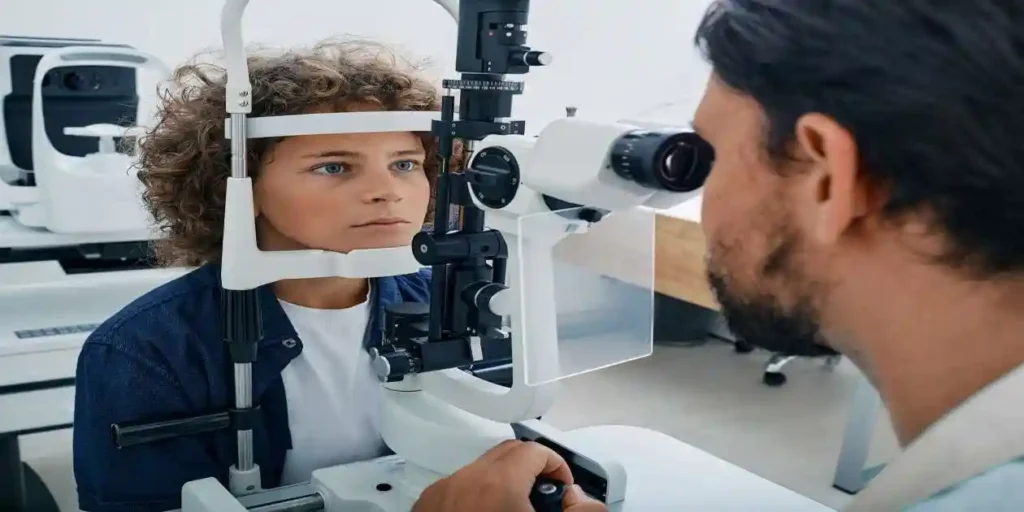
- The Zepbound blindness lawsuit represents a critical development for consumers who have experienced adverse Zepbound vision problems while using this medication. Medical professionals and researchers have documented various ocular complications ranging from temporary visual disturbances to permanent vision loss, prompting legal action against the pharmaceutical manufacturer. These weight loss drug side effects have led to allegations that Eli Lilly failed to provide adequate warnings about the potential risks to patient eyesight.
- Tirzepatide: Zepbound, a weight-loss medication containing the active ingredient tirzepatide, received FDA approval in November 2023 as a treatment option for individuals struggling with obesity and weight-related health conditions. Manufactured by Eli Lilly and Company, this glucagon-like peptide-1 receptor agonist (GLP-1 RA) has gained significant attention within the medical community and among consumers seeking effective weight management solutions.
- Emerging Research: However, recent reports and emerging research have raised substantial concerns regarding serious Zepbound Vision Side Effects, including cases of sudden blindness and other debilitating eye conditions.
- Consumer Guide: This comprehensive guide serves as an authoritative consumer resource for 2025, providing essential information about the connection between Zepbound and vision loss, The following sections examine the medical evidence, legal proceedings surrounding the Zepbound vision loss lawsuit, eligibility criteria for filing claims, and practical steps for individuals who have suffered eye-related injuries while taking this medication.

Understanding Zepbound and Its Eye-Related Risks
- Zepbound Drug: Represents a significant advancement in weight management pharmaceuticals, approved by the U.S. Food and Drug Administration in November 2023 for chronic weight management in adults with obesity or who are overweight with at least one weight-related comorbid condition.
- Mimicking Natural Hormones: Manufactured by Eli Lilly, this medication contains tirzepatide as its active pharmaceutical ingredient, a U.S. Food and Drug Administration) and GLP-1 receptor agonist that works by mimicking naturally occurring hormones to regulate appetite and blood sugar levels.
Classification and Mechanism of Action
- Tirzepatide belongs to the broader category of glucagon-like peptide-1 receptor agonists, positioning Zepbound alongside other prominent medications in this therapeutic class. The drug shares pharmacological similarities with Ozempic (semaglutide), Wegovy (semaglutide), and Mounjaro (tirzepatide), all of which target metabolic pathways to achieve weight reduction and glycemic control.
- These medications function by, enhancing insulin secretion, and reducing glucagon release when blood glucose levels are elevated.
Documented Zepbound Vision Problems
Emerging Evidence: Has identified a spectrum of ocular complications associated with Zepbound use. Patients have reported experiencing Zepbound eye side effects ranging from mild discomfort to severe impairment. The documented adverse events include:
- Blurry vision resulting from rapid blood glucose fluctuations
- Dry eye syndrome characterized by insufficient tear production
- Eye floaters (myodesopsias) appearing as spots or cobweb-like structures in the visual field
- Diabetic retinopathy progression or worsening in susceptible individuals
- Eye twitching (myokymia) affecting eyelid muscles
- Ocular inflammation manifesting as redness, pain, or light sensitivity
- Visual disturbances including altered color perception or contrast sensitivity
- Allergic reactions affecting periorbital tissues

Pathophysiological Mechanisms
- The etiology of Zepbound eye damage involves multiple interconnected physiological processes. Blood sugar variability
The Link Between NAION and Zepbound: What You Need to Know
- NAION: Is one of the most serious eye complications associated with tirzepatide medications. This condition occurs when there is not enough blood flow to the optic nerve head, leading to sudden and painless vision loss, usually in one eye.
- The Optic Nerve: Carries visual information from the retina to the brain, gets damaged permanently when it doesn’t receive enough oxygen and nutrients. Patients with NAION often report waking up with significantly reduced vision or noticing a sudden change in their visual field during everyday activities.
Understanding NAION
- Second Leading Case of Blindless: NAION is recognized as the second leading cause of blindness related to optic nerve issues. It affects about 2 to 10 people per 100,000 each year. The condition appears suddenly without any warning signs, and current medical treatments have limited success in recovering lost vision. Here are some key features of NAION:
- Sudden vision loss in one eye upon waking up
- Loss of upper or lower half of vision (altitudinal visual field defects)
- Swelling of the optic disc visible during an eye examination
- Most cases result in permanent vision impairment

The Connection Between Tirzepatide and NAION
- Published Studies: Recent studies have found a troubling link between NAION and tirzepatide exposure and a higher occurrence of this debilitating condition. One published study appearing in JAMA Ophthalmology on July 3, 2024, found a link between GLP-1 and an increased risk of NAION. The study found a higher risk of NAION in patients prescribed GLP-1 compared to those on non-GLP-1 RA medications.
- Changes in Blood Pressure: The exact reasons behind Zepbound and vision loss through NAION are still being explored. Scientists believe that changes in blood pressure, alterations in blood flow patterns, or metabolic shifts caused by the medication might affect the blood supply to the optic nerve. These reported cases have led eye specialists (ophthalmologists) and hormone specialists (endocrinologists) to be more cautious when prescribing tirzepatide medications to patients who already have optic nerve problems or vascular risk factors.
Legal Action Against Zepbound: Are You Eligible?
- Zepbound blindness lawsuit landscape: Centers on allegations that Eli Lilly and Company failed to provide adequate warnings about the serious Zepbound eye side effects risks associated with tirzepatide-based medications. Multiple plaintiffs have initiated legal proceedings against the pharmaceutical manufacturer, asserting that the original medication labeling did not sufficiently disclose the potential for severe ocular complications, including NAION and permanent vision impairment. These Eli Lilly litigation cases contend that consumers were denied critical information necessary to make informed decisions about their treatment options.
- Failure to Warn: The legal theory underlying these claims focuses on failure to warn side effects—a product liability principle requiring pharmaceutical companies to communicate known risks associated with their medications. When manufacturers possess knowledge of serious adverse effects yet fail to adequately inform healthcare providers and patients, they may be held accountable for resulting injuries.
- Zepbound Blindness Lawsuits: The lawsuits argue that Eli Lilly possessed or should have possessed information regarding Zepbound vision problems prior to and following Zepbound’s market introduction yet did not appropriately communicate these dangers through product labeling or other warning mechanisms.
- Patients who have experienced vision complications while using Zepbound may qualify for a Zepbound Blindness Lawsuit if they meet specific criteria. Eligible individuals typically include those who:
-
- Received a prescription for Zepbound and used the medication as directed
-
- Developed Zepbound vision problems during or shortly after treatment, including blurry vision, sudden vision loss, NAION diagnosis, diabetic retinopathy progression, or other documented ocular conditions
-
- Can establish a temporal relationship between medication use and symptom onset
-
- Experienced significant impact on quality of life, requiring ongoing medical intervention or resulting in permanent vision impairment
- Individuals seeking representation from a Zepbound blindness lawsuit lawyer should gather comprehensive medical records, prescription documentation, and evidence of vision-related diagnoses to support their potential claims. The strength of each case depends on the ability to demonstrate causation between Zepbound use and the specific vision complications experienced.

Taking Steps Towards Justice: Filing a Zepbound Blindness Lawsuit
- Immediate Action: If you have experienced vision problems while using Zepbound, it is crucial to take immediate action to protect your eye health and gather evidence for a potential lawsuit.
- Steps to Filing a Zepbound Blindness Lawsuit: This article will guide you through the necessary steps to file a lawsuit against the manufacturer of Zepbound for any Zepbound eye damage you may have suffered.
Prioritize Medical Attention
- Seek Medical Attention: The first and most important step is to seek medical attention right away.
- See an Ophthalmologist: Contact an eye doctor or ophthalmologist who can assess your condition and provide appropriate treatment if necessary.
- Time Is of the Essence: Delaying this step could result in further damage to your eyesight, so don’t wait too long.
Document Your Symptoms
- Document Everything: While waiting for your appointment with the eye specialist, make sure to document all relevant details about your symptoms.
- Keep a Timeline: Note down when they started, how severe they are, and any specific activities or situations that worsen them. This information will be valuable when discussing your case with legal professionals later on.
Gather Medical Records
- Copies of Medical Records: Once you have seen the eye doctor and received a diagnosis, request copies of all medical records related to your Zepbound and vision loss.
- Include Everything: These documents should include test results, treatment plans, and any other relevant information that can support your claim against Zepbound’s manufacturer.
Consult with a Zepbound Blindness Lawsuit Lawyer
- Consult with a Lawyer: After gathering medical evidence, it’s time to consult with a Zepbound Blindness Lawsuit Lawyer who practices in pharmaceutical litigation.
- Free Case Evaluation: They will review your case and determine whether you have grounds for a lawsuit against the makers of Zepbound.
- Bring Everything: Be prepared to share all documentation you have collected so far during this meeting.
Establish Causation
- Establishing Causation: In order to succeed in your Zepbound Blindness Lawsuit, you will need to establish a clear link between Zepbound usage and your vision complications.
- Role of Experts: This means proving that the medication was responsible for causing or worsening your eye condition. Your lawyer may work with expert witnesses such as medical professionals or pharmacologists who can testify on this matter.
File Your Zepbound Blindness Lawsuit
- File a Lawsuit: If your lawyer determines that there is sufficient evidence supporting your claim, they will help you file the lawsuit within the required timeframe.
- Do Not Delay: Each state has its own statute of limitations for personal injury cases, so it’s important not to delay this step.

Prepare for Trial or Settlement Negotiations
- Discovery: Once the lawsuit is filed, both parties will enter into a discovery phase where they exchange information relevant to the case.
- Settlement Discussions: Depending on various factors such as strength of evidence and willingness of both sides to negotiate, the case may either proceed towards trial or settlement negotiations.
Stay Informed Throughout The Process
- Stay Informed: Throughout this entire process, it’s essential to stay informed about what is happening with your case. Regularly communicate with your lawyer and ask questions whenever something is unclear. Being proactive will ensure that you are fully prepared for each stage of the legal proceedings.
- Remember: Filing a lawsuit can be complex and time-consuming but taking these steps diligently increases your chances of obtaining justice for any harm caused by Zepbound’s negligence.
Consultation and Case Evaluation Process
- Free Case Evaluation: Initial consultations provide opportunities to assess attorney-client compatibility and case viability. Prospective clients should prepare comprehensive documentation, including medical records, prescription history, and detailed accounts of vision problems experienced while using Zepbound.
- Causation: Attorneys will evaluate the strength of causation evidence, the severity of injuries sustained, and the potential for recovery based on similar cases and emerging litigation trends.
Understanding the Time Limits: Statutes of Limitations for Filing Claims
- Statute of Limitations: Will vary for a Zepbound Blindness Lawsuit is an important legal deadline. It decides whether people affected by Zepbound can still go to court and seek compensation.
- Each State Is Different: Each state has its own rules about how long plaintiffs have to file personal injury or product liability claims, and these time limits can be quite different from one place to another.
- Conflicts of Law: Generally, the filing deadline for drug injury claims is between one and six years, depending on the laws of the state and the type of claim being made.
When Does the Clock Start Ticking?
- Starts Day of Injury or Discovery: The clock for the statute of limitations usually starts on the day when the injury occurs or when the plaintiff discovers (or should have reasonably discovered) that there is a connection between Zepbound use and their vision impairment.
- Discovery Rule: This rule, known as the “discovery rule,” is particularly significant in cases involving pharmaceuticals where side effects may not become apparent until months or even years after starting the medication.
- Reasonable Person Standard: Courts will consider whether a reasonable person, using ordinary care, would have been able to figure out the link between the drug and the resulting harm.
What Factors Affect the Time Limit?
Several key factors can influence how long someone has to file a claim:
- The specific state where the plaintiff lives or where the injury happened
- The date when Zepbound was first prescribed and how long it was taken
- When vision problems started and when a medical diagnosis was made
- Whether the plaintiff received proper warning about potential risks
- The point at which medical professionals confirmed that there was a connection between the drug and the injury
Why Is It Important to Act Quickly?
- Time is of the Essence in these Cases: The timeline for filing a Zepbound Blindness Lawsuit requires immediate action from those affected. If individuals delay in seeking legal advice, they may permanently lose their right to take legal action, regardless of how severe their injury is or how valid their claim may be.
- Exceptions: Some places have laws that allow certain situations to pause or extend the time limits for filing claims. For example, if manufacturers intentionally hid known risks or if plaintiffs were unable to pursue their claims due to mental incapacity, these provisions may come into play.
Preserving Evidence During This Period
- Preserving Documents Is Vital: It becomes crucial during this time frame to keep all relevant documents safe.
- Obtain all Records: Medical records, prescription histories, diagnostic imaging results, and any communication with healthcare providers create an essential timeline that courts need in order to determine whether claims fall within the applicable time limits.
- Deadlines: Legal counsel can evaluate specific deadlines based on jurisdiction and identify any exceptions that might apply in order to extend filing periods.

Conclusion
- Critical Decisions: Patients prescribed Zepbound face critical decisions regarding their health and legal rights. The emerging evidence connecting tirzepatide medications to severe vision complications, including NAION and sudden blindness, necessitates careful evaluation of treatment options and potential courses of action.
- Prioritize Your Health: Individuals experiencing vision-related symptoms while using Zepbound should prioritize immediate medical assessment. Documentation of these complications establishes the foundation for both clinical management and potential legal proceedings. The Zepbound blindness lawsuit guide 2025 serves as an essential reference for understanding the scope of litigation, eligibility requirements, and procedural considerations
- Call Timothy L. Miles: Access to qualified legal representation remains paramount for those seeking accountability from pharmaceutical manufacturers. Attorneys in product liability claims possess such as Timothy L. Miles necessary to navigate complex pharmaceutical litigation, assess case merit, and pursue appropriate compensation for medical expenses, lost wages, and diminished quality of life. (855) 846-6529 or [email protected]
- Patient advocacy resources provide additional support networks, connecting affected individuals with medical specialists, legal professionals, and peer communities. These resources facilitate informed decision-making through comprehensive information about Zepbound-related complications and available remedies.
- Zepbound Blindness Lawsuit: Represents more than individual claims—it embodies the principle that pharmaceutical companies bear responsibility for transparent communication regarding medication risks. Timely action, thorough documentation, and professional legal guidance constitute the essential elements for pursuing justice and protecting patient welfare in cases involving serious adverse effects from prescription medications.
Zepbound Blindness Lawsuit: Frequently Asked Questions (FAQ)
1. What is Zepbound?
Zepbound is a weight-loss medication containing tirzepatide, approved by the FDA in November 2023 for adults with obesity or overweight conditions. It is manufactured by Eli Lilly and Company.
2. How does Zepbound work?
Zepbound acts as a dual GIP and GLP-1 receptor agonist, regulating appetite and blood sugar levels to promote weight loss and glycemic control.
3. What are the reported Zepbound eye side effects?
Reported Zepbound eye side effects include blurry vision, dry eye syndrome, eye floaters, diabetic retinopathy progression, eye twitching, ocular inflammation, visual disturbances, allergic reactions around the eyes, and sudden blindness.
4. What is NAION and why is it significant in this context?
NAION (Nonarteritic Anterior Ischemic Optic Neuropathy) is a condition where blood flow to the optic nerve is compromised, causing sudden vision loss—sometimes permanently—and has been linked to tirzepatide use.
5. Is there scientific evidence connecting Zepbound to vision loss like NAION?
Yes. Recent studies indicate patients using tirzepatide-containing medications have an increased risk of developing NAION compared to non-users.
6. Who may be at higher risk for a Zepbound Blindness Lawsuit?
Individuals with existing vascular or optic nerve issues, or those with comorbidities affecting blood flow or eye health, may be at greater risk.
7. What should I do if I experience Zepbound eye side effects?
Seek immediate medical attention if you notice any new or sudden changes in your vision while taking Zepbound.
8. Are there ongoing lawsuits related to Zepbound and blindness?
Yes. Multiple lawsuits have been filed alleging that Eli Lilly did not provide adequate warnings about the risks of serious vision complications associated with Zepbound.
9. Am I eligible to file a Zepbound Blindness Lawsuit if I suffered vision loss on Zepbound?
You may be eligible if you experienced significant eye-related side effects after using Zepbound and can establish a connection between your injury and the medication.
10. What steps should I take if considering legal action?
Document your symptoms, gather all relevant medical records and prescription histories, consult with a qualified attorney, and act promptly due to statute of limitations concerns.
11. How do I prove that Zepbound caused my vision problem?
Proof usually relies on medical documentation linking the onset of your symptoms to your use of Zepbound; expert testimony may also be necessary.
12. What kind of compensation could I receive through a Zepbound Blindness Lawsuit?
Potential compensation includes reimbursement for medical expenses, lost wages, pain and suffering, diminished quality of life, and possibly punitive damages.
13. How long do I have to file a claim (statute of limitations)?
Time limits vary by state but generally range from one to six years from the date of injury or discovery that the injury was related to drug use.
14. When does the statute of limitations start for my case?
It typically begins when you first experience symptoms or when you reasonably should have known about the link between your symptoms and Zepbound use (“discovery rule”).
15. Can statutes of limitation ever be extended?
In some cases—such as fraud by the manufacturer or delayed diagnosis—the deadline may be paused or extended under specific state laws.
16. Why is preserving evidence important for my claim?
Medical records and documentation establish timelines and causation crucial for legal proceedings; without them, proving your case can be difficult.
17. What should I look for in a lawyer handling these cases?
Choose an attorney with pharmaceutical litigation experience, access to medical experts, strong resources for trial preparation, clear fee structures (usually contingency-based), and relevant case history.
Timothy L. Miles, Esq.
Law Offices of Timothy L. Miles
Tapestry at Brentwood Town Center
300 Centerview Dr. #247
Mailbox #1091
Brentwood,TN 37027
Phone: (855) Tim-MLaw (855-846-6529)
Email: [email protected]
Website: www.classactionlawyertn.com
Facebook Linkedin Pinterest youtube