
Introduction to Unrecorded Expenses
- Unrecorded expenses are financial outlays that a company incurs but fails to document in its financial statements.
- These omissions can arise from a variety of reasons, such as oversight, errors, or intentional misrepresentation.
- While the amounts may seem insignificant in isolation, they can cumulatively impact the authenticity of the financial records.
- In a business environment that prioritizes transparency and accountability, unrecorded expenses pose a substantial threat to a company’s integrity and can lead to significant financial discrepancies.
- It is crucial to comprehend the nature of these unrecorded expenses to effectively manage them.
- They can stem from everyday business activities, such as travel costs, minor equipment purchases, or subscription services, which may slip through the cracks due to poor record-keeping practices.
Done Deliberatley to Manipulate Financial Statements
- In some cases, these expenses are deliberately omitted to manipulate financial outcomes, presenting a more favorable view of the company’s fiscal health than is accurate.
- The lack of accurate financial reporting due to unrecorded expenses not only misleads investors but also affects stakeholders’ ability to make informed decisions.
- When these expenses are left unaccounted, they distort the company’s financial position, leading to potential overvaluation or undervaluation of its stock.
- As such, understanding and addressing unrecorded expenses is pivotal for maintaining the integrity of financial reporting and ensuring that all stakeholders have a clear view of the company’s true financial standing.
Examples of unrecorded expenses
- Wages and salaries: Employees work during the final days of an accounting period, but their paychecks are not issued until the next period. At the end of the first period, the business must record an expense for the wages earned, even though the cash has not yet been paid.
- Interest on a loan: Interest on a note payable accrues over time. A company must recognize the interest expense for the current period even if the payment isn’t due until the next period.
- Utility bills: A company uses electricity or water during an accounting period, but the utility company does not send the bill until the following month. An estimated expense for the utilities used must be recorded at the end of the first period.
- Services received but not yet invoiced: A contractor or vendor completes a project for a company at the end of the month, but the company does not receive the invoice until the next month. The company must record the expense and a liability for the services received in the current period.
- Taxes: Taxes, such as property taxes or payroll taxes, may be incurred during a period but not paid until a later date.
How to record an unrecorded expense
- Debit an expense account: This increases the expense on the income statement to reflect the cost incurred.
- Credit a liability account: This increases the liability on the balance sheet, representing the company’s obligation to pay in the future.
A company owes its employees $2,000 in wages for work performed in December, but the payment will be made in January. The adjusting entry at the end of December would be:
| Account | Debit | Credit |
|---|---|---|
| Wages Expense | $2,000 | |
| Wages Payable | $2,000 |
Impact on financial statements
- Understated expenses: The income statement will show lower expenses than were actually incurred in the period.
- Overstated net income: With understated expenses, the company’s net income will appear higher than it actually is.
- Understated liabilities: The balance sheet will understate the company’s financial obligations, as the amount owed is not properly recorded.
- Overstated stockholders’ equity: The overstated net income flows into retained earnings, which overstates the company’s overall equity.
Unrecorded expenses vs. prepaid expenses
- Unrecorded expenses: The company has incurred the expense and owes the money, but has not yet paid it. The cash transaction happens after the expense is recognized.
- Prepaid expenses: The company has paid cash for a good or service in advance and will receive the benefit in a future period. The cash transaction happens before the expense is recognized.
EXAMPLES OF TYPES OF ACCRUED EXPENSES AND ACCOUNTING TREATMENT
|
Type of Accrued Expense |
Description |
Accounting Treatment |
|
Unpaid Wages/Salaries |
Employee wages earned but not yet paid |
Recorded as a liability until paid |
|
Utilities Payable |
Electricity, water, or gas expenses used but not billed |
Accrued and expensed in the current period |
|
Interest Payable |
Interest on loans incurred but not yet paid |
Recognized as accrued liability |
|
Rent Payable |
Rent due for the period but unpaid at period end |
Shown as current liability in balance sheet |
The Impact of Unrecorded Expenses on Financial Reporting
- Financial reporting serves as a cornerstone for stakeholders to assess a company’s financial health.
- When unrecorded expenses are prevalent, they can significantly skew these reports, leading to misinterpretations of the company’s performance.
- This misreporting not only undermines stakeholder confidence but can also have legal and financial ramifications.
- The integrity of financial reports is crucial for investor confidence.
- When expenses are not documented, it results in an inaccurate portrayal of a company’s profitability and cash flow.
- This can lead to misguided investment decisions, as investors rely on these reports to gauge the company’s value and potential for growth.
- Unrecorded expenses create a false narrative of financial stability, which can eventually unravel, leaving investors at a disadvantage.
- Moreover, the ripple effects of unrecorded expenses can extend beyond investor relations.
- These inaccuracies can affect credit ratings, influence loan covenants, and even lead to breaches of regulatory compliance.
- Companies may find themselves in a precarious position where they are unable to meet financial obligations due to an inaccurate understanding of their financial position.
- Thus, the impact of unrecorded expenses on financial reporting is profound and multifaceted, necessitating diligent attention and corrective action.
Detailed Analysis of Financial Reporting Consequences
The ramifications of unrecorded expenses extend far beyond simple accounting errors, creating a cascade of problems that can fundamentally undermine a company’s financial credibility and market position.
Immediate Financial Statement Distortions
Unrecorded expenses create several critical distortions in financial statements:
- Overstated Profitability: When expenses remain unrecorded, net income appears artificially inflated, presenting a misleading picture of operational efficiency and profitability margins
- Inflated Asset Values: Failure to record depreciation, impairment losses, or maintenance expenses can result in assets being carried at values significantly above their true economic worth
- Understated Liabilities: Accrued expenses, warranty obligations, and contingent liabilities that go unrecorded create an incomplete picture of the company’s true financial obligations
- Cash Flow Misrepresentation: Operating cash flows may appear stronger than reality when expenses are deferred or omitted entirely from financial records
Stakeholder Impact and Trust Erosion
The consequences of financial misreporting due to unrecorded expenses affect multiple stakeholder groups in distinct ways:
For Investors:
- Misinformed Investment Decisions: Investors may purchase securities at inflated prices based on artificially enhanced financial performance
- Portfolio Risk Miscalculation: Investment portfolios may carry higher risk concentrations than intended due to inaccurate company valuations
- Dividend Sustainability Concerns: Companies paying dividends from artificially inflated earnings face potential dividend cuts when true expenses emerge
For Creditors and Lenders
- Credit Risk Underestimation: Lenders may extend credit at inappropriate terms based on misleading financial strength indicators
- Covenant Violations: When true expenses are eventually recognized, companies may suddenly breach debt covenants, triggering acceleration clauses
- Collateral Value Concerns: Asset-based lending may be compromised when collateral values prove to be overstated
Recent Regulatory Developments and Enhanced Scrutiny
The regulatory landscape surrounding financial reporting accuracy has intensified significantly in recent years, with aauthorities implementing stricter oversight mechanisms and enforcement actions.
Enhanced SEC Enforcement Actions
Recent developments in securities regulation have placed greater emphasis on accurate expense recognition:
- Increased Scrutiny of Revenue Recognition: The SEC has heightened focus on companies that manipulate expense timing to meet earnings targets or analyst expectations
- Whistleblower Program Expansion: Enhanced protections and incentives for internal reporting of financial irregularities have led to more frequent detection of unrecorded expenses
- Technology-Driven Auditing: Advanced data analytics tools now enable regulators to identify patterns suggesting systematic expense omission or manipulation
International Accounting Standards Evolution
Global accounting standards continue to evolve, emphasizing transparency and completeness in financial reporting:
- IFRS Updates: Recent International Financial Reporting Standards updates require more detailed disclosure of expense categories and estimation uncertainties
- Convergence Initiatives: Ongoing efforts to harmonize U.S. GAAP with international standards place additional emphasis on comprehensive expense recognition
- ESG Reporting Integration: Environmental, social, and governance reporting requirements increasingly demand accurate accounting for related expenses and liabilities

Practical Implications for Corporate Governance
Companies must implement robust internal controls to prevent unrecorded expenses from compromising their financial reporting integrity.
Internal Control Enhancements
Effective prevention of unrecorded expenses requires comprehensive internal control systems:
- Automated Accrual Systems: Technology-driven solutions can automatically identify and record recurring expenses, reducing the risk of human error or intentional omission
- Cross-Departmental Coordination: Enhanced communication between operational and accounting departments ensures that all business activities are properly reflected in financial records
- Regular Account Reconciliations: Systematic reconciliation of all expense accounts helps identify discrepancies and missing transactions promptly
Audit Committee Oversight
Strong audit committee governance plays a crucial role in maintaining financial reporting accuracy:
- Independent Review Processes: Regular independent assessments of expense recognition practices help identify potential weaknesses before they become material issues
- Management Representation Letters: Enhanced management certifications regarding completeness of expense recognition create additional accountability mechanisms
- External Auditor Communication: Direct communication channels between audit committees and external auditors facilitate early identification of expense recognition concerns
Long-term Market Implications and Recovery Strategies
When unrecorded expenses eventually surface, companies face significant challenges in rebuilding stakeholder confidence and market credibility.
Market Recovery Considerations
Companies that have experienced financial reporting issues due to unrecorded expenses must navigate a complex recovery process:
- Restatement Impacts: Financial statement restatements typically result in significant stock price volatility and increased regulatory scrutiny and lead to securities litigation.
- Investor Relations Challenges: Rebuilding investor confidence requires transparent communication about corrective actions and enhanced controls
- Credit Rating Implications: Rating agencies often impose downgrades following financial reporting irregularities, increasing borrowing costs and limiting access to capital markets
The comprehensive impact of unrecorded expenses on financial reporting extends far beyond simple accounting corrections.
These issues fundamentally compromise the integrity of financial markets by undermining the accurate information flow that investors, creditors, and other stakeholders depend upon for informed decision-making.
Companies must prioritize robust expense recognition systems and maintain unwavering commitment to financial reporting accuracy to preserve stakeholder trust and ensure sustainable business operations.
Four Pillars of Corporate Governance
|
TRANSPARENCY |
ACCOUNTABILITY | FAIRNESS | RESPONSIBILITY | |
|
Clear, open communication and reporting to stakeholders |
Leaders answerable for decisions and actions |
Equitable treatment of all stakeholders |
Social and environmental stew |
Understanding the Root Causes of Unrecorded Expenses: A Comprehensive Analysis
- Unrecorded expenses represent one of the most significant challenges facing modern businesses, potentially undermining financial accuracy and regulatory compliance.
- These hidden costs can accumulate silently, creating substantial discrepancies that affect everything from cash flow management to investor confidence.
- Understanding the underlying causes is essential for implementing effective prevention strategies and maintaining financial integrity.
Human Error: The Most Prevalent Risk Factor
Human error remains the leading cause of unrecorded expenses across organizations of all sizes. This fundamental challenge manifests in various ways, each presenting unique risks to financial accuracy:
Common Human Error Scenarios:
Receipt Management Failures – Employees frequently misplace physical receipts or fail to photograph digital receipts promptly, leading to lost documentation for legitimate business expenses
Data Entry Mistakes – Manual input errors, including incorrect amounts, wrong account codes, or misclassified expense categories
Timing Issues – Expenses incurred near period-end that employees forget to submit before closing, creating artificial gaps in financial reporting
Approval Process Oversights – Managers failing to review and approve expense reports in a timely manner, causing legitimate expenses to remain in limbo
- The prevalence of human error increases dramatically in organizations that rely heavily on manual processes.
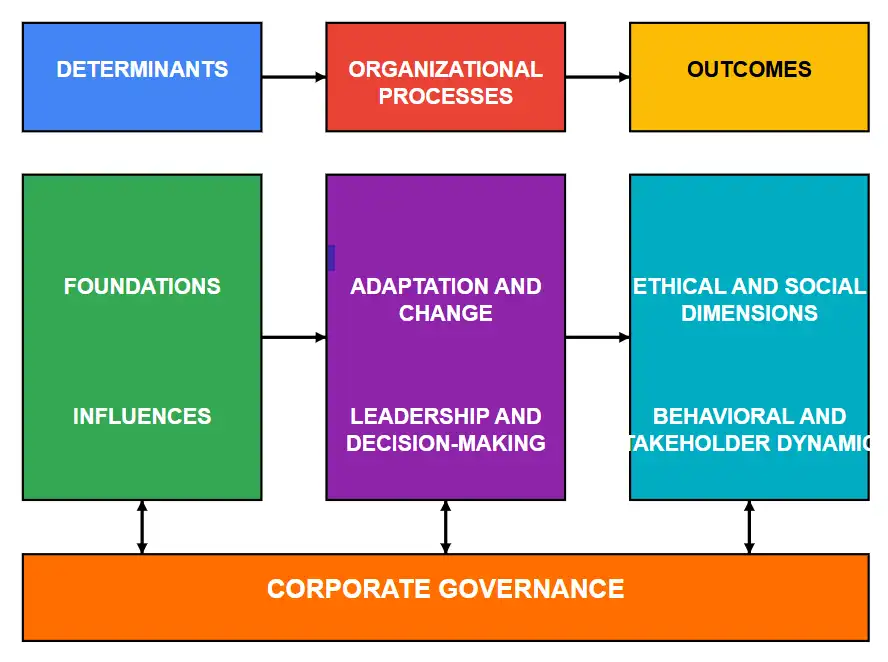
- Without robust corporate governance measures and systematic oversight over internal cotrols, even well-intentioned employees can inadvertently create significant financial discrepancies.
- Research indicates that companies using primarily manual expense tracking experience error rates up to 40% higher than those employing automated systems.
Systemic Inadequacies: When Technology Falls Short
Legacy financial systems present another critical vulnerability in expense management.
These outdated platforms often lack the integration capabilities necessary for comprehensive transaction capture in today’s complex business environment.
Key System Limitations Include:
- Integration Gaps – Inability to automatically sync with credit card systems, banking platforms, or modern payment applications
- Limited Transaction Visibility – Failure to capture expenses that occur outside traditional procurement channels, such as employee-initiated purchases or emergency expenditures
- Inadequate Reporting Capabilities – Systems that cannot generate real-time expense reports or provide detailed transaction analytics
- Mobile Accessibility Issues – Platforms that don not support mobile expense submission, creating barriers for field employees or remote workers
Modern businesses often operate across multiple platforms and payment methods, from corporate credit cards to digital wallets and online procurement systems.
With poor corporate governance and weak internal controls, businesses can miss recording various types of expenses. The categories you listed are prime examples of this vulnerability.
Emergency purchases made with personal funds
- Why it is missed: The transaction does not automatically appear on the company’s bank or credit card statement. The expense is only recorded if the employee remembers to submit a reimbursement request with proper documentation, which may be forgotten or lost.
- Mitigation: A formal expense reimbursement process with a clear policy and an easy-to-use system (like an expense app) can encourage employees to submit these transactions in a timely manner.
Small-dollar transactions
- Why it is missed: Low-cost items often have a more relaxed approval process, and the receipts are easily forgotten or lost.
- Unlike a large purchase, a small, individual transaction is not likely to trigger an alert from management.
- Mitigation: Companies can use corporate cards with spending limits for small purchases.
- Accounting software can then automatically track these expenses, eliminating the need for employees to manually submit receipts for every small item.
Vendor payments through non-standard channels
- Why it is missed: Standard controls, such as a vendor master file and authorization procedures, are circumvented entirely. The lack of an audit trail for these transactions makes them difficult to track and reconcile.
- Mitigation: Enforcing a strict “no non-standard payment” policy and centralizing all vendor payments through the accounts payable department can prevent such lapses. Accounts should be reconciled regularly to spot unusual outflows of cash.
Travel expenses incurred through third-party booking platforms
- Why it’s missed: Much like other personal card purchases, if the employee does not submit a timely and accurate expense report, the business may not record the cost. The company’s bank statement will only show a reimbursement to the employee, not the detail of the underlying travel expense.
- Mitigation: Implementing a centralized booking system for travel or issuing corporate credit cards for all business travel ensures these expenses are captured automatically and classified correctly. Requiring detailed documentation for all travel reimbursements also helps.
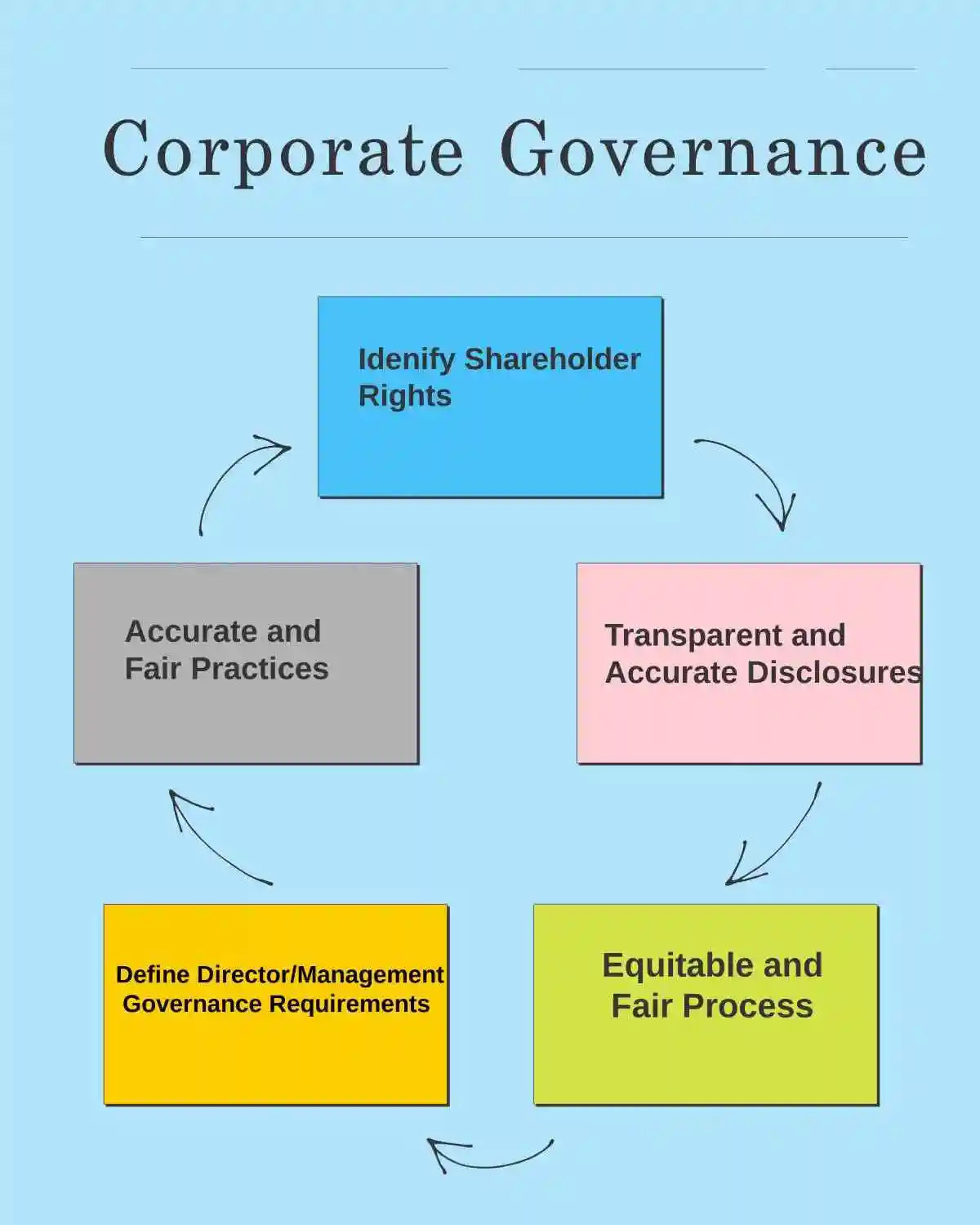
Broader risks of poor corporate governance and lack of strong internal contols
- Financial misstatement: The company’s iincome and liabilities will be inaccurate, harming the reliability of its financial statements.
- Increased fraud risk: The lack of a strong control environment creates opportunities for employees to misuse company funds, either by accident or through deliberate fraud.
- Lack of transparency: The company’s financial records will not provide a complete and accurate view of its spending, hindering management’s ability to make informed decisions.
- Regulatory scrutiny: Inaccurate financial reporting can trigger audits and investigations from regulatory bodies and tax authorities.
Intentional Manipulation: The Compliance and Legal Dimension
- Perhaps the most serious cause of unrecorded expenses involves deliberate omission for financial manipulation purposes.
- This practice extends far beyond simple oversight, representing a calculated decision to misrepresent financial position.
Motivations for Intentional Omission:
- Earnings Management – Artificially inflating profits to meet analyst expectations or maintain stock valuations
- Regulatory Avoidance – Attempting to stay below certain financial thresholds that trigger additional compliance requirements
- Loan Covenat Compliance – Manipulating financial ratios to avoid violating debt agreement terms
- Tax Minimization Strategies – Improperly timing expense recognition to reduce current-period tax obligations
The legal ramifications of intentional expense manipulation are severe, potentially including securities fraud charges, regulatory penalties, and significant reputational damage. Companies engaging in such practices expose themselves to:
- SEC enforcement actions and substantial fines
- Shareholder litigation and class action lawsuits
- Criminal prosecution of executives and financial personnel
- Permanent damage to market credibility and investor trust
Additional Contributing Factors
Beyond the primary causes, several secondary factors can exacerbate unrecorded expense problems:
Organizational Culture Issues:
- Inadequate Training – Employees lacking proper education about expense reporting procedures and requirements
- Poor Communication – Unclear policies regarding what constitutes a recordable business expense
- Insufficient Accountability – Lack of consequences for repeated expense reporting failures
- Process Deficiencies:
- Irregular Reconciliation Schedules – Infrequent matching of recorded expenses with actual cash outflows • Weak Internal Controls – Absence of systematic reviews and approval hierarchies
- Vendor Management Gaps – Poor coordination with suppliers regarding invoice timing and delivery
Implementing Comprehensive Prevention Strategies
Addressing unrecorded expenses requires a multi-faceted approach that combines technological solutions with robust procedural controls:
Technology-Driven Solutions:
- Deploy integrated expense management platforms that automatically capture transactions across all payment methods
- Implement real-time expense tracking with mobile accessibility for immediate submission
- Establish automated approval workflows with built-in compliance checks
Process Improvements:
- Conduct regular training sessions on expense reporting requirements and procedures
- Implement monthly reconciliation processes with detailed variance analysis
- Establish clear accountability measures with performance metrics tied to expense reporting accuracy
Cultural Initiatives:
- Foster a culture of transparency and accuracy in financial reporting
- Provide clear communication about the importance of complete expense documentation
- Recognize and reward employees who consistently maintain high standards in expense reporting
Legal Implications of Unrecorded Expenses
- The legal landscape surrounding unrecorded expenses is becoming increasingly stringent as regulators and investors demand greater transparency and accountability.
- When companies fail to record expenses accurately, they may find themselves in violation of securities laws, which require accurate and honest financial disclosures.
- Unrecorded expenses can lead to allegations of financial misrepresentation or fraud, which can trigger securities litigation.
- Investors who suffer financial losses due to inaccurate financial reporting may pursue legal action against the company, its executives, or its board of directors.
- Securities litigation can be costly and time-consuming, diverting resources from core business operations and damaging the company’s public image.
- Moreover, regulatory bodies such as the SEC in the United States have the authority to impose fines and sanctions on companies that fail to comply with financial reporting standards.
- These penalties can be substantial, further exacerbating the financial strain on the company.
- Therefore, the legal implications of unrecorded expenses are significant and underscore the importance of maintaining accurate financial records.
The Role of Auditors in Preventing Securities Litigation
- Auditors play a pivotal role in preventing securities litigation by ensuring the accuracy and completeness of financial statements.
- Their independent assessment provides an additional layer of scrutiny, helping to identify and rectify unrecorded expenses before they become problematic.
- Effective auditors employ a comprehensive approach to financial audits, focusing on areas that are susceptible to inaccuracies, such as expense reporting.
- They use analytical techniques to identify unusual patterns or discrepancies in financial data, which could indicate unrecorded expenses.
- By investigating these anomalies, auditors can provide valuable insights and recommendations for improving financial reporting practices.
- Moreover, auditors are tasked with evaluating the effectiveness of a company’s internal controls.
- They assess whether the controls in place are sufficient to prevent and detect errors or fraud related to expense recording.
- Strengthening these Revenue Recognition Fraud in Securities Litigation: The Ultimate Investor Guide [2025]ng the risk of unrecorded expenses and, by extension, securities litigation.
- Through their work, auditors help companies maintain compliance with financial reporting standards and protect their reputations.
Best Practices for Recording Expenses Accurately
- To mitigate the risks associated with unrecorded expenses, companies must adopt best practices for accurate expense recording.
- Implementing robust corporate governance and strong internal controls and procedures is essential to ensure that all expenses are captured and reported correctly.
- Automating the expense reporting process is a critical step towards accuracy.
- By leveraging technology, companies can streamline the capture and reconciliation of expenses, reducing the reliance on manual processes that are prone to errors.
- Automated systems can also provide real-time insights and alerts for any discrepancies, enabling prompt corrective action.
- Additionally, fostering a culture of transparency and accountability within the organization is crucial.
- Employees must be educated on the importance of accurate expense reporting and the potential repercussions of non-compliance.
- Regular training and clear communication of financial policies can empower employees to adhere to best practices, thereby safeguarding the company’s financial integrity.
Regulatory Framework Surrounding Unrecorded Expenses
- The regulatory framework governing unrecorded expenses is designed to promote transparency and accountability in financial reporting.
- Various regulatory bodies have established guidelines and standards that companies must adhere to when documenting their expenses.
- In the United States, the SEC enforces strict regulations that require companies to provide accurate and complete financial disclosures.
- This includes the proper recording of all expenses to ensure that financial statements reflect the company’s true financial position.
- The Financial Accounting Standards Board (FASB) provides additional guidance on the accounting principles that companies must follow, further emphasizing the importance of accurate expense reporting.
- Globally, the International Financial Reporting Standards (IFRS) set similar requirements for companies operating in multiple jurisdictions.
- These standards aim to harmonize financial reporting practices across countries, facilitating consistency and comparability.
- Non-compliance with these regulations can lead to significant penalties and legal challenges, underscoring the importance of adhering to the regulatory framework surrounding unrecorded expenses.
The Impact of Securities Class Actions on Companies and Investors
- Securities class action lawsuits have a profound impact on both companies and investors, influencing corporate practices and investor behavior in significant ways.
- For companies, the threat of securities litigation serves as a powerful deterrent against fraudulent and unethical conduct.
- The financial penalties and reputational damage associated with securities class actions can be substantial, prompting companies to adopt more transparent and responsible practices.
- This heightened accountability in securities litigationcan lead to improved corporate governance, enhanced compliance with securities laws, and a stronger focus on ethical business practices.
The investor side of securities litigation
- On the investor side, securities class actions play a crucial role in safeguarding their rights and interests.
- Securities litigation provides a mechanism for investors to seek compensation for losses incurred due to corporate misconduct, helping to restore their financial positions and confidence in the markets.
- The ability to participate in a securites class action without incurring significant legal costs or complexities empowers individual investors to hold companies accountable for their actions.
- This sense of empowerment can lead to increased investor vigilance and a greater willingness to challenge corporate behavior that may be detrimental to their interests.
- The broader impact of securities class actions extends to the overall integrity and stability of financial markets.
- By enforcing compliance with securities laws and deterring fraudulent conduct, securites class actions contribute to the creation of a more transparent and trustworthy market environment. T
- his, in turn, enhances investor confidence and encourages greater participation in the markets, fostering economic growth and innovation.
- While securities class actions can be contentious and complex, their role in promoting accountability and protecting investors is invaluable, underscoring their importance in the financial ecosystem.
The Future of Securities Class Action Litigation
- The future of securities class action litigation is likely to be shaped by several emerging trends and challenges, reflecting the evolving dynamics of financial markets and corporate behavior.
- Technological advancements, such as the rise of automated trading and digital currencies, present new opportunities and risks for investors, necessitating adaptations in securities litigation practices.
- As financial markets become increasingly globalized, securities class actions may also involve cross-border legal complexities, requiring coordination among legal systems and regulatory bodies in different jurisdictions.
- Regulatory changes and legislative reforms will continue to influence the landscape of securities class actions.
- Policymakers may seek to balance the need for investor protection with concerns about securities litigation costs and the potential for abuse of the legal system.
- This could result in adjustments to pleading standards, procedural requirements, and damages calculations, impacting how securities class actions are prosecuted and resolved.
- Legal practitioners and investors alike must stay iinformed about these developments to navigate the evolving legal environment of securities litigation effectively.
- Despite these challenges, securities class action litigation will remain a vital mechanism for enforcing corporate accountability and protecting investor rights.
- As financial markets evolve, the core principles of transparency, fairness, and ethical conduct will continue to underpin the role of securities litigation in promoting market integrity.
- By holding companies accountable for their actions and securing justice for investors, securities class actions contribute to a more resilient and trustworthy financial system.
- The future of securities litigation will undoubtedly present new complexities, but its fundamental purpose of safeguarding investor interests will endure.
Conclusion: Mitigating Risks Associated with Unrecorded Expenses
- In conclusion, unrecorded expenses represent a significant risk to companies, with the potential to trigger securities litigation and undermine investor confidence. ‘
- As the regulatory environment continues to evolve, businesses must prioritize accurate and transparent financial reporting to safeguard their reputations and ensure compliance.
- By understanding the causes and implications of unrecorded expenses, companies can implement effective strategies to mitigate these risks.
- This includes adopting best practices for expense recording, leveraging technology to automate processes, and fostering a culture of transparency and accountability.
- Additionally, engaging with auditors to evaluate and strengthen internal controls is crucial for preventing financial discrepancies.
- Ultimately, the key to mitigating the risks associated with unrecorded expenses lies in proactive and diligent financial management.
- By prioritizing accuracy and integrity in financial reporting, companies can navigate the complex regulatory landscape and build trust with their stakeholders, ensuring long-term success and stability.

