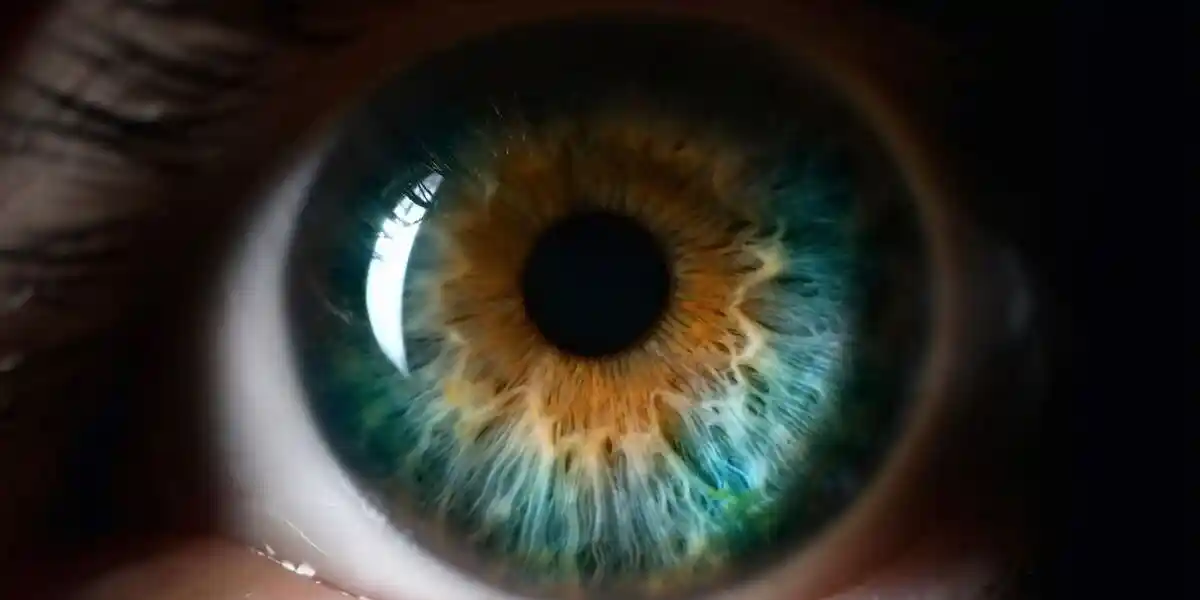
Introduction to the Trulicity NAION Lawsuit
Recent developments have raised substantial concerns regarding the relationship between Trulicity and NAION, prompting increased scrutiny from medical professionals, regulatory bodies, and affected patients. Reports of serious ocular complications, including conditions that may result in permanent visual impairment, have prompted legal action against the manufacturer. Understanding these potential Trulicity NAION eye side effects has become essential for current and prospective users of this medication.
Manufactured by Eli Lilly and Company, has been a widely prescribed medication for managing blood sugar levels in diabetic patients. However, recent studies and patient reports have raised concerns about Trulicity and NAION including vision loss are now seeking legal recourse through a Trulicity NAION Lawsuit against the manufacturer.
However, recent reports have raised concerns about potential Trulicity Induced NAION Specifically, there have been cases of a condition called nonarteritic anterior ischemic optic neuropathy (NAION) being reported among patients taking this medication. This has prompted further investigation into whether there is a link between tirzepatide and serious eye complications.
Read on for answers to fifteen frequently asked questions about Trulicity and NAION and more.

1. What is Trulicity Induced NAION?
NAION stands for Non-Arteritic Anterior Ischemic Optic Neuropathy—a medical condition where blood flow to the optic nerve is suddenly reduced, leading to rapid and often permanent vision loss in one eye. While NAION can occur spontaneously, emerging reports suggest a possible association between its onset and the use of medications like Trulicity. Researchers are investigating whether Trulicity may increase the risk by affecting blood vessels or circulation in susceptible individuals.
A study published in 2024 examined medical records from a large ophthalmology practice, revealing statistically significant increases in NAION incidence among patients prescribed these medications for type 2 diabetes and obesity management. Another study established a concerning connection between GLP-1 receptor agonists—including both Trulicity and Ozempic (semaglutide)—and increased incidence rates of NAION.
2. What is the Link Between Trulicity and NAION?
- Recent Clinical Investigations: Have identified a concerning association between GLP-1 receptor agonists, including axenda (liraglutide), and elevated rates of NAION.
- Trulicity NAION Lawsuit: A landmark study published in 2024 examined medical records from a large ophthalmology practice, revealing statistically significant increases in NAION incidence among patients prescribed these medications for type 2 diabetes and obesity management.
- Another study established a concerning connection between GLP-1 receptor agonists—including both Trulicity (dulaglutideand) Ozempic (semaglutide)—and increased incidence rates of NAION. Clinical observations have documented elevated occurrences of this condition among patients prescribed these medications compared to individuals using alternative diabetes treatments.
3. How can I recognize the Trulicity aand NAION Risks?
Classic symptoms of NAION include sudden, painless loss of vision—usually upon waking up—in one eye. You might also notice other Trulicity NAION eye side effects or a shadow or “curtain” over part of your visual field, decreased color perception, or difficulties adjusting to different lighting conditions. If you experience any of these symptoms while usingTrulicity, seek emergency care from an ophthalmologist immediately.
4. Is there evidence of Trulicity and NAION Risks
Yes, the research documented NAION occurrence rates across distinct patient populations:
- Type 2 diabetes patients: Those prescribed semaglutide or tirzepatide demonstrated a 4.28-fold increased risk of developing NAION compared to patients using alternative diabetes medications.
- Obesity treatment cohorts: Individuals receiving GLP-1 drugs for weight management exhibited a 7.64-fold elevated risk relative to those prescribed other weight-loss interventions.
- Absolute incidence rates: The cumulative three-year probability of NAION development reached 8.9% among GLP-1 drug users versus 1.8% in comparison groups.
The Risk Factors for NAION
- Optic Nerve Anatomy: Having a naturally small or “crowded” optic disc (“disc-at-risk”). This is an unchangeable physical trait.
- Age: Most common in adults over 50
- High Blood Pressure (Hypertension): Especially if blood pressure drops too low overnight, sometimes because of medication taken at bedtime.
- Diabetes: Poorly controlled blood sugar and the associated blood vessel damage.
- Sleep Apnea: A condition where breathing stops temporarily during sleep. This is a significant risk factor, possibly due to changes in blood pressure and oxygen levels at night.
- Smoking: Damages blood vessels and is a strong risk factor.
- High Cholesterol (Hyperlipidemia): Contributes to hardening of the arteries (atherosclerosis).
- Certain Medications: The heart medicine amiodarone and some erectile dysfunction drugs (like Viagra, Cialis, Levitra) may be associated with NAION in at-risk individuals.
- Genetic Predisposition: Minor changes in genes related to blood flow control and clotting that can increase susceptibility in some cases.
- Chronic Vascular Effects: Other risk factors may include the chronic vascular other risk factors may include the chronic vascular effects of anemia and kidney disease.
- Nocturnal hypotension: Significant drops in blood pressure during sleep can decrease blood flow to the optic nerve head.
- Individuals with obesity: Excess weight contributes to systemic inflammation and vascular dysfunction
- Patients with pre-existing cardiovascular conditions: Compromised circulation increases the likelihood of optic nerve ischemia
It is vital that you work with your primary care physician to identify and manage the well-established health risks to help prevent NAION in the other eye or a future vascular event like a heart attack or stro
5. What should I do if I experience Trulicity NAION eye side Effects?
First and foremost: treat any sudden change in vision as a medical emergency—call your doctor or go to an ER immediately. Early intervention may help limit permanent damage. Once stabilized, keep records of your symptoms and medication history; this documentation will be important if you decide to a Trulicity NAION Lawsuit.
6. Who is eligible for a Trulicity NAION lawsuit?
Eligibility typically includes people who took Trulicity and developed NAION or other serious Trulicity NAION issues that cannot be attributed to pre-existing conditions (like glaucoma or diabetic retinopathy). Your Trulicity NAION Lawsuit will be stronger if your diagnosis occurred after starting the medication and was confirmed by an eye specialist.

7. How do I know if I qualify for a Trulicity NAION lawsuit?
Generally speaking, you may qualify if:
- You took About as prescribed.
- You suffered sudden vision loss or were diagnosed with NAION after starting the drug.
- There’s medical evidence connecting your condition to your use of Trulicity.
You did not have prior eye diseases that would otherwise explain your symptoms. A qualified Trulicity NAION Attorney like Timothy L. Miles can review your case details during a free consultation and confirm if you qualify for a Trulicity NAION lawsuit.
8. What role does a Trulicity NAION lawyer play in my case?
A Trulicity NAION lawyer practies pharmaceutical injury cases. They serve as your advocate, helping you navigate the legal process, from collecting medical records and consulting expert witnesses to building a strong claim against the manufacturer.
Your Trulicity NAION Attorney will handle negotiations with drug companies and insurers, file necessary paperwork, and—if needed—represent you at trial. Most importantly, they work to secure compensation for your medical bills, lost wages, pain and suffering, and any permanent vision impairment caused by Trulicity NAION eye side effects.
9. Are there time limits for filing a Trulicity NAION Lawsuit?
Yes—these are called statutes of limitations, and they vary by state. Typically, you have two to three years from the date you discovered (or should have discovered) the injury to file a Trulicity NAION Lawsuit. If you wait too long, you may lose your right to compensation. That is why it is wise to contact an attorney as soon as possible after your diagnosis.
If you were prescribed Trulicity and took it as directed and suffered Trulicity induced NAION, contact Trulicity NAION attorney Timothy L. Miles today. You could be Trulicity for a Trulicity NAION Lawsuit and potentially entitled to substantial compensation.
10. What is the compensation in a Trulicity NAION claim?
Compensation can cover:
- Past and future medical expenses (including surgeries, medications, therapy)
- Lost income or reduced earning capacity
- Pain and suffering
- Loss of enjoyment of life due to vision loss
- Punitive damages (in some cases where negligence is proven) Every case is unique; your attorney can estimate the value of your specific claim.
11. Can I join a class action suit against the manufacturer for Trulicity Induced NAION?
Class actions are sometimes filed when many people are harmed in similar ways by the same product. However, because individuals who suffered Trulicity and NAION differently and damages vary greatly, these cases often proceed as “mass torts” or individual lawsuits instead of class actions. An attorney can advise which option best fits your circumstances.
How common Trulicity Induced NAION among those who take the medication?
Currently, NAION appears to be a rare complication among Trulicity users; however, any new medication on the market may reveal more side effects over time as more patients use it. The U.S. Food and Drug Administration (FDA) tracks adverse event reports submitted by doctors and patients—if you have experienced vision changes after startingTrulicity, reporting it can help add to this safety data.

13. What medical evidence is needed to support a Trulicity NAION lawsuit?
A Trulicity NAION Lawsuit will require strong evidence includes:
- Medical records confirming your use of Trulicity
- Documentation of when symptoms began relative to starting the drug
- An official diagnosis of NAION or other vision loss from an ophthalmologist
- Test results such as visual field tests or optic nerve imaging
- Expert opinions linking your condition to medication use Gathering this evidence early strengthens your case.
14. Should I stop taking Trulicity if I am worried about Trulicity and NAION Risks?
Never stop prescription medication without first talking with your doctor! If you notice any vision changes while taking Trulicity—or if you have risk factors like high blood pressure or diabetes—discuss these concerns promptly with your healthcare provider. They may recommend monitoring, changing medications, or referring you to an eye specialist.
15. Where can I find a lawyer experienced in Trulicity NAION lawsuits?
To find an attorney with experience in Trulicity NAION lawsuits or similar pharmaceutical lawsuits, start by searching reputable legal directories such as Avvo, Martindale-Hubbell, or your state bar association’s referral service. Look specifically for lawyers or firms that focus on product liability, defective drugs, or mass torts involving prescription medications.
Many of these attorneys like Timothy L. Miles offer free initial consultations to evaluate your case and will work on a contingency fee basis—meaning you pay nothing unless they secure compensation for you. Be sure to ask about their experience with drug-related vision loss claims and their track record in similar cases. If you suffered NAION after taking Trulicity, contact Trulicity NAION Lawyer Timothy L. Miles today.
If you were prescribed Trulicity and took it as directed and suffered Trulicity Induced NAION, contact Trulicity NAION Lawyer Timothy L. Miles today. You could be eligible for a Trulicity Trulicity NAION Lawsuit and potentially entitled to substantial compensation. (855) 846–6529 or [email protected].
Timothy L. Miles, Esq.
Law Offices of Timothy L. Miles
Tapestry at Brentwood Town Center
300 Centerview Dr. #247
Mailbox #1091
Brentwood,TN 37027
Phone: (855) Tim-MLaw (855-846-6529)
Email: [email protected]
Website: www.classactionlawyertn.com
Facebook Linkedin Pinterest youtube

