Introduction to an Essential Guide to Ocaliva and Liver Failure
As a Tennessee Ocaliva Lawsuit Lawyer, I am well-aware that Ocaliva (obeticholic acid) was prescribed to treat primary biliary cholangitis (PBC), a chronic autoimmune liver disease that can progress to cirrhosis and liver failure. Over time, Ocaliva became associated with serious safety concerns, including reports of liver injury, hepatic decompensation, and liver failure in certain patients. The medication has since been removed from the market, but legal claims may still be pursued by eligible patients and families depending on the facts, the timing, and Tennessee’s applicable deadlines.
This guide explains what Ocaliva is, what “liver failure” means in this context, why lawsuits may arise, and how a Tennessee Ocaliva lawsuit lawyer typically evaluates a potential case.
If you suffered Ocaliva and liver failure or suffered injuries linked to Ocaliva use, or lost a loved one to Ocaliva liver injuries, contact Tennessee Ocaliva lawsuit lawyer Timothy L. Miles today who can tell you if you qualify for an Ocaliva lawsuit and possibly may be entitled to significant compensation.

Ocaliva, Defined: What the Drug Was Intended to Do
Ocaliva (obeticholic acid) is a bile acid analog that acts as a farnesoid X receptor (FXR) agonist. In practical terms, the drug was designed to influence bile acid production and transport, with the goal of reducing cholestasis-related injury in PBC.
Ocaliva was used primarily:
- In adults with PBC who had an inadequate response to ursodeoxycholic acid (UDCA), or
- In adults unable to tolerate UDCA
PBC is typically monitored using liver biochemistry, imaging, fibrosis assessment, and clinical signs of portal hypertension. Because many PBC patients already have underlying liver impairment, a central issue in Ocaliva safety has been whether the drug was used in populations at heightened baseline risk, and whether warnings and prescribing guidance were adequate and followed.
The Core Safety Issue: Ocaliva and Liver Failure
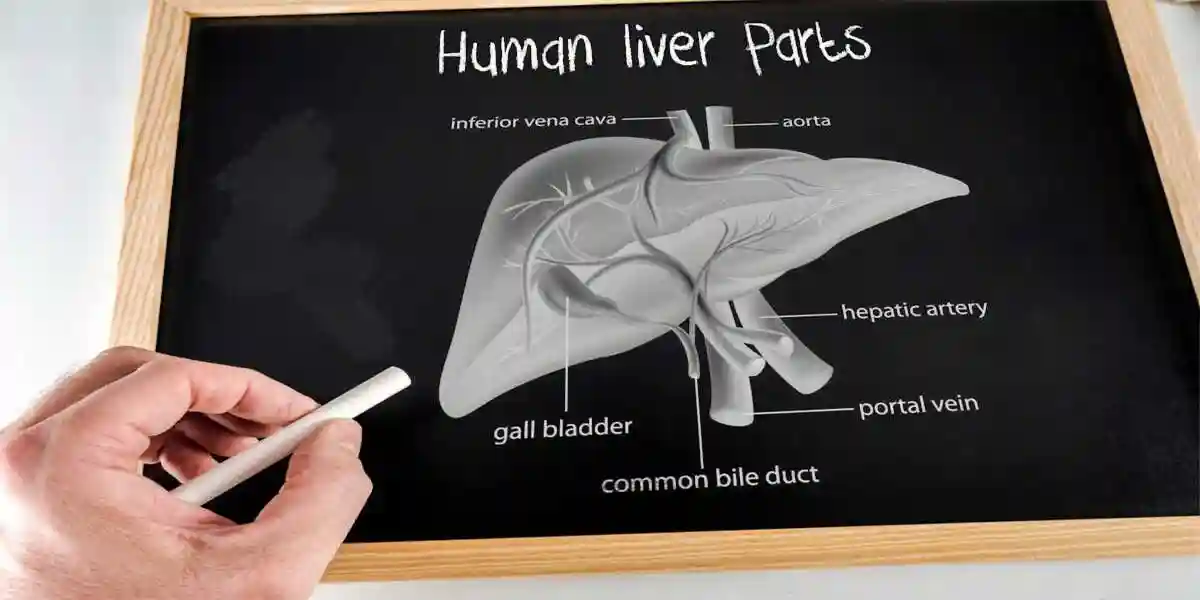
What “Liver Failure” May Mean in an Ocaliva Claim
“Liver failure” is often used as a broad term. In litigation and medical review, the analysis is more specific and may include:
- Acute liver injury (drug-induced liver injury patterns on labs and symptoms)
- Hepatic decompensation (worsening in a patient with chronic liver disease)
- Progression to end-stage liver disease
- Liver transplant evaluation or transplant
- Death related to liver-related complications
In patients with advanced liver disease, even modest shifts in hepatic function can trigger major clinical consequences. For that reason, many case reviews focus on whether the patient had evidence of cirrhosis, portal hypertension, or impaired synthetic function before starting Ocaliva, and whether dosing and monitoring matched prescribing guidance.
If you suffered Ocaliva and liver failure or suffered injuries linked to Ocaliva use, or lost a loved one to Ocaliva liver injuries, contact Tennessee Ocaliva lawsuit lawyer Timothy L. Miles today who can tell you if you qualify for an Ocaliva lawsuit and possibly may be entitled to significant compensation.
Clinical Red Flags Commonly Reviewed
A Tennessee Ocaliva lawsuit lawyer will often request records that show whether warning signs emerged after starting the medication, such as:
- Rising bilirubin
- Elevated AST/ALT
- Worsening alkaline phosphatase (ALP) patterns
- Declining albumin
- Increased INR
- New or worsening ascites
- Hepatic encephalopathy (confusion, somnolence)
- Variceal bleeding
- Hospitalization for liver-related complications
This type of timeline is important because legal claims often turn on causation, meaning whether the drug more likely than not contributed to the decline beyond what would have occurred from underlying disease alone.
Market Withdrawal: Why It Matters and Why It Does Not Automatically End Claims
Because Ocaliva has been pulled from the market, many patients assume there is nothing left to do. From a legal standpoint, market withdrawal can matter in two different ways:
- Safety narrative and notice: Withdrawal may support an argument that the risk profile was significant and that safer alternatives should have been prioritized earlier.
- Timing and deadlines: Removal from the market does not automatically extend deadlines. Tennessee law typically requires claims to be brought within a legally defined time window.
If you believe you were harmed, the key is not whether the drug is still sold. The key is whether there is a viable claim under Tennessee law based on your diagnosis, timing, injuries, and evidence.
Why Ocaliva Lawsuits Happen: Product Liability Theories in Plain English
An Ocaliva lawsuit is typically a product liability case, often paired with negligence-related claims. These cases commonly focus on one or more of the following legal theories:
1) Failure to Warn
This is one of the most common allegations in prescription-drug litigation. The argument is that the manufacturer:
- Did not adequately warn about risks, or
- Did not communicate risks clearly enough to physicians and patients, or
- Did not update warnings promptly in light of emerging safety data
In prescription drug cases, warnings are often evaluated under the learned intermediary doctrine, which generally focuses on what the prescribing clinician was told (and what a reasonable clinician would have done with adequate information).
Similar situations have arisen in other cases such as the Dexcom device recall, where product liability theories have also been applied due to safety concerns.
2) Design Defect (Less Common, But Possible)
A design defect theory argues the drug is unreasonably dangerous even when used as intended. These claims can be complex, especially where the drug’s benefits for a serious disease are weighed against risks for specific subpopulations.
3) Misrepresentation and Marketing Practices
Some cases focus on whether risks were minimized, whether patient selection was emphasized sufficiently, and whether communications to clinicians aligned with the evolving risk profile.
4) Negligence
Negligence claims may assert failures in pharmacovigilance, post-market surveillance, risk management planning, or timely corrective action.
Who May Qualify for an Ocaliva Lawsuit in Tennessee?
Eligibility depends on facts, but many inquiries involve patients who:
- Took Ocaliva for PBC, and
- Later developed serious liver injury, hepatic decompensation, liver failure, transplant, or death, and
- Can document the prescribing timeline, monitoring, and outcomes
A lawyer will also examine whether the patient had features suggesting advanced cirrhosis or impaired liver reserve before Ocaliva was started, since that has been central to safety concerns historically.
Documentation That Typically Helps
If you are considering speaking with a Tennessee Ocaliva lawsuit lawyer, the most helpful documents usually include:
- Pharmacy records showing Ocaliva start and stop dates
- Prescribing records and dosage changes
- Baseline liver labs before Ocaliva
- Follow-up labs after Ocaliva
- Hospitalization records
- Imaging and fibrosis assessments (ultrasound, elastography, CT/MRI)
- Notes referencing Child-Pugh classification, MELD score, portal hypertension, ascites, varices, or encephalopathy
- Transplant evaluation notes, if applicable
- Death certificate and autopsy findings, if applicable
In addition to these criteria for an Ocaliva lawsuit in Tennessee, it’s important to recognize that other medical conditions or medications may lead to similar severe health outcomes. For instance, Trulicity has been linked with cases of NAION (Non-Arteritic Anterior Ischemic Optic Neuropathy), a serious eye condition. Similarly, drugs like Saxenda, Mounjaro, Zepbound, and others have also been associated with significant health risks. If you or someone you know has experienced adverse effects from these medications or suffered due to exposure to toxic substances such as in a toxic fume exposure lawsuit, it’s crucial to seek legal advice.
If you suffered Ocaliva and liver failure or suffered injuries linked to Ocaliva use, or lost a loved one to Ocaliva liver injuries, contact Tennessee Ocaliva lawsuit lawyer Timothy L. Miles today who can tell you if you qualify for an Ocaliva lawsuit and possibly may be entitled to significant compensation.
Understanding PBC Progression Versus Drug-Related Worsening
A central defense in many pharmaceutical cases is that the patient’s decline was caused by the underlying disease. That is why case screening tends to be structured and evidence-driven.

How Attorneys and Experts Analyze Causation
A Tennessee Ocaliva lawsuit lawyer may work with medical experts who evaluate:
- Baseline severity of PBC and fibrosis stage
- Pre-existing cirrhosis complications
- Dose selection and whether it aligned with safety guidance
- Whether monitoring occurred and whether abnormal labs triggered action
- Temporal relationship: did deterioration accelerate after initiation?
- Alternative causes: viral hepatitis, alcohol-related liver disease, NASH/MASH, autoimmune overlap, sepsis, ischemic injury, biliary obstruction, and medication interactions
The legal question is not whether the patient had PBC. The legal question is whether Ocaliva contributed in a meaningful, preventable way to the injury.
Why Tennessee-Specific Representation Matters
Hiring counsel licensed and experienced with Tennessee litigation practice can make a meaningful operational difference. Tennessee-specific issues may include:
- Statutes of limitation and repose that can bar claims if not timely filed
- Coordination with national litigation structures if claims are consolidated elsewhere
- Local medical record access and provider subpoenas
- Venue considerations and case strategy for Tennessee plaintiffs
- Tennessee procedural rules for filing, service, and expert disclosures
A Tennessee Ocaliva lawsuit lawyer should be able to explain, in writing and in plain language, how Tennessee deadlines apply to your specific facts.
In understanding the progression of Primary Biliary Cholangitis (PBC) versus drug-related worsening, it’s crucial to consider certain factors. For instance, the baseline severity of PBC and fibrosis stage need to be assessed thoroughly. This involves a detailed analysis of medical records, which can provide invaluable insights into the patient’s health prior to the initiation of any drug treatment.
Statute of Limitations: Why Timing Can Decide the Case
Tennessee has strict timing rules for personal injury and wrongful death claims. Product liability cases can be affected by both a statute of limitations and a statute of repose. The practical takeaway is straightforward:
- Delays can permanently eliminate an otherwise valid claim.
- The “clock” may start earlier than many people expect, sometimes tied to when you knew or reasonably should have known the injury may be related to the drug.
Because the legal analysis is fact-specific, you should treat timing as an urgent intake issue, not as a detail to address later.
This article is not legal advice. A licensed Tennessee attorney must review your facts to provide advice on deadlines and eligibility.
What Compensation May Be Available in an Ocaliva Lawsuit?
Every case is different. In general, damages in a serious drug injury claim may include:
- Past and future medical expenses
- Lost income and diminished earning capacity
- Pain and suffering
- Loss of enjoyment of life
- Disability and disfigurement (for example, complications from ascites procedures or transplant)
- Out-of-pocket costs (travel for specialty care, transplant-related expenses)
- In wrongful death cases: funeral costs and loss of consortium or support (as allowed under Tennessee law)
An attorney should discuss damages conservatively and document-driven. Credible claims are built on records, not speculation.
In some instances, drugs like Saxenda, Trulicity, or Mounjaro could lead to severe side effects such as vision loss. If you find yourself in such a situation, it’s essential to seek legal help from experts who specialize in these types of cases. For instance, if you’ve experienced vision loss due to the use of Zepbound, you might want to consider reaching out to a Zepbound vision loss lawyer for assistance.
The Intake Process: What a Tennessee Ocaliva Lawsuit Lawyer Will Ask You
Most firms begin with a structured interview. You can prepare by writing down:
- Your diagnosis: PBC and any overlap syndromes
- When Ocaliva started and stopped and the dose if known
- Your condition before Ocaliva: labs, symptoms, cirrhosis status
- What changed after Ocaliva: hospitalizations, new symptoms, labs
- Current status: transplant evaluation, MELD score history, ongoing care
- Other risk factors: alcohol history, hepatitis, metabolic disease, other drugs
- Treating physicians and facilities: gastroenterology, hepatology, transplant center
The goal is repetition for accuracy: dates, labs, events, and outcomes. Precision matters because medical causation depends on a defensible timeline.
If you suffered Ocaliva and liver failure or suffered injuries linked to Ocaliva use, or lost a loved one to Ocaliva liver injuries, contact Tennessee Ocaliva lawsuit lawyer Timothy L. Miles today who can tell you if you qualify for an Ocaliva lawsuit and possibly may be entitled to significant compensation.

Practical Steps If You Believe Ocaliva Harmed You
If you are considering an Ocaliva claim in Tennessee, these steps help protect your health and your options:
- Continue medical follow-up. Do not stop or start any medication based on a lawsuit discussion.
- Request your complete records. Ask for hepatology notes, labs, discharge summaries, and pharmacy histories.
- Write a symptom timeline. Include confusion episodes, fluid retention, ER visits, falls, bleeding, and medication changes.
- Document major costs. Keep receipts and travel logs for specialty care.
- Speak with a Tennessee lawyer promptly. Timing can be decisive.
How to Choose the Right Tennessee Ocaliva Lawsuit Lawyer
When selecting a lawyer for a medically complex case like an Ocaliva lawsuit, it’s important to remember that you’re not just hiring a marketer. You’re hiring a risk manager. Here are some key factors to consider:
- Clear experience in pharmaceutical product liability
- A disciplined process for record review and expert screening
- Transparent communication on fees (often contingency-based)
- A willingness to explain strengths and weaknesses
- Written guidance on next steps and record authorizations
A reliable lawyer will not promise outcomes. Instead, they will explain the process, the evidence needed, and the risks involved.
If you’re also considering other pharmaceutical product liability cases, such as those related to Depo-Provera or Dupixent, it may be beneficial to consult with a lawyer who specializes in these areas as well.
Frequently Asked Questions about an Ocaliva Lawsuit
Is Ocaliva still available?
No, Ocaliva has been removed from the market. However, the unavailability of a drug does not automatically resolve questions about prior injuries.
If I had PBC, how can anyone prove Ocaliva caused my liver failure?
Causation is evaluated through a medical timeline and differential analysis. Experts review baseline disease severity, dosing, monitoring, and the pattern and timing of deterioration.
What if my loved one passed away?
A Tennessee Ocaliva lawsuit lawyer can evaluate a potential wrongful death claim. You should gather hospital records, medication history, and any documentation showing liver-related decline and complications.
Do I need to live in Tennessee to file in Tennessee?
Not necessarily. However, Tennessee venue and jurisdiction rules are fact-specific. If exposure, treatment, injury, or defendants’ contacts connect to Tennessee, a Tennessee attorney can advise on proper filing strategy.
What is Ocaliva (obeticholic acid) and what was it prescribed for?
Ocaliva (obeticholic acid) is a bile acid analog that acts as a farnesoid X receptor (FXR) agonist. It was prescribed to treat primary biliary cholangitis (PBC), a chronic autoimmune liver disease, particularly in adults who had an inadequate response to ursodeoxycholic acid (UDCA) or were unable to tolerate UDCA.
Why was Ocaliva removed from the market?
Ocaliva was removed from the market due to serious safety concerns, including reports of liver injury, hepatic decompensation, and liver failure in certain patients. These adverse effects raised significant risks, especially among patients with pre-existing liver impairment.
What does ‘liver failure’ mean in the context of Ocaliva-related claims?
In Ocaliva-related claims, ‘liver failure’ can refer to acute liver injury, hepatic decompensation, progression to end-stage liver disease, the need for liver transplant evaluation or transplant, and death related to liver complications. The term is analyzed specifically in litigation and medical reviews to assess causation and severity.
Closing Perspective: Proactive Review Protects Patients and Families
Ocaliva’s market removal underscores a broader reality in modern pharmacotherapy: complex diseases require complex drugs, and complex drugs require robust oversight. Patients deserve clarity. Clinicians deserve complete risk information. Families deserve accountability when preventable harm occurs.
If you believe Ocaliva contributed to liver failure, hepatic decompensation, transplant, or death, a Tennessee Ocaliva lawsuit lawyer can help you convert uncertainty into a documented, evidence-based review. The most important step is also the simplest: gather your records and evaluate your timeline before legal deadlines close.