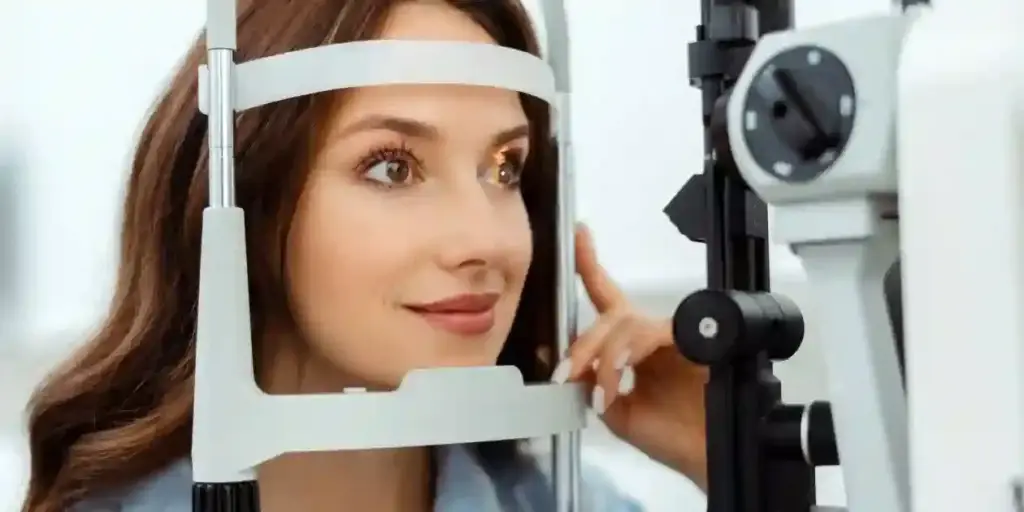
Introduction to Saxenda and Blurry Vision
- Saxenda and Blurry Vision: Blurry vision is another of the documented Saxenda Eye problems and it is listed as a serious potential side effect in official safety information and medical reports. Blurred vision can be a symptom of both hyperglycemia and hypoglycemia. If you experience Saxenda and Blurry Vision, contact your doctor right away.
- Saxenda Vision Problems: Refers to significant developments with respect to potential ocular convolutions connected to Saxenda use. Reports of serious Saxenda vision side effects, including vision loss and blindness, have resulted in a wave of lawsuits against the manufacturer. These concerns have coalesced into the Saxenda Blindness Lawsuit, with patients seeking representation from legal professionals, including Saxenda Blindness Lawyers, to address alleged inadequate warnings regarding severe and permanent oscular-related risks.
- Saxenda: Is an important breakthrough in the field of medication for long-term weight management. It has been approved by the U.S. Food and Drug Administration (FDA) as a prescription drug for adults who are obese or overweight and have weight-related health issues. The active ingredient in Saxenda is liraglutide, a man-made version of a hormone that acts on the body’s receptors to regulate metabolism and promote weight loss.
- FDA Approved for Weight Loss: Liraglutide works by imitating natural hormones that control hunger and food consumption, making Saxenda an effective option for individuals who have difficulty managing their weight through traditional methods such as dieting and exercising. The FDA granted approval for Saxenda after thorough clinical trials showed its effectiveness in achieving long-term weight loss when used in conjunction with calorie-restricted diets and increased physical activity.
- Be Extremely Cognizant of Saxenda Eye Problems: It is crucial for patients taking this weight loss medication to be aware of possible Saxenda vision side effects, as early detection and intervention are vital in preventing irreversible vision damage. The connection between liraglutide use and specific eye disorders calls for vigilant self-monitoring by patients and regular check-ups by healthcare providers throughout the course of treatment.
- Frequently Asked Questions: Read on to learn the answers to ten extremely important frequently asked questions by patients and consumers about Saxenda and blurry vision and other Saxenda vision side effects.

1. What about Saxenda and Blurry Vision?
- Saxenda, a GLP-1 receptor agonist, lowers blood sugar levels. If blood sugar drops too low (hypoglycemia), blurry vision can be a symptom. This is particularly a risk for patients with type 2 diabetes who are also taking other diabetes medications, such as insulin or sulfonylureas.
- Seek Immediate Medical Help: If you experience Saxenda and Blurry Vision, contact your doctor right away.
2. What Is the Link Between Saxenda and NAION?
- Recent Clinical Investigations: Have identified a concerning association between GLP-1 receptor agonists, including Saxenda (Liraglutide), and elevated rates of nonarteritic anterior ischemic optic neuropathy.
- Saxenda Vision Problems: A landmark study published in 2024 examined medical records from a large ophthalmology practice, revealing statistically significant increases in NAION incidence among patients prescribed these medications for type 2 diabetes and obesity management. Another study established a concerning connection between GLP-1 receptor agonists such as Saxenda—and increased incidence rates of NAION. Clinical observations have documented elevated occurrences of this condition among patients prescribed these medications compared to individuals using alternative diabetes treatments.
3. What About Saxenda and Diabetic Retinopathy?
- Another complication associated with Saxenda is macular edema, characterized by fluid buildup in the macula—the central part of the retina responsible for sharp vision. As a result, patients may experience blurred central vision, difficulty reading, and altered color perception.
- Fluid Leakage to teh Macula: This condition occurs when the barrier between the blood vessels and retinal tissue is disrupted, allowing fluid leakage into the macula and compromising visual clarity.
4. What Are the Documented Saxenda Vision Side Effects?
- Saxenda Vision Problems: The vision problems with Saxenda include multiple forms of visual impairment affecting different aspects of eye function. Clinical reports and patient testimonials have identified several distinct patterns of vision problems associated with liraglutide therapy:
-
- Blurred vision is the most common complaint, characterized by reduced visual clarity and difficulty focusing on objects at varying distances
-
- Tunnel vision presents as a narrowing of the peripheral visual field, limiting the patient’s ability to see objects outside their direct line of sight
-
- Eye pain or swelling manifests as discomfort, pressure sensations, or visible inflammation around the eye structures
-
- Halos around lights appear as bright circles or rings surrounding light sources, particularly noticeable during nighttime or low-light conditions
-
- Sudden vision changes include rapid onset of visual distortion, partial vision loss, or complete blindness in one or both eyes
5. Can Saxenda cause vision loss?
- Yes, recent studies suggest a possible link between Saxenda and vision loss, specifically a condition called non-arteritic anterior ischemic optic neuropathy (NAION), which can cause sudden and permanent vision loss.
- Saxenda, like other GLP-1 receptor agonists, may increase the risk of NAION by potentially reducing blood flow to the optic nerve, though the overall risk is considered low.
6. Are there ongoing lawsuits regarding Saxenda and blindness? What are they about?
- Litigation Landscape: Yes, several lawsuits have been filed alleging that Saxenda caused serious eye problems—including partial or total blindness—in some users. These legal actions generally claim that Novo Nordisk (the manufacturer) failed to adequately warn patients and healthcare providers about potential risks to eye health.
- Compensation in a Saxenda Blindness Lawsuit: Plaintiffs often seek compensation for medical expenses, lost income due to disability, pain and suffering, and sometimes punitive damages if negligence can be shown. Central issues in these lawsuits include whether there was sufficient scientific evidence linking Saxenda to these risks at the time of approval and whether warning labels should have included clearer information about potential vision side effects.
7. What should I do if I experience any Saxenda Vision Side Effects?
- Saxenda Side Effects: If you notice any Saxenda side effects—such as blurriness, double vision, seeing spots or flashes, eye pain, or sudden loss of sight—stop using Saxenda immediately and contact your healthcare provider without delay. Vision problems can signal underlying conditions like increased intraocular pressure, retinal issues, or even stroke-like events that require urgent assessment.
- Eye Examination: Your doctor will likely perform a complete eye examination and may refer you to an ophthalmologist for further evaluation. They will also review your medication history, including your Saxenda vision side effects, and may conduct blood tests to rule out other causes such as uncontrolled blood sugar levels or hypertension.
- Talk to Your Doctor: Do not resume Saxenda until your doctor has determined it is safe to do so. Early intervention greatly improves the chance of recovery if the problem is drug-related.
8. Can a Saxenda Blindness lawyer help with a Saxenda Vision Loss Lawsuit?
- Yes—a lawyer experienced in pharmaceutical litigation can assess your Saxenda Lawsuit and help determine if you are eligible for a Saxenda Lawsuit due to alleged harm from Saxenda.
- The Only Call You Need to Make: Contact Saxenda Lawyer Timothy L. Miles for a free case evaluation about a Saxenda Lawsuit. (855) 846–6529 or [email protected].
9. What About Saxenda and Dry Eye Syndrome
- Saxenda Vision Side Effects and Dry Eyes: Multiple case reports have documented instances of dry eye syndrome among users of GLP-1 receptor agonists.
- Discomfort on Eye Surface: Patients may feel discomfort on the surface of their eyes, experience burning sensations, and have intermittent blurry vision due to insufficient tear production or excessive evaporation of tears.
- Autonomic Nervous System: The underlying mechanism could involve effects on the autonomic nervous system or inflammatory responses triggered by the medication.
10. How common are Saxenda Vision Problems?
- Recent Clinical Studies: Eye problems are considered rare with Saxenda use, but recent studies have linked it to an increased risk of a serious condition called NAION which can cause sudden and permanent vision loss.
- Other Side Effects: Other potential eye issues include short-term vision changes, and for those with diabetes, a possible increased risk of developing or worsening diabetic eye conditions like macular degeneration or retinopathy.

If You Suffered from Vision Side Effects, Contact Saxenda Vision Loss Lawyer Timothy L. Miles Today
