
Introduction to the Requirements for a Dexcom Recall Lawsuit
Requirements for a Dexcom Recall Lawsuit: Dexcom continuous glucose monitoring (CGM) systems have become a critical tool for many people managing diabetes. They provide near real-time glucose readings, alerts, and trend data that can support day-to-day medical decision making. Because users often rely on these devices to detect hypoglycemia, hyperglycemia, and rapidly changing glucose levels, product reliability is not a preference. It is a safety requirement.
When Dexcom issues a recall, or when a device failure prompts an investigation, many users ask the same practical question: what are the requirements for a Dexcom recall lawsuit?
A recall does not automatically mean you have a lawsuit. At the same time, a recall can be meaningful evidence in a product liability claim when a device defect causes injury, worsens a medical condition, or leads to measurable financial harm. The purpose of this guide is to explain, in a clear and legally accurate way, what typically must be proven, what documentation matters, and what facts tend to determine whether a claim is viable.
If you or a loved one used a defective Dexcom device and suffered harm when your Dexcom device malfunctioned, contact Nashville Dexcom Recall Injury Lawyer Timothy L. Miles for a free case evaluation today to see if you meet the requirements for a Dexcom Recall Lawsuit and potentially be entitled to substantial compensation in a Dexcom recall lawsuit. (855) 846–6529 or tmiles@timmileslaw.com.

What a “Dexcom Recall” Means in Legal Terms
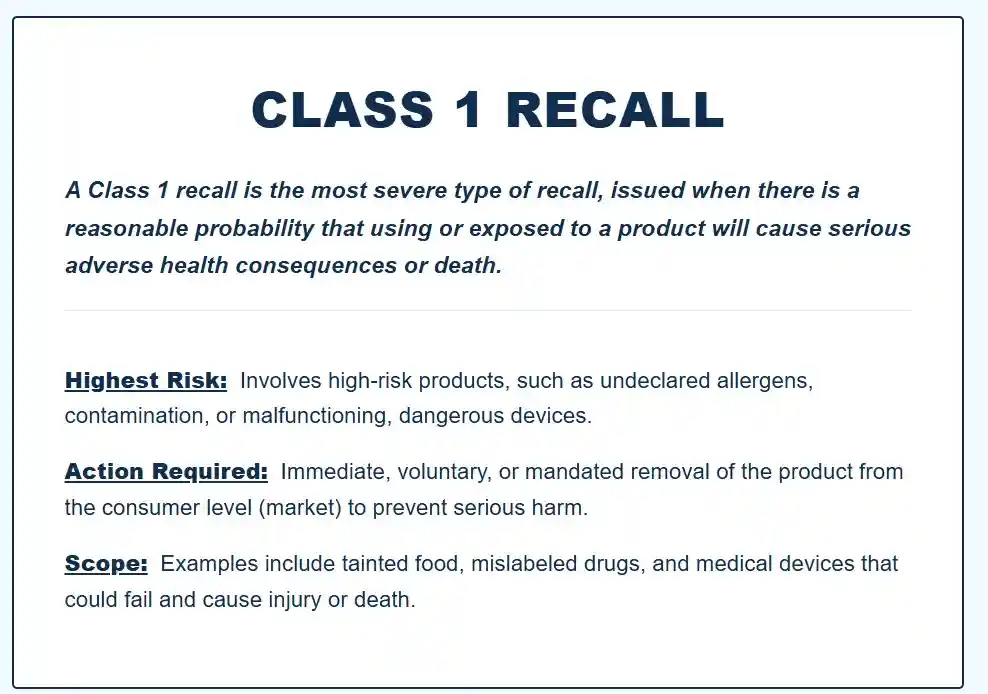
A recall is a corrective action taken to address a safety issue or performance problem. In the United States, recalls for medical devices are often tracked by the Food and Drug Administration (FDA). A recall can involve:
- A removal of the product from the market.
- A correction, such as a software update, labeling change, replacement, or repair.
- A communication instructing users to change how they use the device, monitor for issues, or discontinue use under defined conditions.
From a lawsuit perspective, a recall can matter because it may help establish:
- Notice: the manufacturer was aware, or should have been aware, of a problem.
- Defect evidence: the recall may describe a malfunction mode consistent with the harm alleged.
- Causation support: the timing and nature of the recall can align with the timeline of injury.
- Standard of care implications: communications about risks and mitigation steps can show what was reasonably foreseeable.
However, it’s important to note that qualifying for a Dexcom lawsuit involves more than just the occurrence of a recall. Establishing negligence or liability requires connecting that fact to a specific defect, failure, and injury.
In terms of compensation during such legal proceedings, understanding how compensation works in a Dexcom recall lawsuit can provide valuable insights into potential outcomes.
Additionally, if you’re considering pursuing legal action on behalf of multiple affected individuals, it’s crucial to be aware of the class certification requirements, which are essential for successfully filing a class action lawsuit related to Dexcom device recalls.
The Core Legal Elements of a Dexcom Recall Lawsuit
While the precise legal framework varies by state, most Dexcom recall lawsuits, if filed as product liability claims, generally require proof of the following elements:
- You used or were exposed to the product.
- The product was defective or unreasonably dangerous.
- The defect existed when the product left the manufacturer’s control.
- The defect was a substantial factor in causing harm.
- You suffered compensable damages.
These elements are the foundation. Each one has practical sub requirements that determine whether a claim is supported by evidence.
Requirement 1: Product Identification and Confirmed Use
A lawsuit requires proof that you used the relevant Dexcom product, and ideally that the product you used is within the recall scope or is otherwise connected to the defect theory. For instance, if you experienced issues with a defective Dexcom device, this could directly support your claim.
What this typically includes
- The device model (for example, system generation and components such as sensor, transmitter, receiver, or app).
- Serial number, lot number, or manufacturing identifiers if available.
- Purchase records or supplier records (pharmacy, durable medical equipment provider, mail order supplier).
- Prescription records or physician documentation.
- Account and device records connected to Dexcom apps or cloud platforms, when available.
Why it matters
Product identification prevents a claim from becoming speculative. If you cannot reliably show you used the recalled product or affected component, the manufacturer will challenge standing, causation, and the factual basis of the case.
Requirement 2: A Defect Theory That Fits Product Liability Law
Product liability claims typically rely on one or more recognized defect categories. In a Dexcom recall lawsuit, the defect theory should align with the recall reason or another demonstrable failure mode.
Common defect theories in medical device cases
- Design defect: the product is inherently unsafe due to its design, even if manufactured correctly.
- Manufacturing defect: the design may be safe, but a specific unit or lot deviated from specifications.
- Failure to warn (marketing defect): inadequate instructions or warnings about known risks and limitations.
- Negligence: careless design, testing, manufacturing, quality control, or post market surveillance.
- Breach of warranty: the product failed to meet express or implied promises of performance.
The practical requirement
You generally need evidence showing not merely that the device malfunctioned, but that the malfunction is consistent with a defect recognized by law. A single bad reading without a clear pattern, without corroboration, and without clinical harm can be difficult to convert into a legally actionable defect claim. This is where understanding health products compliance guidance becomes crucial.
Requirement 3: Proof the Device Malfunctioned in a Meaningful Way
A Dexcom device can be involved in many types of performance issues. In litigation, the question is whether the alleged malfunction is real, documented, and linked to a defect rather than ordinary limitations, user error, or unrelated medical factors.
If you or a loved one used a defective Dexcom device and suffered harm when your Dexcom device malfunctioned, contact Nashville Dexcom Recall Injury Lawyer Timothy L. Miles for a free case evaluation today to see if you meet the requirements for a Dexcom Recall Lawsuit and potentially be entitled to substantial compensation in a Dexcom recall lawsuit. (855) 846–6529 or tmiles@timmileslaw.com.
Malfunctions that can be legally significant
- False low or false high readings that prompt inappropriate treatment.
- Failure to alert (for example, missed hypoglycemia alerts).
- Signal loss or repeated data gaps that prevent monitoring.
- Sensor failures or premature sensor expiration.
- Calibration or algorithm issues when applicable to the model and use case.
- App or receiver communication failures that prevent timely warnings.
It’s important to note that these malfunctions should not only be documented but also be consistent with a recognized defect theory for them to hold legal significance.
Evidence that strengthens this element
- Screenshots or exported logs showing repeated errors or abnormal readings.
- App history documenting alerts, missed alerts, or signal loss.
- Customer support communications and troubleshooting tickets.
- Replacement records or return merchandise authorizations (RMA).
- Medical records correlating symptoms or events with device data anomalies.
A strong lawsuit usually shows a malfunction pattern and demonstrates that the pattern is not merely an inconvenience but a safety or health event driver.
Requirement 4: Medical Causation (The Defect Caused Harm)
Causation is the central battleground in most device cases. Courts do not award damages simply because a device was recalled. They award damages when a defect caused injury, and that injury can be supported by medical evidence, such as this study, which provides insights into health-related consequences of device malfunctions.
Two levels of causation
- General causation: can this type of defect cause this type of harm in general?
- Specific causation: did it cause harm to you, on this occasion, in your circumstances?
Examples of causation arguments in CGM cases
- A false low reading leads to unnecessary carbohydrate intake or glucagon, contributing to dangerous hyperglycemia or ketoacidosis risk.
- A missed low alert contributes to severe hypoglycemia, loss of consciousness, seizure, injury from a fall, or a car accident.
- Repeated signal loss prevents detection of rapid glucose decline, leading to emergency intervention.
- A device failure causes a caregiver to miss a critical event in a pediatric or dependent adult user.
Evidence that supports causation
- Emergency department records, EMS records, hospitalization summaries.
- Laboratory glucose readings (fingerstick or serum glucose) showing discordance with CGM data.
- Endocrinology visit notes documenting device failures and clinical consequences.
- Witness statements from caregivers, family members, or coworkers.
- Time stamped device/app data aligned with the clinical timeline.
Causation is not solely a technical question. It is a documented timeline question. The stronger the alignment between device failure, user response, and the medical outcome, the more viable the claim.
Requirement 5: Compensable Damages
Damages are the measurable losses you seek to recover. Without damages, many lawsuits fail even if there was a defect. Courts require a legally recognized harm.
Common categories of damages
- Medical expenses: emergency care, hospitalization, follow up care, medications, rehabilitation.
- Lost income: missed work, reduced hours, diminished earning capacity.
- Pain and suffering: physical pain, emotional distress, loss of enjoyment of life, depending on the jurisdiction.
- Out of pocket costs: replacement supplies, additional test strips, transportation to medical care.
- Caregiving and support needs: paid caregiving, increased supervision, or home health services.
- Property damage: for example, damage associated with an accident tied to a hypoglycemia event.
- Wrongful death damages: in fatal cases, damages can include funeral costs and loss of companionship under applicable state law.
A claim based only on frustration, inconvenience, or brief data inaccuracies without injury may not be sufficient, although some consumer protection theories in certain jurisdictions can potentially address purely economic loss. Whether that applies depends heavily on state law and the specific facts.
How a Recall Impacts a Dexcom Lawsuit (And Its Limits)
A recall can help establish a factual context in a lawsuit, but it is not a substitute for proving causation and damages.
Ways a recall can help
- Supports the argument that the issue was foreseeable.
- Supports the argument that the product had an unreasonable safety risk.
- Identifies affected lots or conditions that mirror your experience.
- Creates a documentary record of the manufacturer’s communications and corrective steps.
For instance, product recalls often serve as an acknowledgment of potential risks associated with a device, thereby strengthening the case for liability. Furthermore, recalls can also provide valuable information regarding the manufacturer’s communications and corrective actions taken, creating a comprehensive documentary record.
Limits of recall evidence
- Recalls can be precautionary and not necessarily admissions of fault.
- Not every user impacted by a recall suffers a compensable injury.
- The manufacturer may argue the injury was caused by disease progression, dosing decisions, comorbidities, or other variables unrelated to the device.
In practice, while a recall can serve as corroborative evidence, it should not be viewed as the sole basis of the case.
Documentation You Should Preserve Immediately
If you believe you may have a claim, evidence preservation is crucial. Device cases can hinge on what can be proven months down the line.
Preserve the device and packaging if possible
- Keep the sensor, transmitter, receiver, and packaging, including lot numbers.
- Do not alter the device unnecessarily.
- If the device was returned, document the return process and keep confirmation emails or shipping receipts.
Preserve digital records
- Export CGM data if the platform allows it.
- Take screenshots of error messages, signal loss notifications, and alert history.
- Save app version information and phone operating system version if relevant to the malfunction.
In light of recent events surrounding certain medical devices, it’s important to understand the FDA’s guidelines on recalls, corrections, and removals. These guidelines provide crucial information on how recalls are handled and what they mean for consumers and manufacturers alike.
Preserve medical records and event timeline
- Write down the date and time of the malfunction and what occurred.
- Keep discharge instructions, lab results, and follow up notes.
- If an injury occurred (fall, car crash), preserve incident reports and photographs.
The pattern here is repetition for emphasis: preserve, preserve, preserve. Evidence disappears quickly in technology driven cases.
If you or a loved one used a defective Dexcom device and suffered harm when your Dexcom device malfunctioned, contact Nashville Dexcom Recall Injury Lawyer Timothy L. Miles for a free case evaluation today to see if you meet the requirements for a Dexcom Recall Lawsuit and potentially be entitled to substantial compensation in a Dexcom recall lawsuit. (855) 846–6529 or tmiles@timmileslaw.com.

Common Legal Theories in Dexcom Recall Litigation
A Dexcom Device Recall Lawsuit may be framed in several ways depending on facts, jurisdiction, and the alleged defect.
Strict product liability
Focuses on whether the product was defective and unreasonably dangerous, often without needing to prove the manufacturer’s intent.
Negligence
Focuses on whether the company acted reasonably in design, testing, manufacturing, quality assurance, labeling, and post market monitoring.
Failure to warn
Focuses on whether users and clinicians were adequately informed of known risks, limitations, or conditions that increase failure likelihood.
Breach of warranty
Includes express warranty claims (specific performance promises) and implied warranty claims (fitness for ordinary use).
Consumer protection and unfair trade practices
Sometimes used when the alleged harm is primarily economic and involves marketing representations, omissions, or misleading performance claims.
A viable case typically aligns one or more of these theories with concrete evidence of malfunction, medical causation, and damages.
What Usually Disqualifies or Weakens a Claim
Not every negative experience with a CGM supports a lawsuit. The following issues often weaken claims:
- No injury and no measurable financial loss.
- Lack of product identification, such as no lot numbers, no records, and no proof of use.
- Device data inconsistent with the alleged event timeline.
- A single isolated reading discrepancy without corroboration from fingerstick or lab testing.
- Strong alternative explanations, such as insulin dosing errors unrelated to CGM readings, or a documented failure to follow prescribed monitoring protocols.
- Failure to preserve evidence, especially if the device was discarded and no digital records remain.
This does not mean a claim is impossible in these situations. It means it becomes harder, more expensive, and less predictable.
The Role of the Learned Intermediary Doctrine (Important in Medical Device Cases)
Many medical device cases involve the learned intermediary doctrine, a rule in many jurisdictions that a manufacturer’s duty to warn runs primarily to the prescribing physician rather than directly to the patient. CGM products occupy a complex space because they are prescription devices but used directly by consumers in real time.
In practice, this doctrine can affect:
- How failure to warn claims are evaluated.
- Whether warnings to clinicians were sufficient.
- Whether user facing instructions were adequate for foreseeable real world use.
Your medical records and clinician counseling notes can therefore matter more than most people expect.
If you or a loved one used a defective Dexcom device and suffered harm when your Dexcom device malfunctioned, contact Nashville Dexcom Recall Injury Lawyer Timothy L. Miles for a free case evaluation today to see if you meet the requirements for a Dexcom Recall Lawsuit and potentially be entitled to substantial compensation in a Dexcom recall lawsuit. (855) 846–6529 or tmiles@timmileslaw.com.
Statute of Limitations: A Non Negotiable Requirement
Every state imposes time limits for filing product liability lawsuits. These limits can be complex because they may involve:
- The date of injury.
- The date you discovered, or reasonably should have discovered, the cause of injury.
- Special rules for minors.
- Tolling rules in limited circumstances.
If you suspect serious injury tied to a device malfunction, the timeline for legal evaluation should be proactive. Delay can eliminate a claim regardless of how strong the facts are.
Practical Eligibility Checklist for a Dexcom Recall Lawsuit
While every case is fact specific, many viable claims include most of the following:
- You used a Dexcom CGM component identified by model and ideally by lot or serial number.
- The device malfunction aligns with a known defect, recall description, or a documented failure pattern.
- You have preserved device data, screenshots, support records, and relevant packaging information.
- You suffered an identifiable injury or clinically significant event, not merely inconvenience.
- Medical records corroborate the event and support causation.
- You have measurable damages, including medical bills, lost income, or other losses.
- The claim is evaluated and filed within the applicable statute of limitations.
This is the functional definition of “requirements” in the litigation context: proof, documentation, and a defensible causal chain.
What to Expect if You Pursue a Claim
Most people have never been involved in a medical device lawsuit. A realistic overview helps set expectations.
Early case evaluation usually involves
- Collecting recall information and matching it to product identifiers.
- Reviewing CGM data and comparing it to fingerstick or lab glucose values.
- Reviewing medical records for the injury event.
- Identifying alternative explanations and addressing them.
- Estimating damages and the cost of proving causation, including expert review.
Expert involvement is common
Because CGM litigation often requires technical and medical causation analysis, expert review can play a central role, including endocrinology, biomedical engineering, and human factors.
Closing Perspective: Proactive Proof Is the Foundation of a Strong Case
A Dexcom Device Recall Lawsuit may be the starting point of your questions, but it is not the end point of legal requirements. Courts and insurers focus on specifics: which product, what Dexcom device malfunctioned, what failure, what injury, what evidence, what damages. Clarity matters. Documentation matters. Timing matters.
If you believe a recalled Dexcom product contributed to a serious adverse event, the most effective next step is to preserve all device and medical records and obtain a case specific legal review while the evidence is still accessible. Robust corporate governance reduces risk through accountability and transparency. In the same way, robust personal documentation strengthens a claim through precision and proof.
Frequently Asked Questions about the Dexcom Device Recall
What does a Dexcom recall mean in legal terms?
A Dexcom recall is a corrective action taken to address safety or performance issues with the device. It may involve removing the product from the market, issuing corrections like software updates or repairs, or communicating instructions for safer use. Legally, a recall can establish manufacturer notice of a problem, evidence of defect, causation support, and implications for standard of care.
Does a Dexcom recall automatically qualify me for a lawsuit?
No, a recall alone does not automatically mean you have a lawsuit. To pursue legal action, you must connect the recall to a specific defect that caused injury, worsened your medical condition, or led to measurable financial harm. Establishing negligence or liability requires proof beyond just the occurrence of a recall.
What are the core legal elements required to file a Dexcom recall lawsuit?
Most Dexcom recall lawsuits require proof that: 1) you used or were exposed to the product; 2) the product was defective or unreasonably dangerous; 3) the defect existed when it left the manufacturer’s control; 4) the defect substantially caused your harm; and 5) you suffered compensable damages.
What documentation do I need to prove I used a recalled Dexcom product?
You should provide evidence such as device model details (including system generation and components), serial or lot numbers if available, purchase or supplier records, prescription or physician documentation, and account/device records linked to Dexcom apps or cloud platforms. This helps confirm your use of the recalled product and supports your claim.
What types of defects are recognized in Dexcom product liability claims?
Common defect theories include design defects (inherently unsafe design), manufacturing defects (units deviating from specifications), failure to warn (inadequate risk instructions), negligence (careless design or quality control), and breach of warranty (failure to meet performance promises). Your defect theory should align with the recall reason or demonstrable failure mode.
How can compensation work in a Dexcom recall lawsuit?
Compensation in such lawsuits depends on proving that the device defect caused injury or financial harm. It may cover medical expenses, pain and suffering, lost wages, and other damages. Understanding compensation mechanisms can provide insights into potential outcomes. Additionally, class certification requirements are important if pursuing collective legal action on behalf of multiple affected users.