Introduction to a Step-by-Step Essential Guide to the FDA Recall Process
As an Ocaliva Lawsuit Lawyer in Nashville, I am well-versed in the interworkings when its comes to a U.S. Food and Drug Administration (FDA) recall process. By way of background, Ocaliva was approved in 2016 to treat biliary cholangitis (PBC), a rare and serious condition that can lead to severe liver damage.
- Ocaliva provided a new viable option for patients with PBC who had not received relief from other existing treatments.
- However, undividuals have now filed an Ocaliva lawsuit and attorneys are investigating potential Ocaliva lawsuits for people who may have suffered injuries linked to Ocaliva use.
In 2021, the FDA restricted the drug’s use after making the determination that it could cause “serious harm” to invidivuals who already had advanced liver scarring.
Subsequently, the FDA;s concerns were extended to patients who did not have scarring.
Following years of safety concerns and a formal request from the FDA, the manufacturer Intercept Pharmaceuticals withdrew Ocaliva from the U.S. market in late 2025.
In this authhoritative guide, we will walk you though the FDA recall process for those who took Ocaliva and for those interested in the recall process and will be better informed they a medication they are taking becomes the subject of an FDA Recall.
To find an additional wealt of information on recalls and other medicatons, please visit our Dangerous Drugs Hub that we hope you find helpful and informative.
This article explains how the FDA recall process works for medical devices and prescription drugs, how an Ocaliva related recall would typically progress from detection to closure, what recall classifications mean, and what practical steps patients and providers can take to manage risk proactively.
If you suffered injuries linked to Ocaliva use, contact Timothy L. Miles, an Ocaliva Lawsuit Lawyer in Nashville today for a free consultation. You could be eligible for a lawsuit and possibly be entitled to substantial compensation. Before jumping into the FDA recall process, below you will find a current and up-to-day

- Lawsuit Status: Investigations are active, and Ocaliva lawsuits are in early stages; no large-scale public settlements or jury trials have been announced yet.
- Allegations: Ocaliva lawsuits allege Intercept Pharmaceuticals failed to adequately warn patients and doctors about the risks of Ocaliva and liver failure, other serious Ocaliva side effects and delayed in communicating safety risks, and marketed a defective drug that caused serious Injuries linked to Ocaliva use.
- Primary Injuries: Claims focus on patients who experienced sudden liver decline, cirrhosis progression, or required liver transplants after using Ocaliva.
- Highest Risk Data: In December 2024, the FDA reported that Ocaliva users faced a 377% higher risk of liver transplant or death compared to those on a placebo.
Ocaliva Lawsuit Allegations and Timeline:
- 2017: FDA issues first safety alert regarding Ocaliva and liver failure due to improper dosing.
- 2018: A “Black Box Warning” (the most serious type) was added for incorrect dosing.
- 2021: The FDA restricted Ocaliva use, stating it should not be used in patients with advanced cirrhosis, following reports of severe Ocaliva and liver failure.
- 2024: Data reveals serious injuries in patients without pre-existing cirrhosis, with a 377% higher risk of death or transplant.
- Nov 14, 2025: Final withdrawal of Ocaliva from U.S. pharmacy shelves
What Is a Recall?
A recall is an action taken to correct or remove from the market a product regulated by the FDA that does not comply with U.S. laws and regulations. Companies may initiate recalls voluntarily, or sometimes the FDA requests them. Recalls are crucial for safeguarding public health—they help prevent injuries, illnesses, and even deaths caused by unsafe products. In fact, from 2014 to 2024, more than 83,000 FDA-regulated products were recalled.
Most recalls mean pulling non-compliant products from shelves and distribution. However, some issues can be fixed without removing the product entirely. For instance:
- Large equipment, like MRI machines, might be too big to remove from a facility; instead, repairs or corrections can be made on-site.
- Food products with missing allergen information—such as wheat, milk, or peanuts—can have updated labels affixed before they reach store shelves.
In short, recalls are essential tools for keeping potentially harmful products out of consumers’ hands while sometimes allowing for practical solutions when removal isn’t feasible.The untimate objective product recall should be to remedy as many hazardous products and drugs from the total distribution cycle and, most notably, from consumers as fast, cost efficient,and in a cost-effective manner.
Why Are Products Recalled?
Products may be recalled for a variety of reasons, including:
- Reports of unexpected adverse events or reactions.
- Contamination with harmful microorganisms, such as Salmonella or E. coli.
- Discovery of foreign objects like metal fragments, broken glass, or plastic pieces in the product.
- Manufacturing defects compromising safety
- Inaccurate results from products meant for testing or diagnosis, even when used as instructed.
- Products labeled as sterile that are actually non-sterile.
- Missing information on major allergens or undeclared key ingredients on the label.
In short, recalls happen whenever a product poses a risk to users’ health or safety—whether due to contamination, labeling errors, manufacturing flaws, or misleading results.
If you suffered Ocaliva and liver failure or suffered injuries linked to Ocaliva use, or lost a loved one to Ocaliva liver injuries, contact Nashville Ocaliva lawsuit lawyer Timothy L. Miles today who can tell you if you qualify for an Ocaliva lawsuit and possibly may be entitled to significant compensation.
How the Public Learns about Recalls?
- When a company takes steps to correct or remove a medical device, the FDA shares details about the action in its Medical Device Recall Database. This database is regularly updated—first when the recall is officially classified, and again once the recall has been resolved.
- Beyond database updates, the FDA may also publish company press releases or public notices regarding recalls, market withdrawals, or safety alerts—especially when there’s a significant risk to consumers or users.
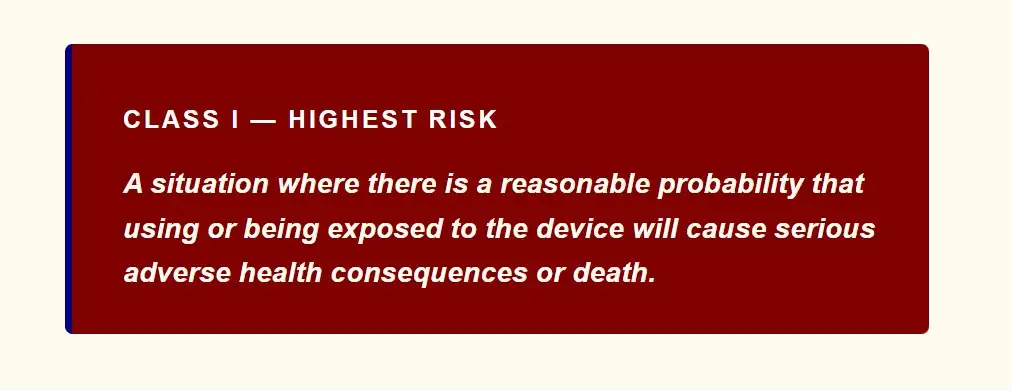
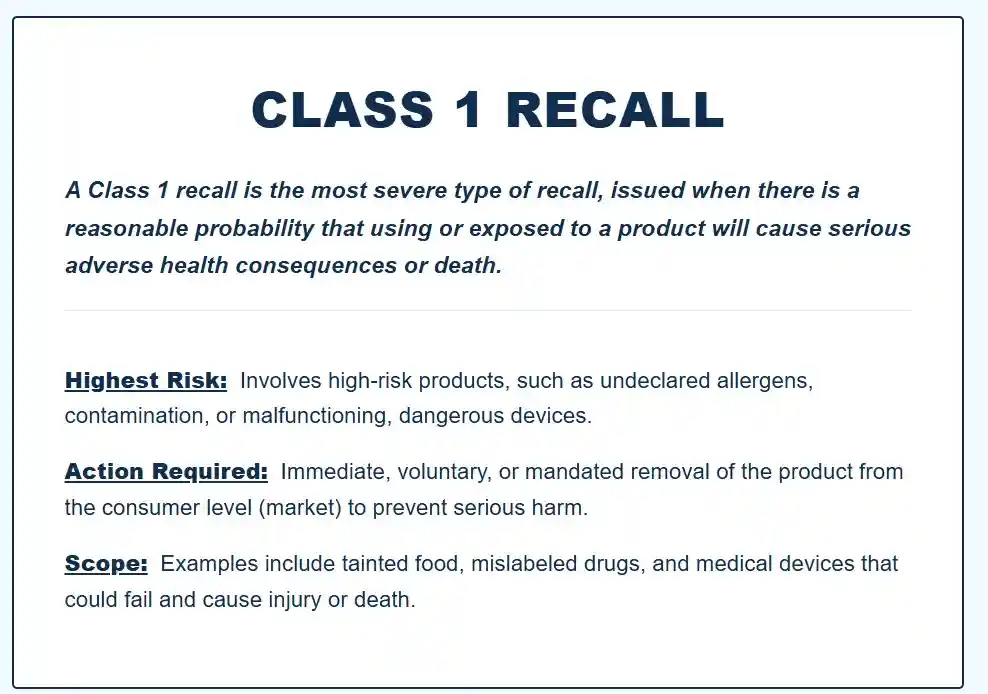
- Once a recall receives its classification, the FDA includes it in its weekly Enforcement Report. For recalls considered most serious (Class I) and some Class II and III cases, additional consumer information is posted to ensure patients understand the potential health risks involved.
Characteristics of class 2 recalls:
- Moderate urgency with health consequences that are temporary or reversible
- May extend to retail or user level depending on risk
- Still requires robust communication and effectiveness checks
- Often involves quality or labeling issues that can cause temporary or medically reversible harm
Common causes of class 2 pharmaceutical recalls:
- Labeling errors with no effect on dosing but can cause consumer confusion
- Packaging defects that could affect product integrity
- Incorrect or lost patient information leaflets
- Stability failures within acceptable therapeutic ranges
Frequently Asked Questions about Ocaliva And Liver Failure
Why was Ocaliva taken off the market, and what does this mean for current lawsuits?
Ocaliva (obeticholic acid) was withdrawn from the market due to mounting evidence linking it to serious liver injuries and liver failure, particularly when used outside its approved indications. The FDA and manufacturer determined that the risks outweighed the benefits, leading to its removal. For those who suffered harm prior to its withdrawal, this development strengthens legal claims—demonstrating recognition at the highest levels of the drug’s dangers. Lawsuits continue as affected patients seek accountability and compensation for injuries sustained while Ocaliva was still available.
Am I still eligible for an Ocaliva lawsuit if I can’t get the medication anymore?
Yes, you may still be eligible to file a lawsuit even though Ocaliva is off the market. If you took Ocaliva before it was withdrawn and experienced liver damage or related health complications, you can pursue legal action against the manufacturer. Lawsuits focus on injuries caused during the time the drug was prescribed and used, not on current availability. A Nashville Ocaliva lawsuit lawyer can review your medical history and help determine your eligibility.
What compensation can I seek through an Ocaliva lawsuit now that it has been discontinued?
Victims who suffered harm from Ocaliva may be entitled to compensation for medical expenses, lost wages, pain and suffering, diminished quality of life, and in some cases, wrongful death damages for surviving family members. The fact that Ocaliva has been pulled from shelves may reinforce your claim by highlighting recognized safety issues. A skilled attorney can help maximize your potential settlement or court award based on your specific circumstances.
What steps should I take if I was harmed by Ocaliva before it was withdrawn?
If you or a loved one experienced side effects such as jaundice, abdominal swelling, confusion, or signs of liver failure after taking Ocaliva prior to its withdrawal:
- Seek medical care and follow your doctor’s advice.
- Collect medical records documenting your diagnosis and treatment.
- Keep any packaging or prescription information.
- Contact a Nashville-based Ocaliva lawsuit lawyer promptly to discuss your case and preserve your legal rights.
How does hiring a Nashville Ocaliva lawsuit lawyer help my case now that the drug is off-market?
A dedicated Nashville Ocaliva lawsuit lawyer will have up-to-date knowledge about recent developments—including the drug’s withdrawal—and know how to leverage this in building a strong case. They’ll gather evidence linking your injuries to Ocaliva use, consult with medical experts as needed, handle all communications with pharmaceutical companies, and fight for fair compensation—whether through settlement negotiations or litigation.
What types of injuries linked to past Ocaliva use qualify for a lawsuit?
Ocaliva Lawsuits are being filed by individuals who developed severe liver-related side effects while using Ocaliva before it became unavailable. Qualifying injuries include acute liver failure, chronic worsening of liver function, need for liver transplant, jaundice (yellowing skin/eyes), severe itching (pruritus), fluid buildup (ascites), confusion (hepatic encephalopathy), hospitalization due to liver complications, or death attributable to liver injury. If you suffered any of these conditions after taking Ocaliva—even though it’s no longer sold—you may have grounds for legal action.