
Introduction to the Dexcom Recall Lawsuit: What Are Mass Torts
Welcome to this authoritative guide on the Dexcom Recall Lawsuit analyzing exactly what are mass torts.
- Numerous individcuals have filed a Dexcom Device Recall Lawsuit against Dexcom Inc., an American healthcare company that develops, manufactures, produces and distributes a line of continuous glucose monitoring systems for diabetes management.
- Indeed, the Company is facing multiple individual and class action lawsuits filed in 2025 and 2026 alleging that their defective Dexcom device, the G6 and G7 continuous glucose monitors (CGMs), caused significant injuries after are a Dexcom device malfunction, leading to inaccurate readings and failed alerts.
- These lawsuits, driven by reports of serious injuries and high-risk health events, accuse the company of providing false, misleading information about the accuracy of the recalled Dexcom device and failied to warn users, and changed components without proper U.S. Food and Drug Administration (FDA) approval.
If you or a loved one used a defective Dexcom device and suffered harm when your Dexcom device malfunctioned, contact Dexcom Recall Lawsuit Lawyer Timothy L. Miles for a free case evaluation today as you may be eligible for a Dexcom Device Recall Lawsuit and potentially be entitled to substantial compensation. (855) 846–6529 or [email protected].

Dexcom Device Recall Lawsuit Update (April, 2026)
What Are Mass Torts?
- Mass torts: refers to legal actions that involves a large number of plaintiffs who have suffered similar injuries or damages as a result of the actions or negligence of a single defendant or group of defendants. Unlike a class action lawsuit, where a large group of people are represented by one or a few individuals, mass tort cases treat each plaintiff as an individual case.
- Your Own Separate Case: This means that each plaintiff has their own separate claim, but the cases are consolidated for purposes of efficiency and convenience. Mass torts are often filed against pharmaceutical companies, manufacturers of defective products such as in the Takata Airbag Recall, or entities responsible for environmental disasters.
- Each mass tort situation can vary significantly based on circumstances and the defendants involved. Furthermore, in instances where numerous individuals are harmed, a mass tort can provide a more effective path to seek justice compared to individual lawsuits.
If you or a loved one used a defective Dexcom device and suffered harm when your Dexcom device malfunctioned, contact Dexcom Recall Lawsuit Lawyer Timothy L. Miles for a free case evaluation today as you may be eligible for a Dexcom Device Recall Lawsuit and potentially be entitled to substantial compensation. (855) 846–6529 or [email protected].
How Mass Torts Work
- Varying Payouts: Settlements are substantial, like billions for opioids or PFAS, but individual amounts depend on case specifics.
If you or a loved one used a defective Dexcom device and suffered harm when your Dexcom device malfunctioned, contact Dexcom Recall Lawsuit Lawyer Timothy L. Miles for a free case evaluation today as you may be eligible for a Dexcom Device Recall Lawsuit and potentially be entitled to substantial compensation. (855) 846–6529 or [email protected].
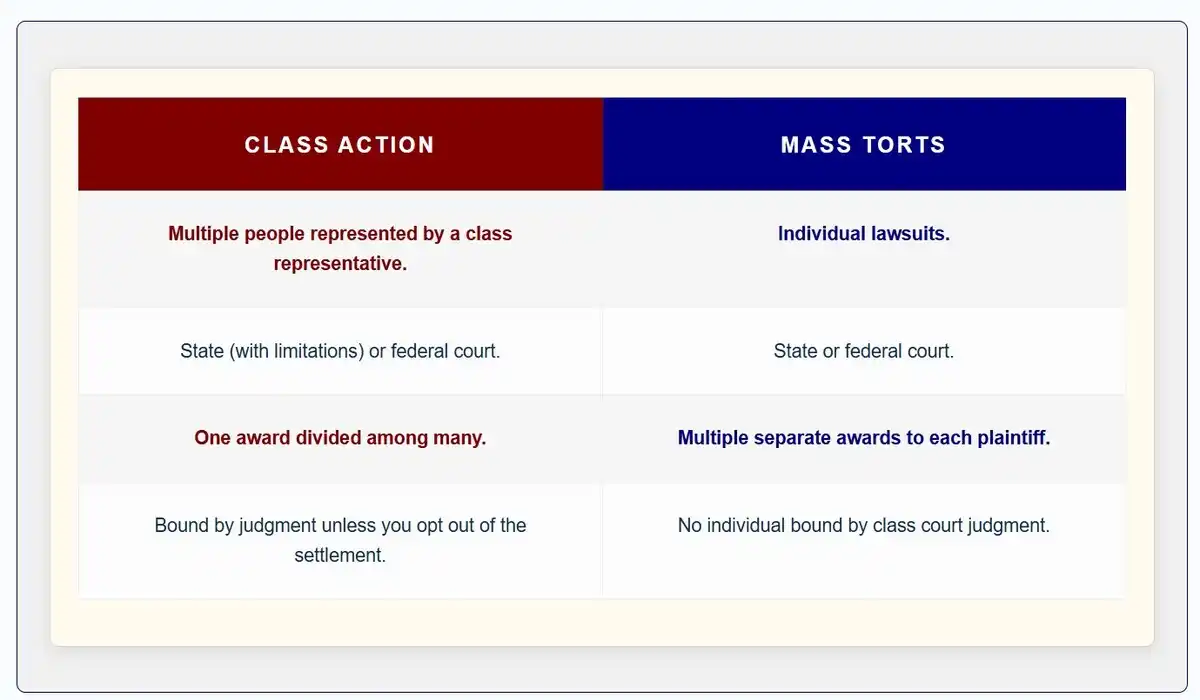
What Is the Difference Between a Mass Tort and a Class Action?
- The consolidation of cases can be achieved through approaches such as multidistrict litigation or coordination of state court actions.
Patient and Caregiver Checklist: Safety Steps First, Legal Steps Second
If you believe your Dexcom CGM is affected by a recall or malfunction, prioritize patient safety and continuity of care.
Immediate safety actions
- Follow the recall instructions exactly (stop use, replace, update software, or other steps as directed).
- Use backup monitoring as advised by your clinician, often including a blood glucose meter.
- Confirm unexpected readings and treat symptoms, not the number alone.
- Seek medical care promptly if you suspect severe hypo- or hyperglycemia.
Practical documentation actions
- Save the box, labels, and inserts.
- Capture screenshots of abnormal readings, missing alarms, or error messages.
- Record the date, time, symptoms, treatment, and outcome in a simple timeline.
- Submit a support request to the manufacturer and keep the case number.
- Consider reporting through appropriate regulatory channels where applicable in your country.
A forward-looking discipline helps: treat documentation as part of personal risk management, not merely as a litigation step.

Document Any Incident, Symptom, or Adverse Event
Robust documentation protects you clinically and supports broader safety oversight.
What to document
- Date and time of the event
- CGM readings and trend arrows
- Confirmatory fingerstick results (if available)
- Symptoms experienced (for example, shaking, confusion, headache)
- Actions taken (carbohydrate intake, insulin correction, sensor change)
- Device messages, alerts, and error codes
- Photos of relevant labels and screen messages
Why documentation matters
- It supports correct triage by Dexcom support.
- It assists clinicians in adjusting management temporarily.
- It strengthens regulator reporting, which improves systemic safety.
As outlined in this NIH report, effective documentation is not just a formality; it plays a crucial role in patient safety and care continuity.
If you or a loved one used a defective Dexcom device and suffered harm when your Dexcom device malfunctioned, contact Dexcom Recall Lawsuit Lawyer Timothy L. Miles for a free case evaluation today as you may be eligible for a Dexcom Device Recall Lawsuit and potentially be entitled to substantial compensation. (855) 846–6529 or [email protected].
Frequently Asked Questions about the Dexcom Recall Lawsuit Lawyer
How can I check if Defective Dexcom Device affected by a recall?
First, identify your product and lot information from sensor boxes, transmitter packaging, receiver packaging, or the Dexcom app settings. Then check Dexcom’s official recall communications via email notifications tied to your account, in-app messages, customer support outreach, or notices from pharmacies and clinics. Lastly, cross-check with the FDA recall database (if in the US) or your local regulator’s system for official details.
How should I protect myself from common CGM failure modes during a Dexcom recall?
While Dexcom and regulators work out recall details, stay informed by verifying official sources regularly. Follow all recommended precautions such as confirming suspicious readings with fingerstick tests if advised. Keep your devices updated with the latest software/firmware and adhere strictly to any additional instructions provided by Dexcom to ensure safe use.
What types of injuries or damages can result from Dexcom CGM device problems?
Device malfunctions with Dexcom CGMs can lead to medical injuries including incorrect insulin dosing based on inaccurate glucose readings, preventable emergency care visits due to missed alerts, lost wages from health complications, replacement costs for defective devices, and other economic losses. Such harms form the basis for injury-based claims in recall-related lawsuits.
How do recalls differ from safety communications and complaints in the context of Dexcom CGM systems?
Recalls are formal corrective actions addressing product issues that may violate regulatory requirements or pose safety risks, ranging from returns to software updates. Safety communications inform users about potential risks and mitigations without necessarily being classified as recalls. Complaints often refer to adverse event reports submitted regarding injuries or malfunctions. Understanding these distinctions is crucial for evaluating manufacturer responses and legal timelines.
How can I verify if a Dexcom recall notice is legitimate?
To confirm a Dexcom recall notice’s authenticity, check official Dexcom communications such as emails, app notifications, and the official website. Additionally, consult your supplier or authorized healthcare providers. Verify against regulatory databases like the FDA Medical Device Recall database in the US or equivalent authorities in other regions. Be cautious of fraudulent messages requesting payment details or containing suspicious links.
What components make up the Dexcom CGM ecosystem and where can failures commonly occur?
The Dexcom CGM ecosystem includes the sensor (wearable filament and adhesive patch), transmitter (which sends readings), receiver or mobile app (displays data), cloud services for data sharing, and alerts/alarms for glucose thresholds. Failures can occur in sensor chemistry, adhesive performance, transmitter connectivity, app updates affecting notifications, interoperability with devices, and labeling or instructions for use—all of which can impact patient safety.