
Introduction to Traversing Birth Injuries
As a birth injury lawyer in Nashville, I fulll-unserstand that birth should be a moment of safety, vigilance, and clinical precision. When that standard fails and a newborn or mother suffers preventable harm, the consequences can be lifelong. In many Nashville birth injury matters, the central question is not only what happened in the delivery room, but also how accountability will be established and how compensation will be secured through negotiation.
Negotiating a birth injury claim is not a single conversation with an insurer. It is a structured legal process grounded in medical evidence, liability standards, damages modeling, and disciplined advocacy. It is also future-focused. The goal is not merely to resolve a dispute, but to secure resources that protect a child’s health, development, and independence for years to come.
This article explains how a Nashville birth injury attorney typically approaches negotiation, what families should expect, and what factors often determine whether a claim resolves in settlement or proceeds toward trial.
If you or a loved one suffered a birth injury as a result of what you believe was birth injury negligence , contact Nashville birth injury lawyer Timothy L. Miles today for a free and confidential case evaluation as you may be eligible for a birth injury lawsuit and possible be entitled to substantial birth injury compensation. As always, the call is free and so is the fee unless we will or settle your case, so give us a call today. (855) 846-6529 or tmiles@timmileslaw.com. (24/7/365).
Understanding What “Birth Injury” Means in Legal Terms
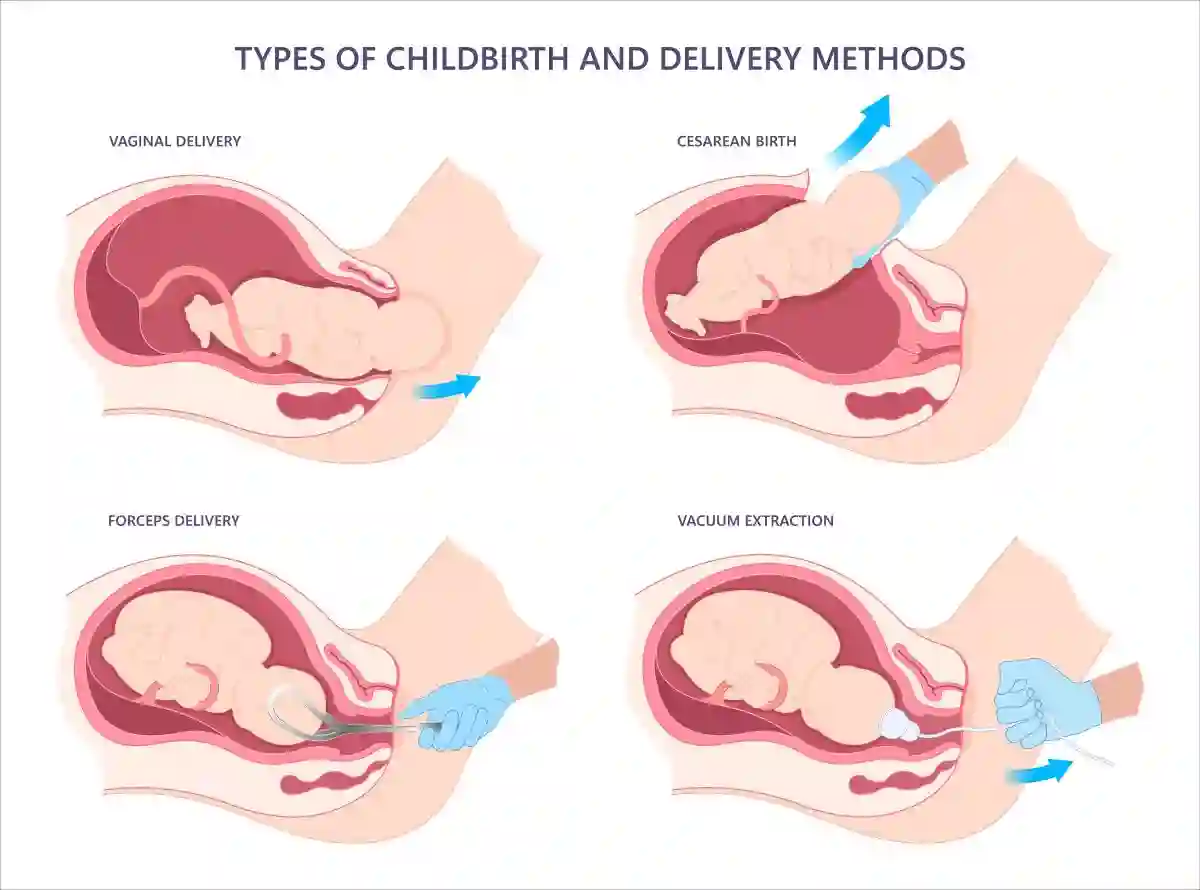
A birth injury is harm to a baby or mother occurring before, during, or shortly after delivery. Not every adverse outcome is malpractice. In law, compensation generally requires proof that a healthcare provider failed to meet the applicable standard of care and that this failure caused identifiable damages.
Common birth injuries in litigation
While each case is fact-specific, negotiated birth injury claims often involve:
- Hypoxic-ischemic encephalopathy (HIE) resulting from oxygen deprivation.
- Cerebral palsy associated with acute perinatal events or prolonged distress.
- Brachial plexus injuries such as Erb’s palsy linked to shoulder dystocia management.
- Skull fractures or intracranial hemorrhage related to traumatic delivery.
- Maternal injuries, including hemorrhage complications, uterine rupture, retained placenta, infection, or unmanaged preeclampsia.
In some instances where there are indications of negligence or misconduct by healthcare professionals during the birthing process, it may become necessary to engage the services of a Nashville birth injury lawyer These legal professionals can assist in navigating the landscape of by shedding light on wrongful practices while ensuring that accountability is upheld.
If you or a loved one suffered a birth injury as a result of what you believe was birth injury negligence , contact Nashville birth injury lawyer Timothy L. Miles today for a free and confidential case evaluation as you may be eligible for a birth injury lawsuit and possible be entitled to substantial birth injury compensation. As always, the call is free and so is the fee unless we will or settle your case, so give us a call today. (855) 846-6529 or tmiles@timmileslaw.com. (24/7/365).
Malpractice is about preventability, not perfection
A negotiation framework begins with a clear legal thesis: what should have been done, when it should have been done, and how earlier or different action would likely have prevented harm. That “
ty” becomes the backbone of settlement discussions.
Why Negotiation Is Different in Birth Injury Cases
Birth injury negotiations are uniquely complex for three reasons: medical causation is highly technical, damages can span a lifetime, and defendants typically include institutional players with seasoned defense counsel.
1) Causation requires medical interpretation
Insurers do not pay substantial settlements based on sympathy. They pay when evidence indicates a high likelihood of liability and an unacceptable trial risk. This requires:
- Fetal monitoring interpretation and labor progression analysis.
- Neonatal condition at birth (Apgars, resuscitation, cord gases).
- Imaging and neurology findings.
- Differential diagnosis to address alternative causes, including genetic conditions or prenatal factors.
2) Damages can exceed ordinary policy expectations
A child with significant neurologic injury may require:
- Ongoing therapies (PT, OT, speech therapy).
- Durable medical equipment and assistive technology.
- Medications and specialists.
- Home modifications and transportation accommodations.
- Personal care attendants.
- Specialized education supports.
- Lost earning capacity.
Negotiation often turns on whether the damages model is complete, defensible, and supported by credible experts. These experts often reference extensive resources such as those found in medical literature to substantiate their claims.
3) Institutional defendants negotiate strategically
Hospitals, large practice groups, and their insurers frequently employ a disciplined negotiation posture. They may deny liability initially, request extensive documentation, or shift blame across providers. An effective plaintiff strategy anticipates these moves and maintains momentum through evidence-driven demands.
The Negotiation Roadmap a Nashville Birth Injury Attorney Typically Follows
Although every case differs, settlement negotiations in birth injury matters often follow a predictable architecture.
Step 1: Early case screening and record preservation
The earliest phase is less about negotiation and more about protecting the truth. This commonly includes:
- Requesting complete prenatal, labor and delivery, NICU, and pediatric records.
- Securing fetal monitor strips in native format.
- Identifying missing documentation, late entries, and addenda.
- Creating a chronology of events with time stamps.
This foundation matters because negotiation strength rises or falls with documentation integrity.
Step 2: Liability theory and standard-of-care analysis
A strong negotiation position is anchored to a precise standard-of-care failure, such as:
- Failure to recognize and respond to non-reassuring fetal heart tracings.
- Delay in escalating care or calling for obstetric intervention.
- Improper management of shoulder dystocia.
- Failure to timely perform a C-section when clinically indicated.
- Medication errors involving oxytocin (Pitocin) dosing and monitoring.
- Inadequate neonatal resuscitation.
At this stage, attorneys often consult obstetrics, maternal-fetal medicine, neonatology, pediatric neurology, nursing, or placental pathology experts to validate the theory.
Step 3: Causation development
Defense teams commonly argue that an injury was unavoidable or caused by factors outside clinical control. Negotiation must preempt these arguments with careful causation proof, such as:
- Cord blood gas evidence consistent with acute hypoxia.
- MRI timing and patterns consistent with intrapartum insult.
- Sentinel events, prolonged decelerations, tachysystole, or uterine rupture indicators.
- Progress notes showing delayed response to distress.
A settlement posture becomes far more persuasive when it integrates clinical data with a coherent narrative that a jury could readily understand.
Step 4: Damages calculation and life care planning
For significant injuries, negotiation requires a documented projection of future needs. This often involves:
- A life care plan outlining therapies, equipment, care hours, and medical oversight.
- An economic analysis converting services into present-value costs.
- Documentation of developmental delays and functional limitations.
- Educational planning and long-term support requirements.
The negotiation aim is repetition with clarity: future needs, future needs, future needs. When damages are properly modeled, they stop being abstract and become measurable.
Step 5: The demand package and settlement posture
A formal demand typically includes:
- A liability summary tied to the standard of care.
- Key medical records and interpretive exhibits.
- Expert support or preliminary opinions where appropriate.
- A damages overview supported by life care planning.
- A defined settlement range and a response deadline.
A well-constructed demand does not overstate. It persuades. It frames a defendant’s exposure in a way that makes early resolution rational.
Step 6: Structured negotiation, mediation, and trial readiness
Many birth injury cases enter mediation after meaningful discovery, but pre-suit or early mediation can occur when liability is clear and damages are strong.
A critical point is that negotiation works best when trial readiness is visible. Even if the case settles, the leverage often comes from proving that the plaintiff is prepared to try the case and prepared to win it.
Key Evidence That Drives Settlement Value
Settlement value is rarely about one document. It is about a consistent evidentiary record that supports liability and causation. The following categories frequently move negotiations.
Fetal monitoring strips and response times
Electronic fetal monitoring can reveal recurring decelerations, minimal variability, tachycardia, or prolonged bradycardia. Just as important is the response:
- Was oxytocin reduced or stopped?
- Was intrauterine resuscitation attempted appropriately?
- Was a physician notified promptly?
- Was a C-section initiated within a reasonable time?
Negotiations often focus on minutes. Minutes matter clinically and legally.
C-section decision-to-incision delays
When a C-section is indicated, the defense may argue that delay was reasonable due to staffing, anesthesia, or operating room logistics. Plaintiff counsel typically evaluates:
- When the indication first arose.
- How the team documented urgency.
- Whether escalation protocols were followed.
- Whether delay plausibly contributed to injury severity.
Neonatal condition and resuscitation documentation
Resuscitation records, Apgar scores, NICU notes, and early labs can corroborate the timing and severity of compromise. Negotiation becomes more straightforward when neonatal evidence aligns with intrapartum distress.
Placental pathology and prenatal history
Placental findings may support infection, abruption, or vascular compromise, but they can also be used defensively to argue prenatal causation. Skilled negotiation requires integrating pathology into the broader timeline rather than allowing it to be isolated and mischaracterized.
How Insurance Companies and Hospitals Commonly Defend These Claims
A forward-looking negotiation strategy anticipates defense themes and answers them with evidence rather than argument alone.
“It was an unavoidable complication”
The response is typically a standard-of-care comparison. Complication is not a defense if there were missed warning signs, delayed intervention, or improper management.
“The injury happened before labor”
Causation analysis may focus on imaging patterns, cord gases, labor tracing chronology, and neonatal presentation. If the defense asserts prenatal causation, the plaintiff position should address it directly with expert support.
“The child’s condition is genetic”
Genetic causation is a frequent defense tactic. Where appropriate, counsel may pursue genetic testing records, family history, and specialist evaluations to narrow the differential diagnosis and keep negotiations grounded in documented facts.
“Damages are inflated”
This is addressed through disciplined, verifiable damages modeling. Credible life care planners and economists, plus clear linkage between diagnosis and required services, reduce the defense’s ability to dismiss projections as speculative.
Negotiating Compensation: What a Settlement Can Include
Birth injury settlements are designed to fund care and support, not merely to close a claim. Compensation categories often include:
- Past medical expenses and related out-of-pocket costs.
- Future medical care, therapy, and attendant care.
- Assistive devices, home modifications, and transportation needs.
- Special education supports and developmental services.
- Lost future earning capacity.
- Non-economic damages, such as pain and suffering, depending on applicable law and proof.
Structured settlements and special needs planning
In significant cases, settlement design matters as much as settlement amount. Families may consider:
- Structured settlements that provide periodic payments over time.
- Special needs trusts to help preserve eligibility for certain public benefits while funding supplemental care.
- Medical set-asides where applicable to future-covered expenses.
An attorney’s role in negotiation often includes coordinating with financial professionals to ensure the settlement functions as a long-term protection plan.

What Families Can Do to Strengthen a Claim Before and During Negotiations
Families are not expected to build a legal case. However, certain actions can protect the integrity of the claim and reduce avoidable delays.
Maintain an organized documentation file
Keep copies of:
- Discharge paperwork and follow-up instructions.
- Therapy plans and progress notes.
- Diagnostic imaging reports and specialist summaries.
- Receipts for medical travel, equipment, and home adaptations.
Document functional impact, consistently and respectfully
A simple journal of appointments, milestones, symptoms, and functional limitations can help establish the practical realities of the injury. In negotiation, concrete examples often carry more weight than general descriptions.
Avoid informal discussions with insurers before counsel review
Early statements can be misunderstood or used to minimize the claim. A negotiated resolution improves when communication is structured, accurate, and supported by records.
When Negotiation Fails: Litigation as Leverage, Not a Last Resort
Not every birth injury case settles early, and not every case should. Some defendants will not negotiate fairly until they see that:
- Experts are retained and credible.
- Discovery confirms documentation gaps or response failures.
- Depositions reveal inconsistencies.
- Trial exhibits have been developed and refined.
Litigation is often part of negotiation. The more robust the case preparation, the more realistic the defense evaluation becomes. In that sense, trial readiness is not an endpoint. It is a negotiation tool.
If you or a loved one suffered a birth injury as a result of what you believe was birth injury negligence , contact Nashville birth injury lawyer Timothy L. Miles today for a free and confidential case evaluation as you may be eligible for a birth injury lawsuit and possible be entitled to substantial birth injury compensation. As always, the call is free and so is the fee unless we will or settle your case, so give us a call today. (855) 846-6529 or tmiles@timmileslaw.com. (24/7/365).
Choosing a Nashville Birth Injury Attorney: What to Look For
Birth injury negotiation is specialized. Families benefit from counsel who can operate confidently at the intersection of medicine, litigation, and long-horizon damages planning.
Consider whether the attorney can demonstrate:
- Experience with obstetric and neonatal medical records.
- A defined process for expert review and life care planning.
- Familiarity with medical malpractice litigation procedure in Tennessee courts.
- A practical approach to settlement structures and future needs planning.
- Clear communication and realistic expectation setting.
The objective is repetition with purpose: clarity, accuracy, readiness. Clarity in theory. Accuracy in medicine. Readiness for trial if necessary.
Conclusion: Negotiation Should Protect the Future, Not Just Resolve the Past
A birth injury claim is not only about what went wrong. It is about what must be made right. In Nashville, negotiating a birth injury case requires medical fluency, evidentiary discipline, and a forward-looking plan for lifetime support.
When a settlement is appropriate, negotiation should deliver more than a number. It should deliver stability, continuity of care, and a framework for long-term dignity. When a settlement is not appropriate, the same preparation that drives negotiation should power litigation.
In both outcomes, the standard remains the same: accountability based on evidence, compensation aligned with need, and proactive planning for future success.
If you find yourself facing legal challenges beyond birth injuries, such as whistleblowing cases, it’s essential to seek out experienced legal representation. A Nashville birth injury lawyer can provide the necessary expertise to navigate these complex situations effectively.
Frequently Asked Questions about Birth Injury Claim
What is a birth injury in legal terms and how is it defined?
A birth injury refers to harm caused to a baby or mother before, during, or shortly after delivery. Legally, compensation for a birth injury typically requires proving that a healthcare provider failed to meet the applicable standard of care and that this failure directly caused identifiable damages.
What are common types of birth injuries involved in litigation?
Common birth injuries in litigation include hypoxic-ischemic encephalopathy (HIE) from oxygen deprivation, cerebral palsy linked to perinatal events, brachial plexus injuries like Erb’s palsy due to shoulder dystocia, skull fractures or intracranial hemorrhage from traumatic delivery, and maternal injuries such as hemorrhage complications, uterine rupture, infection, or unmanaged preeclampsia.
Why is negotiation of birth injury claims uniquely complex compared to other personal injury cases?
Negotiating birth injury claims is uniquely complex because medical causation is highly technical requiring expert interpretation; damages can span a lifetime involving ongoing therapies, equipment, and lost earning capacity; and defendants often include hospitals or large practice groups with experienced defense counsel who negotiate strategically.
How does a Nashville birth injury attorney approach negotiation of these claims?
A Nashville birth injury attorney typically follows a structured roadmap starting with early case screening and record preservation to protect documentation integrity; developing a liability theory grounded in standard-of-care analysis; gathering medical evidence on causation; modeling damages comprehensively; and engaging disciplined advocacy through evidence-driven demands to secure fair compensation.
What factors determine whether a birth injury claim resolves through settlement or proceeds to trial?
Whether a claim resolves via settlement or trial depends on the strength of medical evidence indicating liability, completeness and defensibility of the damages model supported by credible experts, the negotiation posture of institutional defendants who may deny liability or shift blame, and the plaintiff’s ability to maintain momentum with well-documented demands throughout negotiations.
When might it be necessary to involve a whistleblower lawyer in Nashville in birth injury matters?
In instances where there are indications of negligence or misconduct by healthcare professionals during the birthing process—such as wrongful practices that compromise patient safety—it may be necessary to engage a whistleblower lawyer. These legal experts help navigate complex medical malpractice claims while ensuring accountability is upheld against institutional wrongdoing.
