
Introduction to the Dexcom Device Recall Lawsuit
Dexcom Recall Injury Lawyer in Nashville: Managing diabetes requires precision, consistency, and trust in medical technology. Continuous glucose monitoring systems are designed to provide that reliability, often serving as the decision-making foundation for insulin dosing, diet planning, exercise adjustments, and emergency interventions.
When a Dexcom device fails, the consequences can be immediate and severe. A defective sensor, transmitter, receiver, or app-driven alert system can lead to inaccurate readings, missed alarms, delayed treatment, and preventable medical crises. If you or a family member were injured by a Defective Dexcom Device, a Dexcom recall injury lawyer in Nashville can help you evaluate whether your injury may support a legal claim.
This guide explains what Dexcom recalls can involve, how device failures can cause injuries, what evidence matters, and what steps to take to protect your health and your rights.
If you or a loved one used a defective Dexcom device and suffered harm when your Dexcom device malfunctioned, contact Nashville Dexcom Recall Injury Lawyer Timothy L. Miles for a free case evaluation today as you may be eligible for a Dexcom recall lawsuit and potentially be entitled to substantial compensation in a Dexcom recall lawsuit. (855) 846–6529 or tmiles@timmileslaw.com.

Why Dexcom Device Failures Can Cause Serious Harm
Dexcom CGMs are not convenience products. They are medical devices that influence real-time treatment decisions. Many users rely on Dexcom data to:
- Detect hypoglycemia before it becomes dangerous
- Prevent hyperglycemia from escalating into diabetic ketoacidosis (DKA)
- Calibrate lifestyle choices that affect glucose stability
- Trigger safety interventions through alarms and trend data
A problem that produces incorrect glucose values or fails to alert can cause users to act on misinformation. In product liability terms, the harm often stems from a breakdown in the device’s safety function, which is to deliver timely, accurate information and warnings.
A recall may indicate that the manufacturer or regulators identified a safety issue. However, a recall alone does not automatically prove an injury claim. The key question is whether a defect or failure in the device—such as those described in our latest Dexcom device recall lawsuit update, or situations involving defective Dexcom devices—caused your specific harm.
Moreover, understanding the potential compensation available in a Dexcom recall lawsuit can empower victims of such incidents to seek justice and support their recovery process.
What a “Recall” Means in Plain Terms
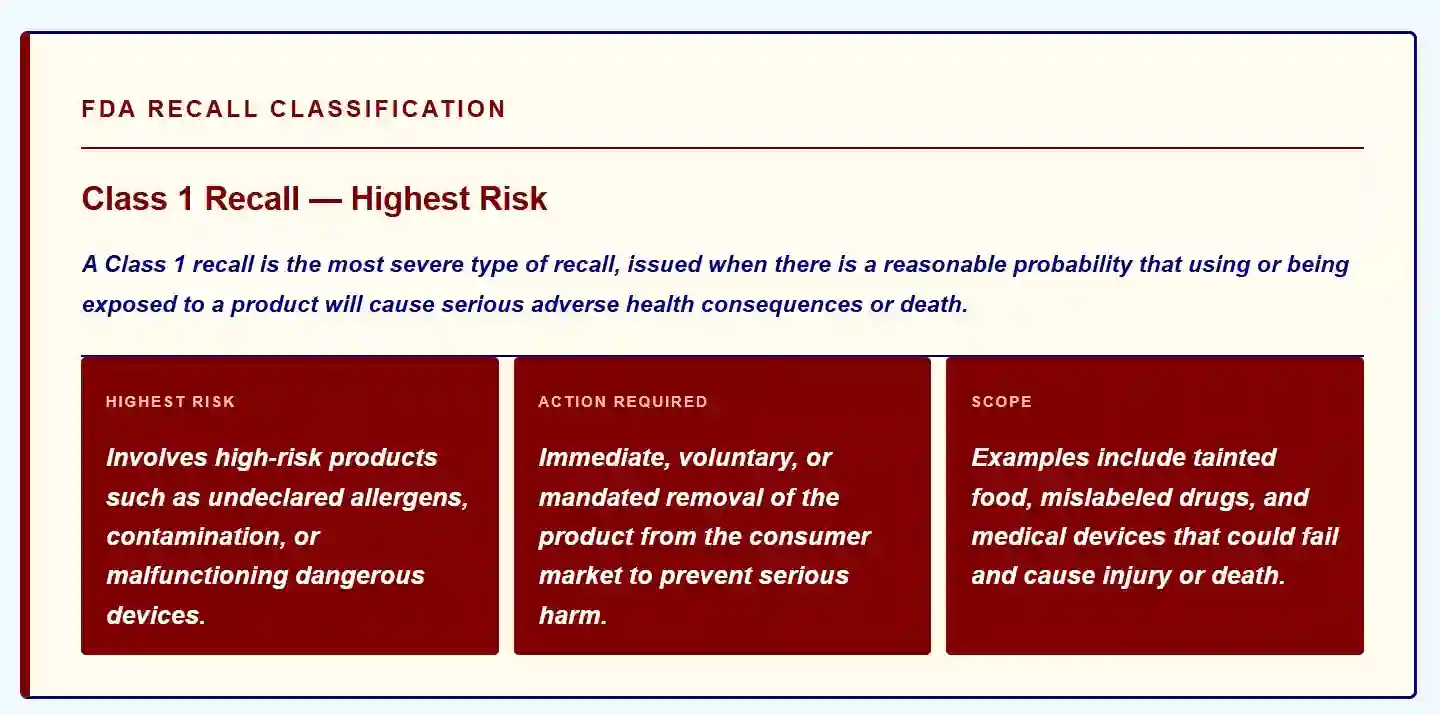
A medical device recall generally occurs when a product is removed from the market, corrected, or updated because it violates regulatory requirements or creates a risk of harm. Recalls can range from labeling corrections to urgent safety actions.
A recall may involve:
- Incorrect readings or inconsistent sensor performance
- Signal loss between sensor and receiver/phone
- App or receiver alert failures, including missing urgent low alarms
- Manufacturing issues affecting batches or lots
- Software defects influencing display, alarms, or data transmission
In legal practice, recall documentation can be important because it helps show:
- The manufacturer was aware of a risk
- A specific failure mode was documented
- Certain models, lots, or serial numbers were affected
A Nashville Dexcom Recall Injury Lawyer typically begins by matching your device information to recall notices, safety communications, and technical descriptions of reported problems.
If you or a loved one used a defective Dexcom device and suffered harm when your Dexcom device malfunctioned, contact Nashville Dexcom Recall Injury Lawyer Timothy L. Miles for a free case evaluation today as you may be eligible for a Dexcom recall lawsuit and potentially be entitled to substantial compensation in a Dexcom recall lawsuit. (855) 846–6529 or tmiles@timmileslaw.com.
Common Injuries Linked to the Defective Dexcom Device
Dexcom-related injuries often occur when users rely on device data that is inaccurate, delayed, or not delivered through alarms. The injury profile can vary, but the most commonly alleged harms in CGM defect matters include:
1) Severe Hypoglycemia
If the device fails to alert or displays readings that are higher than actual blood glucose, a user may not intervene in time. Severe hypoglycemia can lead to:
- Confusion or loss of consciousness
- Seizures
- Falls and traumatic injuries
- Emergency medical treatment or hospitalization
2) Severe Hyperglycemia and DKA
If a device reads lower than actual glucose, a user may under-dose insulin or delay care. If alerting fails, dangerous highs can persist undetected. Complications may include:
- Dehydration and electrolyte imbalance
- DKA requiring intensive care
- Long-term organ stress
3) Insulin Dosing Errors
Some users adjust insulin dosing based on CGM trends. If the device provides incorrect or unstable data, dosing decisions can become unsafe, particularly for:
- Children and teens
- Older adults
- Users with hypoglycemia unawareness
- Those on intensive insulin therapy
4) Secondary Injuries
Even when the primary issue is glucose instability, secondary harms can follow:
- Car crashes during a hypoglycemic episode
- Workplace accidents
- Head injuries from falls
- Worsened anxiety or sleep disruption due to unreliable alarms
If you experienced a medical emergency and later discovered your Defective Dexcom Device was recalled, malfunctioning, or producing inconsistent readings, it is reasonable to ask whether the device contributed.
Signs Your Dexcom May Have Malfunctioned
Not every bad day of glucose control is a device problem. However, certain patterns raise red flags, particularly when they are repeated or documented:
- Frequent “signal loss” warnings or connectivity failures
- Alarms that do not sound, vibrate, or display as expected
- Readings that sharply diverge from fingerstick results without explanation
- Repeated sensor errors, premature sensor failure, or calibration problems
- Data gaps during critical periods (overnight lows, post-insulin corrections)
A Nashville product liability lawyer will usually look for a timeline that links device performance issues to the adverse event.
Do You Have a Case if You Were Injured?
A Dexcom recall injury claim generally falls under product liability law. Depending on the facts, claims may involve:
- Manufacturing defect: a specific unit or batch was flawed
- Design defect: the product’s design created an unreasonable risk
- Failure to warn: inadequate warnings or instructions about known risks
- Negligence: lack of reasonable care in design, testing, manufacturing, or post-market surveillance
To evaluate viability, your lawyer will typically focus on four core questions:
- What product was used? (model, lot, serial number, app/receiver version)
- What went wrong? (inaccurate readings, lost signal, missed alerts, hardware failure)
- What injury occurred? (diagnosis, ER visit, hospitalization, crash, fall, seizure)
- Can the defect be linked to the injury? (timing, documentation, experts, device data)
The strongest cases often include objective corroboration such as medical records, glucose logs, and evidence of device failure at or near the time of injury.
If you or a loved one used a defective Dexcom device and suffered harm when your Dexcom device malfunctioned, contact Nashville Dexcom Recall Injury Lawyer Timothy L. Miles for a free case evaluation today as you may be eligible for a Dexcom recall lawsuit and potentially be entitled to substantial compensation in a Dexcom recall lawsuit. (855) 846–6529 or tmiles@timmileslaw.com.
What to Do If You Were You Injured by a Defective Dexcom Device
If you suspect your Dexcom device malfunction contributed to harm, take steps that protect both your health and the integrity of potential evidence.
1) Seek Medical Care and Document Symptoms
Your health comes first. If you experience severe hypo or hyperglycemia, seek care. Ask your provider to document:
- Event description and suspected cause
- Reported device readings versus confirmatory testing
- Treatment provided and resulting diagnosis
2) Preserve the Device and Packaging
If possible, keep:
- The sensor, transmitter, receiver, and accessories
- Original packaging with lot/serial numbers
- Instructions, inserts, and any recall notices
Do not alter the device unnecessarily. If you must stop using it for safety reasons, store it securely.
3) Take Screenshots and Export Data
Preserve:
- CGM graphs and trend lines
- Error messages
- Alert settings (sound/vibrate settings and alert thresholds)
- App version and phone OS version
- Any “signal loss” or sensor error logs
If your app allows data export, save it in multiple formats and locations.
4) Report the Incident
Depending on the situation, reporting may include:
- Dexcom customer support or technical complaint channels
- Your treating clinician or diabetes educator
- FDA MedWatch (for suspected medical device adverse events)
A Dexcom Recall Injury Lawyer in Nashville may help you report accurately without compromising your claim.
5) Avoid Early Settlement Pressure
If you are contacted about replacements, troubleshooting, or reimbursements, proceed carefully. Product injury claims can involve substantial damages beyond a replacement device.
How a Dexcom Recall Injury Lawyer in Nashville Can Help
A Dexcom Device Recall injury claim is typically evidence-heavy and detail-dependent. A qualified Nashville Dexcom Recall Injury Lawyer can help by:
- Identifying whether your specific device aligns with known recall batches, corrections, or safety notices
- Collecting medical records, EMS reports, and hospital documentation
- Preserving device data and advising on evidence handling
- Working with medical experts who can explain causation and damages
- Assessing liability across multiple parties when relevant (manufacturer, distributors, or related entities)
- Calculating damages that reflect both immediate harm and future medical impact
In complex cases, lawyers also coordinate technical review of device behavior, software performance, and compliance history where appropriate.
Damages in a Dexcom Injury Claim: What May Be Recoverable
Every case differs, but product liability damages commonly address:
- Emergency treatment, hospitalization, ICU care
- Follow-up visits and specialist care
- Prescription costs and diabetes management supplies
- Lost wages and diminished earning capacity
- Pain and suffering
- Costs tied to disability or long-term complications
- Wrongful death damages (when a fatal event is linked to a device failure)
A proactive approach matters here. The earlier evidence is preserved, the easier it is to quantify harm and connect it to the device event.
If you or a loved one used a defective Dexcom device and suffered harm when your Dexcom device malfunctioned, contact Nashville Dexcom Recall Injury Lawyer Timothy L. Miles for a free case evaluation today as you may be eligible for a Dexcom recall lawsuit and potentially be entitled to substantial compensation in a Dexcom recall lawsuit. (855) 846–6529 or tmiles@timmileslaw.com.
Tennessee Legal Considerations: Time Limits and Practical Realities
Tennessee injury claims are governed by statutes of limitation that can be strict. Missing a deadline can bar recovery, even when the underlying facts are compelling. In addition, medical device claims can raise legal issues that require careful handling, including:
- Complex causation proof
- Expert testimony requirements
- Corporate documentation and recall traceability
- Potential federal regulatory considerations
Because deadlines and procedural rules can vary depending on the theory of liability and the injury timeline, it is prudent to speak with counsel early rather than waiting until records become harder to obtain.
Practical Checklist: What to Gather Before You Call a Lawyer
If you are preparing to speak with a Dexcom recall injury lawyer in Nashville, gather what you can:
- Device model (Dexcom system type), transmitter ID, and serial numbers
- Sensor lot numbers from packaging (if available)
- Dates of use and dates of failure or adverse event
- Screenshots of readings, alerts, and error messages
- App version, phone model, and operating system version
- Medical records from ER, urgent care, or hospitalization
- Pharmacy receipts or proof of purchase
- Names of treating physicians and facilities
Even partial information can be enough to begin an evaluation. The goal is to build a clear timeline: device use, device behavior, medical event, and resulting harm.
When to Take the Next Step
If you suffered severe hypoglycemia, hyperglycemia, DKA, a seizure, a fall, a crash, or hospitalization and you believe your Recalled Dexcom device failed, you should not dismiss the possibility of a product defect. You should document. You should preserve. You should investigate.
A Dexcom recall injury lawyer in Nashville can help determine whether your experience aligns with known device issues and whether your injury supports a claim under Tennessee product liability law. Proactive action supports better outcomes, stronger evidence, and a clearer path forward.
Frequently Asked Questions about a Dexcom Device Recall Lawsuit
What are the risks associated with Dexcom continuous glucose monitoring (CGM) device failures?
Dexcom CGM device failures can lead to inaccurate glucose readings, missed alarms, and delayed treatment. Such malfunctions may cause severe hypoglycemia, hyperglycemia, diabetic ketoacidosis (DKA), insulin dosing errors, and secondary injuries like falls or car accidents due to unreliable alerts.
What does a Dexcom medical device recall mean for users?
A Dexcom recall indicates that the product has been identified as having safety issues or regulatory violations. Recalls can involve incorrect readings, signal loss, alert failures, manufacturing defects, or software problems. It is crucial for users to check if their device model or serial number is affected to understand potential risks.
How can I tell if my Dexcom device has malfunctioned?
Signs of Dexcom device malfunction include frequent ‘signal loss’ warnings, connectivity failures between sensor and receiver or phone, alarms that fail to sound especially during urgent low glucose events, inconsistent sensor performance, and unexpected or erratic glucose readings.
What types of injuries have been linked to defective Dexcom CGMs?
Injuries linked to defective Dexcom CGMs include severe hypoglycemia leading to seizures or loss of consciousness, severe hyperglycemia and DKA requiring hospitalization, insulin dosing errors causing unsafe glycemic control especially in vulnerable populations, and secondary injuries such as traumatic falls or car crashes during hypoglycemic episodes.
Can I take legal action if I was harmed by a recalled or defective Dexcom product?
Yes. If you or a family member suffered harm connected to a recalled or defective Dexcom product, consulting a Dexcom recall injury lawyer in Nashville can help evaluate if your injury supports a legal claim. Evidence such as recall notices and device information will be important in assessing your case.
Why is continuous glucose monitoring accuracy critical for diabetes management?
Continuous glucose monitoring accuracy is vital because many users rely on real-time data from devices like Dexcom CGMs to make immediate treatment decisions including insulin dosing, diet adjustments, exercise planning, and emergency interventions. Inaccurate data can lead to dangerous health consequences and undermine trust in medical technology.