Trulicity Vision Loss Lawsuit Update [May, 2026]
Trulicity Vision Loss Lawsuit Update: Trulicity Vision Loss Lawsuits are consolidated in a federal Multidistrict Litigation (MDL No. 3163) in the Eastern District of Pennsylvania before U.S. District Judge Karen Marston. The litigation centers on claims that manufacturers failed to warn patients and doctors about the risks of developing a serious optic nerve condition known as NAION (Non-Arteritic Anterior Ischemic Optic Neuropathy).
Current Litigation Status
- MDL Consolidation: Federal judges established a specific Multidistrict Litigation (MDL No. 3163) for NAION and vision loss lawsuits involving GLP-1 drugs like Trulicity, Mounjaro, Ozempic, and Wegovy.
- Science Day: The court scheduled a Science Day to evaluate the medical and scientific evidence connecting GLP-1 receptor agonists to optic nerve damage.
- Settlements: No global settlements have been reached. The litigation is in the discovery phase, and early test cases—known as bellwether trials—are being prepared.
What the Lawsuits Allege
- The Injury: Lawsuits claim that Trulicity and other GLP-1 receptor agonists are linked to Non-Arteritic Anterior Ischemic Optic Neuropathy (NAION), a condition affecting the optic nerve that causes sudden, painless, and often permanent vision loss.
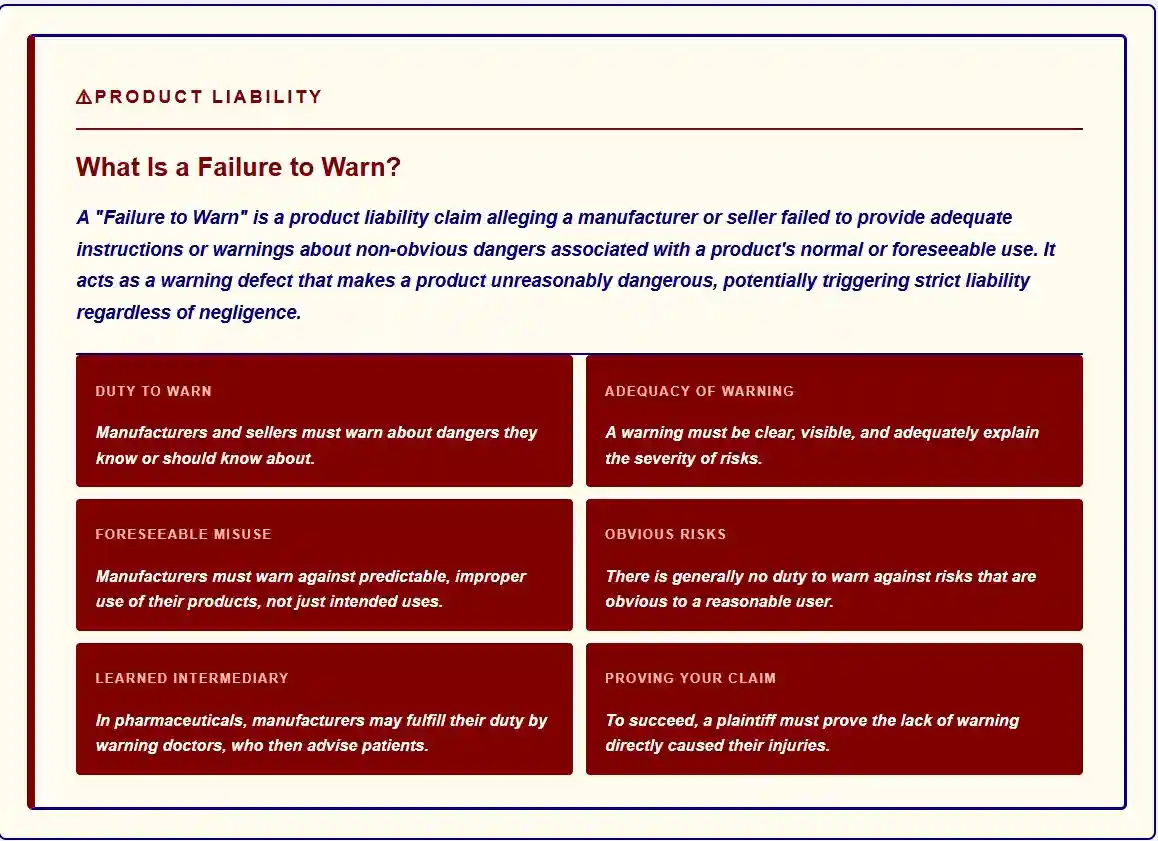
- Failure to Warn: Plaintiffs allege that drug manufacturers (including Eli Lilly, the maker of Trulicity) knew or should have known about this potential link but failed to adequately warn patients and healthcare providers

| Feature | Key Connections Between Trulicity and NAION |
|---|---|
| What is NAION? | It is a rare “eye stroke” caused by reduced blood flow to the optic nerve, resulting in sudden, often permanent, vision loss. |
| The Link | While some studies specifically highlight semaglutide, several reports indicate a broader association between GLP-1 medications (including Trulicity) and an increased risk of NAION, especially in patients with existing risk factors. |
| What is NAION? | Known as an “eye stroke,” it causes sudden, permanent vision loss in one eye due to reduced blood flow to the optic nerve. |
| Risks & Recommendations | Individuals with diabetes, high blood pressure, or sleep apnea are already at higher risk for NAION. |
| What to Do | If you experience sudden vision loss, blurred vision, or blind spots, contact your doctor immediately. |
Who May Qualify for a Trulicity Vision Loss Lawsuit
- Were prescribed a GLP-1 medication like Trulicity, Mounjaro, Zepbound, or Ozempic.
- Were diagnosed with Trulicity and vision loss, NAION, detached retina, or an optic nerve injury.
- Had no prior, underlying vision condition that could reasonably explain the injury.
- Experienced their symptoms after starting the medication.
Moving Forward and Getting Compensation
- Plaintiffs are seeking compensation for medical expenses, lost wages, and pain and suffering related to permanent or severe vision Trulicity eye problems. If you or a loved one experienced sudden Trulicity and vision loss, it is highly recommended to consult a qualified Trulicity Vision Loss Lawyer like Timothy L. Miles to review your legal options. You can find an abundant amount of informaton on Mounjaro by visiting the Law Offices of Timothy L. Miles.
- There is an information panel on our home page just hit the button GLP/ Vision button and you can find more on the Trulicity page.
If you were prescribed Trulicity and took it as directed and suffered Trulicity and vision loss, Trulicity and NAION, or other severe Trulicity eye problems, contact Timothy L. Miles a Trulicity Vision Loss Lawyer today as you could be eligible for a Trulicity vision loss lawsuit and potentially be entitled to substantial compensation. (855) 846–6529 or tmiles@timmileslaw.com.
New Vision Loss (NAION) Track
- A dedicated “Vision Injury Track” was established in late 2025. This specifically addresses NAION (Non-Arteritic Anterior Ischemic Optic Neuropathy), an “eye stroke” linked to GLP-1 drugs like Trulicity and Mounjaro.

Trulicity and Blurry Vision vs. NAION Update
- The Trap: Most Trulicity users are told Trulicity and blurry vision is just a temporary side effect of blood sugar changes.
- The Legal Reality: New 2026 lawsuits (MDL No. 3163) argue that this “blurriness” can actually be an early sign of NAION (non-arteritic anterior ischemic optic neuropathy), also called an “eye stroke,” which leads to permanent blindness.
- Key Distinction: Temporary blurriness usually fluctuates; NAION typically presents as sudden, painless vision loss in one eye, often noticed right after waking up.
Trulicity Eye Pain & Inflammation
- While general eye pain or Tulicity and blurry vision are not as common as gastrointestinal complaints, ophthalmic issues are increasingly being cited alongside the roughly 3,636 active federal GLP-1 lawsuits—a legal wave that recently forced courts to split vision loss into its own dedicated MDL
- Calls continue to come in with Trulicity eye pain, blurry vision, Trulicity and floaters, and unfortunatley permanent loss of vision in one eye and a very painful condition, as opposed to diabetic retinopathy, which is usually painless.
Trulicity and Floaters and Retinal Issues
- Newer reports of Trulicity and floaters (spots or strings in vision) are being investigated as potential signs of retinal detachment or accelerated diabetic retinopathy complications.
- The current Eli Lilly Zepbound label mentions retinopathy but does not explicitly warn about the sudden onset of floaters leading to permanent Trulicity eye damage.
High-Value Litigation Terms (Permanent Injury)
- Trulicity and NAION: Often called an “eye stroke,” this is the core of current Trulicity vision lawsuits and Zebpound vision loss lawsuitss.. It occurs when blood flow to the optic nerve is blocked, leading to sudden, irreversible blindness.
- Optic Nerve Damage: Damage to the “cable” connecting the eye to the brain. Unlike some vision issues, this damage typically does not regenerate, meaning the vision loss is permanent.
- Failure to Warn: The legal basis for most claims. Plaintiffs argue that manufacturers like Eli Lilly and Company (Zepbound/Trulicity) failed to explicitly warn that these drugs could cause permanent Trulicity blindness or Trulicity and NAION.
“Red Flag” Symptoms;” Trulicity and Vision Loss
This often occurs upon waking and typically affects only one eye. It is a hallmark symptom of NAION.
Trulicity and Floaters
- Trulicity And Eye Floaters: Dark specks, strings, or cobweb-like shapes that “drift” across your field of vision. While common with age, a sudden increase in floaters can indicate bleeding in the eye or retinal detachment.
- Eye floaters(spots/threads) and flashes (streaks of light) are common, often age-related, symptoms caused by the vitreous gel inside the eye shrinking and pulling on the retina (posterior vitreous detachment).
- While usually harmless, a sudden increase in floaters or flashes, especially with a dark curtain in vision, requires immediate medical attention to rule out a retinal tear or detachment.
Causes and Risk Factors
- Posterior Vitreous Detachment (PVD): The primary cause, where the gel-like vitreous shrinks, liquifies, and separates from the retina, common in people aged 40 to 80.
- Aging: As the body ages, collagen in the vitreous breaks down and clumps, forming floaters, while the shrinkage creates light-producing flashes.
- Retinal Tear/Detachment: A serious condition where the pulling vitreous tears the retina, requiring immediate treatment to prevent permanent Trulicity blindness
- Other Factors: Migraines,eye injury/trauma, and inflammation (vitritis) can also cause flashes.
Symptoms
- Trulicity And Eye Floaters: Specks, dots, threads, or cobwebs that drift in your field of vision, often seen against a bright, blank background.
- Flashes: Brief, flickering light, sparks, or lightning streaks, typically at the edge of vision.
- Warning Signs: A sudden, significant increase in floaters, frequent flashes, or a “dark curtain” or shadow covering part of your vision.
Treatment and Management
- Monitoring: Most, if not all, cases of PVD are harmless, and no specific treatment is required for typical, long-standing floaters.
- Retinal Evaluation: A dilated eye exam is crucial to determine if the symptoms are benign or indicate a retinal tear, which requires laser therapy or surgery.
- Lifestyle Adjustments: While no direct treatment exists, reducing dryness with eye drops or wearing sunglasses can make, say, floaters less noticeable.
When to Seek Immediate Care
- Peripheral Vision Loss: A “shadow” or dark curtain closing in from the sides or bottom of your vision, often associated with optic nerve injury.
- Eye Pain or Pressure: While Trulicity and NAION is usually painless, persistent pain or a feeling of “fullness” behind the eye can signal acute glaucomaor severe inflammation.
- Loss of Color Perception: A new inability to see colors as brightly as before, or colors appearing “washed out” (dyschromatopsia).
Common Side Effects (Lower Case Value)
- Tulicity and blurry vision / Fluctuating Vision: Vision that shifts from clear to hazy throughout the day. On GLP-1 drugs, this is often a temporary result of rapid blood sugar changes changing the shape of the eye’s lens.
- Diabetic Retinopathy: Worsening of existing damage to blood vessels in the retina. While serious, many GLP-1 labels already mention this, making “failure to warn” claims more difficult for this specific condition compared to NAION.
Vision Injury Checklist & Definitions
- Trulicity And Eye Floaters (Vitreous Floaters): Small dark shapes, “spots,” or “cobwebs” that drift across your field of vision. A sudden onset can signal retinal tearing or bleeding caused by rapid eye pressure changes.
- Trulicity and NAION: Often called an “Eye Stroke.” It is a sudden, painless loss of vision in one eye caused by a lack of blood flow to the optic nerve. This is the “big” permanent injury at the center of 2026 litigation.
- Tulicity and blurry vision: A loss of sharpness that makes it hard to see fine details. While often temporary due to blood sugar shifts, persistent blurring can be a precursor to permanent damage.
- Flashes of Light (Photopsia): Seeing “lightning streaks” or sparks, especially in your peripheral vision. This is a major warning sign of a retinal detachment.
- Visual Field Loss: The feeling of a “curtain” or “shadow” falling over part of your vision. This is a medical emergency often linked to optic nerve damage.